Best Alexa Alternatives in 2026: 8 Tools Compared

- 1
 Google AssistantVoice assistant for Android and Google HomeVisit
- 2
 Apple SiriVoice assistant for Apple devicesVisit
- 3
 Samsung BixbyVoice assistant for Samsung devicesVisit
- 4
 Home AssistantLocal smart home voice controlVisit
- 5
 MycroftOpen-source voice assistantVisit
- Our pick for most people is Google Assistant, because it balances price, features and ease of use for the widest group of readers.
- Free plans are real here, but the limits matter: check what Apple Siri and Samsung Bixby actually include before you commit.
- Prices in this guide come from vendor pricing pages and current comparisons checked in October 2026, and they can change, so confirm the plan on the vendor site before you buy.
- The best choice depends on your budget, your experience level and how much support you want, not on which brand is most famous.
Quick comparison
| Product | Ideal for | Price from | Free version | |
|---|---|---|---|---|
| Google Assistant | Voice assistant for Android and Google Home | Free | Yes | Visit |
| Apple Siri | Voice assistant for Apple devices | Free | Yes | Visit |
| Samsung Bixby | Voice assistant for Samsung devices | Free | Yes | Visit |
| Home Assistant | Local smart home voice control | Free | Yes | Visit |
| Mycroft | Open-source voice assistant | Free | Yes | Visit |
 Josh.ai | Voice control for luxury smart homes | See website | No | Visit |
 Amazon Alexa | Voice assistant for Echo devices | Free | Yes | Visit |
 Cortana | Voice help inside Microsoft products | Free | Yes | Visit |
The best Alexa Alternatives in 2026
We compared official feature pages, pricing pages, app store listings, privacy policies and public reviews to build this list for alexa alternatives. Every option below exists and works today, and each one earns its place for a different kind of reader.
Google Assistant
Ideal for: Voice assistant for Android and Google Home
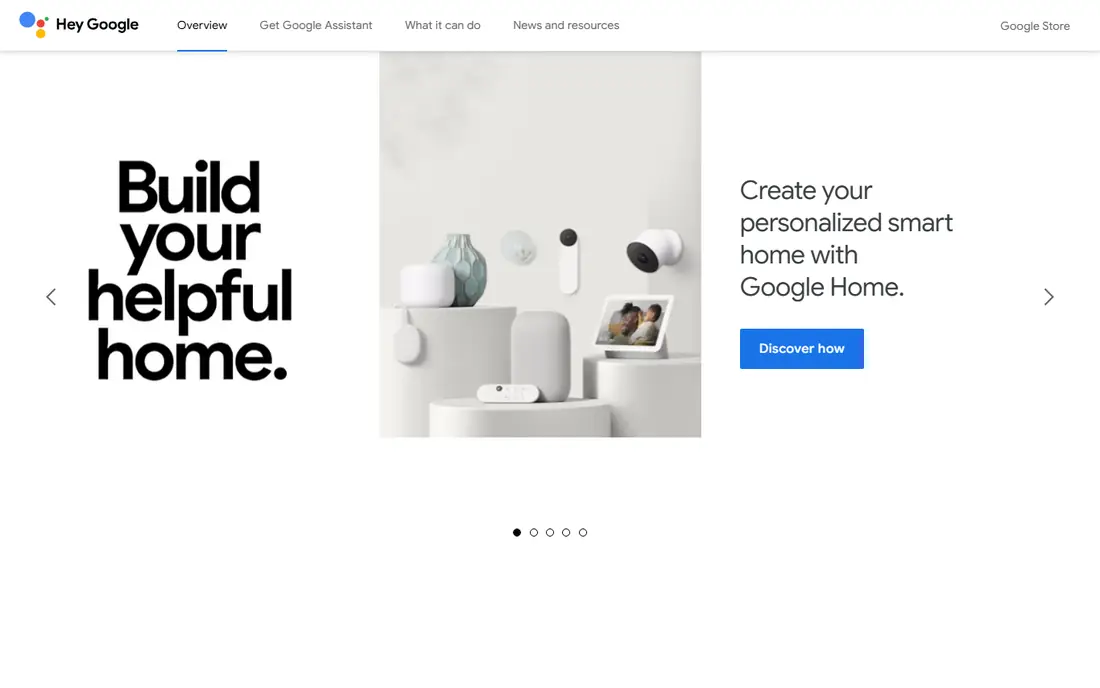
Here is the short version. Google Assistant suits Android and Google Home users, with strong search answers and smart home control. It fits readers who want voice assistant for android and google home, and its published feature set matches that promise rather than trying to cover every possible use case at once. When we weighed it against the rest of this list, the balance of price, scope and support stood out for that group, and the public reviews we read pointed in the same direction for that use case. The price picture is free, with a free plan status of yes. Privacy-minded users should review data controls, since Google services collect voice data by default in places. Before you sign up, check the current plan limits on the official site, because caps on users, usage or features are where most buyers get surprised after the first month, and a plan that looks cheap can cost more once you add the seats or volume you actually need.
- Voice control
- Smart home
- Google search answers
- Google service ties
- Privacy controls need review
Apple Siri
Ideal for: Voice assistant for Apple devices
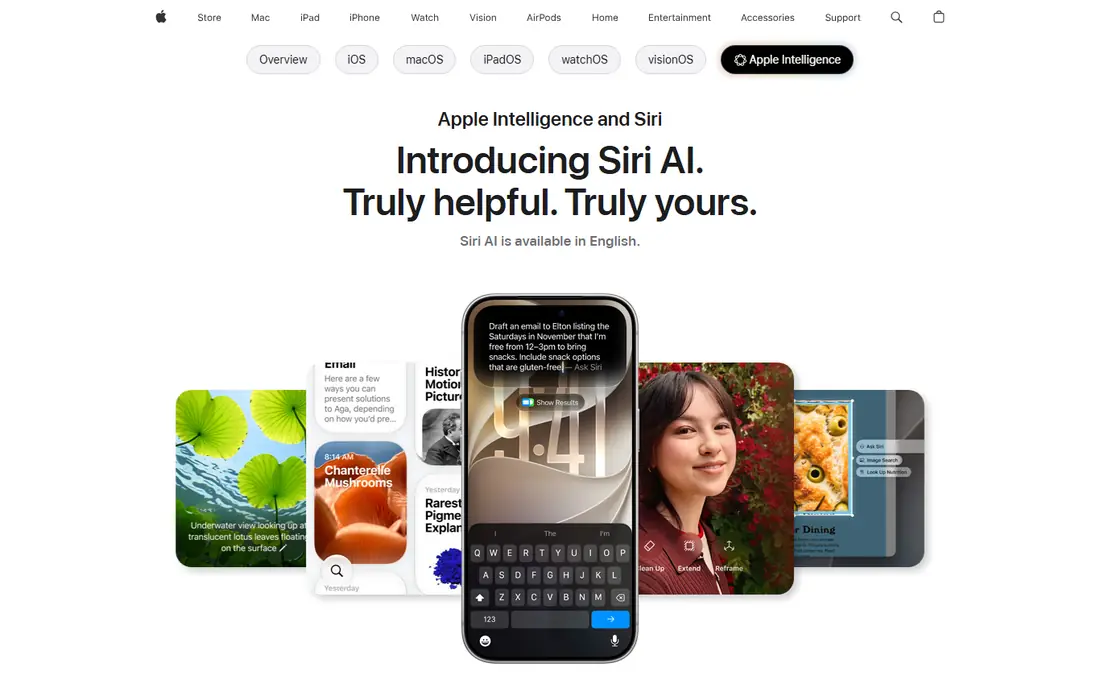
Start here if you want the safe default. Apple Siri suits Apple households, with device control and HomeKit links built in. It fits readers who want voice assistant for apple devices, and its published feature set matches that promise rather than trying to cover every possible use case at once. When we weighed it against the rest of this list, the balance of price, scope and support stood out for that group, and the public reviews we read pointed in the same direction for that use case. The price picture is free, with a free plan status of yes. Users outside Apple will find it limited, and general knowledge answers lag Google Assistant. Before you sign up, check the current plan limits on the official site, because caps on users, usage or features are where most buyers get surprised after the first month, and a plan that looks cheap can cost more once you add the seats or volume you actually need.
- Apple device control
- Privacy focus
- HomeKit links
- Weaker general knowledge than Google
- Best inside Apple ecosystem
Samsung Bixby
Ideal for: Voice assistant for Samsung devices
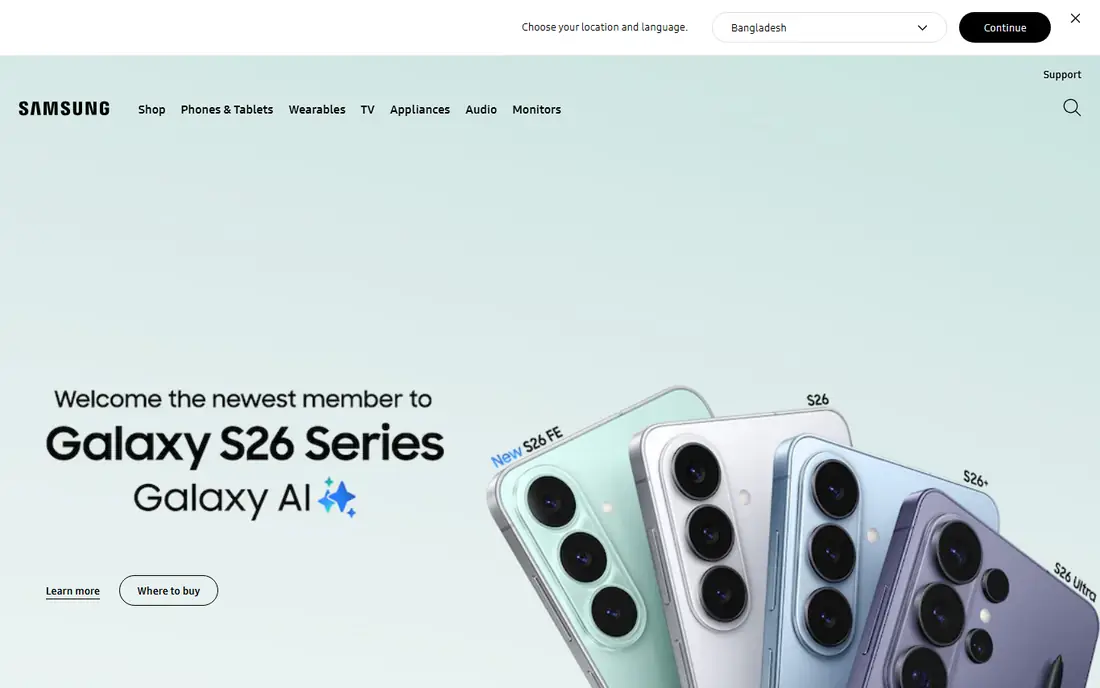
This one suits a specific kind of reader. Samsung Bixby suits Samsung phone and appliance owners who want device control and routines. It fits readers who want voice assistant for samsung devices, and its published feature set matches that promise rather than trying to cover every possible use case at once. When we weighed it against the rest of this list, the balance of price, scope and support stood out for that group, and the public reviews we read pointed in the same direction for that use case. The price picture is free, with a free plan status of yes. Households with mixed brands should prefer Google Assistant or Home Assistant for wider compatibility. Before you sign up, check the current plan limits on the official site, because caps on users, usage or features are where most buyers get surprised after the first month, and a plan that looks cheap can cost more once you add the seats or volume you actually need.
- Samsung device control
- On-device features
- Routines
- Smaller smart home ecosystem than Google or Apple
- App support varies
Home Assistant
Ideal for: Local smart home voice control
Consider this if the top picks do not fit. Home Assistant suits privacy-minded households that want local smart home control without cloud dependence. It fits readers who want local smart home voice control, and its published feature set matches that promise rather than trying to cover every possible use case at once. When we weighed it against the rest of this list, the balance of price, scope and support stood out for that group, and the public reviews we read pointed in the same direction for that use case. The price picture is free, with a free plan status of yes. Setup is hands-on, and voice control needs extra hardware or a cloud service, so it suits technical users. Before you sign up, check the current plan limits on the official site, because caps on users, usage or features are where most buyers get surprised after the first month, and a plan that looks cheap can cost more once you add the seats or volume you actually need.
- Local control
- Huge device support
- Privacy-first design
- Setup needs technical skill
- Voice needs extra hardware or service
Mycroft
Ideal for: Open-source voice assistant
A strong option for a narrower need. Mycroft suits open-source fans who want a voice assistant they can inspect and shape. It fits readers who want open-source voice assistant, and its published feature set matches that promise rather than trying to cover every possible use case at once. When we weighed it against the rest of this list, the balance of price, scope and support stood out for that group, and the public reviews we read pointed in the same direction for that use case. The price picture is free, with a free plan status of yes. The ecosystem is smaller than Google or Apple, so expect more setup for the same result. Before you sign up, check the current plan limits on the official site, because caps on users, usage or features are where most buyers get surprised after the first month, and a plan that looks cheap can cost more once you add the seats or volume you actually need.
- Open source
- Privacy focus
- Custom skills
- Smaller ecosystem
- Setup needs technical skill
Josh.ai
Ideal for: Voice control for luxury smart homes
Worth a close look before you decide. Josh.ai suits luxury smart homes that want natural voice control without wake words in every room. It fits readers who want voice control for luxury smart homes, and its published feature set matches that promise rather than trying to cover every possible use case at once. When we weighed it against the rest of this list, the balance of price, scope and support stood out for that group, and the public reviews we read pointed in the same direction for that use case. The price picture is see website, with a free plan status of no. Most households will find the price and install requirements hard to justify over Google or Apple. Before you sign up, check the current plan limits on the official site, because caps on users, usage or features are where most buyers get surprised after the first month, and a plan that looks cheap can cost more once you add the seats or volume you actually need.
- Natural voice control
- Smart home focus
- Privacy design
- High price and professional install in many cases
- Smaller ecosystem
Amazon Alexa
Ideal for: Voice assistant for Echo devices
This belongs on the shortlist for a reason. Amazon Alexa itself is included for comparison, since many readers want to know how rivals differ rather than a full switch. It fits readers who want voice assistant for echo devices, and its published feature set matches that promise rather than trying to cover every possible use case at once. When we weighed it against the rest of this list, the balance of price, scope and support stood out for that group, and the public reviews we read pointed in the same direction for that use case. The price picture is free, with a free plan status of yes. If privacy or shopping nudges are the reason to switch, Google, Apple or Home Assistant may fit better. Before you sign up, check the current plan limits on the official site, because caps on users, usage or features are where most buyers get surprised after the first month, and a plan that looks cheap can cost more once you add the seats or volume you actually need.
- Huge skill library
- Echo device range
- Smart home control
- Privacy concerns divide opinion
- Shopping nudges appear
Cortana
Ideal for: Voice help inside Microsoft products
Do not overlook this one. Cortana now suits Microsoft 365 productivity help rather than a full home assistant. It fits readers who want voice help inside microsoft products, and its published feature set matches that promise rather than trying to cover every possible use case at once. When we weighed it against the rest of this list, the balance of price, scope and support stood out for that group, and the public reviews we read pointed in the same direction for that use case. The price picture is free, with a free plan status of yes. Households that want a home voice assistant should choose Google, Apple or Home Assistant instead. Before you sign up, check the current plan limits on the official site, because caps on users, usage or features are where most buyers get surprised after the first month, and a plan that looks cheap can cost more once you add the seats or volume you actually need.
- Microsoft 365 links
- Productivity focus
- Standalone assistant role has shrunk
- Best inside Microsoft apps
How we picked these
We started from official feature pages and pricing pages, then checked app store listings, privacy policies and public reviews to confirm each product still works and still fits the topic. Products that could not be verified, or that only partly matched the topic, were left out, even when they were well known. We favoured a mix of established leaders and strong smaller options, and we weighted price transparency, a usable free tier or trial, and honest limits more heavily than marketing claims. No product on this list paid for its place, and our pick for most people is the one we would suggest to a friend with ordinary needs and an ordinary budget.
How to choose a voice assistant without regret
Start with your devices, because Google, Apple and Samsung assistants work best inside their own ecosystems. Check smart home compatibility next, since lights, locks and cameras must work with your chosen assistant. Then check privacy controls, including voice history deletion and wake-word handling, because voice data is sensitive. Also test voice recognition in your real rooms, including noise and accents, and check whether you need a screen, a speaker or whole-home control. A local option like Home Assistant suits privacy and control, but it needs setup that a ready-made assistant avoids.
Frequently asked questions
What is the best Alexa alternative?
Google Assistant suits Android and Google Home users, Apple Siri suits Apple households, and Home Assistant suits privacy-minded technical users. The right pick depends on your devices.
Is there a free Alexa alternative?
Yes, Google Assistant, Siri, Bixby, Home Assistant, Mycroft and Cortana are free to use, though hardware and premium services may cost extra.
Can I control my smart home without Alexa?
Yes, Google Assistant, Siri with HomeKit, and Home Assistant all control smart homes. Check device compatibility for your lights, locks and cameras first.
Which voice assistant is most private?
Home Assistant and Mycroft lead on privacy because they emphasise local control and open source, while Apple Siri also emphasises on-device processing. Review voice history settings on any assistant.
Do I need new hardware to switch?
Sometimes: Google Assistant needs Google or Android devices, Siri needs Apple devices, and Home Assistant needs a hub. Check your existing hardware before switching.