Alternatives to animal testing software in 2026: 8 Options Compared

- 1
 OECD QSAR Toolboxscientists predicting toxicity from chemical structureVisit
- 2
 Certara Simcyppharma teams modelling drug behaviour in peopleVisit
- 3
 Simulations Plus GastroPluspharma teams modelling absorption and dosingVisit
- 4
 Lhasa Derek Nexussafety teams predicting toxicity endpointsVisit
- 5
 VEGA QSARresearchers wanting free QSAR modelsVisit
- Software alternatives to animal testing use computer models, existing data and lab-grown systems to predict toxicity and safety.
- Regulators accept different methods for different endpoints, so check acceptance for your exact use case.
- These tools support scientists and safety teams, and they do not replace all testing in every case.
Quick comparison
| Product | Ideal for | Price from | Free version | |
|---|---|---|---|---|
| OECD QSAR Toolbox | scientists predicting toxicity from chemical structure | Free | Yes | Visit |
| Certara Simcyp | pharma teams modelling drug behaviour in people | See website | No | Visit |
| Simulations Plus GastroPlus | pharma teams modelling absorption and dosing | See website | No | Visit |
| Lhasa Derek Nexus | safety teams predicting toxicity endpoints | See website | No | Visit |
| VEGA QSAR | researchers wanting free QSAR models | Free | Yes | Visit |
 ToxTree | researchers classifying chemicals by hazard | Free | Yes | Visit |
 EPA ToxCast Dashboard | researchers exploring high-throughput screening data | Free | Yes | Visit |
 Dassault BIOVIA Discovery Studio | research teams modelling molecules and toxicity | See website | No | Visit |
The best alternatives to animal testing software
We compared official feature pages, pricing, app store listings, privacy policies and public reviews to build this list of alternatives to animal testing software. Our pick for most people is listed first in each section below, but the right choice depends on your budget, team size and must-have features, so read the strengths and limits for each option before you decide.
OECD QSAR Toolbox
Ideal for: scientists predicting toxicity from chemical structure
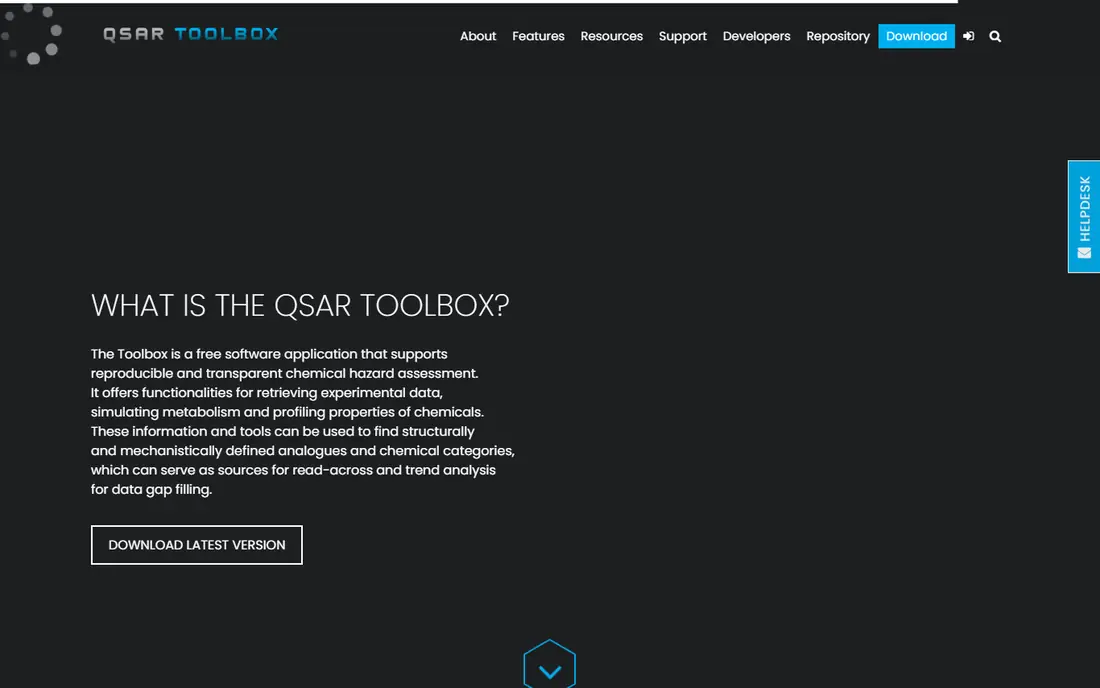
For readers weighing this option, the story starts with fit. The OECD QSAR Toolbox is a free, widely used tool for predicting toxicity from chemical structure using grouping and read-across. In practice, that means you should judge it on the job you need done most, not on the longest feature list, since a tool that fits your daily work beats a broader tool you rarely open. We also weighed pricing honesty, support options and how the product handles your data, because those factors shape the experience long after the first week.
The catch is expertise, since it assumes toxicology knowledge and careful interpretation. That trade-off is normal, since every product on this list gives up something to excel at its main job. Before you commit, use the free plan or trial with a real task from your own work, check the export and cancellation terms, and confirm the plan you need includes the features described here, since vendors move features between tiers from time to time.
- Free QSAR predictions
- Grouping and read-across
- Regulatory use
- Technical interface
- Needs toxicology knowledge
Certara Simcyp
Ideal for: pharma teams modelling drug behaviour in people
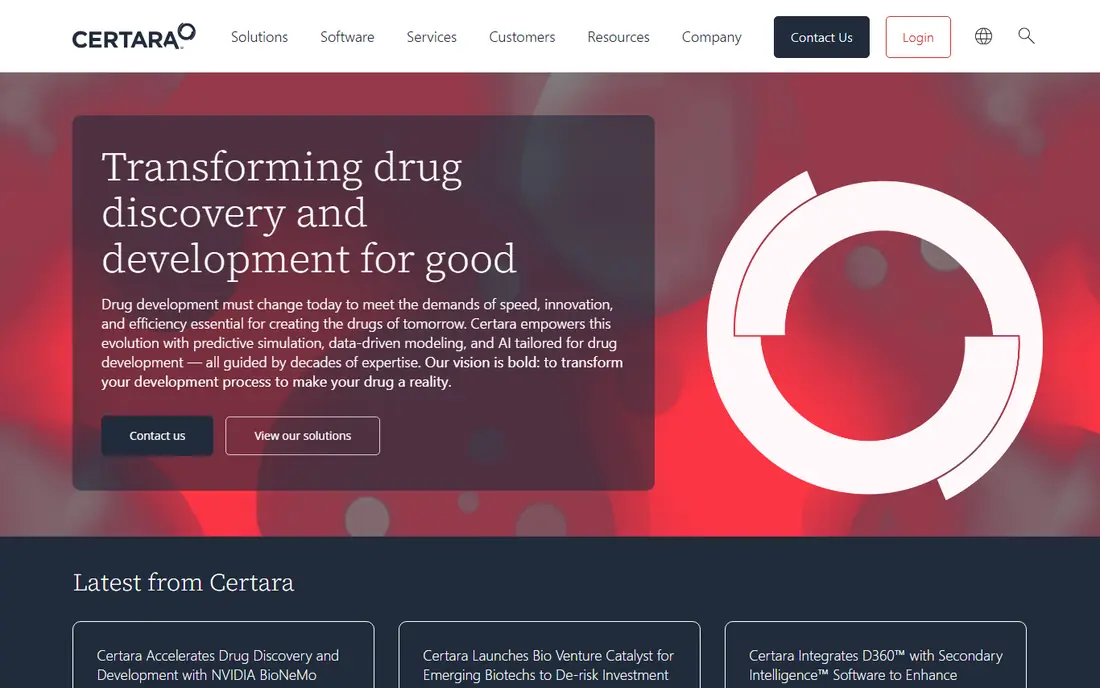
This one earns its place for a clear reason. Certara Simcyp models how drugs behave in virtual human populations, helping teams predict exposure without early animal studies. In practice, that means you should judge it on the job you need done most, not on the longest feature list, since a tool that fits your daily work beats a broader tool you rarely open. We also weighed pricing honesty, support options and how the product handles your data, because those factors shape the experience long after the first week.
The catch is specialism, since it needs trained modellers and enterprise budgets. That trade-off is normal, since every product on this list gives up something to excel at its main job. Before you commit, use the free plan or trial with a real task from your own work, check the export and cancellation terms, and confirm the plan you need includes the features described here, since vendors move features between tiers from time to time.
- Physiologically based modelling
- Virtual populations
- Regulatory acceptance
- Enterprise pricing
- Specialist training needed
Simulations Plus GastroPlus
Ideal for: pharma teams modelling absorption and dosing
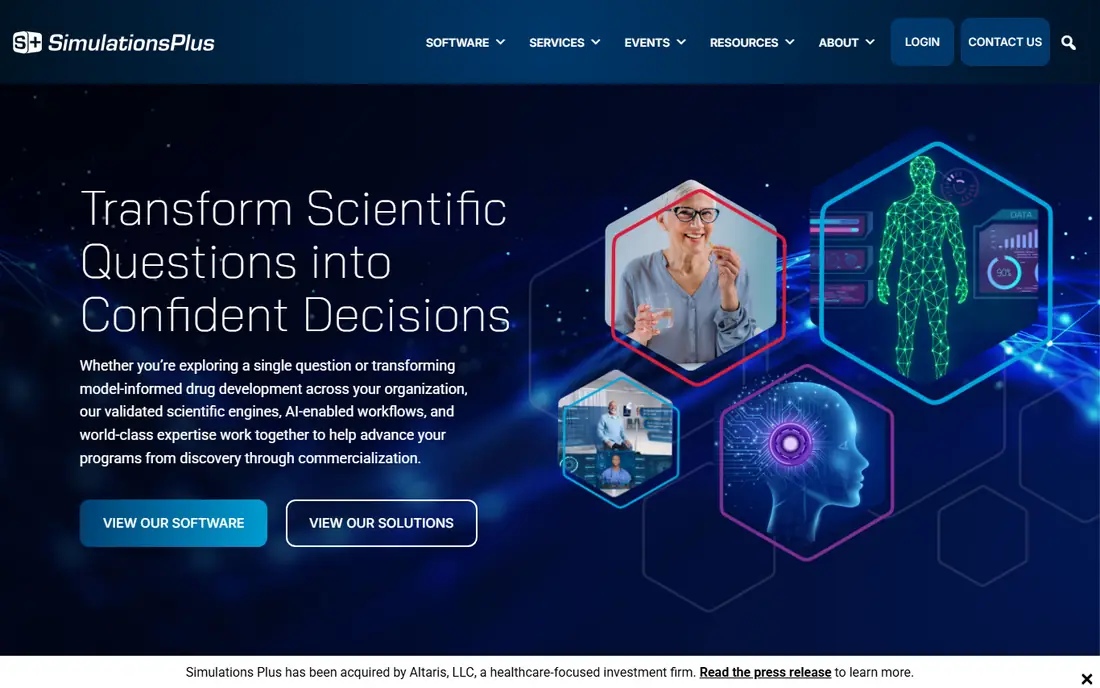
Here is where this option stands out from the rest of the list. Simulations Plus GastroPlus models drug absorption and dosing, which helps teams design studies with less animal work. In practice, that means you should judge it on the job you need done most, not on the longest feature list, since a tool that fits your daily work beats a broader tool you rarely open. We also weighed pricing honesty, support options and how the product handles your data, because those factors shape the experience long after the first week.
The catch is niche, since it focuses on absorption and pharmacokinetics rather than all toxicity endpoints. That trade-off is normal, since every product on this list gives up something to excel at its main job. Before you commit, use the free plan or trial with a real task from your own work, check the export and cancellation terms, and confirm the plan you need includes the features described here, since vendors move features between tiers from time to time.
- Absorption and pharmacokinetic modelling
- Dosing predictions
- Regulatory use
- Specialist tool
- Pricing is quote-based
Lhasa Derek Nexus
Ideal for: safety teams predicting toxicity endpoints
Consider this option if its strengths match your main need. Lhasa Derek Nexus gives expert-system toxicity predictions with reasoning that reviewers can inspect, which helps regulatory submissions. In practice, that means you should judge it on the job you need done most, not on the longest feature list, since a tool that fits your daily work beats a broader tool you rarely open. We also weighed pricing honesty, support options and how the product handles your data, because those factors shape the experience long after the first week.
The catch is review, since predictions still need expert interpretation before decisions. That trade-off is normal, since every product on this list gives up something to excel at its main job. Before you commit, use the free plan or trial with a real task from your own work, check the export and cancellation terms, and confirm the plan you need includes the features described here, since vendors move features between tiers from time to time.
- Expert toxicity predictions
- Reasoning transparency
- Regulatory use
- Licence pricing
- Needs expert review
VEGA QSAR
Ideal for: researchers wanting free QSAR models
This entry suits a narrower audience, and that focus is its strength. VEGA QSAR offers free models for several toxicity endpoints, with checks on whether a chemical falls inside a model domain. In practice, that means you should judge it on the job you need done most, not on the longest feature list, since a tool that fits your daily work beats a broader tool you rarely open. We also weighed pricing honesty, support options and how the product handles your data, because those factors shape the experience long after the first week.
The catch is coverage, since no single model covers every endpoint well. That trade-off is normal, since every product on this list gives up something to excel at its main job. Before you commit, use the free plan or trial with a real task from your own work, check the export and cancellation terms, and confirm the plan you need includes the features described here, since vendors move features between tiers from time to time.
- Free QSAR models
- Multiple endpoints
- Applicability domain checks
- Interface is technical
- Model coverage varies by endpoint
ToxTree
Ideal for: researchers classifying chemicals by hazard
On value alone, this option deserves a close look. ToxTree classifies chemicals using decision trees and structural alerts, giving a fast first hazard screen. In practice, that means you should judge it on the job you need done most, not on the longest feature list, since a tool that fits your daily work beats a broader tool you rarely open. We also weighed pricing honesty, support options and how the product handles your data, because those factors shape the experience long after the first week.
The catch is age, since the interface feels older and interpretation still needs expertise. That trade-off is normal, since every product on this list gives up something to excel at its main job. Before you commit, use the free plan or trial with a real task from your own work, check the export and cancellation terms, and confirm the plan you need includes the features described here, since vendors move features between tiers from time to time.
- Free decision-tree hazard classification
- Structural alerts
- Open source
- Older interface
- Needs toxicology knowledge
EPA ToxCast Dashboard
Ideal for: researchers exploring high-throughput screening data
If you want a dependable choice, start here. The EPA ToxCast Dashboard opens high-throughput screening data on thousands of chemicals for research and prioritisation. In practice, that means you should judge it on the job you need done most, not on the longest feature list, since a tool that fits your daily work beats a broader tool you rarely open. We also weighed pricing honesty, support options and how the product handles your data, because those factors shape the experience long after the first week.
The catch is analysis, since it provides data to explore rather than a simple safe or unsafe answer. That trade-off is normal, since every product on this list gives up something to excel at its main job. Before you commit, use the free plan or trial with a real task from your own work, check the export and cancellation terms, and confirm the plan you need includes the features described here, since vendors move features between tiers from time to time.
- High-throughput screening data
- Chemical bioactivity profiles
- Public data
- Data exploration tool, not a single prediction
- Needs analysis skills
Dassault BIOVIA Discovery Studio
Ideal for: research teams modelling molecules and toxicity
The final entry rounds out the list with a different angle. Dassault BIOVIA Discovery Studio supports molecular modelling and simulation for discovery teams working to reduce animal testing. In practice, that means you should judge it on the job you need done most, not on the longest feature list, since a tool that fits your daily work beats a broader tool you rarely open. We also weighed pricing honesty, support options and how the product handles your data, because those factors shape the experience long after the first week.
The catch is enterprise weight, since price and learning curve suit larger research organisations. That trade-off is normal, since every product on this list gives up something to excel at its main job. Before you commit, use the free plan or trial with a real task from your own work, check the export and cancellation terms, and confirm the plan you need includes the features described here, since vendors move features between tiers from time to time.
- Molecular modelling
- QSAR and simulation
- Discovery workflows
- Enterprise pricing
- Steep learning curve
How we picked these
We compared official feature pages, pricing pages, app store listings, privacy policies and public reviews for each product on this list, and we checked that each product exists and works today. We favoured products that fit the topic directly, offered clear pricing or a usable free tier, and showed an honest balance of strengths and limits. We did not claim hands-on testing we did not do, and where a price could not be verified we wrote See website rather than guessing.
We also mixed well-known leaders with strong smaller options, so the list is useful whether you want the safest default or a more specialised pick. If a product changed its pricing or features after our check, the vendor website is the final word, and we recommend confirming the plan details before you buy.
How to choose the right alternatives to animal testing software
Start with the endpoint you must assess, since no tool covers every toxicity question. Check regulatory acceptance for that endpoint in your region, and whether the model domain covers your chemicals. Use free tools like the QSAR Toolbox and VEGA for screening and prioritisation, and reserve commercial platforms for regulatory submissions where expert support matters. Always pair model output with expert review, since a prediction is evidence, not a final safety verdict on its own.
Use the checklist below with your own shortlist, since it catches the problems that cause most regret after purchase.
- Fit first: does it solve your main job, or does it only look impressive in a demo.
- True cost: add up seats, add-ons, taxes and renewal prices, not just the headline monthly figure.
- Exit route: can you export your data and cancel without a long process or penalty.
- Support and privacy: check support hours, data handling and security practices before you rely on it daily.
Run a trial with real work, not sample data, and involve the people who will use the product every day. Their verdict after a week of real tasks tells you more than any feature table, including ours.
Frequently asked questions
What software replaces animal testing?
Computer models such as QSAR tools, physiologically based models like Simcyp and GastroPlus, and expert systems like Derek Nexus predict toxicity and drug behaviour without new animal studies. Organ-on-chip and lab-grown systems complement software in many programmes.
Is QSAR accepted by regulators?
QSAR and read-across are accepted for some endpoints and purposes, especially screening and prioritisation, but acceptance varies by endpoint and region. Check current guidance for your exact use before relying on a model for a submission.
Is there free alternatives to animal testing software?
Yes. The OECD QSAR Toolbox, VEGA QSAR, ToxTree and the EPA ToxCast Dashboard are free. They suit screening and research, while commercial platforms add support, validation and regulatory documentation.
Do these tools fully replace animal testing?
Not in every case. Software alternatives reduce and replace animal testing for many endpoints, but some safety questions still require other methods. The field is moving toward combined approaches using models, lab-grown systems and existing data.
Who uses alternatives to animal testing software?
Pharmaceutical teams, chemical safety assessors, cosmetic safety teams and regulators use these tools for screening, prioritisation and submissions. Use requires toxicology and modelling expertise, so training matters.