Best Alternatives to Stripe Connect in 2026: 7 Platforms Compared

- PayPal Commerce Platform is the most widely recognised option for marketplaces that sell to US buyers.
- Paddle and Mangopay suit different models: Paddle acts as merchant of record for software, while Mangopay is built around wallets for multi-party payouts.
- Adyen and Checkout.com fit larger platforms that need global acquiring and local payment methods.
- Check payout timing, seller onboarding steps, and fee structure before you commit, since those details differ a lot between providers.
Quick comparison
| Product | Ideal for | Price from | Free version | |
|---|---|---|---|---|
 PayPal Commerce Platform | Marketplaces that want buyer trust | See website | No | Visit |
 Adyen | Large platforms with global volume | See website | No | Visit |
 Square | Sellers who also trade in person | Free | Yes | Visit |
 Paddle | Software sellers that want tax handled | See website | No | Visit |
 Mollie | European platforms and stores | See website | No | Visit |
 Checkout.com | High-volume online platforms | See website | No | Visit |
 Mangopay | Marketplaces with wallet-based payouts | See website | No | Visit |
The best alternatives to Stripe Connect
Stripe Connect is a strong choice for platforms that need to split payments between sellers and a marketplace, but it is not the only option. Some teams want a merchant of record model, others want local payment methods in Europe, and some want simpler onboarding for sellers.
We compared official feature pages, pricing pages, and developer documentation for each platform below. Our pick for most platforms is PayPal Commerce Platform, because its buyer recognition is wide and its marketplace tooling is mature. The right choice still depends on where your sellers live and how much payment work you want to keep in house.
PayPal Commerce Platform
Ideal for: Marketplaces that want buyer trust
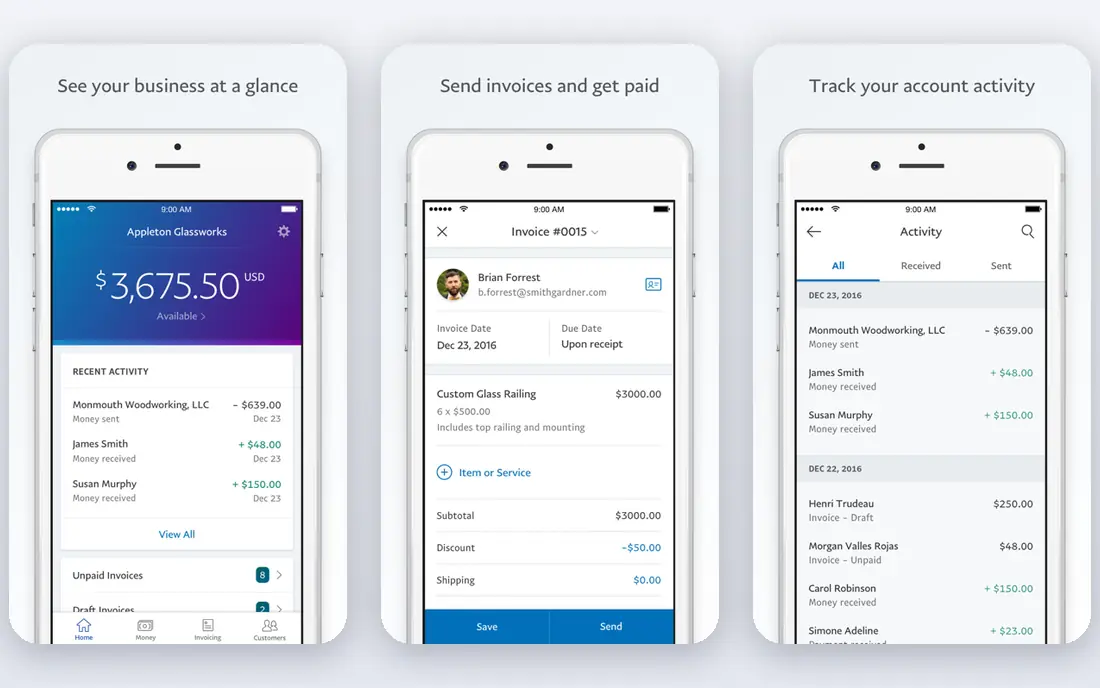
PayPal Commerce Platform lets a marketplace accept payments and split them between sellers while buyers check out with a name they already know. That recognition matters when a new marketplace is trying to win its first orders, since buyers are less likely to abandon a checkout that looks familiar.
The platform covers onboarding, payment splitting, and payouts, and it works with cards, wallets, and local methods in supported countries. Sellers still need to pass checks before they can receive money, so plan for that step in your launch timeline.
Our view: start here if your buyers are mostly in the US and you want the shortest path to a checkout people trust.
Bottom line: PayPal Commerce Platform is a strong fit for marketplaces that want buyer trust, and its main draw is buyer recognition in many markets. Weigh that against the limits above before you commit, and test it with your own real work during any trial or free period.
- Buyer recognition in many markets
- Marketplace and payout tooling
- Wide payment method support
- Fees and hold policies can surprise new sellers
- Support quality varies by case
Adyen
Ideal for: Large platforms with global volume

Adyen is built for companies that process payments in many countries and want one system behind them. Its platform tools cover marketplaces, payouts, and account management, which helps when sellers operate across borders.
The trade-off is complexity. Adyen suits teams with engineering resources and real volume, rather than a small marketplace that wants to launch in a weekend. Pricing is typically agreed with sales, so budget planning needs a conversation first.
Our view: a strong pick for established platforms that are scaling internationally and can invest in integration.
Bottom line: Adyen is a strong fit for large platforms with global volume, and its main draw is global acquiring and local methods. Weigh that against the limits above before you commit, and test it with your own real work during any trial or free period.
- Global acquiring and local methods
- Single platform for payments and payouts
- Strong reporting
- Enterprise focus and pricing talks can be heavy for small teams
- Setup needs developer time
Square
Ideal for: Sellers who also trade in person

Square is best known for in-person payments, but it also supports online selling, invoicing, and team tools. For a platform whose sellers meet customers face to face as well as online, that mix is a genuine advantage.
Square is less specialised than a pure marketplace payments provider, so a platform with complex split rules should test its fit early. The dashboard and reporting are plain and easy to follow, which helps smaller operations.
Our view: pick Square when your sellers work in person and online and you value simple tooling over deep marketplace customisation.
Bottom line: Square is a strong fit for sellers who also trade in person, and its main draw is simple onboarding for many sellers. Weigh that against the limits above before you commit, and test it with your own real work during any trial or free period.
- Simple onboarding for many sellers
- In-person and online tools in one account
- Clear dashboard
- Marketplace splitting is less central than at specialist platforms
- Some features are US focused
Paddle
Ideal for: Software sellers that want tax handled
Paddle works differently from most names here. As merchant of record, it sells your software to the customer, handles sales tax and compliance, and pays you out. That removes a large amount of tax work for software and app businesses.
The model fits digital products far better than physical marketplaces with many independent sellers. Fees are charged as a share of each transaction, so compare that against your margins before switching.
Our view: the cleanest option for software sellers who want tax and billing taken off their plate.
Bottom line: Paddle is a strong fit for software sellers that want tax handled, and its main draw is merchant of record model. Weigh that against the limits above before you commit, and test it with your own real work during any trial or free period.
- Merchant of record model
- Tax and compliance handled for digital sales
- Subscription billing built in
- Not a general marketplace payout tool
- Pricing is based on a share of sales
Mollie
Ideal for: European platforms and stores
Mollie is a Dutch payments provider with strong support for European methods such as iDEAL, Bancontact, and SEPA direct debit, alongside cards. For a platform whose sellers and buyers are mostly in Europe, that local coverage is a real selling point.
Onboarding is self-serve for many businesses, and the dashboard is tidy. Teams outside Europe will find less local depth, so Mollie is best treated as a Europe-first choice rather than a global one.
Our view: a smart pick for European marketplaces that want local methods without enterprise sales calls.
Bottom line: Mollie is a strong fit for european platforms and stores, and its main draw is wide range of European payment methods. Weigh that against the limits above before you commit, and test it with your own real work during any trial or free period.
- Wide range of European payment methods
- No monthly fee for basic use
- Clear developer docs
- Strongest in Europe, weaker elsewhere
- Marketplace features need checking against your model
Checkout.com
Ideal for: High-volume online platforms
Checkout.com is an online payments provider aimed at larger merchants and platforms. It offers acquiring, payouts, fraud tools, and acceptance optimisation, with coverage across many currencies and markets.
Integration is developer led, and commercial terms are usually agreed with sales. That makes it a better fit for platforms with real volume and a technical team than for a first marketplace test.
Our view: consider Checkout.com when volume is high and payment performance is a core part of your business.
Bottom line: Checkout.com is a strong fit for high-volume online platforms, and its main draw is global acquiring in many countries. Weigh that against the limits above before you commit, and test it with your own real work during any trial or free period.
- Global acquiring in many countries
- Detailed acceptance and fraud tools
- Flexible APIs
- Enterprise sales process
- Less friendly for very small platforms
Mangopay
Ideal for: Marketplaces with wallet-based payouts
Mangopay is built around wallets. Each seller can hold funds in a wallet, and the platform controls when money moves out, which suits marketplaces, crowdfunding, and gig platforms with staged payouts.
The wallet model gives fine control over fees, refunds, and split rules, but it also means more design work up front. Mangopay is centred on Europe, so check coverage if your sellers are elsewhere.
Our view: the most flexible choice here for platforms that need careful control over who gets paid, and when.
Bottom line: Mangopay is a strong fit for marketplaces with wallet-based payouts, and its main draw is wallet infrastructure for multi-party flows. Weigh that against the limits above before you commit, and test it with your own real work during any trial or free period.
- Wallet infrastructure for multi-party flows
- Escrow-style holding
- Flexible payout rules
- Europe centred
- Integration needs developer effort
How we picked these
We compared official feature pages, pricing pages, and developer documentation for each provider, and we looked for marketplace or platform features, payout options, and seller onboarding. We gave extra weight to providers with clear documentation and a track record of serving platforms, not just single merchants.
We did not run live transactions or claim hands-on testing. Where pricing was not published on the vendor site, we wrote See website rather than guessing a figure, since payment fees often depend on volume and region.
How to choose a Stripe Connect alternative
Start with your payout model. If sellers should be paid at once after a sale, most providers can cope. If money must be held until delivery, split between several sellers, or released in stages, you need a platform with wallet or escrow-style controls, and you should test that flow before launch.
Next, check seller onboarding. Some providers verify sellers in minutes, while others need documents and manual review. Slow onboarding will cost you sellers, so run a test signup yourself and count the steps and the waiting time.
Then look at geography and methods. A provider that is strong in the US may be weak in Europe, and the reverse is true too. Match the provider to where your buyers pay, and confirm that the local methods your buyers expect are actually supported.
Finally, read the fee and payout terms in full. Ask about transaction fees, payout fees, refund costs, and how long funds are held. A low headline rate can be offset by payout charges or long holding periods, so compare the total cost on a typical order.
Also test support before you depend on it. Send a real question to each provider on your shortlist and note how long a useful answer takes. Payment problems are stressful for sellers, and a provider that answers slowly will cost you trust at the worst moment.
Frequently asked questions
What is the closest alternative to Stripe Connect?
PayPal Commerce Platform is the closest widely known option, since it covers marketplace payments, seller onboarding, and payouts. Adyen and Mangopay are also close, but they suit larger or more wallet-driven platforms.
Do I need a merchant of record instead?
A merchant of record, such as Paddle, suits software sellers who want tax and compliance handled by the provider. For a general marketplace with independent sellers, a payments platform that splits funds is usually a better fit.
Can I switch away from Stripe Connect later?
Yes, but migration takes planning. You will need to re-onboard sellers, move payout details, and test checkout flows. Run both systems in parallel for a short period if your provider allows it.
Which option is best for a small marketplace?
For a small marketplace, PayPal Commerce Platform or Square usually offers the fastest start, because onboarding is familiar and documentation is broad. Mollie is a good small-team choice in Europe.
How do marketplace payouts actually work?
The buyer pays the platform, the provider splits the payment or holds it in a wallet, and then pays each seller minus fees. Timing, refund handling, and identity checks differ by provider, so test the full flow before launch.