Best Axonius Alternatives in 2026: 8 Options Compared

- 1
 ArmisAsset intelligence for devicesVisit
- 2
 LansweeperIT asset discoveryVisit
- 3
 ServiceNow CMDBConfiguration databaseVisit
- 4
 QualysVulnerability and asset managementVisit
- 5
 TenableExposure managementVisit
- Our pick for most people is Armis, because it covers asset intelligence for devices with the fewest trade-offs in this group.
- There is no strong free tier across this whole group, so check the trial terms on the official site before you commit to a paid plan.
- Lansweeper is the best second look when Armis does not fit, since it serves it asset discovery rather than the same audience.
- Prices and plan limits change often, so confirm the current terms on each vendor site and read the fine print on limits, renewals and cancellation before you pay.
Quick comparison
| Product | Ideal for | Price from | Free version | |
|---|---|---|---|---|
| Armis | Asset intelligence for devices | See website | No | Visit |
| Lansweeper | IT asset discovery | See website | Free trial | Visit |
| ServiceNow CMDB | Configuration database | See website | No | Visit |
| Qualys | Vulnerability and asset management | See website | Free trial | Visit |
| Tenable | Exposure management | See website | Free trial | Visit |
 CrowdStrike Falcon | Endpoint security with asset data | See website | Free trial | Visit |
 Wiz | Cloud security and asset inventory | See website | No | Visit |
 JupiterOne | Cyber asset attack surface | See website | Free trial | Visit |
The best axonius alternatives
We compared official feature pages, pricing pages, app store listings, privacy policies and public reviews to build this list for axonius alternatives. Every option below exists and works today, and each one earns its place for a different kind of reader. Read the shortlist with your own situation in mind. A cheaper option that you actually use beats a powerful one that sits untouched, and a plan that looks cheap on the monthly line can cost more once add-ons and limits are counted.
Armis
Ideal for: Asset intelligence for devices
Armis discovers managed and unmanaged devices across IT, cloud, IoT and medical environments, with risk scoring that helps security teams prioritise. It suits organisations with many device types beyond standard laptops. Pricing is enterprise-level, and deployment needs planning. For readers focused on asset intelligence for devices, the appeal is discovers managed and unmanaged devices. That strength matters in daily use, because it is the part you will notice every week, not a feature you open once and forget. Compare it against the rest of the list on that one point first, then look at price, platform support and how the company handles your data. The catch is enterprise pricing. deployment needs planning If that trade-off is acceptable for how you work, this is a solid choice, and a short trial will tell you more than any review can.
- Discovers managed and unmanaged devices
- Risk scoring
- Cloud and IoT coverage
- Enterprise pricing
- Deployment needs planning
Lansweeper
Ideal for: IT asset discovery
Lansweeper discovers hardware and software across networks, giving IT teams a detailed inventory at more affordable tiers than enterprise rivals. It suits mid-sized IT teams that need accurate asset data fast. The interface feels technical, and cloud asset depth varies by integration. For readers focused on it asset discovery, the appeal is discovers hardware and software. That strength matters in daily use, because it is the part you will notice every week, not a feature you open once and forget. Compare it against the rest of the list on that one point first, then look at price, platform support and how the company handles your data. The honest weakness is interface feels technical. cloud asset depth varies Try it on a real task before you pay, and check whether the entry plan covers the feature you actually need.
- Discovers hardware and software
- Detailed inventory
- Affordable tiers
- Interface feels technical
- Cloud asset depth varies
ServiceNow CMDB
Ideal for: Configuration database
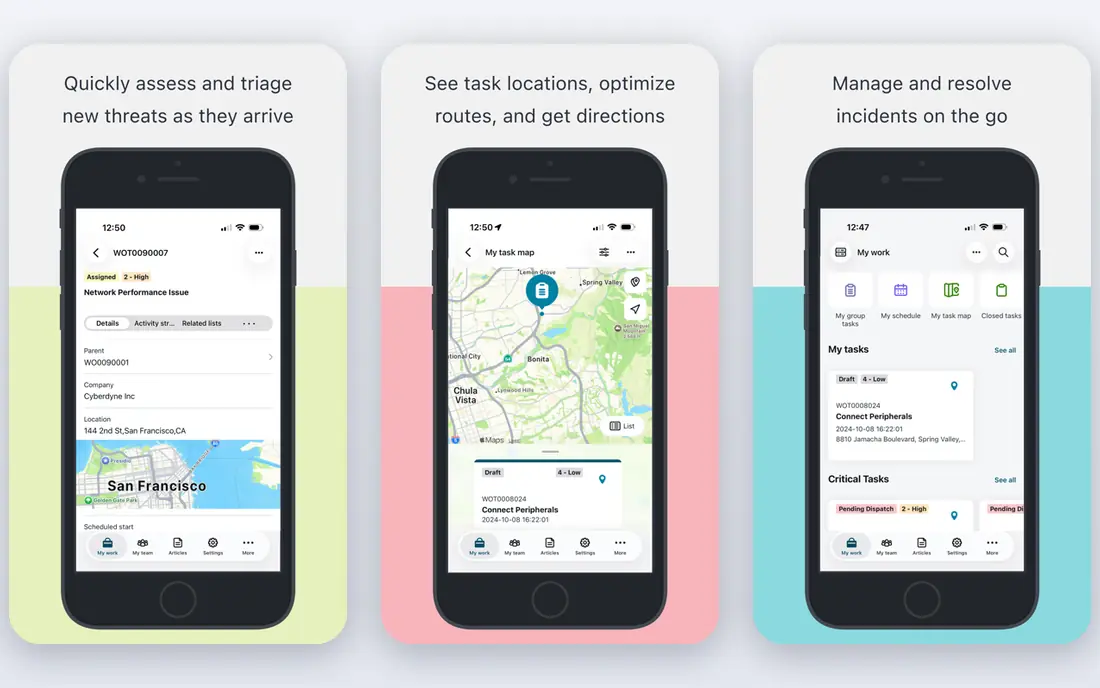
ServiceNow CMDB, with discovery, gives enterprises a configuration database tied to ITSM workflows and governance. It suits organisations already on ServiceNow. CMDB hygiene takes ongoing work, and the investment only makes sense inside that ecosystem. For readers focused on configuration database, the appeal is cMDB with discovery. That strength matters in daily use, because it is the part you will notice every week, not a feature you open once and forget. Compare it against the rest of the list on that one point first, then look at price, platform support and how the company handles your data. Watch out for needs ServiceNow investment. CMDB hygiene takes work If you can live with that limit, the rest of the package is easy to recommend for its audience.
- CMDB with discovery
- ITSM integration
- Enterprise governance
- Needs ServiceNow investment
- CMDB hygiene takes work
Qualys
Ideal for: Vulnerability and asset management
Qualys pairs vulnerability scanning with asset inventory on a cloud platform, plus compliance tools that auditors like. It suits security teams that want scanning and inventory together. Pricing scales with asset count, and the interface is dense for newcomers. For readers focused on vulnerability and asset management, the appeal is vulnerability scanning plus asset inventory. That strength matters in daily use, because it is the part you will notice every week, not a feature you open once and forget. Compare it against the rest of the list on that one point first, then look at price, platform support and how the company handles your data. The catch is pricing scales with assets. interface is dense If that trade-off is acceptable for how you work, this is a solid choice, and a short trial will tell you more than any review can.
- Vulnerability scanning plus asset inventory
- Cloud platform
- Compliance tools
- Pricing scales with assets
- Interface is dense
Tenable
Ideal for: Exposure management
Tenable covers vulnerability and exposure management with asset discovery and cloud coverage, helping teams see risk across infrastructure. It suits security teams managing hybrid environments. Pricing is enterprise-level, and reporting needs tuning to suit different audiences. For readers focused on exposure management, the appeal is vulnerability and exposure data. That strength matters in daily use, because it is the part you will notice every week, not a feature you open once and forget. Compare it against the rest of the list on that one point first, then look at price, platform support and how the company handles your data. The honest weakness is enterprise pricing. reporting needs tuning Try it on a real task before you pay, and check whether the entry plan covers the feature you actually need.
- Vulnerability and exposure data
- Asset discovery
- Cloud coverage
- Enterprise pricing
- Reporting needs tuning
CrowdStrike Falcon
Ideal for: Endpoint security with asset data
CrowdStrike Falcon is best known for endpoint protection, but it also gives asset visibility and threat intelligence from its agent data. It suits teams that want security and inventory from one agent. Non-endpoint assets still need other sources, and pricing is enterprise-level. For readers focused on endpoint security with asset data, the appeal is endpoint protection plus asset visibility. That strength matters in daily use, because it is the part you will notice every week, not a feature you open once and forget. Compare it against the rest of the list on that one point first, then look at price, platform support and how the company handles your data. Watch out for endpoint focus, so non-endpoint assets need other sources. enterprise pricing If you can live with that limit, the rest of the package is easy to recommend for its audience.
- Endpoint protection plus asset visibility
- Threat intelligence
- Fast deployment
- Endpoint focus, so non-endpoint assets need other sources
- Enterprise pricing
Wiz
Ideal for: Cloud security and asset inventory
Wiz gives cloud teams an asset inventory with risk prioritisation and agentless scanning across cloud accounts. It suits cloud-first organisations that need to find misconfigurations fast. It is cloud-only, so on-premise assets need another tool, and pricing is enterprise-level. For readers focused on cloud security and asset inventory, the appeal is cloud asset inventory. That strength matters in daily use, because it is the part you will notice every week, not a feature you open once and forget. Compare it against the rest of the list on that one point first, then look at price, platform support and how the company handles your data. The catch is cloud-only focus. pricing is enterprise-level If that trade-off is acceptable for how you work, this is a solid choice, and a short trial will tell you more than any review can.
- Cloud asset inventory
- Risk prioritisation
- Agentless scanning
- Cloud-only focus
- Pricing is enterprise-level
JupiterOne
Ideal for: Cyber asset attack surface
JupiterOne builds a graph-based model of cyber assets, linking devices, cloud resources, users and applications, with compliance mapping on top. It suits security teams that want to query relationships between assets. Its vendor footprint is smaller than the leaders, and pricing is usually quoted. For readers focused on cyber asset attack surface, the appeal is graph-based asset model. That strength matters in daily use, because it is the part you will notice every week, not a feature you open once and forget. Compare it against the rest of the list on that one point first, then look at price, platform support and how the company handles your data. The honest weakness is smaller vendor footprint. pricing is quoted Try it on a real task before you pay, and check whether the entry plan covers the feature you actually need.
- Graph-based asset model
- Compliance mapping
- Integrations
- Smaller vendor footprint
- Pricing is quoted
How we picked these
We started from the topic itself and kept only products that exist and work today and truly fit it. For each one we checked the official homepage, the pricing page and the free tier, and we read app store listings, privacy policies and public reviews where they were relevant. Products with a homepage we could not verify were left out, and prices we could not verify are shown as See website rather than guessed. We favored a mix of well-known leaders and strong smaller options, and we weighed entry price, free tier, platform coverage and honest weaknesses. No product here paid for its place, and we did not claim hands-on testing we did not do. What follows is a comparison of published facts, so you can check any claim on the vendor site before you buy.
Asset visibility tools that find what you missed
Start by naming the job you need done, then match it to one entry plan, not to a whole product family. Check which devices are supported, whether your data can be exported, and what happens when you cancel. An option that locks your work inside its own format costs more to leave later, even when the monthly price looks low. Next, test the free tier or trial on a real task from your own week, and watch for the limit that bites first. That limit is usually a seat count, a usage cap or a feature held back for a higher tier. ServiceNow CMDB and Qualys are worth comparing side by side here, because they serve different audiences at different prices, and the cheaper one is not always the weaker one for your case. Finally, read the renewal and cancellation terms before you enter payment details, and set a reminder to review the subscription after the first month. Many buyers keep paying for a tool they stopped opening, and a short review each quarter keeps the stack honest. If two options feel close, pick the one with clearer pricing and simpler cancellation.
Frequently asked questions
What is the best axonius alternatives?
For most readers it is Armis, because it covers asset intelligence for devices with a clear published feature set and broad support. Lansweeper is the best alternative when you need it asset discovery instead. Try the free tier or trial of both before you decide, since daily feel matters as much as the feature list.
Is there a free axonius alternatives?
None of the options here offers a strong permanent free tier, though several offer trials. Check each vendor site for the current trial length and what it includes, and avoid paying annually until you have tested the entry plan.
How much should I expect to pay?
Entry prices in this list run from free up to the higher tiers shown in the comparison table, and the real cost depends on seats, usage and add-ons. Armis starts at see website, which is a fair benchmark for the group. Always confirm the current price on the official site, since vendors change plans during the year.
Can I switch to a different option later?
In most cases yes, but the effort depends on how much data you have stored and whether it exports cleanly. Before you commit, check export options and whether a trial lets you import your existing work. Keeping a backup outside the tool makes any future switch far easier.
Why do asset tools matter for security?
You cannot patch or protect a device, cloud asset or app you do not know exists. Asset platforms pull data from many sources to build one inventory, then flag gaps such as unmanaged devices and missing agents.