Best AAC Apps in 2026: 7 Compared

- 1
 Proloquo2GoSymbol-based communication for all agesVisit
- 2
 TouchChatWord and symbol communication on iOSVisit
- 3
 LAMP Words for LifeMotor-planning AAC for language growthVisit
- 4
 TD SnapFree core AAC with Tobii vocabulariesVisit
- 5
 CoughDropCloud AAC that works across devicesVisit
- Proloquo2Go is our first pick for symbol-based communication for all ages, based on its feature set and pricing page.
- 3 of the 7 options offer a free plan, so you can test before paying in several cases.
- Prices range from free entry points to paid plans, and several vendors list pricing only on their own sites, so we marked those as See website.
- The best choice depends on your main task, your budget, and the devices you already use, not on the longest feature list.
Quick comparison
| Product | Ideal for | Price from | Free version | |
|---|---|---|---|---|
| Proloquo2Go | Symbol-based communication for all ages | See website | No | Visit |
| TouchChat | Word and symbol communication on iOS | See website | No | Visit |
| LAMP Words for Life | Motor-planning AAC for language growth | See website | No | Visit |
| TD Snap | Free core AAC with Tobii vocabularies | See website | Yes | Visit |
| CoughDrop | Cloud AAC that works across devices | See website | Yes | Visit |
 LetMeTalk | Free simple AAC for beginners | See website | Yes | Visit |
 Avaz | AAC with pictures and text for children and adults | See website | Free trial | Visit |
The best AAC apps
We compared the options below on features, pricing, free plans, and fit for best aac apps. Each one is live and working in October 2026, and each serves a slightly different kind of user, so read the best-for note first and then the details. These apps support communication and do not replace advice from a speech-language professional. Talk to a qualified clinician about the right setup for a specific person.
Proloquo2Go
Ideal for: Symbol-based communication for all ages
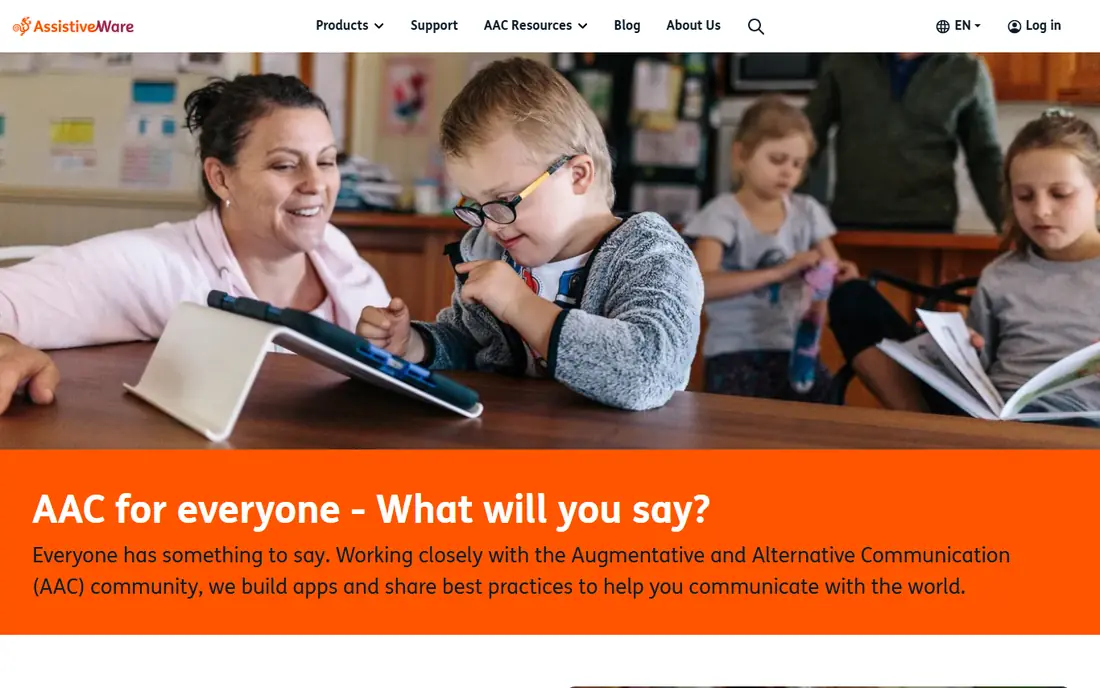
For symbol-based communication for all ages, Proloquo2Go is a strong place to start. Proloquo2Go is a widely used AAC app with a large symbol vocabulary, natural-sounding voices, and deep customization for different users. The starting price shown in our comparison comes from the vendor pricing page, and it is listed as see website.
It fits users who need a full communication system, though the price and setup mean a clinician or trained supporter should help with the first build. What we liked most: Large symbol vocabulary, natural voices and strong customization. The trade-offs to weigh are One-time price is high and setup takes time and guidance. Check the current plan limits before you commit, since pricing and features change over time.
- Large symbol vocabulary
- Natural voices
- Strong customization
- One-time price is high
- Setup takes time and guidance
TouchChat
Ideal for: Word and symbol communication on iOS
TouchChat stands out when word and symbol communication on ios is the priority. TouchChat offers several vocabulary sets with word prediction and social features, aimed at users who communicate with symbols, words, or both. On pricing, the vendor lists a starting point of see website, so check the current plan page before you decide.
It is a good fit for iOS users who want vocabulary choice, while Android users need a different app. What we liked most: Multiple vocabularies, word prediction and social sharing options. The trade-offs to weigh are iOS only and price is high for families. Compare the current plan page with your own workload before you sign up.
- Multiple vocabularies
- Word prediction
- Social sharing options
- IOS only
- Price is high for families
LAMP Words for Life
Ideal for: Motor-planning AAC for language growth

If motor-planning aac for language growth matters most to you, LAMP Words for Life deserves a close look. LAMP Words for Life uses consistent motor patterns so users can build language through muscle memory, with a vocabulary that grows with the user. Pricing starts at see website on the vendor site at the time of our check.
It fits users working on language development with trained partners, though partners need training to use the method well. What we liked most: Consistent motor patterns, language-focused design and vocabulary growth. The trade-offs to weigh are Learning curve for partners and price is high. Try the free option or trial first when one is offered, so you can judge fit before paying.
- Consistent motor patterns
- Language-focused design
- Vocabulary growth
- Learning curve for partners
- Price is high
TD Snap
Ideal for: Free core AAC with Tobii vocabularies
TD Snap is built with free core aac with tobii vocabularies in mind. TD Snap offers a free core AAC app with symbol and text communication, plus versions that work with eye-gaze hardware. The starting price shown in our comparison comes from the vendor pricing page, and it is listed as see website.
It is a strong free starting point for families and clinicians, while advanced vocabularies and features may cost extra. What we liked most: Free core app, symbol and text options and eye-gaze ready versions. The trade-offs to weigh are Advanced features need paid add-ons and setup takes guidance. Check the current plan limits before you commit, since pricing and features change over time.
- Free core app
- Symbol and text options
- Eye-gaze ready versions
- Advanced features need paid add-ons
- Setup takes guidance
CoughDrop
Ideal for: Cloud AAC that works across devices
Among the options here, CoughDrop is the pick to weigh first for cloud aac that works across devices. CoughDrop is a cloud AAC tool that runs in a browser and on devices, so boards and progress follow the user across settings. On pricing, the vendor lists a starting point of see website, so check the current plan page before you decide.
It fits users who need boards on many devices at low cost, though the design is plainer than premium apps. What we liked most: Cloud boards across devices, open sharing and low cost. The trade-offs to weigh are Design is simpler and voice options vary by device. Compare the current plan page with your own workload before you sign up.
- Cloud boards across devices
- Open sharing
- Low cost
- Design is simpler
- Voice options vary by device
LetMeTalk
Ideal for: Free simple AAC for beginners
For readers focused on free simple aac for beginners, LetMeTalk is hard to ignore. LetMeTalk is a free, simple AAC app that builds image-based boards for basic communication, working offline on common devices. Pricing starts at see website on the vendor site at the time of our check.
It is a good fit for beginners and for trying AAC at no cost, while users who need deep vocabularies will outgrow it. What we liked most: Free, simple image-based boards and offline use. The trade-offs to weigh are Vocabulary depth is limited and fewer voices. Try the free option or trial first when one is offered, so you can judge fit before paying.
- Free
- Simple image-based boards
- Offline use
- Vocabulary depth is limited
- Fewer voices
Avaz
Ideal for: AAC with pictures and text for children and adults
Avaz earns its place here for aac with pictures and text for children and adults. Avaz combines picture and text communication with customizable boards and progress tracking for children and adults. The starting price shown in our comparison comes from the vendor pricing page, and it is listed as see website.
It suits families and schools that want both picture and text modes, though the subscription should be weighed against free options first. What we liked most: Picture and text modes, customizable boards and progress tracking. The trade-offs to weigh are Subscription cost and setup takes time. Check the current plan limits before you commit, since pricing and features change over time.
- Picture and text modes
- Customizable boards
- Progress tracking
- Subscription cost
- Setup takes time
How we picked these
We compared official feature pages, pricing pages, app store listings, privacy policies, and public reviews for each product in this list. We kept only products that exist, work in October 2026, and fit the topic directly, and we left out options that looked like a poor match even when they were popular elsewhere.
Prices and free plans change often, so treat the figures here as a snapshot from our research. Where we could not verify a current price from the vendor, we wrote See website rather than guessing.
How to choose the right option
Start with the job you need done every week, not the longest feature list. A tool that covers that job well and fits your budget will serve you better than a larger platform you only half use. Next, check the free plan or trial limits against your real volume, and read the privacy terms for how your data is stored and shared. Finally, test the setup steps yourself before you move a whole team or project onto a new tool.
Start with your main task
When you compare best aac apps, list the task you will do most often and test each shortlisted option against that task alone. If it handles that task well, the rest of the features are a bonus. If it struggles there, a longer feature list will not fix the problem.
Check price, limits, and exit terms
Read the plan limits, the price of the next plan up, and how you export your work or cancel. These three details decide whether a tool stays affordable and useful as your needs grow, and they are easy to miss when you focus only on the headline price.
Frequently asked questions
What is the best best aac apps?
For most readers, Proloquo2Go is a sensible first pick because it fits symbol-based communication for all ages and its pricing is clear on the vendor site. That said, the right choice depends on your budget and your main task, so check the second and third options here if your needs differ.
Is there a free best aac apps option?
Yes, in several cases. 3 of the options in this list offer a free plan, though free plans usually cap usage or features. Start free where you can, and move to a paid plan only when you hit a limit that matters to your work.
How should I choose between these options?
Match the best-for note to your own task, then compare the starting price and the free plan. Run a short trial with a real task from your work, and pick the option that finishes that task with the least trouble.
Do prices change often?
Yes, vendors adjust plans and prices during the year, so the figures here are a snapshot from October 2026 research. Always check the vendor pricing page before you buy, and look for the plan limits behind the headline price.
Can I switch to a different option later?
In most cases, yes, but switching costs time. Before you commit, check how you export your data and whether a contract or yearly plan locks you in. Keeping your own copies of important work makes any later move much easier.