Best accounting automation apps for mobile in 2026: 8 Compared

- 1
 QuickBookssmall businesses that want full mobile accountingVisit
- 2
 Xerobusinesses that want clean mobile accountingVisit
- 3
 FreshBooksfreelancers who invoice from a phoneVisit
- 4
 Wavevery small businesses that want free basicsVisit
- 5
 Zoho Booksbusinesses already using Zoho appsVisit
- Our top choice for most readers is QuickBooks, which balances coverage, ease of use, and clear pricing for best accounting automation apps for mobile.
- Xero is a strong alternative when businesses that want clean mobile accounting matters more than a single all round option.
- Prices and free plans vary widely across this list, so check the vendor website for the current plan that fits your budget.
- We compared official feature pages, pricing, app-store listings, privacy policies, and public reviews for every option below.
Quick comparison
| Product | Ideal for | Price from | Free version | |
|---|---|---|---|---|
| QuickBooks | small businesses that want full mobile accounting | See website | No | Visit |
| Xero | businesses that want clean mobile accounting | See website | No | Visit |
| FreshBooks | freelancers who invoice from a phone | See website | No | Visit |
| Wave | very small businesses that want free basics | Free | Yes | Visit |
| Zoho Books | businesses already using Zoho apps | Free | Yes | Visit |
 Sage | small businesses that want established accounting | See website | No | Visit |
 Dext | businesses automating receipt and invoice capture | See website | No | Visit |
 Expensify | teams automating expenses from a phone | Free | Yes | Visit |
The best accounting automation apps for mobile
Mobile accounting automation should capture receipts, reconcile bank feeds, and send invoices from a phone, so we compared those workflows plus pricing and accountant access. We compared official feature pages, pricing, app-store listings, privacy policies, and public reviews to build this list, and we focused on options that work in October 2026.
QuickBooks
Ideal for: small businesses that want full mobile accounting
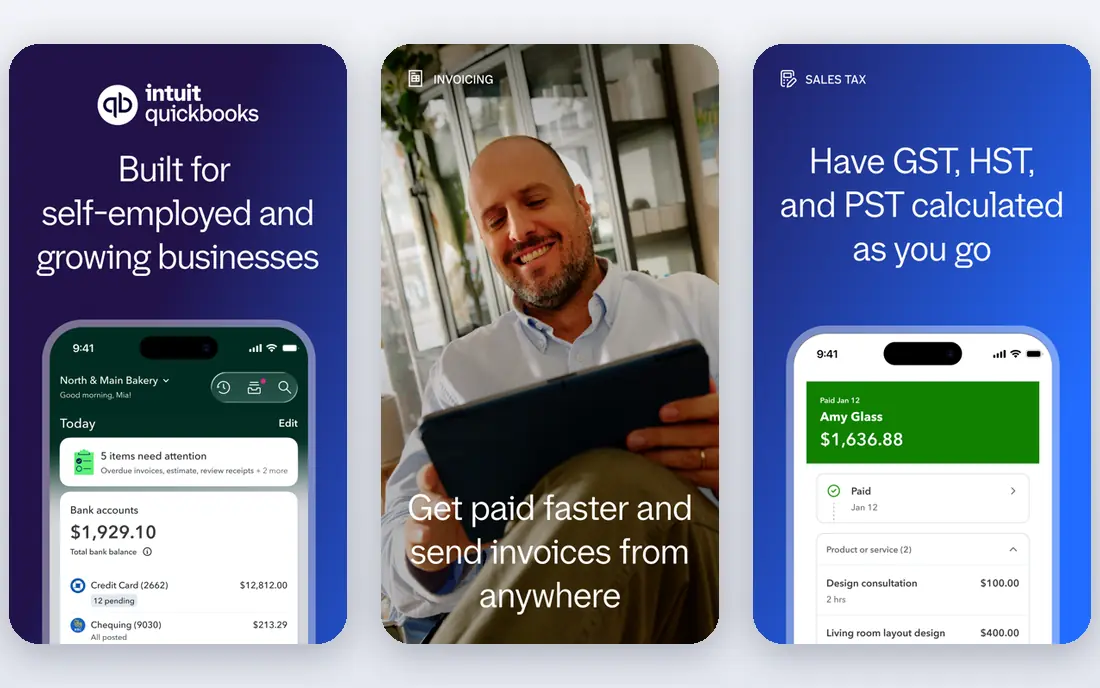
QuickBooks fits small businesses that want full mobile accounting. QuickBooks is the most complete mobile accounting app for small businesses, with invoicing, expenses, and reports. The starting price is shown on the vendor website, and there is no free plan. Its tiered pricing and depth can overwhelm a sole trader who only needs simple invoicing.
What stood out in our comparison was invoicing. The honest catch is pricing per tier. Support and setup matter here too, so check help pages and onboarding before you commit to a paid plan.
If small businesses that want full mobile accounting is your main need, QuickBooks deserves a close look, but check learning curve before you commit. We also weighed how clearly QuickBooks explains its pricing and privacy terms, since vague terms often hide extra costs. Our pick for most readers in this group is the option that balances price, coverage, and ease of use.
- Invoicing
- Bank feeds
- Receipt capture
- Pricing per tier
- Learning curve
Xero
Ideal for: businesses that want clean mobile accounting
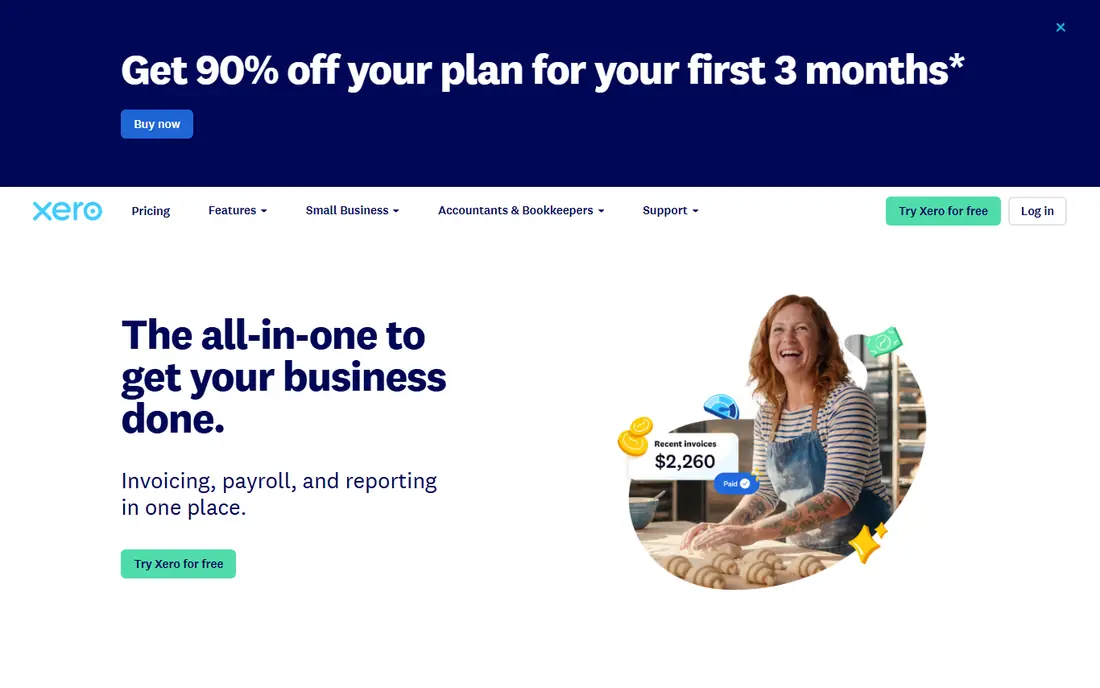
Xero fits businesses that want clean mobile accounting. Xero offers clean mobile accounting with strong bank reconciliation and accountant collaboration. The starting price is shown on the vendor website, and there is no free plan. Payroll and feature availability vary by country, so check your market first.
What stood out in our comparison was invoicing. The honest catch is pricing per tier. Integration with tools you already use can matter as much as the headline feature, so confirm that link early.
If businesses that want clean mobile accounting is your main need, Xero deserves a close look, but check payroll options vary by country before you commit. We also weighed how clearly Xero explains its pricing and privacy terms, since vague terms often hide extra costs. We would shortlist this one beside the category leader and compare them on a real trial.
- Invoicing
- Bank reconciliation
- Accountant access
- Pricing per tier
- Payroll options vary by country
FreshBooks
Ideal for: freelancers who invoice from a phone
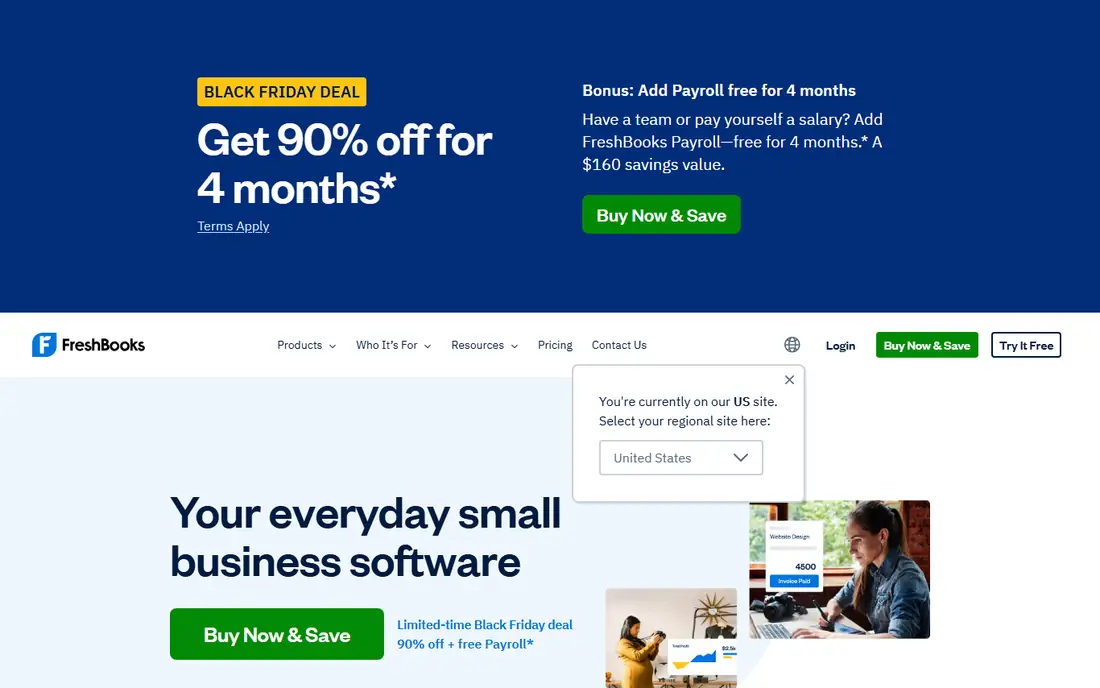
FreshBooks fits freelancers who invoice from a phone. FreshBooks is built for freelancers who invoice from a phone, with time tracking beside invoicing. The starting price is shown on the vendor website, and there is no free plan. Businesses with inventory or complex accounting may need QuickBooks or Xero instead.
What stood out in our comparison was easy invoicing. The honest catch is less suited to complex inventory. Privacy terms deserve a read as well, especially where personal or payment data is involved.
If freelancers who invoice from a phone is your main need, FreshBooks deserves a close look, but check pricing per tier before you commit. We also weighed how clearly FreshBooks explains its pricing and privacy terms, since vague terms often hide extra costs. This is a solid second choice when the leading option does not cover your area or budget.
- Easy invoicing
- Time tracking
- Expense capture
- Less suited to complex inventory
- Pricing per tier
Wave
Ideal for: very small businesses that want free basics
Wave fits very small businesses that want free basics. Wave offers free accounting and invoicing basics that suit very small businesses. The starting price is free, and a free plan is available. Payment processing fees apply when clients pay through Wave, and support is more limited than paid rivals.
What stood out in our comparison was free invoicing and accounting basics. The honest catch is payment processing fees. Trial periods and free tiers are worth using first, since a short test often reveals more than a feature list.
If very small businesses that want free basics is your main need, Wave deserves a close look, but check support is limited before you commit. We also weighed how clearly Wave explains its pricing and privacy terms, since vague terms often hide extra costs. It earns a place here on the strength of its core feature, even though it is not the best all rounder.
- Free invoicing and accounting basics
- Receipt tools
- Payment processing fees
- Support is limited
Zoho Books
Ideal for: businesses already using Zoho apps
Zoho Books fits businesses already using Zoho apps. Zoho Books fits businesses already in Zoho, with automation and invoicing that share data with other Zoho apps. The starting price is free, and a free plan is available. Standalone users may prefer a larger accounting brand with wider accountant support.
What stood out in our comparison was invoicing. The honest catch is free tier limits. Long term cost matters as much as the starting price, so check what happens when you add users or usage.
If businesses already using Zoho apps is your main need, Zoho Books deserves a close look, but check some features need paid plans before you commit. We also weighed how clearly Zoho Books explains its pricing and privacy terms, since vague terms often hide extra costs. We kept it in the list because it serves a specific need better than more general rivals.
- Invoicing
- Automation
- Zoho integration
- Free tier limits
- Some features need paid plans
Sage
Ideal for: small businesses that want established accounting
Sage fits small businesses that want established accounting. Sage is an established accounting brand with mobile invoicing and reporting for small businesses. The starting price is shown on the vendor website, and there is no free plan. Product names and pricing vary by country, so confirm the exact product for your market.
What stood out in our comparison was invoicing. The honest catch is pricing varies. Customer reviews can highlight recurring problems, so look for patterns rather than single complaints.
If small businesses that want established accounting is your main need, Sage deserves a close look, but check interface varies by product before you commit. We also weighed how clearly Sage explains its pricing and privacy terms, since vague terms often hide extra costs. It is worth a trial if its main strength matches the problem you are trying to solve.
- Invoicing
- Bank feeds
- Reporting
- Pricing varies
- Interface varies by product
Dext
Ideal for: businesses automating receipt and invoice capture
Dext fits businesses automating receipt and invoice capture. Dext automates receipt and invoice capture, feeding clean data into accounting software. The starting price is shown on the vendor website, and there is no free plan. It is an add on rather than full accounting, so budget for it beside your main app.
What stood out in our comparison was receipt capture. The honest catch is add on cost beside accounting software. Ease of use for everyone on your team counts, since a tool only one person understands will not stick.
If businesses automating receipt and invoice capture is your main need, Dext deserves a close look, but check pricing per volume before you commit. We also weighed how clearly Dext explains its pricing and privacy terms, since vague terms often hide extra costs. We would test it for a week on a real task before moving a whole team or household to it.
- Receipt capture
- Invoice automation
- Accountant tools
- Add on cost beside accounting software
- Pricing per volume
Expensify
Ideal for: teams automating expenses from a phone
Expensify fits teams automating expenses from a phone. Expensify excels at mobile expense capture with receipt scanning and approvals. The starting price is free, and a free plan is available. It is an expense tool first, so full bookkeeping still needs an accounting app.
What stood out in our comparison was expense capture. The honest catch is full features need paid plans. Check update frequency and support responsiveness, because neglected apps fall behind quickly.
If teams automating expenses from a phone is your main need, Expensify deserves a close look, but check accounting depth is limited before you commit. We also weighed how clearly Expensify explains its pricing and privacy terms, since vague terms often hide extra costs. It stands out for value rather than breadth, which suits buyers with a clear single need.
- Expense capture
- Receipt scanning
- Approvals
- Full features need paid plans
- Accounting depth is limited
How we picked these
We started from the topic itself and shortlisted products that genuinely fit it, rather than adding well known names that only partly match. For each candidate we checked its official feature pages and pricing, looked at its app-store listing where one exists, and read its privacy terms and public reviews for recurring problems. Products that were discontinued, region locked for the stated market, or impossible to verify were left out. We then ranked the list by fit for the stated need, breadth of coverage, clarity of pricing, and ease of use for ordinary readers. No product paid for a place on this list, and our pick for most people is the one that balances those factors best, not the one with the longest feature list.
How to choose mobile accounting automation
Use the points below as a checklist before you sign up, since the right choice depends on your budget, your device, and how often you will actually use the service.
Check bank feed support for your bank, since automation fails when feeds break or lag.
Test receipt capture on real receipts, including crumpled and faded ones, before you rely on it.
Give your accountant access early, so year end work does not become a data rescue job.
Frequently asked questions
What is the best option for best accounting automation apps for mobile?
For most readers, QuickBooks is a strong starting point because it covers small businesses that want full mobile accounting well and its pricing is clear. That said, the best choice depends on your budget, your location, and how often you will use it. Shortlist two or three options from this list and test them before you commit.
Are there free options for best accounting automation apps for mobile?
Yes, several options in this list offer a free plan or a free tier, including QuickBooks where a free plan is listed. Free plans usually limit features, storage, or usage, so check those limits against your needs. If you use the service daily, a paid plan often works out better than juggling free limits.
How much do these options cost?
Costs vary widely, and several vendors list pricing only on their own websites, so we mark those as See website in the comparison table. Compare the total monthly cost, including extra users, add ons, and transaction fees, rather than the headline price alone. A free trial is a good way to test value before paying.
How do I choose between the top options?
Start with the problem you need to solve, then check coverage for your area, device support, and pricing. Read the privacy terms if the service handles personal data, and look for recent public reviews that mention support quality. A short trial on a real task usually makes the choice clear.
Can I switch later if I pick the wrong one?
In most cases yes, though switching takes more effort when you have stored data, scheduled items, or a team using the service. Export your data before you cancel, and check whether the new service can import it. Keep your old account active until the new setup is working smoothly.