Best ad tech companies in 2026: 8 Compared

- 1
 The Trade DeskIndependent programmatic ad buyingVisit
- 2
 Google Ad ManagerPublisher ad servingVisit
- 3
 MagniteSupply-side selling for publishersVisit
- 4
 PubMaticPublisher monetization technologyVisit
- 5
 CriteoRetargeting and commerce mediaVisit
- The Trade Desk leads independent demand-side buying, while Google Ad Manager anchors publisher ad serving.
- Magnite and PubMatic suit publishers that want supply-side technology and header bidding.
- Criteo, Taboola, and Outbrain cover retargeting and content recommendation at scale.
- Amazon Ads suits brands selling on Amazon that want retail media reach.
- Privacy rules are reshaping targeting, so check each platform approach to cookieless and consent-based buying.
Quick comparison
| Product | Ideal for | Price from | Free version | |
|---|---|---|---|---|
| The Trade Desk | Independent programmatic ad buying | See website | See website | Visit |
| Google Ad Manager | Publisher ad serving | See website | See website | Visit |
| Magnite | Supply-side selling for publishers | See website | See website | Visit |
| PubMatic | Publisher monetization technology | See website | See website | Visit |
| Criteo | Retargeting and commerce media | See website | See website | Visit |
 Amazon Ads | Retail media on Amazon | See website | See website | Visit |
 Taboola | Content recommendation ads | See website | See website | Visit |
 Outbrain | Native discovery advertising | See website | See website | Visit |
The best ad tech companies
Ad tech connects advertisers, publishers, and audiences through buying, serving, and measurement technology. The companies below cover demand-side, supply-side, and retail media. Pick based on whether you buy ads, sell inventory, or both.
The Trade Desk
Ideal for: Independent programmatic ad buying
For buyers focused on independent programmatic ad buying, The Trade Desk is a strong place to start. The Trade Desk is the leading independent platform for programmatic buying across channels. Its official feature pages put that strength front and center, and public reviews tend to point to the same area. That kind of agreement matters when options look similar on a pricing page but differ in day-to-day use.
The catch is worth weighing too. It suits larger buyers, and smaller advertisers may face minimums and a steeper learning curve. Before you commit, check the current pricing page and contract terms, and ask for a written quote where one applies. If those answers line up with your budget and timeline, The Trade Desk is easy to shortlist.
We would steer buyers with very different needs elsewhere. If your budget is tight, your timeline is short, or you need a feature The Trade Desk does not emphasize, another pick on this list may fit better. That is not a verdict on quality. Fit depends on size, budget, and how much support you expect after you sign up, so compare at least two other names before you decide.
- Large independent demand-side platform
- Data and measurement tools
- Global reach
- Minimum spend expectations
- Learning curve for new buyers
Google Ad Manager
Ideal for: Publisher ad serving
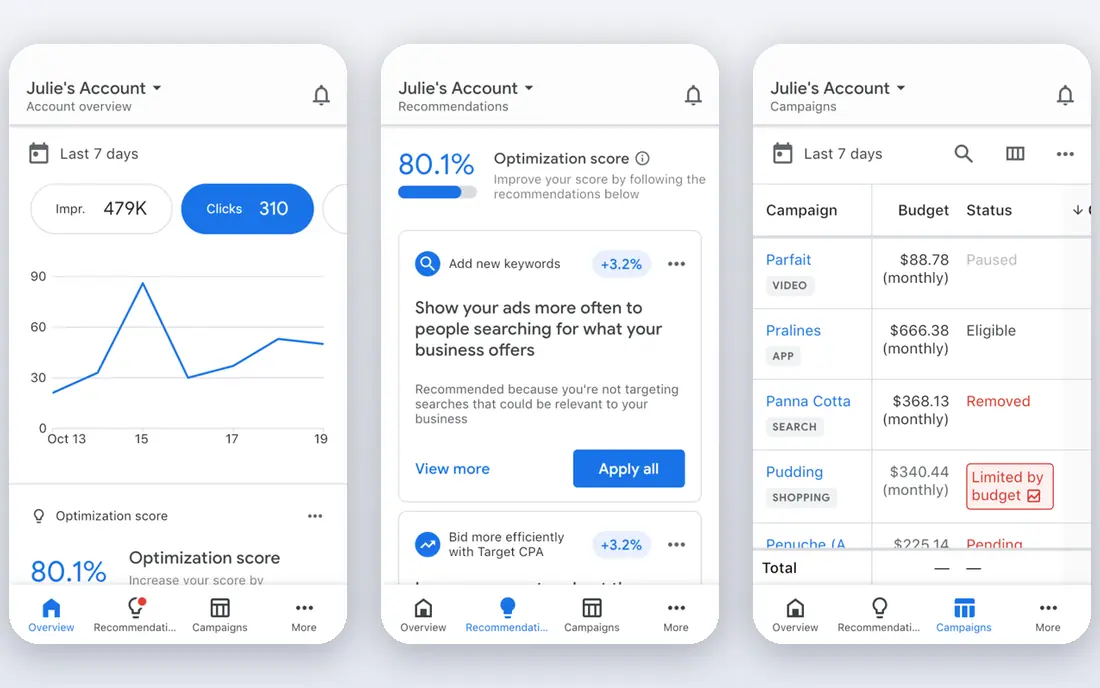
Google Ad Manager earns its place here mainly on fit for publisher ad serving. Google Ad Manager is the standard ad server for many publishers, with inventory management and reporting. We weighed its public pricing, feature pages, and review feedback together, and the pattern was consistent. Buyers who care most about that area will find a lot to like, even if other parts of the offer are less distinctive.
No option is without a drawback, and Google Ad Manager is no exception. Its complexity and Google policy ties can frustrate smaller publishers with simple needs. The fix is to confirm the details that matter most to you in writing before you sign anything. A short call or email exchange at this stage can prevent a mismatch later.
One practical tip applies to every name here, including Google Ad Manager. Get the current terms in writing, confirm what is included in the quoted price, and check how changes or cancellations are handled. Those three checks separate a good purchase from a frustrating one more often than any feature comparison does.
- Widely used publisher ad server
- Deep Google ecosystem links
- Strong reporting
- Complexity for small publishers
- Ties to Google policies and tools
Magnite
Ideal for: Supply-side selling for publishers
If supply-side selling for publishers is your top priority, start your shortlist with Magnite. Magnite helps publishers sell video, display, and connected TV inventory through programmatic channels. The offer is easy to understand from its public pages, which helps when you are comparing several providers side by side. Clarity at this stage saves time later, when contracts and onboarding details come into play.
There is a trade-off to accept here. It serves publishers, so advertisers reach its inventory through demand-side partners. That does not rule Magnite out, but it does mean you should compare it closely with at least one other name on this list. The right choice depends on which limitation you can live with most easily.
Shortlisting is only half the work. Talk to the provider, ask about onboarding or setup, and confirm timelines in writing. Magnite rewards that kind of diligence, because its strengths show up best when expectations are set clearly at the start of the relationship.
- Large independent sell-side platform
- Video and connected TV strength
- Publisher-focused, so advertisers buy through other platforms
PubMatic
Ideal for: Publisher monetization technology
PubMatic is the pick we point to first for publisher monetization technology. PubMatic gives publishers supply-side technology, including header bidding and audience tools. It is not the only strong option on this list, but its combination of features and public pricing information makes it straightforward to evaluate. That transparency is worth something when you are making a decision with real money attached.
The honest weakness is this: Advertisers generally access PubMatic inventory through buying platforms rather than directly. Weigh that against the strengths above and against what your own situation actually requires. For many buyers the balance still favors PubMatic, but it is a judgment call, not a given.
If you are still undecided, rank your own priorities before you rank the providers. Price, support, coverage, and ease of use rarely matter equally, and PubMatic scores best when publisher monetization technology sits near the top of your list. Use that ranking to make the final call with confidence.
- Sell-side platform with header bidding
- Global publisher base
- Publisher focus
- Smaller advertisers use it indirectly
Criteo
Ideal for: Retargeting and commerce media
For buyers focused on retargeting and commerce media, Criteo is a strong place to start. Criteo uses commerce data to retarget shoppers and power retail media campaigns. Its official feature pages put that strength front and center, and public reviews tend to point to the same area. That kind of agreement matters when options look similar on a pricing page but differ in day-to-day use.
The catch is worth weighing too. Privacy changes have reduced classic retargeting reach, so its newer commerce products matter more. Before you commit, check the current pricing page and contract terms, and ask for a written quote where one applies. If those answers line up with your budget and timeline, Criteo is easy to shortlist.
We would steer buyers with very different needs elsewhere. If your budget is tight, your timeline is short, or you need a feature Criteo does not emphasize, another pick on this list may fit better. That is not a verdict on quality. Fit depends on size, budget, and how much support you expect after you sign up, so compare at least two other names before you decide.
- Commerce data network
- Retargeting heritage
- Retail media growth
- Retargeting effectiveness is affected by privacy changes
Amazon Ads
Ideal for: Retail media on Amazon
Amazon Ads earns its place here mainly on fit for retail media on Amazon. Amazon Ads lets brands reach shoppers on Amazon with search, display, and video formats. We weighed its public pricing, feature pages, and review feedback together, and the pattern was consistent. Buyers who care most about that area will find a lot to like, even if other parts of the offer are less distinctive.
No option is without a drawback, and Amazon Ads is no exception. It works best for brands that sell on Amazon, and less well as a general off-platform buy. The fix is to confirm the details that matter most to you in writing before you sign anything. A short call or email exchange at this stage can prevent a mismatch later.
One practical tip applies to every name here, including Amazon Ads. Get the current terms in writing, confirm what is included in the quoted price, and check how changes or cancellations are handled. Those three checks separate a good purchase from a frustrating one more often than any feature comparison does.
- Direct reach to shoppers
- Search and display formats
- Sales measurement
- Best for brands selling on Amazon
- Less useful off-platform
Taboola
Ideal for: Content recommendation ads
If content recommendation ads is your top priority, start your shortlist with Taboola. Taboola places native recommendations across publisher sites, driving discovery traffic at scale. The offer is easy to understand from its public pages, which helps when you are comparing several providers side by side. Clarity at this stage saves time later, when contracts and onboarding details come into play.
There is a trade-off to accept here. Click quality varies by campaign, so brand safety settings and landing pages need care. That does not rule Taboola out, but it does mean you should compare it closely with at least one other name on this list. The right choice depends on which limitation you can live with most easily.
Shortlisting is only half the work. Talk to the provider, ask about onboarding or setup, and confirm timelines in writing. Taboola rewards that kind of diligence, because its strengths show up best when expectations are set clearly at the start of the relationship.
- Large publisher recommendation network
- Native formats
- Global reach
- Click quality varies
- Brand safety controls need attention
Outbrain
Ideal for: Native discovery advertising
Outbrain is the pick we point to first for native discovery advertising. Outbrain runs native recommendations on publisher sites, similar in shape to Taboola discovery ads. It is not the only strong option on this list, but its combination of features and public pricing information makes it straightforward to evaluate. That transparency is worth something when you are making a decision with real money attached.
The honest weakness is this: As with other discovery networks, traffic quality varies, so test budgets and monitor results closely. Weigh that against the strengths above and against what your own situation actually requires. For many buyers the balance still favors Outbrain, but it is a judgment call, not a given.
If you are still undecided, rank your own priorities before you rank the providers. Price, support, coverage, and ease of use rarely matter equally, and Outbrain scores best when native discovery advertising sits near the top of your list. Use that ranking to make the final call with confidence.
- Publisher recommendation network
- Native ad formats
- Combined scale after merger activity
- Similar click-quality caveats as other discovery networks
How we picked these
We started with providers that clearly fit the topic and have an official homepage we could open and verify. We compared what each one offers, how it prices its plans, and what public reviews say about working with it. Names that did not fit, or that we could not verify, were left out rather than padded into the list.
We compared official feature pages, pricing pages, app store listings where they exist, privacy policies, and public reviews. We left out providers we could not verify, options that did not truly fit the topic, and any name whose official homepage did not load. Prices and free tiers change, so treat every figure here as a starting point and confirm it on the provider site before you buy.
How to choose an ad tech partner
Ad tech choices affect reach, cost, and measurement. These checks help buyers and publishers pick platforms that fit their inventory or budget.
Define your side of the market
Demand-side platforms serve advertisers, supply-side platforms serve publishers, and some tools serve both. Start with your role, then shortlist platforms built for it.
Check measurement and transparency
Ask what reporting you get, what fees are taken, and how viewability and fraud are handled. Transparent fees and clear reporting matter more than a low headline rate.
Test privacy readiness
Cookie deprecation and privacy laws are changing targeting. Ask how each platform handles consent, first-party data, and cookieless measurement.
Frequently asked questions
How do I choose between these options?
Start with your budget, your timeline, and the one feature you cannot do without, then compare two or three names on that basis. Read the current pricing and terms pages rather than relying on older reviews. A short conversation with the provider usually answers the questions a website leaves open.
Are the prices listed here final?
No. Prices and plans change, and many providers quote custom pricing based on your size or needs. Use the figures here to shortlist, then confirm the current price in writing before you commit. Watch for setup fees, minimum terms, and renewal pricing.
What should I check before signing up?
Check what is included in the quoted price, how support works, how you can change or cancel, and what happens at renewal. For services, ask for the scope in writing. For software, use a trial period to test the features you will actually use every week.
Can a smaller provider be a better fit than a big name?
Yes, often. Smaller providers may offer closer support and more flexibility, while larger ones may offer wider coverage and longer track records. The right choice depends on your priorities, not on size alone, so weigh both sides before you decide.
How often should I revisit this decision?
Review it at least once a year, or sooner if your needs, budget, or team size change. Providers update pricing and features regularly, and a better fit may appear. A yearly check keeps you from paying for a plan you have outgrown.