Best Adtech Companies In 2026: 8 Options Compared

- The Trade Desk stands out for programmatic advertising buyers, while Magnite is a strong choice for publishers selling ad inventory.
- Prices and terms vary a lot, so check the official pricing page and contract details before you commit.
- PubMatic and Criteo show how different the same category can be, from large established names to more focused options.
- The right pick depends on your budget, your location, and how much support you want after you sign up.
Quick comparison
| Product | Ideal for | Price from | Free version | |
|---|---|---|---|---|
 The Trade Desk | programmatic advertising buyers | See website | No | Visit |
 Magnite | publishers selling ad inventory | See website | No | Visit |
 PubMatic | publishers and app developers | See website | No | Visit |
 Criteo | retail and commerce advertising | See website | No | Visit |
 Taboola | content recommendation advertising | See website | No | Visit |
 Outbrain | native advertising reach | See website | No | Visit |
 DoubleVerify | ad verification and brand safety | See website | No | Visit |
 Integral Ad Science | media measurement and verification | See website | No | Visit |
The best adtech companies
We compared the options below on official feature pages, pricing, app-store listings where relevant, privacy policies and public reviews. Our aim was a shortlist that covers large, well-known names and smaller focused options, so you can match a choice to your budget and needs rather than picking the first name you recognise.
The Trade Desk
Ideal for: programmatic advertising buyers
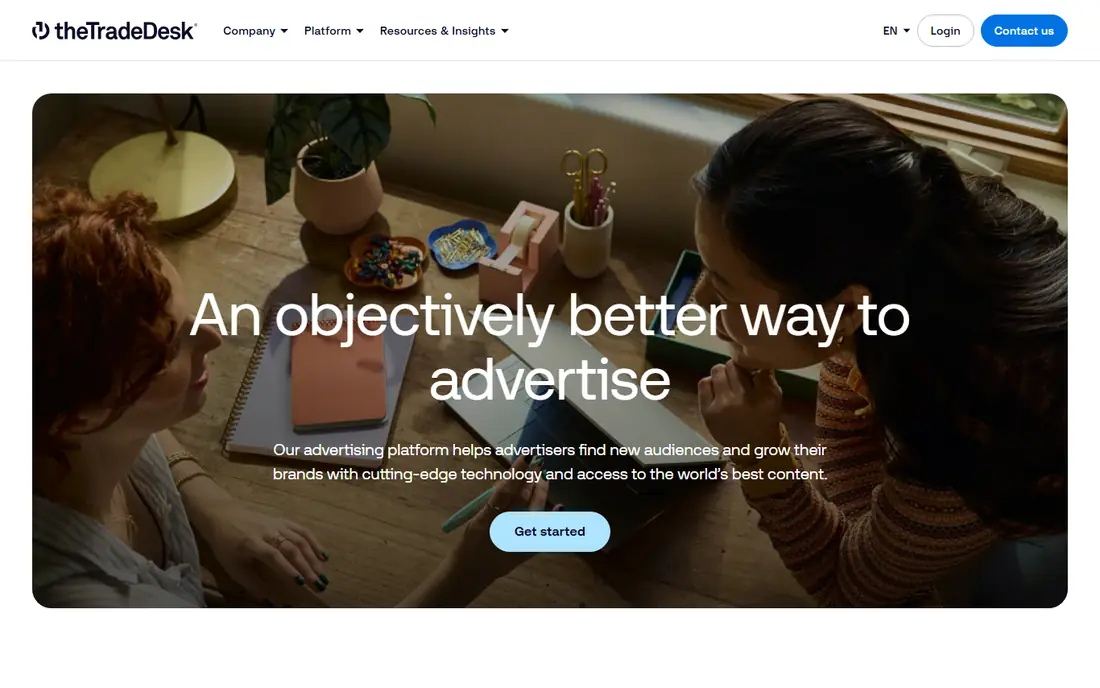
The Trade Desk helps advertisers buy digital ads across channels through one platform. It fits readers looking for programmatic advertising buyers, and it is worth weighing that fit against the other names on this list before you decide. What stood out in our comparison was self-service buying platform, and the wider set of strengths includes broad inventory access. That combination is the main reason it earns a place here, even though no option on this list is right for every reader. The honest catch is platform learning curve for newcomers, and a second point to check is pricing depends on spend and terms. Before you commit, read the official pricing and terms pages, confirm what is included at the price you will actually pay, and check availability and support in your location.
- Self-service buying platform
- Broad inventory access
- Strong analytics tools
- Platform learning curve for newcomers
- Pricing depends on spend and terms
Magnite
Ideal for: publishers selling ad inventory
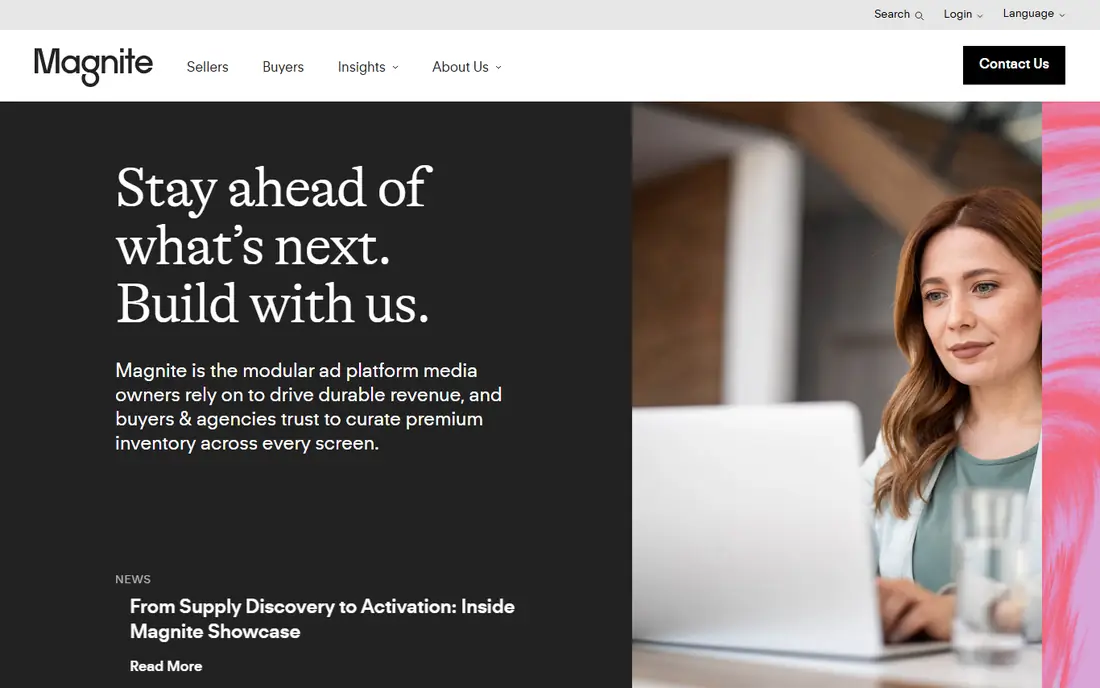
Magnite helps publishers sell video, display and audio inventory to advertisers. It fits readers looking for publishers selling ad inventory, and it is worth weighing that fit against the other names on this list before you decide. What stood out in our comparison was large publisher-focused platform, and the wider set of strengths includes connected TV strength. That combination is the main reason it earns a place here, even though no option on this list is right for every reader. The honest catch is setup can be complex for small publishers, and a second point to check is results depend on inventory quality. Before you commit, read the official pricing and terms pages, confirm what is included at the price you will actually pay, and check availability and support in your location.
- Large publisher-focused platform
- Connected TV strength
- Omnichannel inventory
- Setup can be complex for small publishers
- Results depend on inventory quality
PubMatic
Ideal for: publishers and app developers
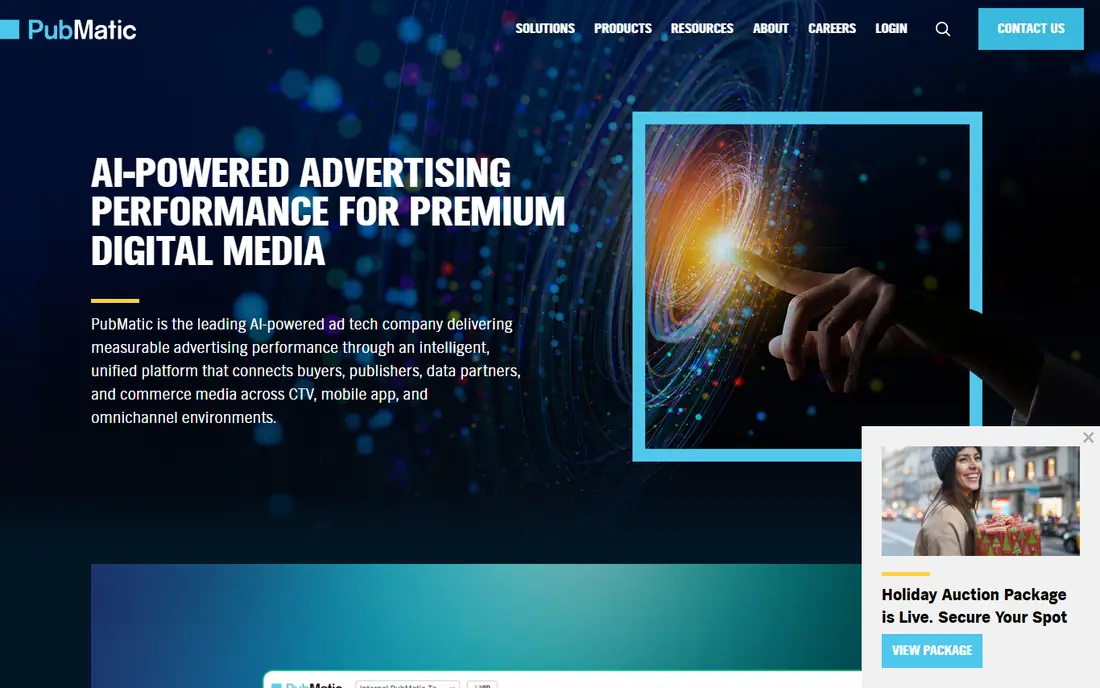
PubMatic focuses on helping publishers earn from advertising while keeping control of inventory. It fits readers looking for publishers and app developers, and it is worth weighing that fit against the other names on this list before you decide. What stood out in our comparison was supply-side platform with header bidding, and the wider set of strengths includes analytics for publishers. That combination is the main reason it earns a place here, even though no option on this list is right for every reader. The honest catch is smaller publishers may need support to get started, and a second point to check is fees vary by arrangement. Before you commit, read the official pricing and terms pages, confirm what is included at the price you will actually pay, and check availability and support in your location.
- Supply-side platform with header bidding
- Analytics for publishers
- Global reach
- Smaller publishers may need support to get started
- Fees vary by arrangement
Criteo
Ideal for: retail and commerce advertising
Criteo works with retailers and brands on commerce media and targeted advertising. It fits readers looking for retail and commerce advertising, and it is worth weighing that fit against the other names on this list before you decide. What stood out in our comparison was commerce data and retargeting tools, and the wider set of strengths includes retailer media options. That combination is the main reason it earns a place here, even though no option on this list is right for every reader. The honest catch is performance depends on data access and privacy rules, and a second point to check is not a fit for every brand. Before you commit, read the official pricing and terms pages, confirm what is included at the price you will actually pay, and check availability and support in your location.
- Commerce data and retargeting tools
- Retailer media options
- Large advertiser base
- Performance depends on data access and privacy rules
- Not a fit for every brand
Taboola
Ideal for: content recommendation advertising
Taboola places recommended content and native ads on publisher sites. It fits readers looking for content recommendation advertising, and it is worth weighing that fit against the other names on this list before you decide. What stood out in our comparison was wide publisher network, and the wider set of strengths includes native ad formats. That combination is the main reason it earns a place here, even though no option on this list is right for every reader. The honest catch is ad quality varies by placement, and a second point to check is brand safety settings need attention. Before you commit, read the official pricing and terms pages, confirm what is included at the price you will actually pay, and check availability and support in your location.
- Wide publisher network
- Native ad formats
- Content discovery reach
- Ad quality varies by placement
- Brand safety settings need attention
Outbrain
Ideal for: native advertising reach
Outbrain helps advertisers reach readers through recommendations on news and content sites. It fits readers looking for native advertising reach, and it is worth weighing that fit against the other names on this list before you decide. What stood out in our comparison was large publisher network, and the wider set of strengths includes native formats. That combination is the main reason it earns a place here, even though no option on this list is right for every reader. The honest catch is click quality varies, and a second point to check is campaign management takes testing. Before you commit, read the official pricing and terms pages, confirm what is included at the price you will actually pay, and check availability and support in your location.
- Large publisher network
- Native formats
- Editorial-style placements
- Click quality varies
- Campaign management takes testing
DoubleVerify
Ideal for: ad verification and brand safety
DoubleVerify checks whether ads are seen, valid and placed in suitable contexts. It fits readers looking for ad verification and brand safety, and it is worth weighing that fit against the other names on this list before you decide. What stood out in our comparison was verification for viewability, fraud and brand safety, and the wider set of strengths includes measurement tools. That combination is the main reason it earns a place here, even though no option on this list is right for every reader. The honest catch is enterprise pricing, and a second point to check is value depends on campaign scale. Before you commit, read the official pricing and terms pages, confirm what is included at the price you will actually pay, and check availability and support in your location.
- Verification for viewability, fraud and brand safety
- Measurement tools
- Broad platform coverage
- Enterprise pricing
- Value depends on campaign scale
Integral Ad Science
Ideal for: media measurement and verification
Integral Ad Science measures media quality and helps buyers avoid unsuitable placements. It fits readers looking for media measurement and verification, and it is worth weighing that fit against the other names on this list before you decide. What stood out in our comparison was measurement across channels, and the wider set of strengths includes brand safety tools. That combination is the main reason it earns a place here, even though no option on this list is right for every reader. The honest catch is pricing is enterprise oriented, and a second point to check is reports need interpretation. Before you commit, read the official pricing and terms pages, confirm what is included at the price you will actually pay, and check availability and support in your location.
- Measurement across channels
- Brand safety tools
- Publisher and advertiser products
- Pricing is enterprise oriented
- Reports need interpretation
How we picked these
We started from the topic itself and looked for options that exist and work in October 2026 and truly fit it. We compared official feature pages, pricing pages, app-store listings where relevant, privacy policies and public reviews, and we left out names that did not fit the topic even if they are well known elsewhere. We also favoured a mix of large names and smaller options, and we noted honest weaknesses alongside strengths. Where we could not verify a price from the vendor, we wrote See website rather than guessing, and we did not claim hands-on testing that did not happen.
How to choose the right option for you
Start with the job you need done, not with the brand name. For best adtech companies, write down the two or three features you will use every week, the budget you can sustain for a year, and the support you expect when something goes wrong. That short list will rule out several options at once and make the rest of the comparison much simpler. Next, check the total cost, not just the headline price. Look for setup fees, per-person charges, add-ons, renewal terms and any limits that could force an upgrade. A low starting price can still be costly if the plan you actually need sits two tiers higher, and a higher price can be good value if it includes support and features you would otherwise buy separately. Then check fit in practice. Read the terms, the privacy policy and recent public reviews, and confirm availability in your location. If you can, try a free plan or trial, ask support a real question, and check how easy it is to leave if the service does not suit you. A short trial often reveals more than a long feature list. Finally, compare two or three finalists side by side on the same criteria, and pick the one that fits your daily work rather than the one with the longest list of extras. The best choice is usually the simplest option that covers your core needs well and leaves room to grow.
Frequently asked questions
What should I look for in best adtech companies?
Start with fit for your budget, location and support needs, then compare official pricing and terms. Look for clear terms, honest limits and recent public reviews, and shortlist two or three options before you decide.
Are the cheapest options for best adtech companies always good value?
Not always. A low price can be good value if it covers your core needs, but check for add-ons, limits and renewal terms. Compare the total yearly cost for the plan you will actually use.
How do I compare best adtech companies fairly?
Use the same checklist for every option, including price, features, support, terms and availability. Read the vendor pricing page rather than relying on review summaries alone, and note where a price could not be verified.
Can I switch later if I pick the wrong option for best adtech companies?
In most cases yes, but switching costs vary. Check contract length, exit terms and how easy it is to move your data or account before you sign up, especially for longer commitments.
Do I need the largest name for best adtech companies?
No. Large names often bring scale and support, but smaller focused options can fit a specific need better and cost less. Pick the option that matches your daily needs, not just the best-known brand.