Pixaera is the first pick on this list for decision-led safety training. Osso VR fits VR healthcare training and assessment; Virti fits AI roleplay and coaching for conversations. Prices, free plans and limits for all 5 tools follow.
Ainotely put together this guide to AI augmented reality training simulator software for readers who want a clear shortlist without reading every vendor page. It compares 5 tools on starting price, free plans, who each one suits and where each one falls short.
Key takeaways
The list opens with Pixaera, aimed at decision-led safety training.
Every tool from Pixaera to Talespin works by quote, with no list price shown.
Pixaera, Talespin and the 3 others all need a premium plan or a trial, since no free plan is listed.
Talespin is the one to check for Immersive learning platform for engagement.
The main caution on Pixaera: niche focus on safety.
In short, Pixaera is for decision-led safety training. The product aims to make lessons stick on site, across every worker and contractor. It is a good fit for organizations prioritizing safety compliance and practical decision-making in high-risk environments.
Public information about its AI and AR capabilities is restricted, so buyers should verify specific features. Worth adding: Pixaera offers safety training built on how people actually learn, using a decision-led approach that puts workers inside the decisions that matter. Pixaera shows no starting price here, so confirm the cost on the vendor site. Free access: Not stated.
In short, Osso VR is for VR healthcare training and assessment. Healthcare organizations seeking to standardize training will find it highly relevant. In daily use, the system is focused exclusively on healthcare, so it is not a good match for other industries.
Limits to weigh: Limited to healthcare.
It needs VR hardware and may involve content development for specific procedures. It is specifically made for medical and nursing education, offering immersive simulations that support skill acquisition and assessment. Osso VR shows no starting price here, so confirm the cost on the vendor site. Free access: Not stated.
Best for: AI roleplay and coaching for conversations
Virti is designed for AI roleplay and coaching for conversations. Virti provides an AI roleplay and coaching system that lets learners practice real conversations with AI virtual humans and receive instant feedback. It is aimed at sales enablement, customer service, leadership, and medical teams.
Worth adding: teams needing AR guidance for equipment or safety should consider other tools in this comparison. For everyday use, organizations looking to scale interpersonal skills training with immediate coaching will find Virti a compelling choice. This comparison lists no price for Virti; ask the vendor. As for free access: Not stated.
Watch-outs: May need customization for industry scenarios.
Best for: Hands-free AI error detection on smart glasses
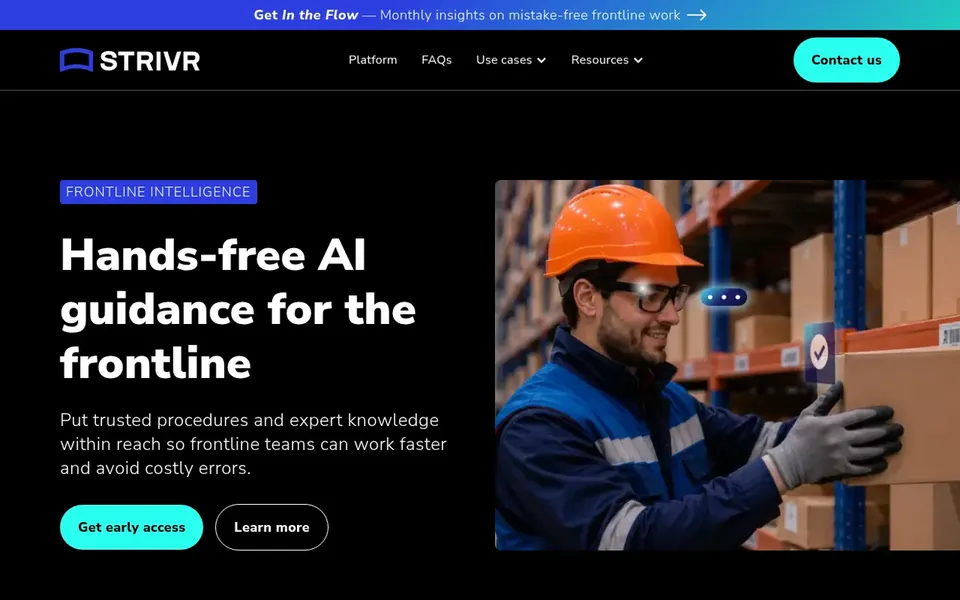
In short, Strivr is for hands-free AI error detection on smart glasses. Strivr is an AI-powered system that gives hands-free error detection, procedural guidance, and QA support through smart glasses. It is meant to enable frontline workers with live assistance and training.
Points against: Focus on frontline industrial tasks.
Its emphasis on error detection and guidance means it is less concentrated on soft skills or role-play training. Worth adding: consider other choices if you need broader immersive learning content without specialized devices. Strivr shows no starting price here, so confirm the cost on the vendor site. As for free access: Not stated.
Best for: Immersive learning system for engagement
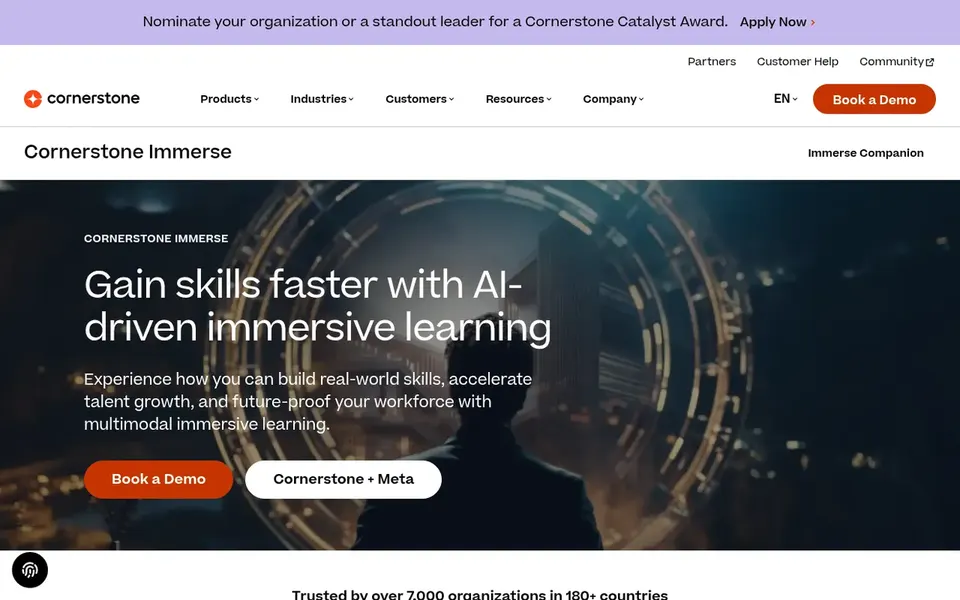
Talespin targets Immersive learning product for engagement. As part of the Cornerstone ecosystem, it plugs into performance management software to align goals with business outcomes. This tool is a solid fit for organizations already using Cornerstone or those looking for engaging, scenario-based immersive training that links to broader talent management processes.
Honest limits: May need Cornerstone integration.
Worth adding: Explore other tools if you need highly specialized AR simulation without an existing system tie-in. Public information about its AI and AR capabilities is less detailed than some competitors, so buyers should confirm specific features straight. Talespin does not show a starting price in this comparison, so check the vendor site for current pricing. Free options: Not stated.
Request quotes from Pixaera, Talespin and the others; the list shows no fixed prices.
Read the limits listed for Pixaera first: niche focus on safety.
Look at the renewal terms for Talespin: auto-renewal, notice periods and price changes can matter more than the first-year price.
Test the integrations you rely on with Virti before committing; some connectors sit on upper tiers.
Run a one or two week pilot of Strivr with the people who will use it every day.
How we picked
Ainotely looked at what each vendor publishes: pricing, plan limits, feature coverage for AI augmented reality training simulator software and stated drawbacks. No hands-on testing is claimed. Where a vendor does not publish a price, the entry says quote. Where a price depends on seats or billing term, the entry says so. Order on the page follows fit for the typical buyer first, then price transparency and free access. Your own requirements should decide the final pick.
Every price and plan detail on this page comes from the vendors’ own websites. We did not run hands-on tests unless the text says so, and we do not publish star ratings or review scores. See how we score and our disclosure.
Keep your shortlist in one place
Paste prices, trial dates and notes from this guide into Ainotely, our AI note app. It files them into a topic and pulls out tasks like “cancel trial by Friday”. Free 7-day trial, no card needed.
Which tool is a good match for hands-on safety training?
For most readers this guide would start with Pixaera, built for decision-led safety training. Osso VR is the alternative for VR healthcare training and assessment, and Virti for AI roleplay and coaching for conversations. The right answer depends on budget and workflow.
Is Pixaera the right pick for everyone comparing AI augmented reality training simulator software?
No single tool suits every team. Pixaera comes first because it fits decision-led safety training, while Osso VR suits VR healthcare training and assessment and Virti suits AI roleplay and coaching for conversations. Match the tool to your own size, budget and workflow before deciding.
Do these tools publish their prices?
No. None of the tools, from Pixaera to Talespin, shows a fixed starting price here, so budget time for quotes.
Can I try these options before paying?
Not by default. None of the tools, from Pixaera to Talespin, lists a free plan or a free trial here, so ask each vendor for a demo before committing.
Does any tool for AI augmented reality training simulator software here have a free plan?
No tool in this list, Pixaera and Talespin included, has a permanent free plan. Trials and quotes are the usual route, so plan a short evaluation period.