This list puts Stripe Radar first for AI fraud detection within Stripe. Sift is better for live payment fraud and account abuse, and Signifyd is better for end-to-end commerce decisioning with a guarantee. All 5 tools are compared below on price, free plan and limits.
If you are comparing AI E-Commerce fraud protection software, this page covers 5 tools in one place: what each is best for, what it costs to start, whether it has a free plan, and the main limit to know about.
Key takeaways
The list opens with Stripe Radar, aimed at AI fraud detection within Stripe.
Stripe Radar, Adyen RevenueProtect and the 3 others all sell by quote; expect sales conversations before you see a price.
Adyen RevenueProtect fits fraud controls inside the Adyen platform.
Riskified comes with a trade-off: chargeback focus may not include every abuse case.
Stripe Radar serves AI fraud detection within Stripe. It suits teams already on Stripe that want fraud screening close to their payment data, along with merchants that want a recognizable fraud layer without adding a separate product.
The main drawbacks: Rule tuning still required.
Pricing for Stripe Radar is not stated here, so ask the vendor for current figures. As for free access: Not stated.
In short, Sift is for live payment fraud and account abuse. Sift provides a fraud prevention system for digital businesses, stopping payment fraud, account takeover and fake accounts in live with AI agents and global data.
From a buyer's view, live decisioning relies on feeding the product the right signals, so onboarding and tuning take effort. This comparison lists no price for Sift; ask the vendor. Free plan details: Not stated.
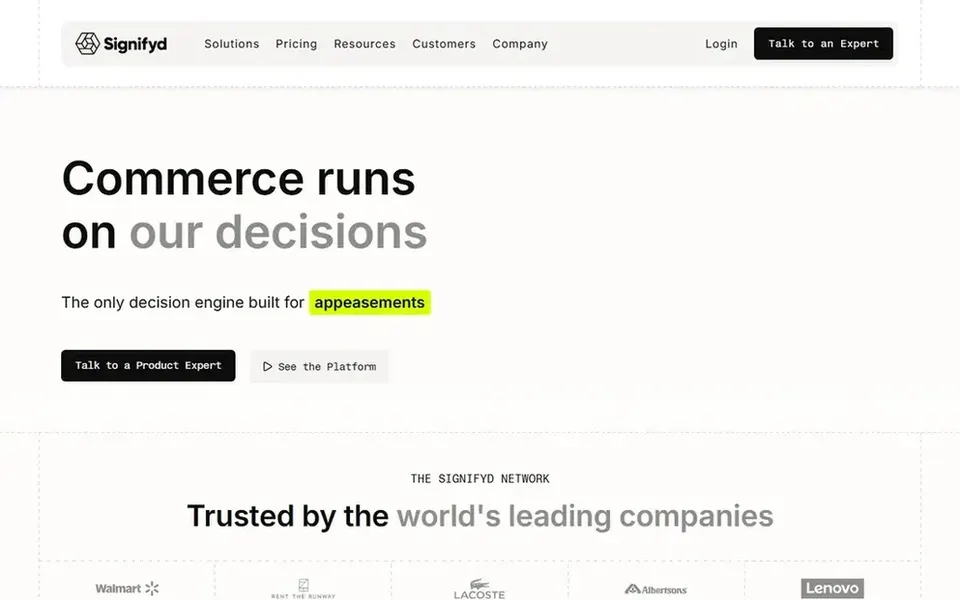
Best for: End-to-end commerce decisioning with a guarantee
Where Signifyd fits: end-to-end commerce decisioning with a guarantee. The guarantee is central to the offer, so teams should read its conditions and confirm how it interacts with their payment stack.
Limits to weigh: May overlap with existing payment tools.
Worth adding: merchants that only need checkout fraud screening, or that want a tool embedded in their existing payment system, may find a narrower choice sufficient. Check the vendor site for Signifyd pricing; none is listed in this comparison. On free options: Not stated.
Best for: Chargeback fraud protection across the journey
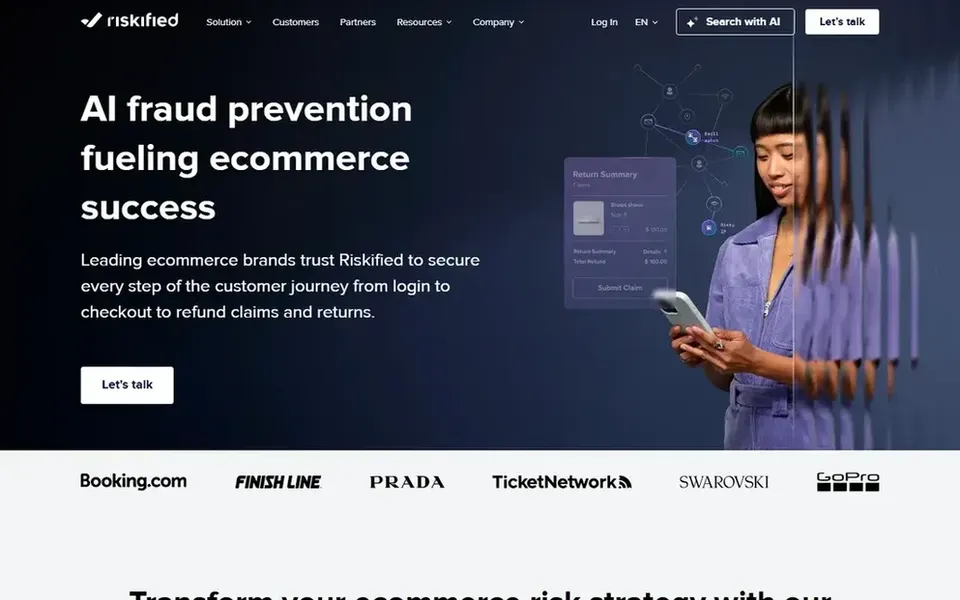
In short, Riskified is for chargeback fraud protection across the journey. Riskified describes itself as fraud prevention and chargeback fraud protection for e-commerce brands, securing every step from login to checkout to refund claims and returns.
Since the emphasis is chargeback protection, teams with broader abuse concerns like promo misuse or account farming should confirm coverage during evaluation. Check the vendor site for Riskified pricing; none is listed in this comparison. On free options: Not stated.
The main drawbacks: Integration effort varies by platform.
Choose Adyen RevenueProtect for fraud controls inside the Adyen product. It fits merchants that already process payments with Adyen and want fraud controls alongside their payment data instead of a separate vendor.
Points against: Tied to the Adyen system.
On top of that, since the value relies on using the Adyen system, firms with multi-processor setups may find it less adaptable. Adyen RevenueProtect does not show a starting price in this comparison, so check the vendor site for current pricing. Trial and free access: Not stated.
Request quotes from Stripe Radar, Adyen RevenueProtect and the others; the list shows no fixed prices.
Before choosing Stripe Radar, weigh its main limit: best value inside Stripe.
Check the support hours and onboarding help Signifyd offers; smaller vendors vary a lot here.
Make sure Stripe Radar lets you export your data in a format another tool can read.
Add up seats, add-ons and usage charges for Sift before comparing it with cheaper entries.
How we picked
For each of the 5 tools we noted price, free plan or trial, fit for AI E-Commerce fraud protection software and the main limit, using vendor pages and documentation. Prices and plan limits come from vendor pages and can change, so confirm them on the vendor site before you buy. The sequence is a judgement call: typical use case first, then pricing transparency, then free access. Use the profiles to check fit.
Every price and plan detail on this page comes from the vendors’ own websites. We did not run hands-on tests unless the text says so, and we do not publish star ratings or review scores. See how we score and our disclosure.
Keep your shortlist in one place
Paste prices, trial dates and notes from this guide into Ainotely, our AI note app. It files them into a topic and pulls out tasks like “cancel trial by Friday”. Free 7-day trial, no card needed.
How are the tools for AI E-Commerce fraud protection software ordered?
The order follows typical fit for AI E-Commerce fraud protection software, with Stripe Radar first and Adyen RevenueProtect last, then price clarity and free access. It is editorial judgement, not a score, so another team could rank the tools differently.
Can I try these options before paying?
Not by default. None of the tools, from Stripe Radar to Adyen RevenueProtect, lists a free plan or a free trial here, so ask each vendor for a demo before committing.
What should I ask vendors during evaluation?
Ask which customer journey stages are covered, how integration works with your stack, how chargebacks and returns are handled, and what data privacy terms apply. Also confirm support and onboarding commitments.
Do these tools publish their prices?
No. None of the tools, from Stripe Radar to Adyen RevenueProtect, shows a fixed starting price here, so budget time for quotes.
Is Stripe Radar the right pick for everyone comparing AI E-Commerce fraud protection software?
No single tool suits every team. Stripe Radar comes first because it fits AI fraud detection within Stripe, while Sift suits real-time payment fraud and account abuse and Signifyd suits end-to-end commerce decisioning with a guarantee. Match the tool to your own size, budget and workflow before deciding.
How do these tools cut friction for decent customers?
They use AI models and shared data signals to approve trusted customers rapidly whereas sending only higher-risk orders to extra checks. Worth adding: the goal is fewer unnecessary challenges without opening the door to fraud.