If you need IBM Cloud-integrated IoT insights, IBM Watson IoT Platform is the first tool to look at here. PTC ThingWorx is better for industrial IoT application development, and Oracle IoT Cloud is better for Oracle Cloud-integrated IoT analytics. The remaining 3 options are covered below with prices and limits.
This Ainotely guide covers 6 AI IoT analytics platforms. Each profile lists a starting price, free plan details, strengths and drawbacks, so you can drop poor fits quickly.
Key takeaways
IBM Watson IoT Platform takes the first slot, best suited to IBM Cloud-integrated IoT insights.
Pricing across the list, from IBM Watson IoT Platform to Google Cloud IoT, is by quote only.
A fair warning about IBM Watson IoT Platform: tied to IBM Cloud ecosystem.
Only AWS IoT Core offers a free plan among these 6 tools.
Google Cloud IoT is the one to check for IoT architecture on Google Cloud.
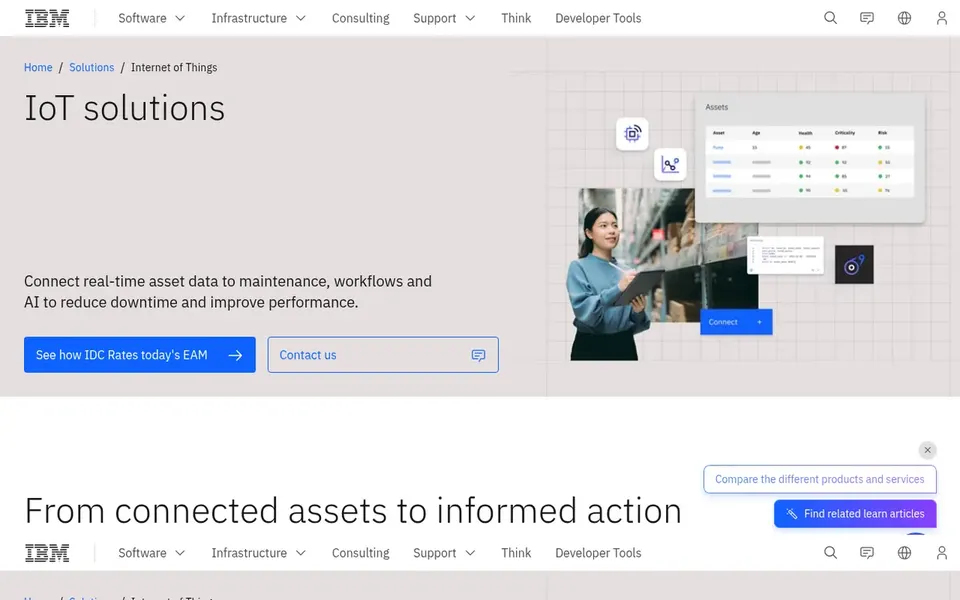
For IBM Cloud-integrated IoT insights, IBM Watson IoT Platform is a natural candidate. IBM Watson IoT Platform brings together IoT data and IBM Cloud to help firms extract valuable insights, boost operations, and enable innovative business models. It is aimed at organizations that want to analyze device data within the IBM Cloud environment and apply AI capabilities from IBM.
The product is closely integrated with IBM Cloud, so teams using other cloud providers may face integration challenges. It may also need specific IBM Cloud configuration and expertise. Consider other systems if you need a cloud-agnostic option or simpler setup. IBM Watson IoT Platform shows no starting price here, so confirm the cost on the vendor site. Trial and free access: Not stated.
Think of PTC ThingWorx for industrial IoT application development. It is widely known for helping manufacturers and industrial businesses build IoT options. It contains capabilities for device connectivity, data modeling, and application development.
In practice, ThingWorx is tailored to industrial use cases, so organizations outside manufacturing may find it less aligned with their needs. It can need specialized development skills and may be complicated to set up. Consider other systems if you need a more straightforward or more general-purpose IoT analytics option. No starting price is listed for PTC ThingWorx here; confirm pricing on the vendor site. Free access: Not stated.
Trade-offs to know: Industrial-specific complexity.
Oracle IoT Cloud makes the most sense for Oracle Cloud-integrated IoT analytics. The product is closely tied to Oracle Cloud, so teams using other cloud providers may find it less adaptable.
Watch-outs: May need Oracle Cloud knowledge.
Pricing for Oracle IoT Cloud is not stated here, so ask the vendor for current figures. Trial and free access: Not stated.
Pick SAS IoT Analytics if this describes you: full life cycle IoT analytics. SAS IoT Analytics gives full life cycle insights with data visualization, machine learning, and streaming analytics at the edge or in the data center. Consider other products if you need an all-in-one IoT option.
Points against: Analytics-focused, not connectivity.
The system is analytics-centric and may not offer device connectivity or management features. So you might have to pair it with an IoT gateway or product. It also assumes familiarity with SAS tools and may need specialized skills. SAS IoT Analytics shows no starting price here, so confirm the cost on the vendor site. Free plan details: Not stated.
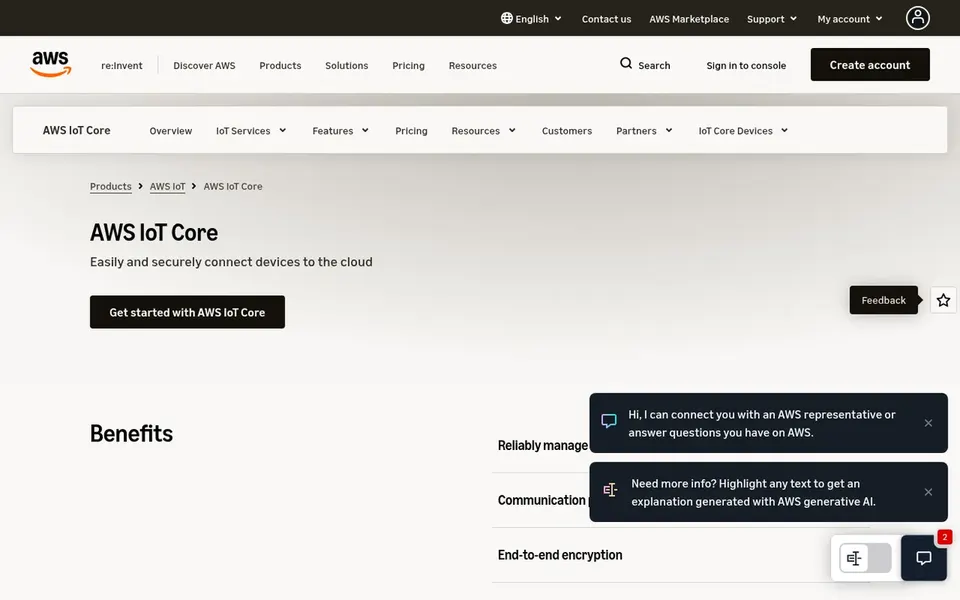
AWS IoT Core is built with secure device connectivity within AWS in mind. AWS IoT Core is a managed cloud service that makes it possible for secure two-way communication between internet-connected devices and AWS services. It offers a device gateway and device SDK capabilities, making it a fit for organizations already using AWS that require to link devices and route data to cloud analytics.
The system is tightly coupled with AWS, so teams using other cloud providers may find integration less straightforward. It concentrates on connectivity and device management instead of out-of-the-box advanced analytics, so you may need extra AWS services for full AI analytics. Consider alternatives if you need a standalone analytics suite. This comparison lists no price for AWS IoT Core; ask the vendor. AWS IoT Core includes a free tier.
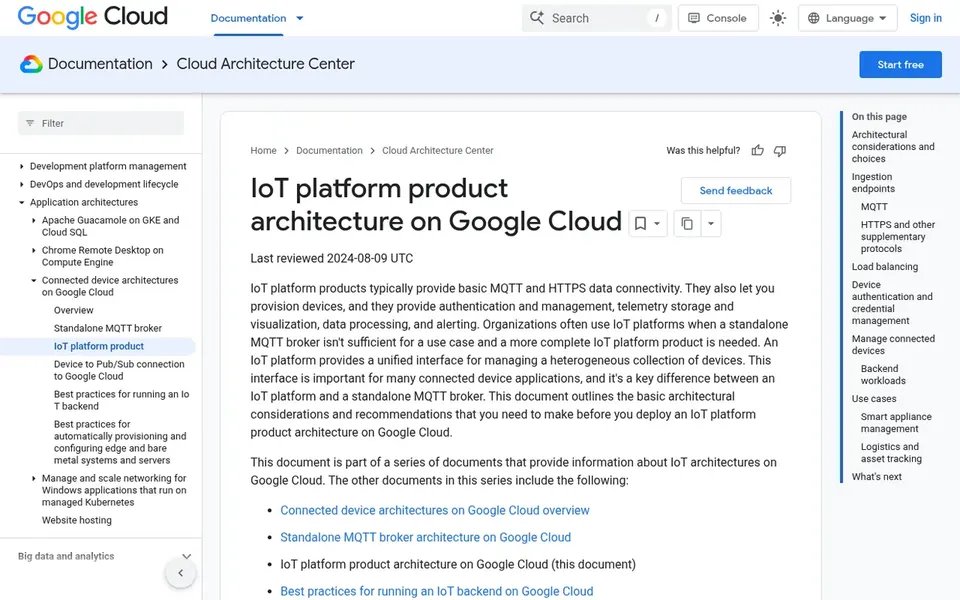
Google Cloud IoT serves IoT architecture on Google Cloud. Google Cloud IoT refers to options and architectural guidance for deploying IoT system products on Google Cloud.
Trade-offs to know: May need Google Cloud expertise.
It assumes familiarity with Google Cloud services. As for the details, if you prefer a turnkey IoT analytics system, other choices may be more suitable. No starting price is listed for Google Cloud IoT here; confirm pricing on the vendor site. As for free access: Not stated.
Confirm the entry price with every vendor: no tool from IBM Watson IoT Platform to Google Cloud IoT shows a fixed starting price.
Look at the free plan from AWS IoT Core closely: its caps decide whether it is usable for real work.
Before choosing IBM Watson IoT Platform, weigh its main limit: tied to IBM Cloud ecosystem.
Let daily users try IBM Watson IoT Platform on real work; their feedback beats any feature checklist.
Confirm you can export your data from AWS IoT Core, so leaving later does not mean losing records.
How we picked
Ainotely used vendor pricing pages and product documentation as the base, then compared plans, free access and documented limits for 6 tools. Plan names, prices and limits change often. Treat the figures here as a starting point and verify them with the vendor. Position on the page reflects fit for a typical buyer first, with price clarity and free access breaking ties. Treat it as a guide, not a ruling. Keep it in mind while reading the 6 AI IoT analytics platforms profiles on this page.
Every price and plan detail on this page comes from the vendors’ own websites. We did not run hands-on tests unless the text says so, and we do not publish star ratings or review scores. See how we score and our disclosure.
Keep your shortlist in one place
Paste prices, trial dates and notes from this guide into Ainotely, our AI note app. It files them into a topic and pulls out tasks like “cancel trial by Friday”. Free 7-day trial, no card needed.
Can I use these platforms with my existing cloud provider?
Some systems like AWS IoT Core and Google Cloud IoT are tied to their respective clouds, whereas others may offer more adaptability.
Do these tools publish their prices?
No. None of the tools, from IBM Watson IoT Platform to Google Cloud IoT, shows a fixed starting price here, so budget time for quotes.
How do I choose between connectivity-focused and analytics-focused products?
If you have to link and handle devices, prioritize systems with solid connectivity features. If you already have connectivity and need advanced analytics, focus on analytics-centric systems like SAS IoT Analytics.
Which options for AI IoT analytics platforms have a free plan?
AWS IoT Core is the only tool in this list with a free plan. Free plans usually cap users, projects or features, so check the limits on the vendor page. Pricing, free plan details and limits for all 6 tools in this AI IoT analytics platforms roundup sit on the individual cards above.
Is IBM Watson IoT Platform the right pick for everyone comparing AI IoT analytics platforms?
No single tool suits every team. IBM Watson IoT Platform comes first because it fits IBM Cloud-integrated IoT insights, while PTC ThingWorx suits industrial IoT application development and Oracle IoT Cloud suits Oracle Cloud-integrated IoT analytics. Match the tool to your own size, budget and workflow before deciding.
How are the tools for AI IoT analytics platforms ordered?
IBM Watson IoT Platform sits first and Google Cloud IoT last because the order follows typical fit for AI IoT analytics platforms, then price clarity and free access. It is a judgement call, so read each profile for fit and limits.