If you need B2B intent data and digital audiences, Bombora is the first tool to look at here. Terminus fits buyer intelligence without system complexity; ZoomInfo fits all-in-one GTM data and sales AI. Details, prices and limits for the rest of the 6 tools are below.
Ainotely compared 6 tools for AI marketing account intelligence software. The goal is a practical shortlist: published prices, free plan facts, best-fit use cases and honest limits for every entry.
Key takeaways
Top of the list is Bombora, which targets B2B intent data and digital audiences.
None of the 6 tools, from Bombora to Intentsify, has a free plan, so budget for a subscription or use a trial.
Bombora, Intentsify and the 4 others all sell by quote; expect sales conversations before you see a price.
For multi-signal intent activation, Intentsify is worth a look.
The main caution on Bombora: centred on data instead of full activation.
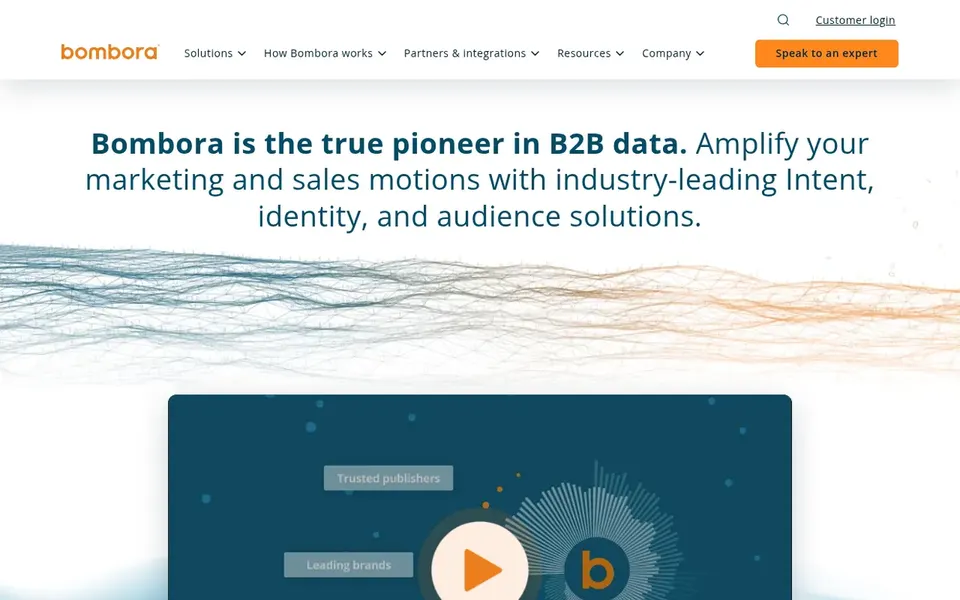
For B2B intent data and digital audiences, Bombora is a natural candidate. Bombora describes itself as a B2B data provider for intent, audience, and identity.
Downsides: Centred on data instead of full activation.
Its homepage positions the company as a leader in B2B intent, identity, and digital audience options built for enterprise brands and their agencies. No starting price is listed for Bombora here; confirm pricing on the vendor site. As for free access: Not stated.
Best for: Buyer intelligence without system complexity
In short, Terminus is for buyer intelligence without platform complexity. Its homepage says it helps teams identify winnable accounts and activate them across channels without legacy ABM system complexity.
Worth adding: since the offering is positioned around buyer intelligence and activation, teams needing deep advertising automation or a large data marketplace may need extra tools. Beyond that, confirm current product boundaries straight with the vendor, since branding and packaging evolve. Terminus does not show a starting price in this comparison, so check the vendor site for current pricing. On free options: Not stated.
Choose ZoomInfo for all-in-one GTM data and sales AI. Consider a specialist provider if you only need intent signals or account-based advertising.
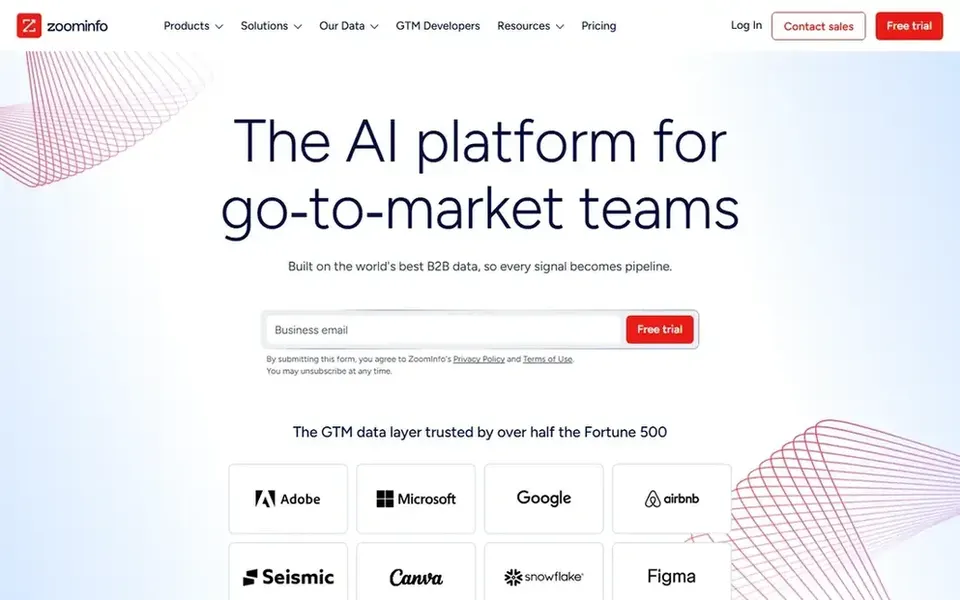
As for the details, budget and setup effort can scale with the number of modules you adopt. Its homepage flags all-in-one lead generation, prospecting, market intelligence, and ABM software. Check the vendor site for ZoomInfo pricing; none is listed in this comparison. Free access: Free trial.
Honest limits: Wide scope may be more than small teams need.
Leadspace is designed for live GTM data intelligence. Leadspace describes a GTM Data Intelligence Cloud built to replace static data with live intelligence. Its homepage flags unifying profiles, activating signals, and keeping routing, scoring, and targeting accurate.
Also, Leadspace centers on data intelligence instead of advertising or demand generation execution, so campaign tools remain separate. Pick it when data quality and live signal activation are the primary problems to solve. Leadspace does not show a starting price in this comparison, so check the vendor site for current pricing. On free options: Not stated.
Trade-offs to know: Data-centric instead of campaign execution.
RollWorks targets account-based advertising and targeting. RollWorks, presented under AdRoll ABM, concentrates on account-based marketing and advertising.
More specifically, the system leans toward advertising execution, so intent data and deep account analytics may come from other sources. More specifically, teams without a steady stream of supplies and creative may not get full value. This comparison lists no price for RollWorks; ask the vendor. Free access: Not stated.
Points against: Advertising-centric instead of full data suite.
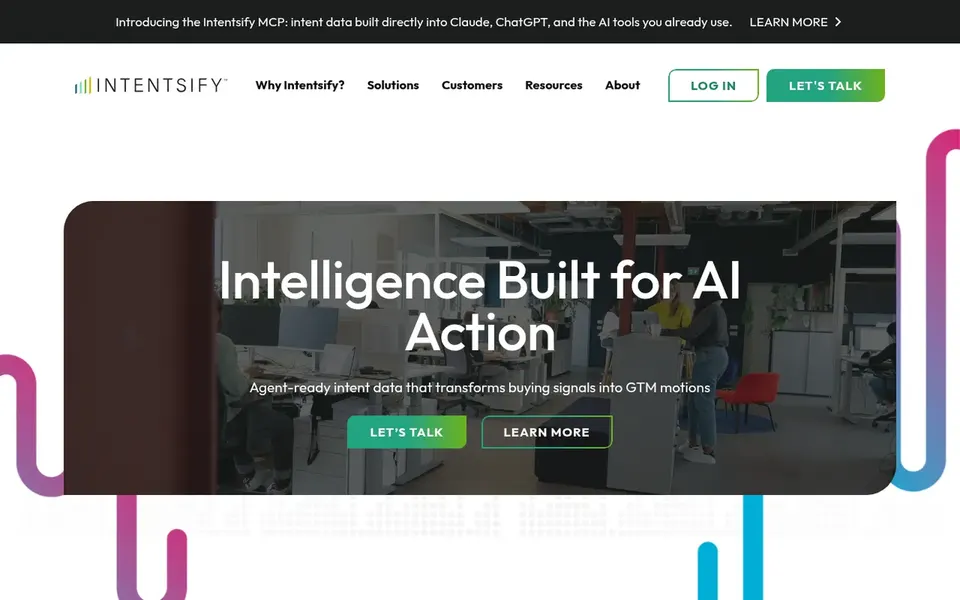
Intentsify makes the most sense for multi-signal intent activation. It fits demand generation and ABM teams that already have content and channels in place and need better signal to prioritize accounts.
Where it falls short: Value relies on data coverage in your market.
The product centers on intent and activation, so CRM, advertising, and content execution may still live elsewhere. No starting price is listed for Intentsify here; confirm pricing on the vendor site. Free access: Not stated.
Ask each vendor, from Bombora to Intentsify, for a written quote; none of them publishes a starting price.
Run a trial of ZoomInfo with real work before paying for a year; your own workflow is the best test.
Before choosing Bombora, weigh its main limit: centred on data instead of full activation.
Ask Terminus whether prices are locked for the first term and what happens at renewal.
Find out whether the entry plan of ZoomInfo covers your must-haves or only a trimmed-down version.
How we picked
Pricing pages, product documentation and feature lists were the main sources, and every entry carries at least one honest drawback. Where a vendor does not publish a price, the entry says quote. Where a price depends on seats or billing term, the entry says so. We ordered the tools by general fit, then by how clearly pricing is shown, then by free access. A buyer with unusual needs may reorder them.
Every price and plan detail on this page comes from the vendors’ own websites. We did not run hands-on tests unless the text says so, and we do not publish star ratings or review scores. See how we score and our disclosure.
Keep your shortlist in one place
Paste prices, trial dates and notes from this guide into Ainotely, our AI note app. It files them into a topic and pulls out tasks like “cancel trial by Friday”. Free 7-day trial, no card needed.
Is Bombora the right pick for everyone comparing AI marketing account intelligence software?
No single tool suits every team. Bombora comes first because it fits B2B intent data and digital audiences, while Terminus suits buyer intelligence without platform complexity and ZoomInfo suits all-in-one GTM data and sales AI. Match the tool to your own size, budget and workflow before deciding.
How are the tools for AI marketing account intelligence software ordered?
Bombora sits first and Intentsify last because the order follows typical fit for AI marketing account intelligence software, then price clarity and free access. It is a judgement call, so read each profile for fit and limits.
What does AI account intelligence software do for marketing?
It helps marketing teams identify in-market accounts, prioritize buying groups, and route signals into campaigns or sales follow-up. The right fit relies on whether you need data, activation, or both.
Do these tools publish their prices?
No. None of the tools, from Bombora to Intentsify, shows a fixed starting price here, so budget time for quotes.
Can I try these options before paying?
Often, yes. ZoomInfo offers a free trial. Use your own data and a real task during the test, and check what the free tier or trial limits before you rely on it. For the full picture, the cards above cover all 6 entries of this AI marketing account intelligence software list, including price, free plan and limits.