For activity and go-to-market data capture, People.ai is where this list starts. Microsoft Copilot for Sales is better for Microsoft 365-centric revenue teams, and HubSpot Breeze is better for HubSpot users building AI agents. Details, prices and limits for the rest of the 6 tools are below.
This Ainotely guide covers 6 AI platforms for revenue operations. Each profile lists a starting price, free plan details, strengths and drawbacks, so you can drop poor fits quickly.
Key takeaways
People.ai takes the first slot, best suited to activity and go-to-market data capture.
Check the limits for Microsoft Copilot for Sales before you commit: needs Microsoft ecosystem buy-in.
None of the 6 tools, from People.ai to Salesforce Einstein, has a free plan, so budget for a subscription or use a trial.
Pricing across the list, from People.ai to Salesforce Einstein, is by quote only.
People.ai is designed for activity and go-to-market data capture. Teams with limited activity volume or a preference for completely CRM-native tooling may get adequate results from their existing vendor instead.
Also, results rely on integration coverage and how consistently the system connects to your communication and CRM systems, which takes setup effort. Worth adding: people.ai is a revenue intelligence system that centres on capturing and organizing go-to-market activity data to support sales execution and reporting. People.ai shows no starting price here, so confirm the cost on the vendor site. Trial and free access: Not stated.
What to check first: Value depends on data coverage.
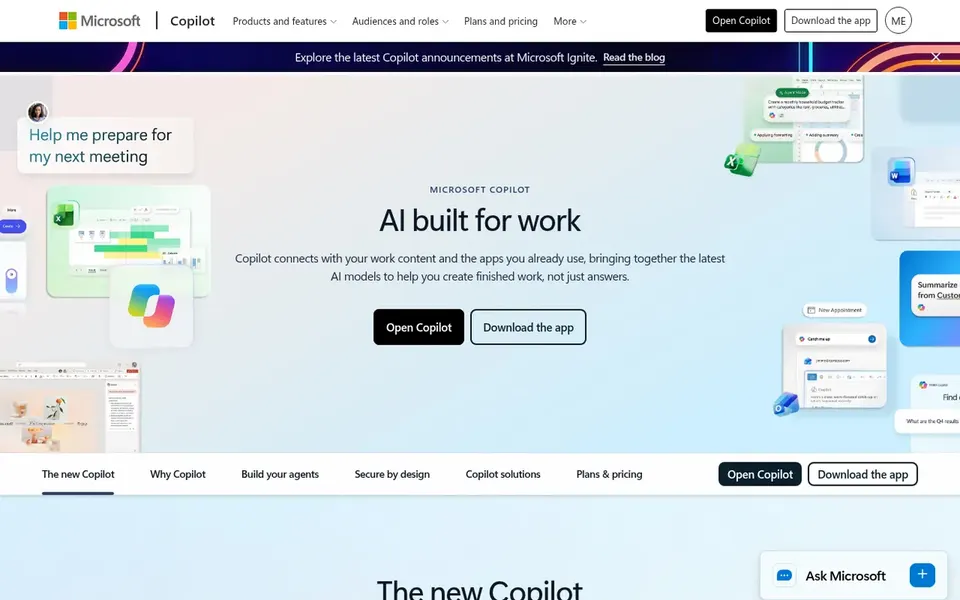
Pick Microsoft Copilot for Sales if this describes you: Microsoft 365-centric revenue teams. It fits organizations standardized on Microsoft 365 that want AI assistance embedded in daily productivity and sales workflows instead of a separate destination.
Its strengths track the Microsoft ecosystem, so teams working largely outside Microsoft apps will see less benefit, and sales-specific depth relies on how it is configured with your CRM. No starting price is listed for Microsoft Copilot for Sales here; confirm pricing on the vendor site. On free options: Not stated.
Drawbacks to consider: Needs Microsoft ecosystem buy-in.
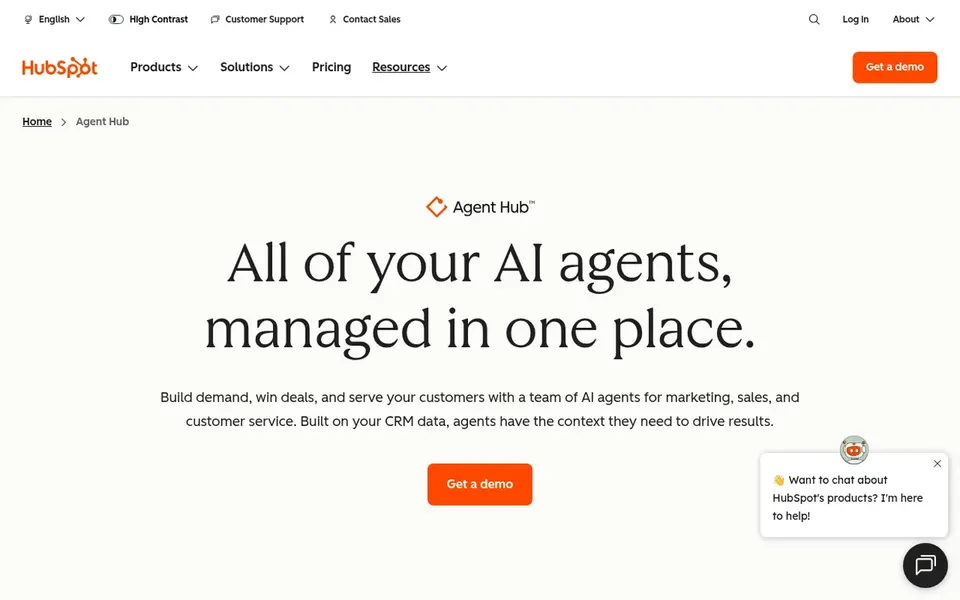
Think of HubSpot Breeze for HubSpot users building AI agents. HubSpot Breeze is HubSpot's artificial intelligence offering, framed around running, building and managing AI agents within the HubSpot platform.
Where it is weaker: Best value inside HubSpot.
Because Breeze is built around HubSpot, its appeal narrows if your revenue stack sits elsewhere, and agent outcomes rely on how well your records are maintained. Worth adding: revenue operations teams seeking a tightly integrated agent layer on top of their CRM data will find it a natural starting point. This comparison lists no price for HubSpot Breeze; ask the vendor. As for free access: Not stated.
ZoomInfo Copilot targets go-to-market data plus AI assistance. Its value is closely tied to the ZoomInfo data relationship.
Points against: Requires workflow adjustment.
So teams not using that data source should weigh whether the fit justifies the change. ZoomInfo Copilot does not show a starting price in this comparison, so check the vendor site for current pricing. As for free access: Free trial.
Clari was built for forecasting and pipeline inspection. On top of that, teams that treat forecast accuracy and pipeline hygiene as priorities will find the positioning relevant.
Worth adding: predictive output is only as decent as the pipeline data feeding it, so discipline in CRM usage matters, and organizations with straightforward sales motions may not need the added layer. In daily use, if your central gap is agent automation instead of forecasting, a CRM-native AI choice may be the better starting point. Clari shows no starting price here, so confirm the cost on the vendor site. On free options: Not stated.
Trade-offs to know: Forecast value relies on discipline.
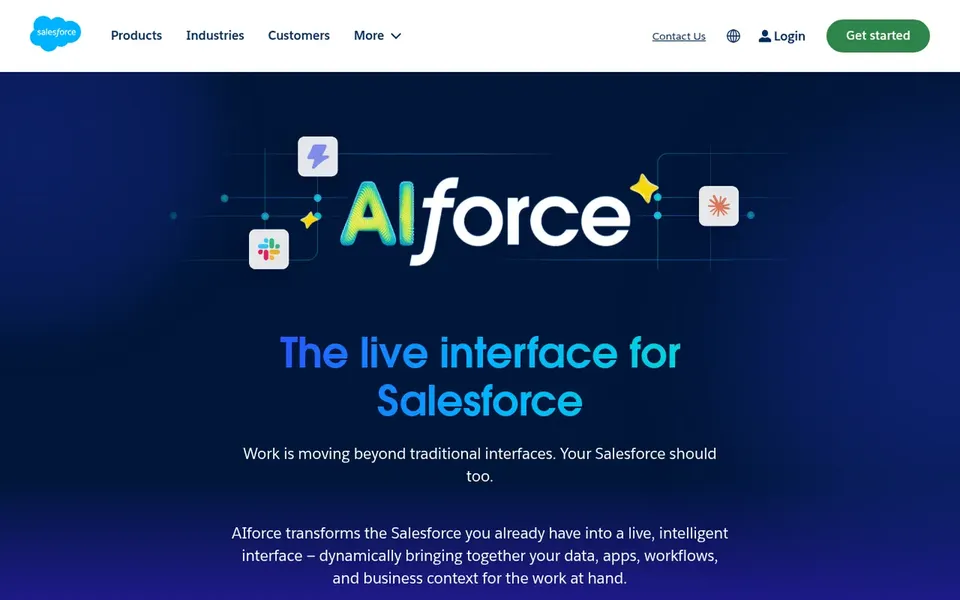
Salesforce Einstein serves teams standardized on Salesforce data. Salesforce Einstein is the AI layer built around Salesforce's system, positioned to use trusted Salesforce data and agents wherever teams already work, including Slack and other connected tools.
Also, teams looking for a single vendor to tie CRM data to AI-driven workflows will find the fit most solid here. Also, the central limit is dependency: the value scales with how much of your revenue data and process lives in Salesforce, and clean data matters. No starting price is listed for Salesforce Einstein here; confirm pricing on the vendor site. As for free access: Free trial.
Ask each vendor, from People.ai to Salesforce Einstein, for a written quote; none of them publishes a starting price.
Use real work to test the free trial from ZoomInfo Copilot and Salesforce Einstein, rather than a demo project.
Read the limits listed for People.ai first: requires integration effort.
Ask HubSpot Breeze whether prices are locked for the first term and what happens at renewal.
Involve the people who will use Clari daily; a short pilot beats a long feature checklist.
How we picked
The comparison looks at four things: starting price, free access, how well the feature set matches AI platforms for revenue operations, and the main limit of each tool. Prices and plan limits come from vendor pages and can change, so confirm them on the vendor site before you buy. Tools are placed by general fit for AI platforms for revenue operations, with price clarity and free access as tie-breakers. A different team can reasonably rank them differently.
Every price and plan detail on this page comes from the vendors’ own websites. We did not run hands-on tests unless the text says so, and we do not publish star ratings or review scores. See how we score and our disclosure.
Keep your shortlist in one place
Paste prices, trial dates and notes from this guide into Ainotely, our AI note app. It files them into a topic and pulls out tasks like “cancel trial by Friday”. Free 7-day trial, no card needed.
Often, yes. ZoomInfo Copilot and Salesforce Einstein offer a free trial. Use your own data and a real task during the test, and check what the free tier or trial limits before you rely on it. Pricing, free plan details and limits for all 6 tools in this AI platforms for revenue operations roundup sit on the individual cards above.
Can these systems work alongside each other?
Commonly yes, since plenty of link to the same CRM and data sources, but overlapping features can build duplication and cost. Map which system owns which workflow before adding more than one to your stack.
What should revenue operations teams look for in an AI system?
Start with data fit: the product should link cleanly to your CRM and activity sources, since AI output relies on that data. Then confirm the workflows covered, like forecasting, pipeline inspection or agent automation, match your priorities.
How do forecasting tools like Clari differ from agent-building tools?
Forecasting tools focus on predicting outcomes and turning buyer signals into action for revenue leaders. Agent-building tools focus on automating tasks and workflows. Plenty of teams eventually need both, but prioritizing one area first keeps evaluation manageable.
Do these tools publish their prices?
No. None of the tools, from People.ai to Salesforce Einstein, shows a fixed starting price here, so budget time for quotes.
Is People.ai the right pick for everyone comparing AI platforms for revenue operations?
No single tool suits every team. People.ai comes first because it fits activity and go-to-market data capture, while Microsoft Copilot for Sales suits Microsoft 365-centric revenue teams and HubSpot Breeze suits HubSpot users building AI agents. Match the tool to your own size, budget and workflow before deciding.