If you need Runtime security for generative AI apps, Lakera Guard is the first tool to look at here. Alternatives: CalypsoAI Platform for guardrails for generative AI deployments, and Microsoft Azure AI Content Safety for moderating text and image content. Details, prices and limits for the rest of the 6 tools are below.
This Ainotely guide covers 6 AI safety tools for enterprises. Each profile lists a starting price, free plan details, strengths and drawbacks, so you can drop poor fits quickly.
Key takeaways
This list starts with Lakera Guard, which is built for Runtime security for generative AI apps.
Google Cloud Model Armor suits protecting AI workloads on Google Cloud.
Lakera Guard, Google Cloud Model Armor and the 4 others all need a premium plan or a trial, since no free plan is listed.
No starting price is shown for any of the 6 tools, Lakera Guard and Google Cloud Model Armor included, so plan time for sales calls.
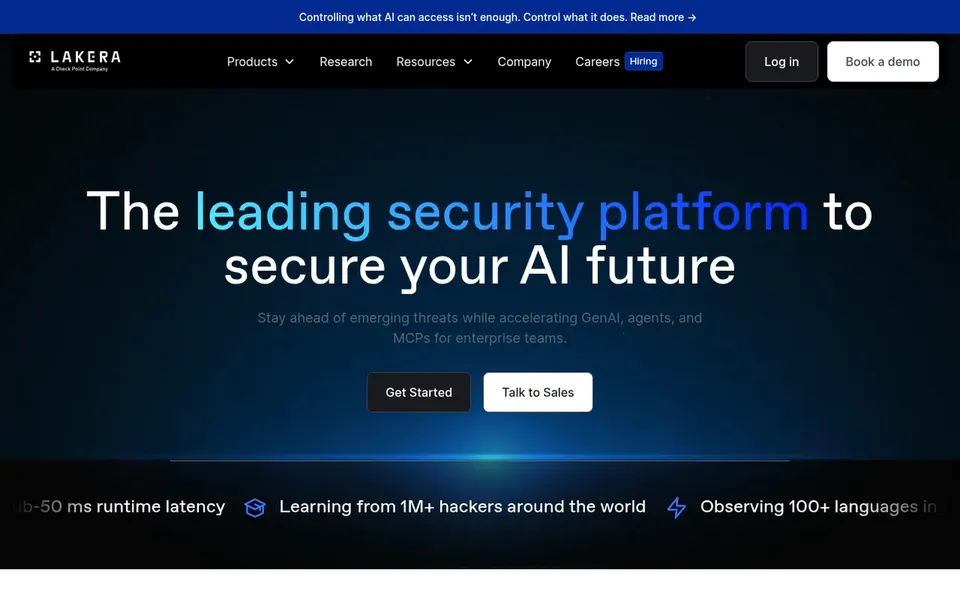
Lakera Guard is aimed squarely at Runtime security for generative AI apps. Lakera Guard is part of an AI-native security product positioned to help organizations accelerate generative AI initiatives.
Trade-offs to know: Claims should be validated against your workloads.
It suits security and product teams deploying customer-facing or internal GenAI features that require runtime protection. Pricing for Lakera Guard is not stated here, so ask the vendor for current figures. Free plan details: Not stated.
Best for: Guardrails for generative AI deployments
In short, CalypsoAI Platform is for guardrails for generative AI deployments. The CalypsoAI Platform is now presented as AI guardrails for protecting generative AI applications from emerging threats and supporting safe, compliant deployments across the cloud. Worth adding: security architects standardizing guardrails across cloud environments are the natural buyers.
Also, enterprises with audit obligations will likely add a governance tool. Guardrails address application-level risk but not model scanning or policy documentation. Check the vendor site for CalypsoAI Platform pricing; none is listed in this comparison. Free access: Not stated.
Watch-outs: Product naming has changed under new ownership.
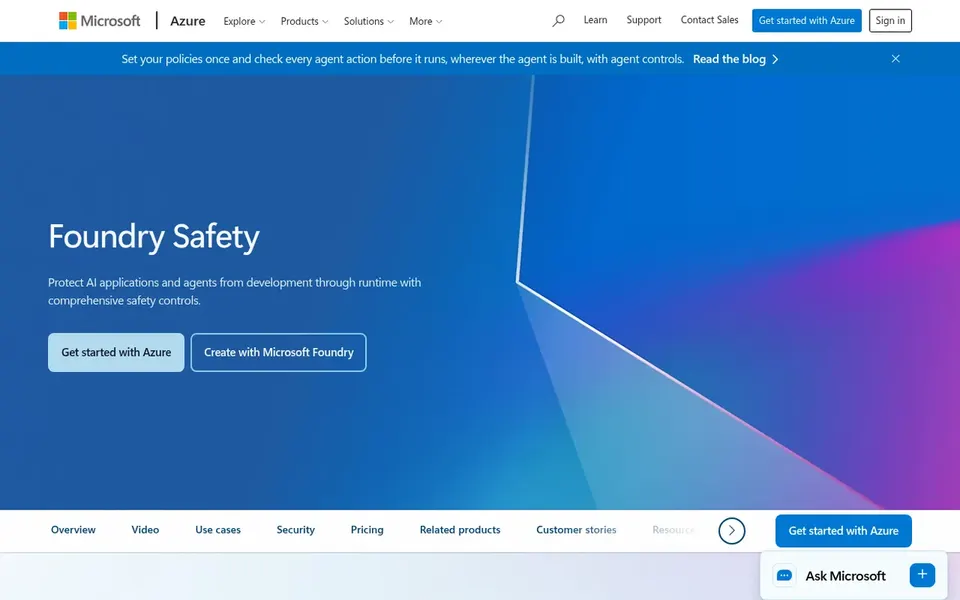
Microsoft Azure AI Content Safety serves moderating text and image content. It applies AI-based filtering so applications can screen user inputs and generated outputs before they reach audiences. From a buyer's view, the scope is content safety.
Limits to weigh: Concentrated on content moderation instead of full AI governance.
So teams needing model scanning, runtime prompt protection or formal governance workflows will likely pair it with other tools. Choose it when moderation of text and images is the core requirement. Check the vendor site for Microsoft Azure AI Content Safety pricing; none is listed in this comparison. On free options: Free trial.
Credo AI Governance Platform targets AI governance and compliance oversight. Organizations facing regulatory expectations are the clearest fit.
Limits to weigh: Value relies on policy maturity.
For everyday use, Credo AI Governance Platform is positioned around operationalizing trusted AI governance: discovering AI use, enforcing policies, proving compliance and managing risk across models, agents and applications. In daily use, teams without defined AI policies will have to establish them first. Credo AI Governance Platform does not show a starting price in this comparison, so check the vendor site for current pricing. Trial and free access: Not stated.
Protect AI Guardian is aimed squarely at Securing AI apps, agents and models. Protect AI Guardian is presented as part of a thorough AI security system to discover, assess, protect and govern AI apps, agents and models.
Organizations that require one place to see AI assets and their risk posture are the intended audience. In practice, handling discovery through governance means deployment takes planning and cross-team coordination. Check the vendor site for Protect AI Guardian pricing; none is listed in this comparison. Free options: Not stated.
Where Protect AI Guardian stands out: Discovery and assessment of AI assets.
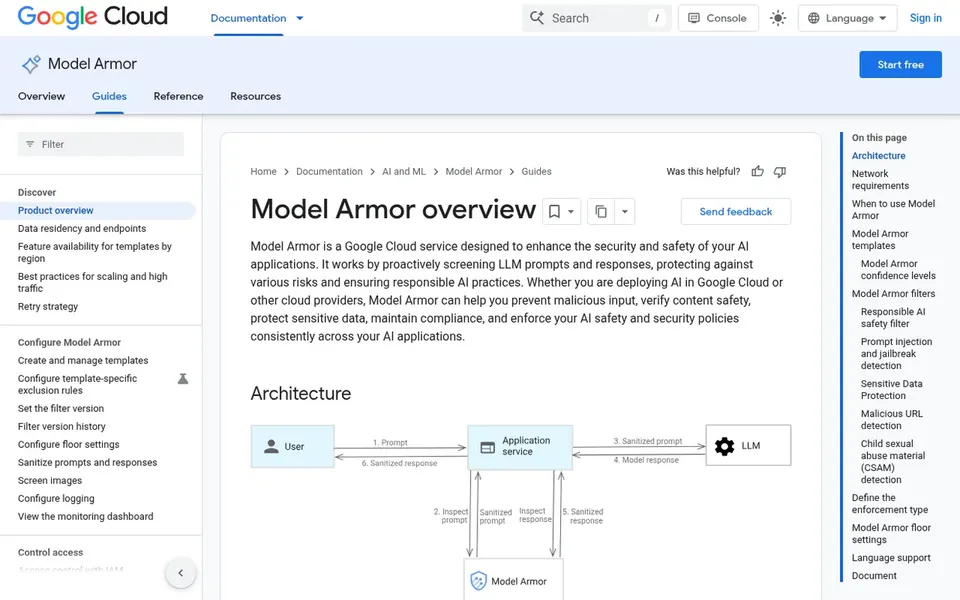
Google Cloud Model Armor makes the most sense for protecting AI workloads on Google Cloud. Google Cloud Model Armor is presented through Google Cloud documentation as a way to protect AI workloads within its security tooling. In daily use, since the public material is an overview document, buyers should confirm exact capabilities and coverage on the vendor site.
Where it is weaker: Most natural fit for Google Cloud environments.
It is less suited to multi-cloud estates that want one neutral control plane. Worth adding: consider it when Google Cloud is your primary AI product. No starting price is listed for Google Cloud Model Armor here; confirm pricing on the vendor site. Free access: Not stated.
Ask each vendor, from Lakera Guard to Google Cloud Model Armor, for a written quote; none of them publishes a starting price.
Use real work to test the free trial from Microsoft Azure AI Content Safety, rather than a demo project.
Before choosing Lakera Guard, weigh its main limit: guardrails alone do not handle full governance.
Read the plan comparison for Microsoft Azure AI Content Safety carefully; key features often start on a higher tier.
List the apps you already depend on and check that Google Cloud Model Armor supports each one on the plan you would buy.
How we picked
Ainotely looked at what each vendor publishes: pricing, plan limits, feature coverage for AI safety tools for enterprises and stated drawbacks. No hands-on testing is claimed. Seat minimums, billing terms and add-ons can move the real cost, so the starting prices here are a guide and not a quote. Tools are placed by general fit for AI safety tools for enterprises, with price clarity and free access as tie-breakers. A different team can reasonably rank them differently.
Every price and plan detail on this page comes from the vendors’ own websites. We did not run hands-on tests unless the text says so, and we do not publish star ratings or review scores. See how we score and our disclosure.
Keep your shortlist in one place
Paste prices, trial dates and notes from this guide into Ainotely, our AI note app. It files them into a topic and pulls out tasks like “cancel trial by Friday”. Free 7-day trial, no card needed.
What is the difference between AI guardrails and AI governance?
Guardrails sit in front of live AI applications and block or filter risky inputs and outputs at runtime. Governance systems focus on inventory, policy enforcement and compliance evidence across the organization. Most enterprises need both layers working together.
Can cloud-native moderation handle all AI safety needs?
Cloud-native services like Microsoft Azure AI Content Safety and Google Cloud Model Armor include important moderation and workload protection needs within their ecosystems. They usually do not replace governance reporting or model supply chain security. Numerous enterprises combine them with specialist tools.
How should we evaluate these tools before buying?
Start by mapping where AI runs in your organization and which risks matter most, then match tools to those gaps. Request documentation and run a restricted pilot against your own workloads.
Do these tools publish their prices?
No. None of the tools, from Lakera Guard to Google Cloud Model Armor, shows a fixed starting price here, so budget time for quotes.
Does any tool for AI safety tools for enterprises here have a free plan?
No tool in this list, Lakera Guard and Google Cloud Model Armor included, has a permanent free plan. Microsoft Azure AI Content Safety offer a trial. Trials and quotes are the usual route, so plan a short evaluation period.
How are the tools for AI safety tools for enterprises ordered?
The order follows typical fit for AI safety tools for enterprises, with Lakera Guard first and Google Cloud Model Armor last, then price clarity and free access. It is editorial judgement, not a score, so another team could rank the tools differently.