For playbook-driven incident response acceleration, IBM Security QRadar SOAR is where this list starts. Torq is better for agentic AI for SOC triage and response, and Tines is better for secure automation and AI agent workflows. The remaining 2 options are covered below with prices and limits.
If you are comparing AI security Orchestration, Automation, and response software, this page covers 5 tools in one place: what each is best for, what it costs to start, whether it has a free plan, and the main limit to know about.
Key takeaways
This list starts with IBM Security QRadar SOAR, which is built for playbook-driven incident response acceleration.
Microsoft Sentinel fits cloud-native SOCs in the Microsoft ecosystem.
Pricing across the list, from IBM Security QRadar SOAR to Microsoft Sentinel, is by quote only.
The main caution on Tines: less of a traditional SIEM-first system.
Best for: Playbook-driven incident response acceleration
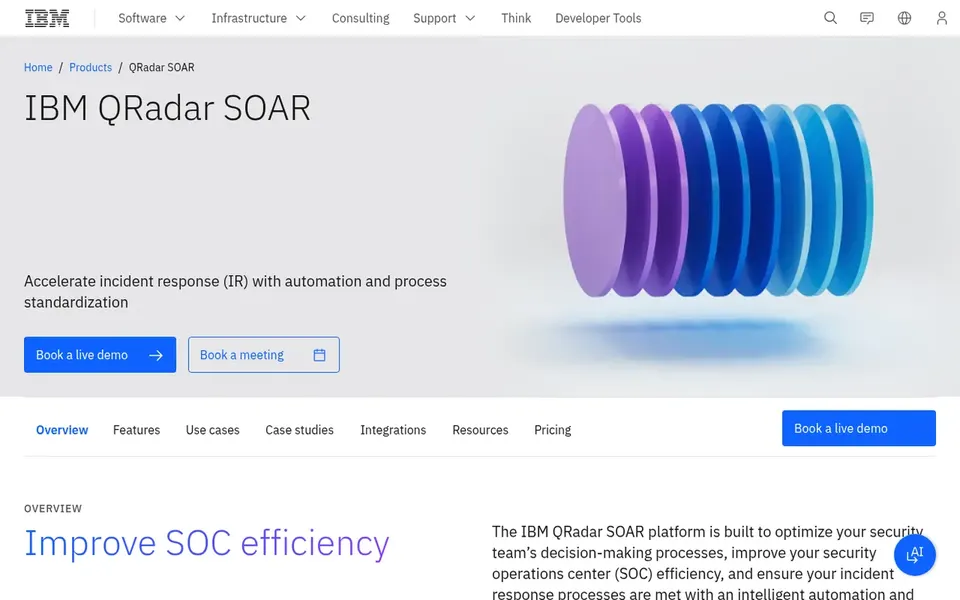
IBM Security QRadar SOAR is a good fit for playbook-driven incident response acceleration. Smaller teams without dedicated automation owners may find the model demanding.
Drawbacks to consider: Playbook design takes planning and upkeep.
IBM Security QRadar SOAR is security orchestration, automation, and response software built around dynamic playbooks that help security teams accelerate incident response. If you need a more straightforward automation layer, a more focused product may be simpler to adopt. This comparison lists no price for IBM Security QRadar SOAR; ask the vendor. Trial and free access: Not stated.
Torq is a good fit for agentic AI for SOC triage and response. Organizations modernizing SOC operations around agents are the target.
For everyday use, agentic automation calls for clear governance and human oversight, so teams should plan review processes before relying on it. Pricing for Torq is not stated here, so ask the vendor for current figures. Trial and free access: Not stated.
Where it is weaker: Best value for teams ready to adopt AI-driven workflows.
Best for: Secure automation and AI agent workflows
Tines is a good fit for secure automation and AI agent workflows. Security teams use it to build and run automatic workflows that link tools and agents.
Limits to weigh: Less of a traditional SIEM-first product.
Also, since it emphasizes an adaptable automation environment, it is less of a packaged SIEM-first product, so detection duties may sit elsewhere. This comparison lists no price for Tines; ask the vendor. As for free access: Not stated.
Best for: Unified incident response and threat intel automation
Palo Alto Networks Cortex XSOAR is a good fit for unified incident response and threat intel automation. It is positioned to help security operations centers work more efficiently and shorten remediation time.
The main drawbacks: Best value for bigger, mature security teams.
The product is wide, so smaller teams may find the scope of configuration heavier than they need. Check the vendor site for Palo Alto Networks Cortex XSOAR pricing; none is listed in this comparison. Free access: Not stated.
Best for: Cloud-native SOCs in the Microsoft ecosystem
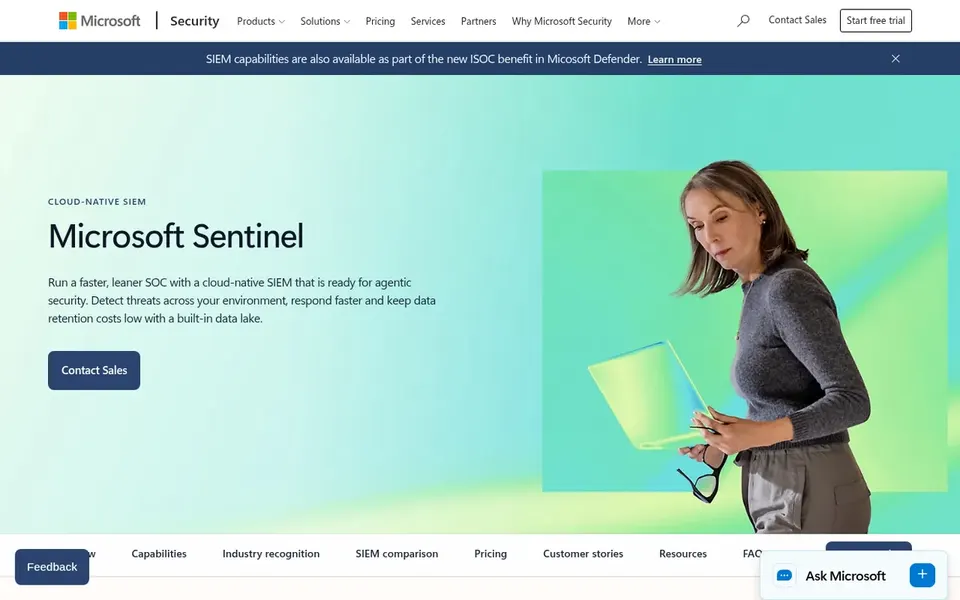
Pick Microsoft Sentinel if this describes you: cloud-native SOCs in the Microsoft ecosystem. Its strengths are most apparent inside the Microsoft ecosystem, so heavily multi-vendor shops may need additional integration effort.
Downsides: Most natural fit for Microsoft-centric environments.
It is also a SIEM-first product, so teams wanting pure orchestration across numerous external tools may look at dedicated SOAR products instead. Microsoft Sentinel does not show a starting price in this comparison, so check the vendor site for current pricing. Free access: Not stated.
Ask each vendor, from IBM Security QRadar SOAR to Microsoft Sentinel, for a written quote; none of them publishes a starting price.
Read the limits listed for IBM Security QRadar SOAR first: playbook design takes planning and upkeep.
Run a one or two week pilot of Palo Alto Networks Cortex XSOAR with the people who will use it every day.
Before rolling out Microsoft Sentinel, verify the integrations your workflow depends on.
Find out whether the entry plan of Tines covers your must-haves or only a trimmed-down version.
How we picked
Each tool was reviewed on what its vendor publishes: price, plan limits, core features and stated drawbacks. We did not run hands-on tests. Figures are shown as the vendors publish them. Billing terms, seat minimums and add-ons can change the real cost. Order on the page follows fit for the typical buyer first, then price transparency and free access. Your own requirements should decide the final pick. This applies to all 5 AI security orchestration, automation, and response software options compared here.
Every price and plan detail on this page comes from the vendors’ own websites. We did not run hands-on tests unless the text says so, and we do not publish star ratings or review scores. See how we score and our disclosure.
Keep your shortlist in one place
Paste prices, trial dates and notes from this guide into Ainotely, our AI note app. It files them into a topic and pulls out tasks like “cancel trial by Friday”. Free 7-day trial, no card needed.
AI features in SOAR systems generally assist with alert triage, investigation, and suggested response actions, while automation executes the workflows. Some products now use agentic AI to perform multi-step investigation tasks. Human oversight remains important for high-impact actions.
Does any tool for AI security Orchestration, Automation, and response software here have a free plan?
A permanent free plan is not offered by IBM Security QRadar SOAR, Microsoft Sentinel or the other tools here. Plan a short evaluation period instead.
Can I try these options before paying?
Not by default. None of the tools, from IBM Security QRadar SOAR to Microsoft Sentinel, lists a free plan or a free trial here, so ask each vendor for a demo before committing.
How are the tools for AI security Orchestration, Automation, and response software ordered?
IBM Security QRadar SOAR sits first and Microsoft Sentinel last because the order follows typical fit for AI security Orchestration, Automation, and response software, then price clarity and free access. It is a judgement call, so read each profile for fit and limits.
Do these tools publish their prices?
No. None of the tools, from IBM Security QRadar SOAR to Microsoft Sentinel, shows a fixed starting price here, so budget time for quotes.