7 Best AI Tools for Competitor Analysis Alternatives for 2026

- 1
 BuzzSumoCompetitor content and media coverageVisit
- 2
 VisualpingWebsite change alertsVisit
- 3
 SimilarwebTraffic and market benchmarkingVisit
- 4
 Brand24Competitor mentions and sentimentVisit
- 5
 AhrefsInbound link and keyword gap researchVisit
- Top of the list is BuzzSumo, which targets competitor content and media coverage.
- 2 of 7 tools offer a free plan: Visualping, Similarweb.
- SpyFu is the one to check for premium search history on a budget.
- Similarweb comes with a trade-off: pricing is quote-based for fuller access.
Direct answer
BuzzSumo is the first pick on this list for competitor content and media coverage. For a different need, Visualping covers website change alerts and Similarweb covers traffic and market benchmarking. Prices, free plans and limits for all 7 tools follow.
Quick comparison
| Product | Ideal for | Price from | Free version | |
|---|---|---|---|---|
| BuzzSumo | Competitor content and media coverage | $199 per month | Free trial | Visit |
| Visualping | Website change alerts | $10 a month | Yes | Visit |
| Similarweb | Traffic and market benchmarking | See website | Yes | Visit |
| Brand24 | Competitor mentions and sentiment | $199 a month | Free trial | Visit |
| Ahrefs | Inbound link and keyword gap research | $129 a month | No | Visit |
 Semrush | Wide SEO, premium, and AI visibility research | $139 a month | Free trial | Visit |
 SpyFu | Premium search history on a budget | $39 per month | No | Visit |
AI Tools for Competitor Analysis, one by one
Ainotely put together this guide to AI Tools for Competitor Analysis for readers who want a clear shortlist without reading every vendor page. It compares 7 tools on starting price, free plans, who each one suits and where each one falls short.
BuzzSumo
Ideal for: Competitor content and media coverage
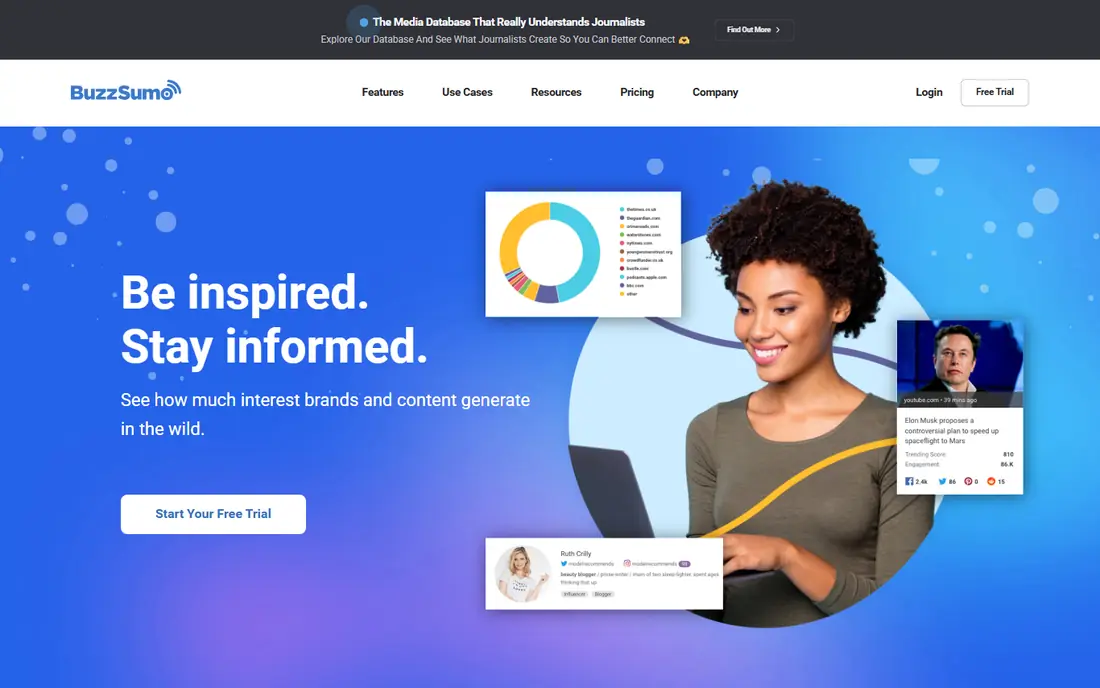
BuzzSumo is a good fit for competitor content and media coverage. The price is the primary barrier for smaller teams, and engagement figures should be read as directional, since platform coverage changes over time.
It also does not replace a traffic or keyword tool. That helps editors plan topics, spot formats worth copying in their own voice, and find journalists who already include the space. Starting cost for BuzzSumo: $199 per month. Free plan details: Free trial.
What to check first: Entry price is high for casual use.
- Finds top-performing competitor content by engagement
- Trend alerts by topic
- Social engagement data varies by system
Visualping
Ideal for: Website change alerts
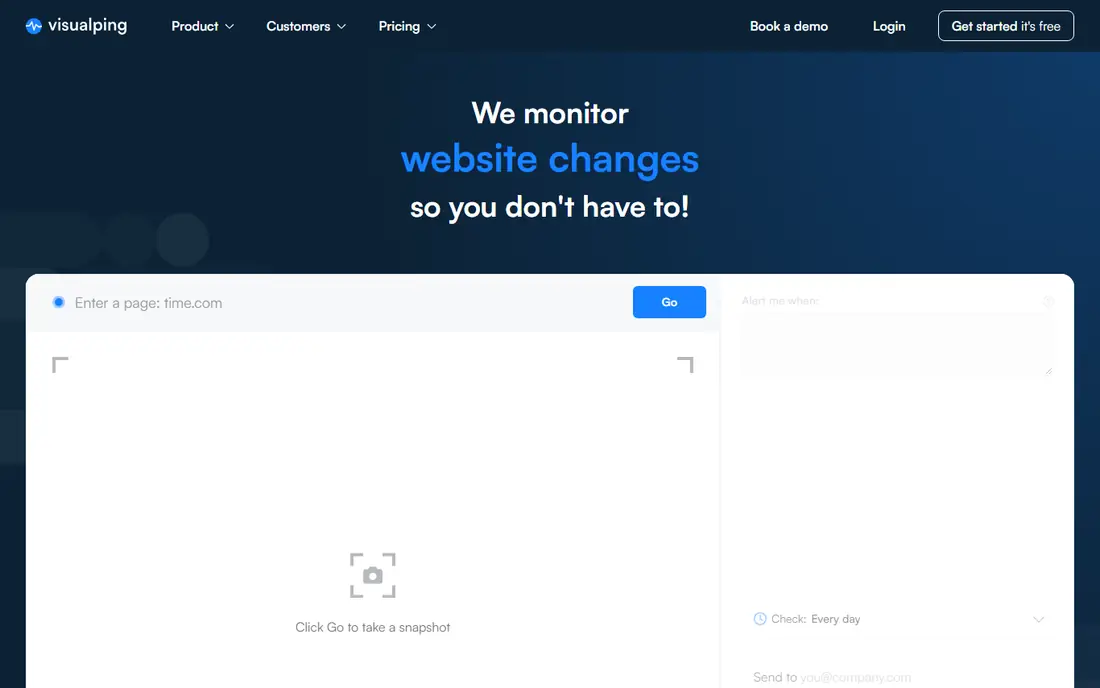
Visualping is designed for website change alerts. You pick competitor pages, like pricing, features, or careers pages, and get an alert with a highlighted screenshot when something changes. Treat it as a tripwire, not a research suite.
AI summaries help you tell a minor edit from a pricing or positioning shift without opening every alert. On top of that, for a small team, that is commonly enough to stay current without a large system or a weekly manual check. Starting cost for Visualping: $10 per month. A free plan is available with Visualping.
Where it falls short: or sales enablement features.
- Straightforward page monitoring with before-and-after comparisons
- AI summaries flag important changes
- Narrow scope compared to full CI suites
Similarweb
Ideal for: Traffic and market benchmarking
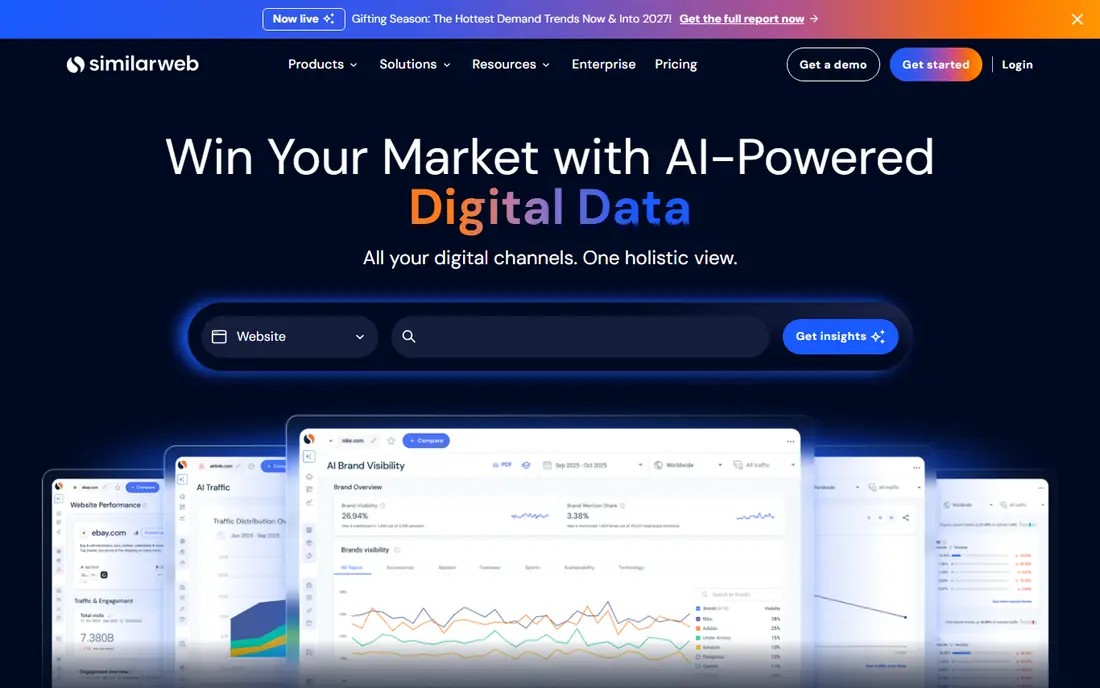
Similarweb is built with traffic and market benchmarking in mind. Similarweb answers a different question from Semrush and Ahrefs: how big is a competitor in the market, and where does its audience come from.
As for the details, traffic numbers are modeled estimates. So they work best for comparison and trend-spotting rather than exact counts, particularly for smaller sites. No starting price is listed for Similarweb here; confirm pricing on the vendor site. Similarweb includes a free tier.
Honest limits: Pricing is quote-based for fuller access.
What Similarweb does well: Estimated traffic, channels.
- App and web coverage in one place
- Audience data at market level
- Estimates are less precise for small sites
Brand24
Ideal for: Competitor mentions and sentiment
Pick Brand24 if this describes you: competitor mentions and sentiment. The limit is volume. Plans cap mentions and keywords, so a brand in a noisy category may hit limits sooner than expected.
Honest limits: Mention volume limits shape what bigger brands can track.
Also, Brand24 suits teams that want to hear what customers say about rivals, not just what rivals publish. It tracks mentions across social products, news, blogs, videos, forums, and reviews, then groups them by sentiment and topic. On top of that, use it when reputation and customer voice drive decisions, and pair it with a search tool when you also need keyword and traffic data. Starting cost for Brand24: $199 per month. Free access: Free trial.
- Broad mention coverage across social, news, blogs, forums
- AI sentiment and topic summaries
- Higher entry price for small teams
Ahrefs
Ideal for: Inbound link and keyword gap research
Ahrefs serves inbound link and keyword gap research. Its Site Explorer and Content Gap reports make it simple to see where a rival wins and where your own site is thin. On top of that, buy it when search performance drives your pipeline, and pair it with a monitoring tool if you also need pricing or messaging alerts.
On top of that, recent AI features add brand tracking across chatbots, which extends the same workflow into AI search. There is no free level for full competitor research, and traffic figures are estimates, not exact analytics. It also includes social and premium activity less completely than some rivals. What you pay to start with Ahrefs: $129 per month. Ahrefs has no free tier.
Drawbacks to consider: Higher plans are needed for bigger teams and API use.
- AI assistant for plain-language questions
- No free plan for full research
Semrush
Ideal for: Wide SEO, premium, and AI visibility research
Semrush was built for wide SEO, premium, and AI visibility research. You can compare domains side by side, find keyword gaps, review premium ads, and audit your own site without switching products. The newer AI visibility reports add prompt-level tracking, which matters now that buyers commonly meet a brand first in an AI answer instead of on a results page.
That breadth is the reason plenty of agencies standardize on it, even when they only use part of the suite each week. The main limit is cost and complexity. Price to start with Semrush: $139 per month. Free plan details: Free trial.
Watch-outs: Price rises rapidly with additional seats and extras.
- Capable reporting for agencies
- AI visibility tracking for prompts and citations
- The size of the toolkit can slow down new users
SpyFu
Ideal for: Premium search history on a budget
SpyFu targets premium search history on a budget. Its long ad history helps you see which campaigns a competitor kept running, which is a fair signal of what worked for them. The newer site audit and AI features help, but they do not close that gap.
Drawbacks to consider: Less depth on inbound links and market data.
inbound link depth, traffic modeling, and social monitoring are thinner than in Semrush or Similarweb. From a buyer's view, for a small team or a freelancer, that focus keeps the monthly bill low. It is not a full market intelligence suite. On cost, SpyFu starts like this: $39 per month. SpyFu has no free plan.
- Low entry price
- Long history of competitor keywords and ads
- Interface feels dated next to bigger suites
How we built this list
Each tool was reviewed on what its vendor publishes: price, plan limits, core features and stated drawbacks. We did not run hands-on tests. Where a price is missing, the vendor does not list one publicly or ties it to a quote. Always confirm before budgeting. The order reflects how well each tool fits the most common buying scenario for AI Tools for Competitor Analysis, then price clarity, then free plan access. It is a starting point, not a verdict.
A buyer's checklist
- Confirm the entry price on the vendor page. For Similarweb that means a quote rather than a fixed price.
- Look at free plan limits closely: Visualping and Similarweb have one, and the caps decide whether it is usable for real work.
- Run a trial of BuzzSumo, Brand24 and Semrush with real work before paying for a year; your own workflow is the best test.
- Read the limits listed for BuzzSumo first: entry price is high for casual use.
- Test how quickly Ahrefs answers a pre-sales question; it hints at how support will feel later.
- Find out whether the entry plan of Similarweb covers your must-haves or only a trimmed-down version.
Frequently asked questions
Do these tools publish their prices?
Not all of them. Similarweb publishes no starting price, so expect a quote request for it. The rest, BuzzSumo included, show a starting price, though seats and billing terms still change the final cost.
Is BuzzSumo the right pick for everyone comparing AI Tools for Competitor Analysis?
No single tool suits every team. BuzzSumo comes first because it fits competitor content and media coverage, while Visualping suits website change alerts and Similarweb suits traffic and market benchmarking. Match the tool to your own size, budget and workflow before deciding.
Is it legal to monitor competitor websites and public mentions?
Monitoring public pages, ads, and mentions is standard practice, but you should not scrape private data, bypass logins, or copy copyrighted content.
How frequently should I check competitors?
A light weekly check of pricing, messaging, and mentions catches most changes, whereas a deeper quarterly review of keywords, traffic, and content works for planning. Increase the pace when a rival launches a product, raises prices, or enters your market.
How are the tools for AI Tools for Competitor Analysis ordered?
The order follows typical fit for AI Tools for Competitor Analysis, with BuzzSumo first and SpyFu last, then price clarity and free access. It is editorial judgement, not a score, so another team could rank the tools differently.
Do AI competitor analysis tools provide exact traffic numbers?
No. Traffic figures from Similarweb and similar tools are modeled estimates based on panels, partnerships, and public signals. They are steady for comparing rivals and spotting trends, but they should not be quoted as exact visitor counts.