6 AI Tools for Sales Teams, Compared by Cost and Features

- The list opens with Clay, aimed at custom enrichment and research automation.
- Check the limits for HubSpot Sales Hub before you commit: costs climb steeply at Professional tier, which plenty of AI features need, AI actions consume credits on higher plans, a poor fit if your CRM is Salesforce and staying that way.
- Salesloft suits Cadences with coaching built in.
- HubSpot Sales Hub has the lowest monthly starting price in this list: $20 per seat per month.
Direct answer
If you need custom enrichment and research automation, Clay is the first tool to look at here. If your case is different, Lavender suits cold email quality coaching and Apollo suits prospecting data plus sequencing in one tool. Details, prices and limits for the rest of the 6 tools are below.
Quick comparison
| Product | Ideal for | Price from | Free version | |
|---|---|---|---|---|
 Clay | Custom enrichment and research automation | See website | Yes | Visit |
 Lavender | Cold email quality coaching | $29 a month | Yes | Visit |
 Apollo | Prospecting data plus sequencing in one tool | $49 per user per month | Yes | Visit |
 HubSpot Sales Hub | CRM native AI selling for smaller teams | $20 per seat a month | Yes | Visit |
 Gong | Call analysis and deal coaching | See website | No | Visit |
 Salesloft | Cadences with coaching built in | See website | No | Visit |
AI Tools for Sales Teams compared in detail
If you are comparing AI tools for sales teams, this page covers 6 tools in one place: what each is best for, what it costs to start, whether it has a free plan, and the main limit to know about.
Clay
Ideal for: Custom enrichment and research automation
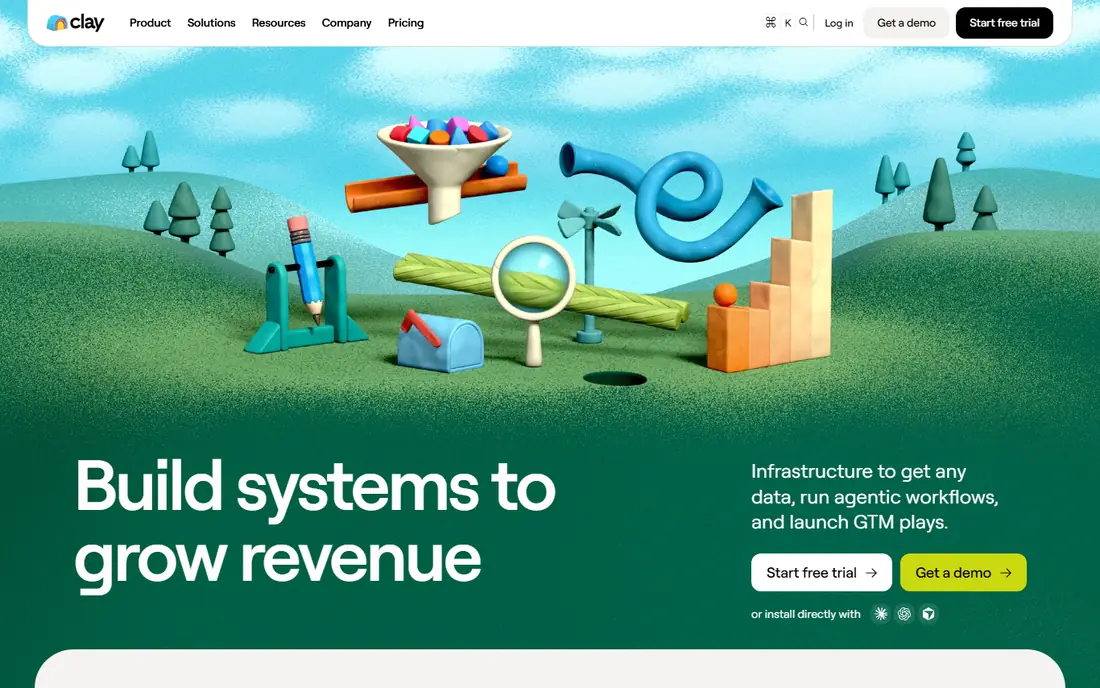
Clay targets custom enrichment and research automation. Clay is the data workshop behind numerous modern outbound teams.
Watch-outs: credit consumption is hard to predict whereas workflows are experimental; confirm on the pricing page.
Published entry prices conflict across 2026 reporting, with figures from $167 a month quoted in some comparisons and $185 in others, so treat the price as See website and check the live pricing page. No starting price is listed for Clay here; confirm pricing on the vendor site. Free access exists with Clay.
- Free level with starter credits for testing
- Waterfall enrichment across more than 100 data sources in one workflow
- It is a builder's tool
Lavender
Ideal for: Cold email quality coaching
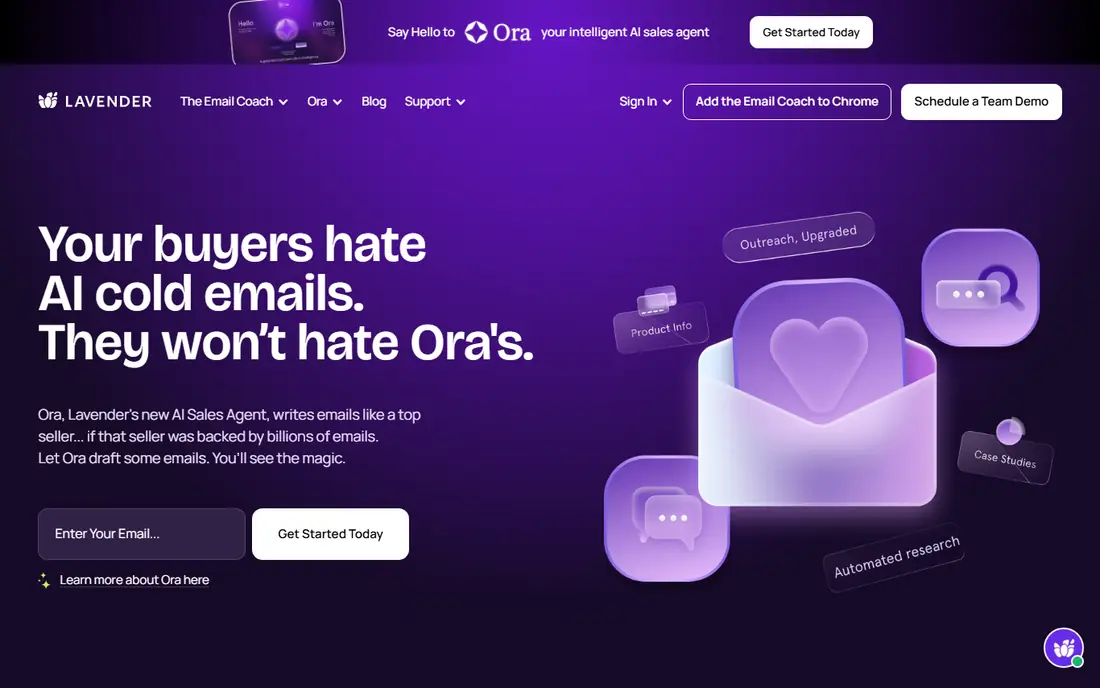
Lavender is aimed squarely at cold email quality coaching. Lavender is the smallest tool here and frequently the highest return per dollar.
Points against: Narrow scope: it boosts email, nothing else.
Beyond that, buy it as coaching for reps who send fifty or more cold emails a day, measure reply rates before and after on the same list source, and keep it only if the lift is real. On cost, Lavender starts like this: $29 per month. A free plan is available with Lavender.
- Fast to adopt
- Concentrates on the variable teams control most straight: the quality of the message itself
- Effect is hard to isolate from list quality and offer strength
Apollo
Ideal for: Prospecting data plus sequencing in one tool
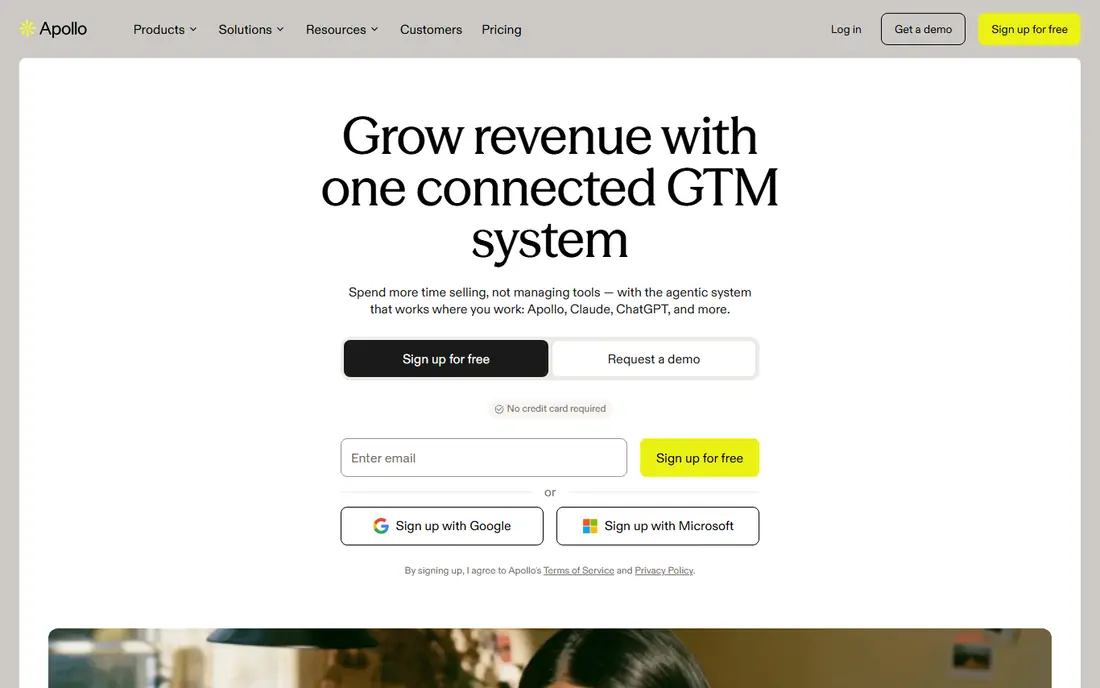
Apollo targets prospecting data plus sequencing in one tool. Entry-level costs $49 per user a month billed annually, Professional $79, and the free plan provides 50 credits and two sequences, enough to judge data quality in your market.
More specifically, exports, enrichments and phone numbers burn credits that expire each cycle, so a team hunting hard can double its effective cost. The caveat is the credit model. Entry price for Apollo: $49 per user per month. Apollo offers a free plan.
Where it falls short: Credits run out quick and do not roll over, so real spend creeps past the seat price.
- Enrichment and sequences in one login
- Free plan with credits to test fit
- Sequencing is lighter than Outreach or Salesloft for complicated multichannel plays
HubSpot Sales Hub
Ideal for: CRM native AI selling for smaller teams
HubSpot Sales Hub is designed for CRM native AI selling for smaller teams. HubSpot makes sense when HubSpot is already your CRM. On top of that, starter at $20 per seat a month is a genuine entry point.
What users get: Starter at $20 per seat is the cheapest serious entry here.
Downsides: AI actions consume credits on higher plans.
The free CRM carries a tiny team a long way. Also, price the level that contains the feature you actually want, not the level in the advertisement. The starting price for HubSpot Sales Hub: $20 per seat per month. Free access exists with HubSpot Sales Hub.
- Lives inside the CRM, so no sync between a sales tool and a system of record
- AI prospecting and email drafting are built into the same screens reps already use
- Costs climb steeply at Professional level, which numerous AI features need
Gong
Ideal for: Call analysis and deal coaching
Gong is aimed squarely at call analysis and deal coaching. Gong is the category standard for conversation intelligence. It turns recorded selling into searchable, coachable evidence, and its deal boards flag the silent risks: the champion who went quiet, the pricing discussion that never happened.
Where Gong stands out: Records and examines calls; coaching evidence is concrete: talk ratios.
The product fee means a five seat pilot can cost more per head than a fifty seat rollout, so get the full quote in writing. And call recording is regulated: one party and two party consent rules differ across US states and are stricter in much of Europe, so route the rollout past whoever owns your compliance. Pricing for Gong is not stated here, so ask the vendor for current figures. No free plan comes with Gong.
- Meetings and emails across the entire team
- Competitor mentions
- Check the vendor page for plan limits
Salesloft
Ideal for: Cadences with coaching built in
Salesloft makes the most sense for Cadences with coaching built in. Pricing is quote only.
What Salesloft does well: reported roughly $75 to $125 per seat a month; mid market pricing discipline.
Watch-outs: AI agent features are newer than the core cadence product; overlapping roadmap with Clari builds some product uncertainty during integration.
Third party procurement reporting clusters around $75 to $125 per seat a month. Check the vendor site for Salesloft pricing; none is listed in this comparison. There is no free plan with Salesloft.
- Coaching and conversation intelligence are built in rather than bolted on
- Now combined with Clari's forecasting under one owner
- Quote only pricing with annual terms
How we compared the tools
Pricing pages, product documentation and feature lists were the main sources, and every entry carries at least one honest drawback. Figures are shown as the vendors publish them. Billing terms, seat minimums and add-ons can change the real cost. The sequence is a judgement call: typical use case first, then pricing transparency, then free access. Use the profiles to check fit.
Before you commit
- Ask Clay, Gong and Salesloft for a written quote, since no starting price is shown.
- Read the fine print on the free plans from Clay, Lavender, Apollo and HubSpot Sales Hub; seat, project and feature caps differ.
- Before choosing Clay, weigh its main limit: confirm on the pricing page, credit consumption is hard to predict whereas workflows are experimental, it is a builder's tool.
- Check how data leaves Lavender: formats, limits and whether exports are available on every plan.
- Ask the daily users to test Clay on a live task before you roll it out to everyone.
Frequently asked questions
How are the tools for AI tools for sales teams ordered?
Clay sits first and Salesloft last because the order follows typical fit for AI tools for sales teams, then price clarity and free access. It is a judgement call, so read each profile for fit and limits.
How much do AI sales tools cost per rep?
Self serve tools run from $20 to $79 per user a month (HubSpot Starter, Apollo). Enterprise products are quote only and land around $75 to $165 per seat a month in buyer reported data, plus product fees and AI credits.
Can I try these tools before paying?
Often, yes. Clay, Lavender, Apollo and HubSpot Sales Hub have a free plan. Use your own data and a real task during the test, and check what the free tier or trial limits before you rely on it.
Which options for AI tools for sales teams have a free plan?
On this list, Clay, Lavender, Apollo and HubSpot Sales Hub include a free plan. Caps on seats, usage or features are common, so test the free plan against your real workload.
Do these tools publish their prices?
Not all of them. Clay, Gong and Salesloft publish no starting price, so expect a quote request for those. The rest, Lavender included, show a starting price, though seats and billing terms still change the final cost.
Are AI SDR agents ready to replace human reps?
They deal with narrow, high volume plays with human review. Teams that deploy them without review normally meet deliverability and brand problems within the first quarter.