Best AI Voice Cloning Tools in 2026: 8 Tools Compared

- 1
 ElevenLabsOverall voice cloningVisit
- 2
 PlayHTHigh volume narrationVisit
- 3
 Resemble AICustom brand voicesVisit
- 4
 DescriptPodcast and video editingVisit
- 5
 Murf AIStudio narrationVisit
- ElevenLabs is our pick for most people because instant cloning starts at a low monthly price and professional cloning is available on a higher tier.
- Consent and verification matter more than raw quality, so only clone a voice you own or have clear permission to use.
- Video creators should weigh HeyGen and Descript first, since they combine voice work with editing and dubbing in one workflow.
- Free plans are useful for short tests, but cloning itself is usually locked behind a paid plan.
- Credit and character limits decide real cost, so check how much audio your monthly allowance actually produces before you commit.
Quick comparison
| Product | Ideal for | Price from | Free version | |
|---|---|---|---|---|
| ElevenLabs | Overall voice cloning | $6 per month | Yes | Visit |
| PlayHT | High volume narration | See website | Yes | Visit |
| Resemble AI | Custom brand voices | See website | No | Visit |
| Descript | Podcast and video editing | $24 per month | Yes | Visit |
| Murf AI | Studio narration | See website | Yes | Visit |
 HeyGen | Video dubbing and avatars | See website | Yes | Visit |
 Respeecher | Film and game voices | See website | No | Visit |
 Speechify | Reading and narration | See website | Yes | Visit |
The best AI voice cloning tools
Voice cloning has moved from a novelty to a practical tool for creators, teams and studios. We compared official feature pages, pricing, app listings, privacy policies and public reviews to find tools that still work well in October 2026 and that handle consent in a serious way.
ElevenLabs
Ideal for: Overall voice cloning
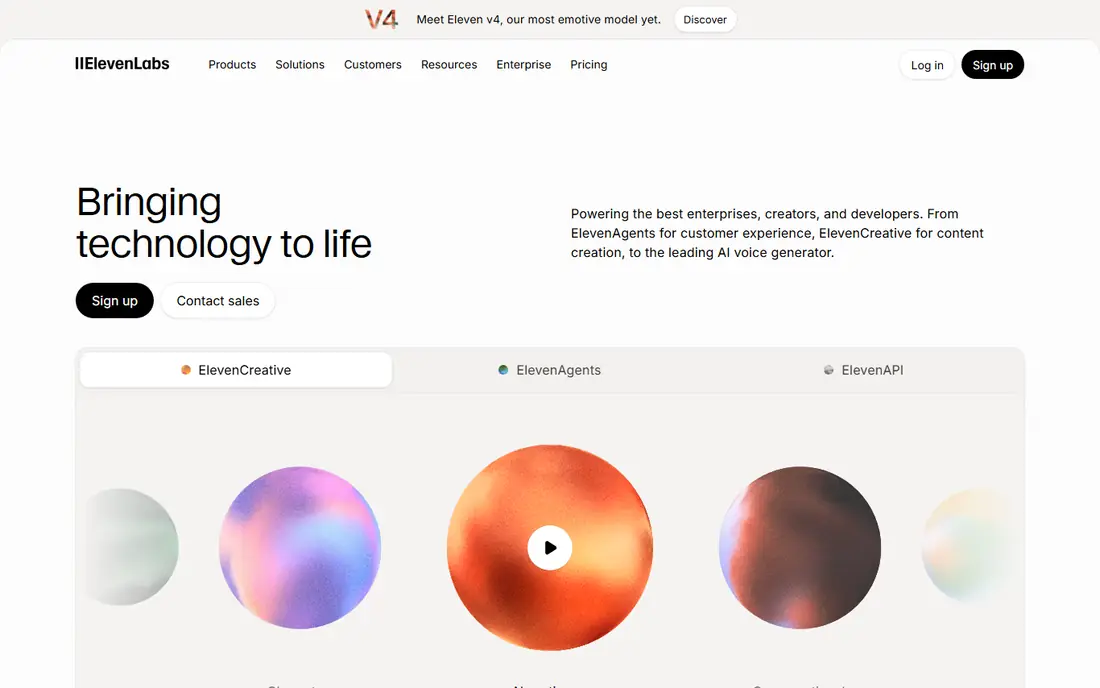
ElevenLabs gives most buyers the shortest path to a usable clone. Instant Voice Cloning is available from the Starter plan, while Professional Voice Cloning, built from longer recordings with a verification step, starts on the Creator plan. That ladder makes it easy to test the idea cheaply and upgrade only when quality or commercial rights matter more.
The wider platform is part of the appeal. The same account covers text to speech, dubbing, voice changing and sound effects, so a narration project and a translated version of it can live in one place. The catch is the credit system, where usage is metered by characters, so long audiobooks or frequent dubbing jobs need a larger plan than the headline price suggests.
- Instant cloning on a low priced plan
- Professional cloning on higher tiers
- Wide language support
- Free plan does not include cloning
- Credits can run out fast on long projects
PlayHT
Ideal for: High volume narration
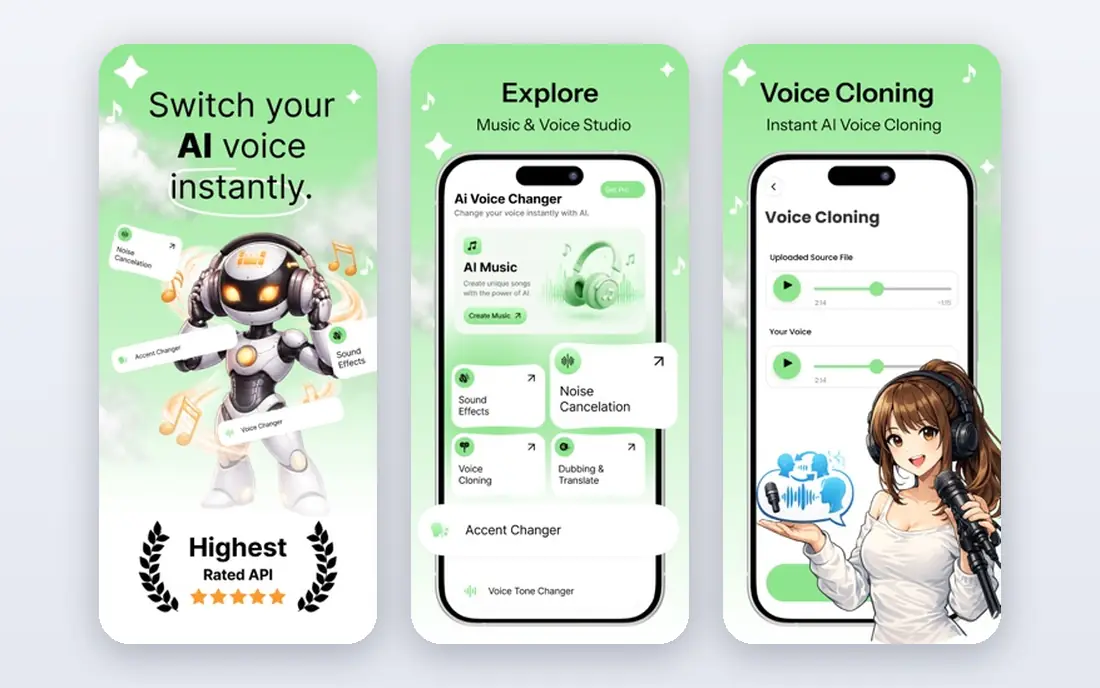
PlayHT suits publishers and course makers who need hours of audio rather than a single clip. Its library of stock voices is useful when a clone is not needed, and cloning adds a consistent narrator voice across a whole series. Teams can also build generation into their own products through its API.
The trade-off is that a poor recording sample produces a flat clone, no matter which tool you use. Record in a quiet room, avoid background music, and speak naturally for several minutes if the tool asks for it. Check the current plan limits before buying, since character allowances vary a lot between tiers.
- Large voice library alongside cloning
- Strong for long form audio
- API access for teams
- Pricing tiers can be confusing
- Cloning quality depends heavily on sample quality
Resemble AI
Ideal for: Custom brand voices
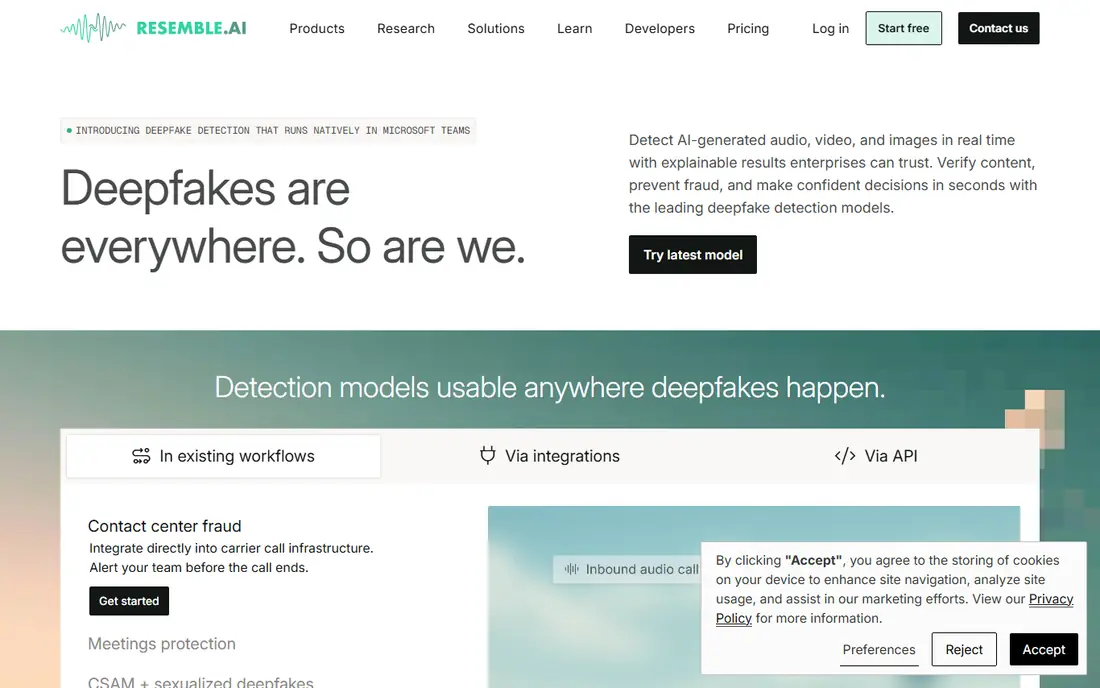
Resemble AI focuses on voices that need to sound like a specific person or brand, rather than a generic narrator. That makes it a strong choice for games, interactive experiences and companies that want one recognisable voice across products. Its real time tools also open up live use cases that batch narration tools do not cover.
Because there is no broad free tier, Resemble AI is best for buyers who already know they need a custom voice and have a budget for it. Ask about consent verification and usage rights in writing before recording anyone else, and keep that permission on file for the whole life of the project.
- Real time voice conversion options
- Good for branded and character voices
- Developer friendly
- No free plan for most users
- Smaller public voice library than larger rivals
Descript
Ideal for: Podcast and video editing
Descript is the most practical pick if you already edit podcasts or videos. Overdub lets you fix a misspoken word by typing the correction, which saves a re-recording session for small errors. The rest of the editor, with transcription, filler word removal and multitrack timelines, means the cloned voice is part of a finished episode rather than a separate export.
That integration is also the limit. Overdub is designed for your own voice, with consent checks, so it is not a tool for cloning other people. If you only need a standalone clone for another app, a dedicated voice platform may be cheaper, but for creators who edit weekly, Descript earns its place on this list.
- Overdub corrects audio by editing text
- Full podcast and video editor included
- Collaboration tools
- Overdub is tied to the wider Descript subscription
- Cloning is for your own voice
Murf AI
Ideal for: Studio narration
Murf AI is built around polished narration for training material, product explainers and presentations. Its editor lets you adjust pauses, emphasis and pronunciation, which matters when a script includes brand names, numbers or technical terms. For corporate teams, that control often matters more than having the most voices.
Buyers should read the plan page carefully, since voice cloning availability differs by tier and has changed over time. Start with the free plan to test stock voices and the editor, then confirm cloning is included in the tier you plan to buy before recording samples.
- Clean studio workflow for narration
- Many stock voices
- Good for training and explainer videos
- Cloning is not included on every plan
- Check plan details before assuming access
HeyGen
Ideal for: Video dubbing and avatars
HeyGen stands out when the end product is a video, not an audio file. You can clone a voice, translate a script and present it with an avatar or a dubbed presenter, which suits training libraries and multilingual marketing. That combined workflow can replace several separate tools for a small team.
The cost structure needs care, since video generation and voice credits can both count against your plan. Test one short video in each target language before committing to a series, and watch for mismatched lip movement or odd pacing on longer takes. For audio only projects, a voice first tool will usually be simpler and cheaper.
- Voice cloning paired with avatars and translation
- Fast video output
- Useful for marketing teams
- Video credits add a second cost layer
- Lip sync quality varies by language and footage
Respeecher
Ideal for: Film and game voices
Respeecher is a production grade choice rather than a consumer app. It converts one recorded performance into another voice, which studios use for character work, de-aging and dialogue repair when re-recording is not possible. That focus on performance, rather than reading text aloud, sets it apart from most tools here.
Casual creators will find the workflow and pricing heavier than they need. For a film, game or advertising project with a real budget, though, Respeecher is worth a conversation, especially when the voice must match an existing performance closely and the team can provide clean source recordings.
- High quality voice conversion for production
- Used in film and games
- Strong de-aging and character work
- Project based pricing can be costly
- Not designed for casual creators
Speechify
Ideal for: Reading and narration
Speechify began as a reading tool, and that remains its strength. It turns documents, articles and books into listenable audio, which helps students, professionals and anyone with a long reading list. Voice cloning adds a personal narrator option for people who want their own content read back in a familiar voice.
It is not a replacement for a studio narration platform, since editing and mixing tools are limited. But if your main goal is to listen more and produce occasional narration in your own voice, Speechify is an easy, low friction place to start, and its free tier lets you test the listening experience first.
- Strong for listening to documents and books
- Voice cloning for personal narration
- Mobile friendly
- Cloning features vary by plan
- Best for listening rather than studio production
How we picked these
We compared official feature pages, pricing pages, app store listings, privacy policies and public reviews for each tool. We only included tools that still offer voice cloning or voice conversion in October 2026, and we favoured tools that describe a consent or verification step for cloning a real person's voice. Prices were taken from vendor pages or marked as See website where a plan page did not give a clear starting figure.
What to check before you clone a voice
Consent comes first. Only clone your own voice, or a voice where you have clear, written permission, and keep that permission for as long as the audio is in use. Tools differ in how they verify this, so read the policy before you upload samples, not after you have published audio.
Sample quality decides output quality. Use a quiet room, a decent microphone and natural speech, and avoid music, echo or other voices in the background. Short samples work for instant clones, while professional clones usually need longer, cleaner recordings and more time to process.
Cost follows usage, not just the monthly price. Check whether your plan meters characters, credits, minutes or video generations, and estimate your monthly audio in minutes before you buy. A cheap plan that runs out halfway through a project is more expensive than a larger plan that covers the whole job.
Disclosure protects your audience. If cloned audio appears in public content, say so where listeners will see it, especially for news, testimonials or anything that could be mistaken for a live person. That honesty also protects you if a platform later asks how the audio was made.
Frequently asked questions
Is voice cloning legal?
Cloning your own voice is generally fine, but cloning someone else without permission can break privacy, publicity and fraud laws depending on where you live. Always get clear written consent, and check local rules before publishing cloned audio of another person.
How much audio do I need to clone a voice?
Instant clones often need only a minute or two of clean speech, while professional clones usually need much longer recordings. Longer, varied samples with natural pacing tend to produce more convincing results than a single short clip.
Can a cloned voice speak other languages?
Many tools let a cloned voice speak languages beyond the original sample, but accent and naturalness vary by tool and language. Test a short passage in each language you plan to use before committing to a full project.
What is the difference between instant and professional cloning?
Instant cloning is faster and needs less audio, but the result is usually less accurate. Professional cloning takes longer and needs more recordings, and it is normally the better choice for long form narration or commercial work.
Do free plans include voice cloning?
Most free plans let you test stock voices and text to speech, but cloning is usually a paid feature. ElevenLabs is a good example, since its free plan excludes cloning and the feature starts on a paid tier.