Best All-In-One For Multi-Entity Companies In 2026: 8 Options Compared

- 1
 NetSuitemulti-entity ERPVisit
- 2
 Sage Intacctmulti-entity accountingVisit
- 3
 Microsoft Dynamics 365multi-entity Microsoft shopsVisit
- 4
 Acumaticamid-sized multi-entity firmsVisit
- 5
 Workday Financial Managementlarge multi-entity firmsVisit
- NetSuite stands out for multi-entity ERP, while Sage Intacct is a strong choice for multi-entity accounting.
- Prices and terms vary a lot, so check the official pricing page and contract details before you commit.
- Microsoft Dynamics 365 and Acumatica show how different the same category can be, from large established names to more focused options.
- The right pick depends on your budget, your location, and how much support you want after you sign up.
Quick comparison
| Product | Ideal for | Price from | Free version | |
|---|---|---|---|---|
| NetSuite | multi-entity ERP | See website | No | Visit |
| Sage Intacct | multi-entity accounting | See website | No | Visit |
| Microsoft Dynamics 365 | multi-entity Microsoft shops | See website | Free trial | Visit |
| Acumatica | mid-sized multi-entity firms | See website | No | Visit |
| Workday Financial Management | large multi-entity firms | See website | No | Visit |
 Odoo | affordable multi-company ERP | See website | Yes | Visit |
 QuickBooks Enterprise | smaller multi-entity firms | See website | Free trial | Visit |
 Xero | small multi-entity firms | See website | Free trial | Visit |
The best all-in-one for multi-entity companies
We compared the options below on official feature pages, pricing, app-store listings where relevant, privacy policies and public reviews. Our aim was a shortlist that covers large, well-known names and smaller focused options, so you can match a choice to your budget and needs rather than picking the first name you recognise.
NetSuite
Ideal for: multi-entity ERP
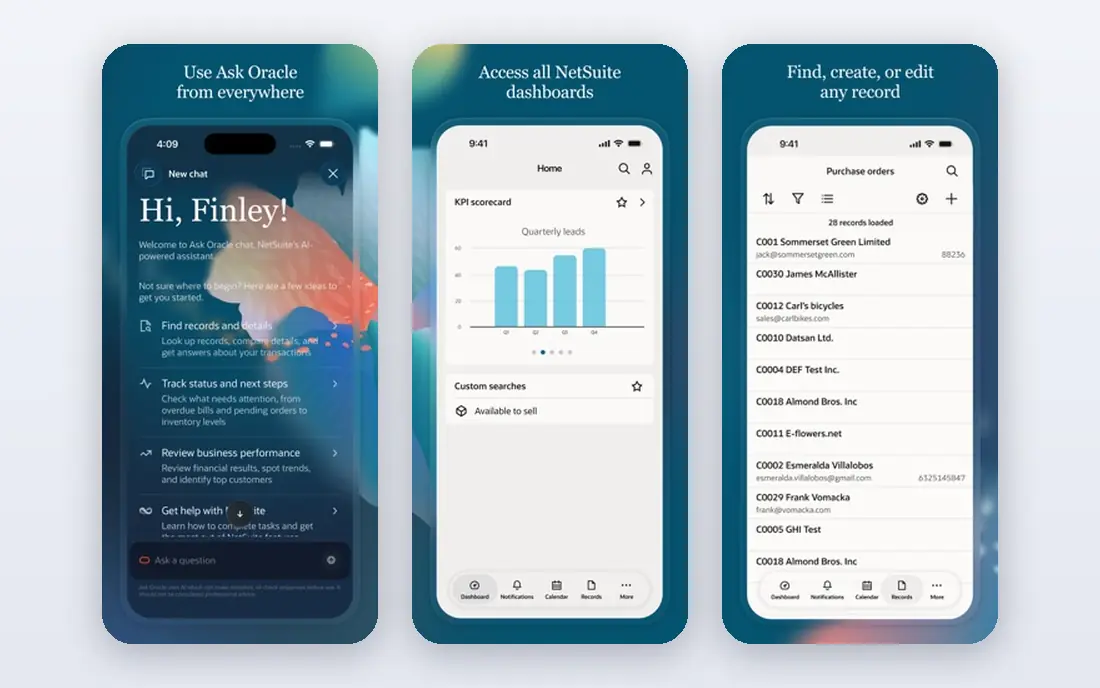
NetSuite handles accounting, inventory and consolidation for multi-entity firms. It fits readers looking for multi-entity ERP, and it is worth weighing that fit against the other names on this list before you decide. What stood out in our comparison was multi-subsidiary accounting, and the wider set of strengths includes consolidation tools. That combination is the main reason it earns a place here, even though no option on this list is right for every reader. The honest catch is implementation is costly and long, and a second point to check is pricing is quote based. Before you commit, read the official pricing and terms pages, confirm what is included at the price you will actually pay, and check availability and support in your location.
- Multi-subsidiary accounting
- Consolidation tools
- Broad ERP modules
- Implementation is costly and long
- Pricing is quote based
Sage Intacct
Ideal for: multi-entity accounting

Sage Intacct is built for multi-entity accounting and reporting. It fits readers looking for multi-entity accounting, and it is worth weighing that fit against the other names on this list before you decide. What stood out in our comparison was multi-entity and multi-currency accounting, and the wider set of strengths includes dimensions reporting. That combination is the main reason it earns a place here, even though no option on this list is right for every reader. The honest catch is pricing is quote based, and a second point to check is implementation needs planning. Before you commit, read the official pricing and terms pages, confirm what is included at the price you will actually pay, and check availability and support in your location.
- Multi-entity and multi-currency accounting
- Dimensions reporting
- Cloud system
- Pricing is quote based
- Implementation needs planning
Microsoft Dynamics 365
Ideal for: multi-entity Microsoft shops
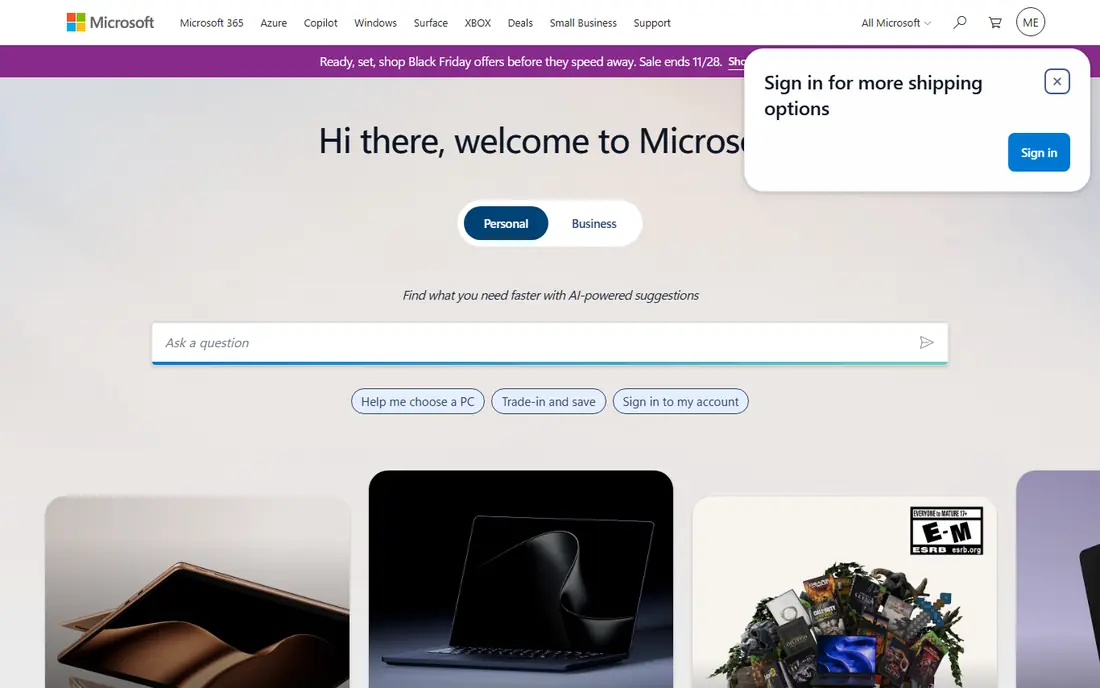
Microsoft Dynamics 365 covers finance, operations and sales for multi-entity firms. It fits readers looking for multi-entity Microsoft shops, and it is worth weighing that fit against the other names on this list before you decide. What stood out in our comparison was erp and crm in one family, and the wider set of strengths includes multi-company support. That combination is the main reason it earns a place here, even though no option on this list is right for every reader. The honest catch is implementation complexity is high, and a second point to check is licensing is complex. Before you commit, read the official pricing and terms pages, confirm what is included at the price you will actually pay, and check availability and support in your location.
- ERP and CRM in one family
- Multi-company support
- Microsoft integration
- Implementation complexity is high
- Licensing is complex
Acumatica
Ideal for: mid-sized multi-entity firms
Acumatica offers cloud ERP for multi-entity mid-sized companies. It fits readers looking for mid-sized multi-entity firms, and it is worth weighing that fit against the other names on this list before you decide. What stood out in our comparison was multi-entity accounting, and the wider set of strengths includes cloud ERP. That combination is the main reason it earns a place here, even though no option on this list is right for every reader. The honest catch is partner quality varies, and a second point to check is implementation takes time. Before you commit, read the official pricing and terms pages, confirm what is included at the price you will actually pay, and check availability and support in your location.
- Multi-entity accounting
- Cloud ERP
- Flexible licensing
- Partner quality varies
- Implementation takes time
Workday Financial Management
Ideal for: large multi-entity firms
Workday Financial Management supports large multi-entity finance operations. It fits readers looking for large multi-entity firms, and it is worth weighing that fit against the other names on this list before you decide. What stood out in our comparison was multi-entity finance, and the wider set of strengths includes planning tools. That combination is the main reason it earns a place here, even though no option on this list is right for every reader. The honest catch is costly implementation, and a second point to check is better at large scale. Before you commit, read the official pricing and terms pages, confirm what is included at the price you will actually pay, and check availability and support in your location.
- Multi-entity finance
- Planning tools
- Global support
- Costly implementation
- Better at large scale
Odoo
Ideal for: affordable multi-company ERP
Odoo bundles accounting, sales, inventory and HR for multi-company firms. It fits readers looking for affordable multi-company ERP, and it is worth weighing that fit against the other names on this list before you decide. What stood out in our comparison was many apps in one system, and the wider set of strengths includes multi-company support. That combination is the main reason it earns a place here, even though no option on this list is right for every reader. The honest catch is implementation still needs work, and a second point to check is app quality varies. Before you commit, read the official pricing and terms pages, confirm what is included at the price you will actually pay, and check availability and support in your location.
- Many apps in one system
- Multi-company support
- Open source roots
- Implementation still needs work
- App quality varies
QuickBooks Enterprise
Ideal for: smaller multi-entity firms
QuickBooks Enterprise suits smaller firms with several locations or entities. It fits readers looking for smaller multi-entity firms, and it is worth weighing that fit against the other names on this list before you decide. What stood out in our comparison was familiar QuickBooks interface, and the wider set of strengths includes multi-location reporting. That combination is the main reason it earns a place here, even though no option on this list is right for every reader. The honest catch is multi-entity depth is thinner than true ERP, and a second point to check is user limits apply. Before you commit, read the official pricing and terms pages, confirm what is included at the price you will actually pay, and check availability and support in your location.
- Familiar QuickBooks interface
- Multi-location reporting
- Payroll add-ons
- Multi-entity depth is thinner than true ERP
- User limits apply
Xero
Ideal for: small multi-entity firms
Xero gives small multi-entity firms simple cloud accounting with integrations. It fits readers looking for small multi-entity firms, and it is worth weighing that fit against the other names on this list before you decide. What stood out in our comparison was simple cloud accounting, and the wider set of strengths includes multi-currency. That combination is the main reason it earns a place here, even though no option on this list is right for every reader. The honest catch is multi-entity consolidation is basic, and a second point to check is advanced ERP features are missing. Before you commit, read the official pricing and terms pages, confirm what is included at the price you will actually pay, and check availability and support in your location.
- Simple cloud accounting
- Multi-currency
- Many integrations
- Multi-entity consolidation is basic
- Advanced ERP features are missing
How we picked these
We started from the topic itself and looked for options that exist and work in October 2026 and truly fit it. We compared official feature pages, pricing pages, app-store listings where relevant, privacy policies and public reviews, and we left out names that did not fit the topic even if they are well known elsewhere. We also favoured a mix of large names and smaller options, and we noted honest weaknesses alongside strengths. Where we could not verify a price from the vendor, we wrote See website rather than guessing, and we did not claim hands-on testing that did not happen.
How to choose the right option for you
Start with the job you need done, not with the brand name. For best all-in-one for multi-entity companies, write down the two or three features you will use every week, the budget you can sustain for a year, and the support you expect when something goes wrong. That short list will rule out several options at once and make the rest of the comparison much simpler. Next, check the total cost, not just the headline price. Look for setup fees, per-person charges, add-ons, renewal terms and any limits that could force an upgrade. A low starting price can still be costly if the plan you actually need sits two tiers higher, and a higher price can be good value if it includes support and features you would otherwise buy separately. Then check fit in practice. Read the terms, the privacy policy and recent public reviews, and confirm availability in your location. If you can, try a free plan or trial, ask support a real question, and check how easy it is to leave if the service does not suit you. A short trial often reveals more than a long feature list. Finally, compare two or three finalists side by side on the same criteria, and pick the one that fits your daily work rather than the one with the longest list of extras. The best choice is usually the simplest option that covers your core needs well and leaves room to grow.
Frequently asked questions
What should I look for in best all-in-one for multi-entity companies?
Start with fit for your budget, location and support needs, then compare official pricing and terms. Look for clear terms, honest limits and recent public reviews, and shortlist two or three options before you decide.
Are the cheapest options for best all-in-one for multi-entity companies always good value?
Not always. A low price can be good value if it covers your core needs, but check for add-ons, limits and renewal terms. Compare the total yearly cost for the plan you will actually use.
How do I compare best all-in-one for multi-entity companies fairly?
Use the same checklist for every option, including price, features, support, terms and availability. Read the vendor pricing page rather than relying on review summaries alone, and note where a price could not be verified.
Can I switch later if I pick the wrong option for best all-in-one for multi-entity companies?
In most cases yes, but switching costs vary. Check contract length, exit terms and how easy it is to move your data or account before you sign up, especially for longer commitments.
Do I need the largest name for best all-in-one for multi-entity companies?
No. Large names often bring scale and support, but smaller focused options can fit a specific need better and cost less. Pick the option that matches your daily needs, not just the best-known brand.