Best ALM Software in 2026: 8 Compared

- 1
 JiraALM for software teamsVisit
- 2
 Azure DevOpsALM inside MicrosoftVisit
- 3
 PolarionALM for regulated industriesVisit
- 4
 IBM Engineering Workflow ManagementALM for large engineering teamsVisit
- 5
 OpenText ALMALM and test managementVisit
- Jira and Azure DevOps suit general software teams, while Polarion, Codebeamer and Helix suit regulated industries.
- Traceability matters most where safety, compliance or audits require proof from requirement to test.
- ALM tools fail when teams do not update requirements and tests together.
- Pilot with one project and one traceability chain before rolling out across teams.
Quick comparison
| Product | Ideal for | Price from | Free version | |
|---|---|---|---|---|
| Jira | ALM for software teams | See website | Yes | Visit |
| Azure DevOps | ALM inside Microsoft | See website | Yes | Visit |
| Polarion | ALM for regulated industries | See website | No | Visit |
| IBM Engineering Workflow Management | ALM for large engineering teams | See website | No | Visit |
| OpenText ALM | ALM and test management | See website | No | Visit |
 Codebeamer | ALM for product development | See website | No | Visit |
 Helix ALM | ALM for regulated teams | See website | No | Visit |
 Spira | ALM for smaller teams | See website | Free trial | Visit |
The best alm software
Application lifecycle management software, known as ALM, covers requirements, development, testing and release for software and products. Some tools focus on agile teams, while others focus on regulated traceability. This guide compares options across that range.
Jira
Ideal for: ALM for software teams
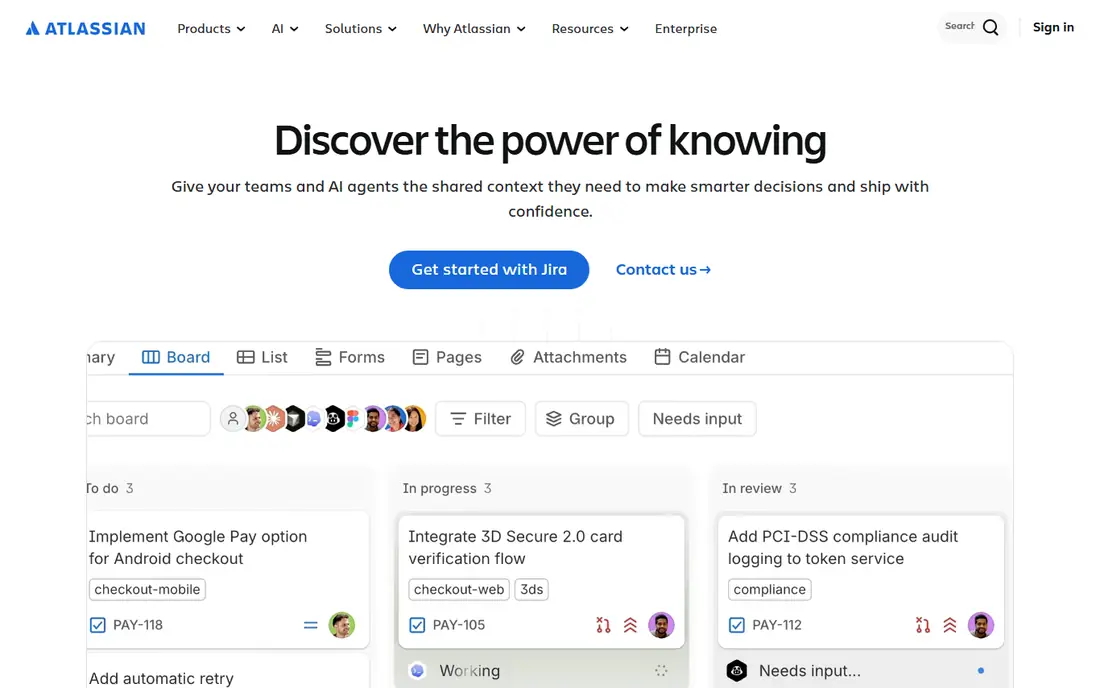
For many buyers, this is the natural starting point. Jira is widely used for issue tracking and project workflows in software teams. It covers requirements, tasks, sprints and reporting, with add-ons for deeper ALM. On pricing, the starting price is listed above, and where a vendor does not publish a clear price we list it as See website. Check what is included at that level, because seats, usage limits and add-ons often change the real monthly cost. Full ALM features such as test and requirements traceability often need add-ons. That trade-off does not make this a poor choice, but it does decide who should pick it. If the weakness touches your main use case, look at another option on this list. If it touches only a secondary need, the strengths here may still make it our pick for you.
- Issue tracking
- Workflows
- Reporting
- ALM depth needs add-ons
- Costs rise with users
Azure DevOps
Ideal for: ALM inside Microsoft
This is a strong choice when the basics matter most. Azure DevOps offers boards, repositories, pipelines and test plans in one platform. It suits teams using Microsoft tools and Azure for development. On pricing, the starting price is listed above, and where a vendor does not publish a clear price we list it as See website. Check what is included at that level, because seats, usage limits and add-ons often change the real monthly cost. Teams outside Microsoft get less integration value, and the platform takes time to learn. That trade-off does not make this a poor choice, but it does decide who should pick it. If the weakness touches your main use case, look at another option on this list. If it touches only a secondary need, the strengths here may still make it our pick for you.
- Boards
- Repos
- Pipelines
- Test plans
- Best inside Microsoft
- Learning curve
Polarion
Ideal for: ALM for regulated industries
What sets this option apart is its focus on a clear use case. Polarion, from Siemens, offers application lifecycle management for regulated industries. It suits automotive, medical and aerospace teams needing traceability. On pricing, the starting price is listed above, and where a vendor does not publish a clear price we list it as See website. Check what is included at that level, because seats, usage limits and add-ons often change the real monthly cost. Pricing is enterprise level, and setup is complex. That trade-off does not make this a poor choice, but it does decide who should pick it. If the weakness touches your main use case, look at another option on this list. If it touches only a secondary need, the strengths here may still make it our pick for you.
- Requirements
- Traceability
- Test management
- Enterprise pricing
- Setup is complex
IBM Engineering Workflow Management
Ideal for: ALM for large engineering teams
Teams that want a straightforward setup should look closely here. IBM Engineering Workflow Management covers requirements, planning and traceability for large teams. It suits enterprises with complex engineering and compliance needs. On pricing, the starting price is listed above, and where a vendor does not publish a clear price we list it as See website. Check what is included at that level, because seats, usage limits and add-ons often change the real monthly cost. Pricing is enterprise level, and setup is complex. That trade-off does not make this a poor choice, but it does decide who should pick it. If the weakness touches your main use case, look at another option on this list. If it touches only a secondary need, the strengths here may still make it our pick for you.
- Requirements
- Planning
- Traceability
- Enterprise pricing
- Complex setup
OpenText ALM
Ideal for: ALM and test management
This option earns its place through a different strength than the leaders. OpenText ALM, formerly Micro Focus ALM, offers requirements and test management. It suits large teams that need test and requirements traceability. On pricing, the starting price is listed above, and where a vendor does not publish a clear price we list it as See website. Check what is included at that level, because seats, usage limits and add-ons often change the real monthly cost. Pricing is enterprise level, and parts of the interface feel legacy. That trade-off does not make this a poor choice, but it does decide who should pick it. If the weakness touches your main use case, look at another option on this list. If it touches only a secondary need, the strengths here may still make it our pick for you.
- Requirements
- Test management
- Traceability
- Enterprise pricing
- Legacy interface in parts
Codebeamer
Ideal for: ALM for product development
For buyers with a specific need, this one deserves a closer look. Codebeamer, from PTC, offers ALM for product and software development. It covers requirements, test, risk and release management in one platform. On pricing, the starting price is listed above, and where a vendor does not publish a clear price we list it as See website. Check what is included at that level, because seats, usage limits and add-ons often change the real monthly cost. Pricing is enterprise level, and setup takes time. That trade-off does not make this a poor choice, but it does decide who should pick it. If the weakness touches your main use case, look at another option on this list. If it touches only a secondary need, the strengths here may still make it our pick for you.
- Requirements
- Test
- Risk management
- Enterprise pricing
- Setup takes time
Helix ALM
Ideal for: ALM for regulated teams
This is worth considering when budget or simplicity is a priority. Helix ALM offers requirements, test and issue management for regulated teams. It suits teams that need traceability without the largest enterprise platforms. On pricing, the starting price is listed above, and where a vendor does not publish a clear price we list it as See website. Check what is included at that level, because seats, usage limits and add-ons often change the real monthly cost. Pricing is enterprise level, and it is a smaller vendor than Siemens or IBM. That trade-off does not make this a poor choice, but it does decide who should pick it. If the weakness touches your main use case, look at another option on this list. If it touches only a secondary need, the strengths here may still make it our pick for you.
- Requirements
- Test
- Issue management
- Enterprise pricing
- Smaller vendor
Spira
Ideal for: ALM for smaller teams
Our shortlist would feel incomplete without this option. Spira offers requirements, test and issue tracking for smaller teams. It suits teams that need ALM traceability at a lower cost than enterprise platforms. On pricing, the starting price is listed above, and where a vendor does not publish a clear price we list it as See website. Check what is included at that level, because seats, usage limits and add-ons often change the real monthly cost. It is a smaller vendor with fewer integrations than Jira or Azure DevOps. That trade-off does not make this a poor choice, but it does decide who should pick it. If the weakness touches your main use case, look at another option on this list. If it touches only a secondary need, the strengths here may still make it our pick for you.
- Requirements
- Test
- Issue tracking
- Smaller vendor
- Fewer integrations than leaders
How we picked these
We compared official feature pages, pricing pages, app store listings, privacy policies and public reviews for each product on this list. We checked that each product exists, works in October 2026 and truly fits the topic, and we left out products that did not fit even when they were well known in a nearby category. We also weighed who each product suits, what it does well and where it falls short. Prices change, so where we could not verify a current price from the vendor we wrote See website. We did not claim hands-on testing that did not happen, and we focused on facts a buyer can check before paying.
How to choose ALM software
First, start here
Check traceability needs. Regulated teams need links from requirements to tests to defects, with audit trails. Agile teams may need lighter tracking. Choose traceability depth based on audit and safety needs, not just feature lists.
Next, check the details
Check development tool links. ALM should connect to code repositories, pipelines and test tools. Test a real change, from requirement to code to test result, in a trial. Broken links make ALM data unreliable.
Finally, decide with confidence
Check team adoption. ALM tools only work if developers, testers and product managers update them. Choose a tool teams will actually use daily, and keep workflows simple at first. Complex ALM processes that teams avoid create gaps.
Frequently asked questions
What is ALM software?
Application lifecycle management software manages software from requirements through development, testing and release. It tracks requirements, tasks, tests and defects, and links them for traceability. It is used by software and product development teams.
What is the difference between ALM and project management software?
Project management software tracks tasks and schedules. ALM also tracks requirements, code, tests and releases, with traceability between them. ALM suits software development, while project tools suit general work.
What is the best ALM software?
Jira and Azure DevOps suit general software teams. Polarion and Codebeamer suit regulated industries needing traceability. Spira suits smaller teams. Choose based on traceability needs and existing development tools.
Do I need ALM software for agile development?
Agile teams can use Jira or Azure DevOps for boards and sprints without full ALM. Full ALM helps when requirements, tests and releases need formal traceability, especially in regulated industries.
What is requirements traceability?
Requirements traceability links each requirement to design, code, tests and defects. It shows whether every requirement was built and tested. It matters for safety, compliance and audits in regulated industries.