Best Apps for GLP-1 Tracking in 2026: 7 Apps Compared

- 1
 BaritasticWeight-loss treatment trackingVisit
- 2
 MyFitnessPalEveryday food trackingVisit
- 3
 CronometerDetailed nutrition trackingVisit
- 4
 Lose ItSimple weight and food trackingVisit
- 5
 NoomBehaviour and habit coachingVisit
- Baritastic is our pick for treatment-journey tracking, with weight, food, water, and reminders in one app.
- Cronometer and MyFitnessPal suit detailed food and nutrition tracking alongside medication.
- Lose It and Noom suit simpler daily tracking with structure and coaching.
- WeightWatchers and MacroFactor add programme structure or adaptive macro targets for experienced trackers.
Quick comparison
| Product | Ideal for | Price from | Free version | |
|---|---|---|---|---|
| Baritastic | Weight-loss treatment tracking | Free | Yes | Visit |
| MyFitnessPal | Everyday food tracking | Free | Yes | Visit |
| Cronometer | Detailed nutrition tracking | Free | Yes | Visit |
| Lose It | Simple weight and food tracking | Free | Yes | Visit |
| Noom | Behaviour and habit coaching | See website | Free trial | Visit |
 WeightWatchers | Structured points programme | See website | No | Visit |
 MacroFactor | Adaptive macro targets | See website | Free trial | Visit |
The best apps for GLP-1 tracking
People using GLP-1 medicines often want to track weight, food, doses, symptoms, and habits in one place. No single app below was built only for GLP-1, but each one covers part of that tracking well, and together they show what to look for.
We compared official app pages, help pages, and app store listings for each app below. Our pick for most people is Baritastic, because it was built around weight-loss treatment journeys and covers weight, food, water, and reminders in one app.
Dose tracking deserves care. Always follow your prescriber instructions, and use an app only as a personal record, not as a dosing guide.
Baritastic
Ideal for: Weight-loss treatment tracking
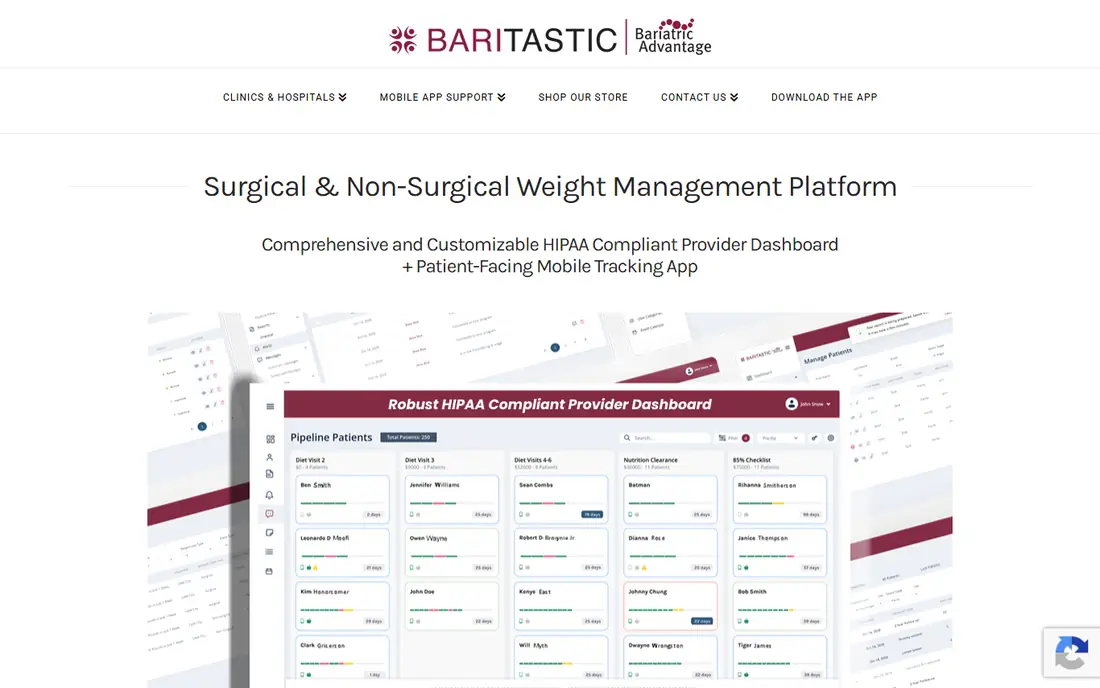
Baritastic was built for people on weight-loss treatment journeys, including surgery and medication paths. It tracks weight, food, water, vitamins, and measurements, with reminders and progress charts.
Its interface is functional rather than polished, and its food database is smaller than general trackers. For treatment-focused tracking, though, its breadth in one app is rare.
Our view: the closest thing here to a purpose-built GLP-1 tracking companion.
Bottom line: Baritastic is a strong fit for weight-loss treatment tracking, and its main draw is built for weight-loss journeys. Weigh that against the limits above before you commit, and test it with your own real work during any trial or free period.
- Built for weight-loss journeys
- Weight, food, water, and vitamin reminders
- Progress charts
- Interface is functional
- Food database is smaller than MyFitnessPal
MyFitnessPal
Ideal for: Everyday food tracking
MyFitnessPal is the easiest food tracker for most people, with a huge database and fast barcode scanning. It also tracks weight over time, which helps GLP-1 users see trends alongside food intake.
It has no built-in dose or symptom tracker, so medication notes must go in manual entries or a separate app. Still, for food and weight, it remains a strong daily tool.
Our view: the best food and weight tracker to pair with a separate dose record.
Bottom line: MyFitnessPal is a strong fit for everyday food tracking, and its main draw is large food database. Weigh that against the limits above before you commit, and test it with your own real work during any trial or free period.
- Large food database
- Fast barcode scanning
- Weight tracking
- Dose and symptom tracking need manual notes
- Some features need a paid plan
Cronometer
Ideal for: Detailed nutrition tracking
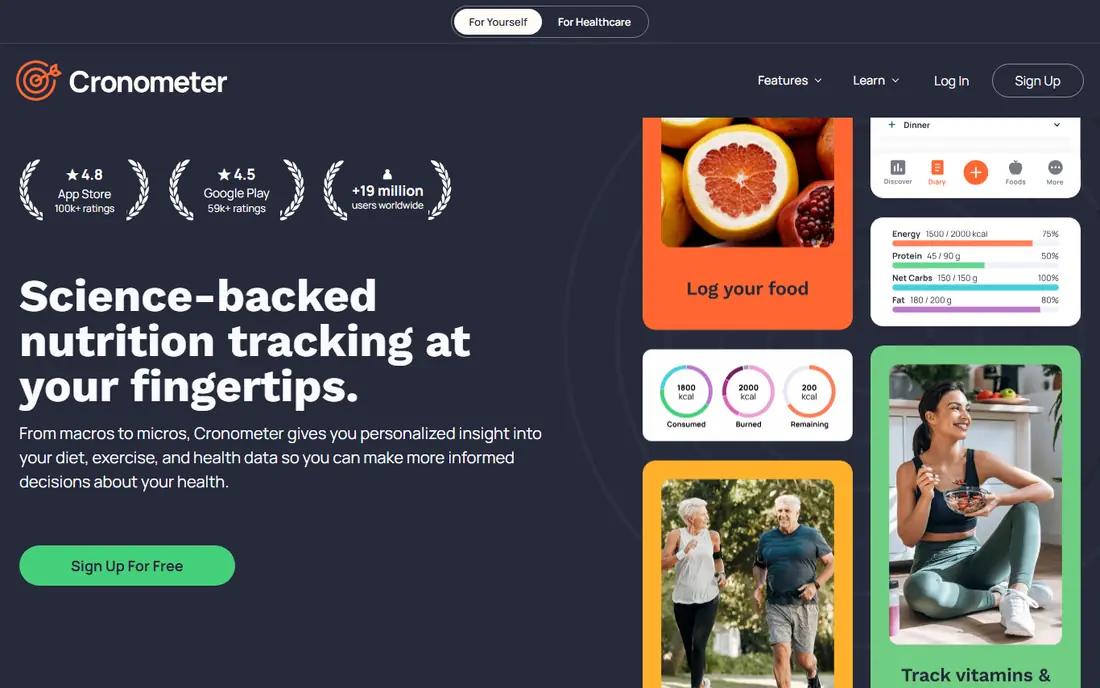
Cronometer suits GLP-1 users who want accurate nutrition data, especially protein intake, which matters when appetite is reduced. Its curated database and micronutrient tracking are stronger than most rivals.
The interface is dense, and branded foods can be harder to find. Custom notes can record doses or symptoms, though that is a workaround rather than a built-in feature.
Our view: the best detailed nutrition tracker for GLP-1 users who watch protein closely.
Bottom line: Cronometer is a strong fit for detailed nutrition tracking, and its main draw is accurate food database. Weigh that against the limits above before you commit, and test it with your own real work during any trial or free period.
- Accurate food database
- Micronutrient detail
- Custom targets and notes
- Database is smaller for branded foods
- Interface is dense
Lose It
Ideal for: Simple weight and food tracking
Lose It keeps food and weight tracking simple, with a clean daily view and weight trend charts. That simplicity suits GLP-1 users who want a quick daily log without deep nutrition study.
Medication and symptom tracking must be handled with notes, since the app focuses on food and weight. Paid tiers add analysis, but core tracking works free.
Our view: a low-friction daily tracker for weight and food during treatment.
Bottom line: Lose It is a strong fit for simple weight and food tracking, and its main draw is simple logging. Weigh that against the limits above before you commit, and test it with your own real work during any trial or free period.
- Simple logging
- Weight trend charts
- Barcode scanning
- Medication tracking is manual
- Macro detail is thinner than Cronometer
Noom
Ideal for: Behaviour and habit coaching
Noom combines weight tracking with behaviour-based lessons and coaching, focusing on habits, mindset, and eating patterns. That structure helps GLP-1 users who want support beyond numbers.
It needs a subscription after a trial, and its food logging is less detailed than Cronometer or MyFitnessPal. For habit change and accountability, though, it adds something numbers alone do not.
Our view: the best coaching-style companion for habit change during treatment.
Bottom line: Noom is a strong fit for behaviour and habit coaching, and its main draw is behaviour-based lessons. Weigh that against the limits above before you commit, and test it with your own real work during any trial or free period.
- Behaviour-based lessons
- Habit and weight tracking
- Coaching support
- Subscription needed
- Food logging is less detailed than specialist trackers
WeightWatchers
Ideal for: Structured points programme
WeightWatchers offers a structured points programme, workshops, and community support alongside weight tracking. Some GLP-1 users value that structure and group support during treatment.
It needs a subscription, and the points system does not suit everyone, especially those who prefer direct calorie and macro tracking. Check whether the approach fits your prescriber guidance.
Our view: a structured programme option for people who want group support.
Bottom line: WeightWatchers is a strong fit for structured points programme, and its main draw is points system for food. Weigh that against the limits above before you commit, and test it with your own real work during any trial or free period.
- Points system for food
- Workshops and community
- Weight tracking
- Subscription needed
- Points system may not suit everyone
MacroFactor
Ideal for: Adaptive macro targets
MacroFactor adjusts calorie and macro targets based on logged food and weight trends, which suits GLP-1 users who want targets that respond to real progress. Its food database and trend analysis are strong.
There is no permanent free tier, and the detail may overwhelm casual users. For experienced trackers, though, adaptive targets are a genuine advantage during treatment.
Our view: the best adaptive tracker for experienced users on a GLP-1 journey.
Bottom line: MacroFactor is a strong fit for adaptive macro targets, and its main draw is adaptive calorie and macro targets. Weigh that against the limits above before you commit, and test it with your own real work during any trial or free period.
- Adaptive calorie and macro targets
- Detailed food tracking
- Weight trend analysis
- No permanent free tier
- Detail may overwhelm casual users
How we picked these
We compared official app pages, help pages, and app store listings, and we looked at weight tracking, food databases, notes for doses and symptoms, reminders, and pricing. We favoured apps that support a full treatment record, even if dose tracking is manual.
We did not claim hands-on medical use. Nothing here is medical advice, and dose decisions must always follow prescriber guidance.
How to track a GLP-1 journey well
Track weight as a trend, not a daily verdict. Weigh at a consistent time, a few times a week, and look at the trend over weeks. Daily weight jumps with water, food, and other factors.
Prioritise protein and hydration in your food log. Reduced appetite can make protein and water easy to miss, so check those numbers in your tracker, not just calories.
Keep a simple dose and symptom note. Record the date, dose, injection site if relevant, and any side effects, using your app notes or a separate note. Share that record with your prescriber at check-ups.
Watch for side effects and seek help early. Nausea, stomach pain, or other worrying symptoms should be raised with your prescriber promptly, not just logged and ignored.
Set habit goals beyond the scale. Sleep, movement, and regular meals matter during treatment, and tracking them gives you progress to celebrate even when weight stalls.
Finally, protect your privacy. Health data is sensitive, so read each app privacy policy, check data sharing settings, and export or delete your data if you switch apps.
Frequently asked questions
Is there an app made just for GLP-1 tracking?
Baritastic comes closest here, since it was built for weight-loss treatment journeys. Most people pair a food and weight tracker with simple notes for doses and symptoms.
Can an app remind me to take my dose?
Baritastic and general reminder apps can remind you, but always follow your prescriber schedule. An app reminder is a personal aid, not medical guidance.
What should I track on GLP-1 medication?
Weight trends, food and protein intake, water, doses, and side effects are the most useful records. Share them with your prescriber at appointments.
Do I need a paid app for GLP-1 tracking?
No. Baritastic, MyFitnessPal, Cronometer, and Lose It offer useful free tiers. Paid apps add coaching or adaptive targets, but core tracking works free.
Can tracking apps replace medical advice?
No. These apps record information only. Dose changes, side effects, and diet decisions should always involve your prescriber or a qualified health professional.