Best Apps to Buy Clothes Online in 2026: 8 Options Compared

- Our pick for most people is Amazon, because it balances a clear core feature set with a usable free option and wide availability.
- ASOS is the strongest alternative when you want a different balance of features and price, and it is worth comparing side by side with our top pick.
- Free plans on this list vary a lot, so check what is actually included before you sign up, especially limits on features, storage and usage.
- Prices and plans change, so confirm the current price on the vendor website before you pay, and favour the annual cost over a monthly headline figure.
- The best choice depends on your core job, not the longest feature list, so test your top two options with a real task for a week.
Quick comparison
| Product | Ideal for | Price from | Free version | |
|---|---|---|---|---|
 Amazon | the widest clothing range in one place | Free | Yes | Visit |
 ASOS | trend-led fashion for younger shoppers | Free | Yes | Visit |
 SHEIN | very low prices and a huge catalogue | Free | Yes | Visit |
 Zara | fast fashion from a major high street brand | Free | Yes | Visit |
 H&M | affordable everyday clothing | Free | Yes | Visit |
 Zalando | fashion and shoes across Europe | Free | Yes | Visit |
 Uniqlo | simple, well-made basics | Free | Yes | Visit |
 Depop | secondhand and vintage clothing | Free | Yes | Visit |
The best apps to buy clothes online
We compared 8 options for best app to buy clothes online, looking at official feature pages, pricing, app store listings, privacy policies and public reviews. The list below mixes well-known leaders with strong smaller options, and each write-up notes one honest weakness alongside its strengths. Use the comparison table above to shortlist, then read the full write-ups for the two or three options that fit your core job.
Amazon
Ideal for: the widest clothing range in one place
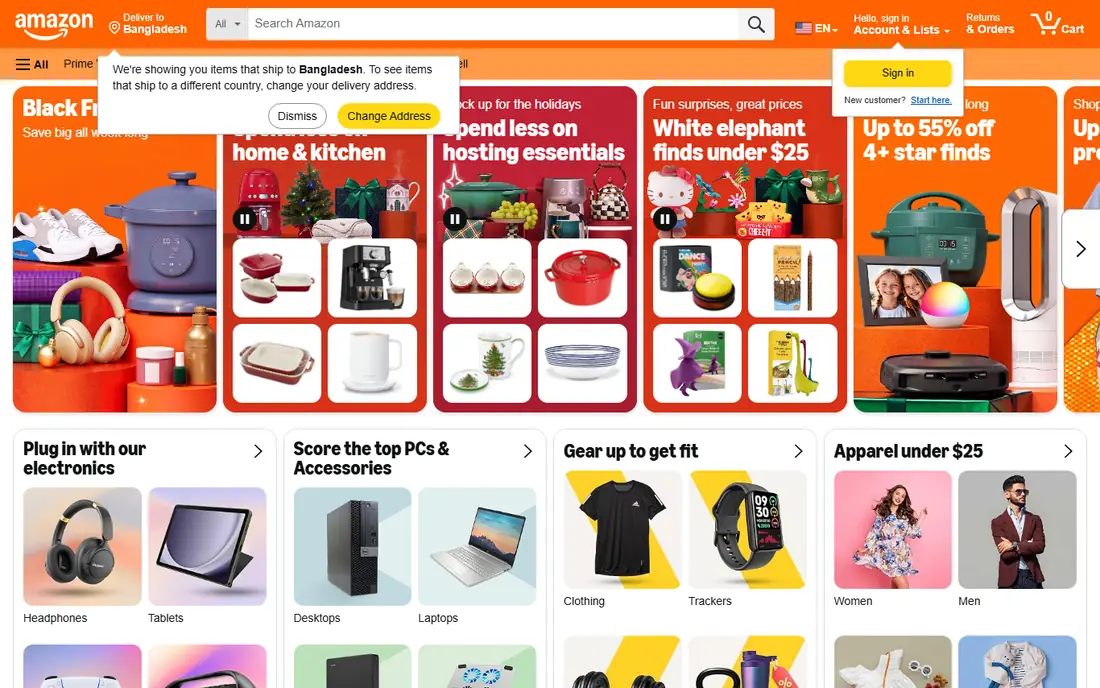
Amazon sells clothing from major brands and independent sellers, with customer reviews and size guides on most listings. We found its strengths, huge range, stand out when compared with the other options on this list, and it fits the widest clothing range in one place without forcing extra complexity on everyday tasks. For many readers, that combination of focus and simplicity is the main reason to shortlist it. The honest catch is worth weighing before you sign up. Quality varies by seller can matter in daily use, and sizing is inconsistent is a second point to check against your needs. Pricing is listed as free, and the free plan status is yes, so check the vendor pricing page for the current terms. If those limits do not block your core job, Amazon is a sensible choice to test for a week with a real task.
- Huge range
- Fast delivery options
- Easy returns on many items
- Quality varies by seller
- Sizing is inconsistent
ASOS
Ideal for: trend-led fashion for younger shoppers
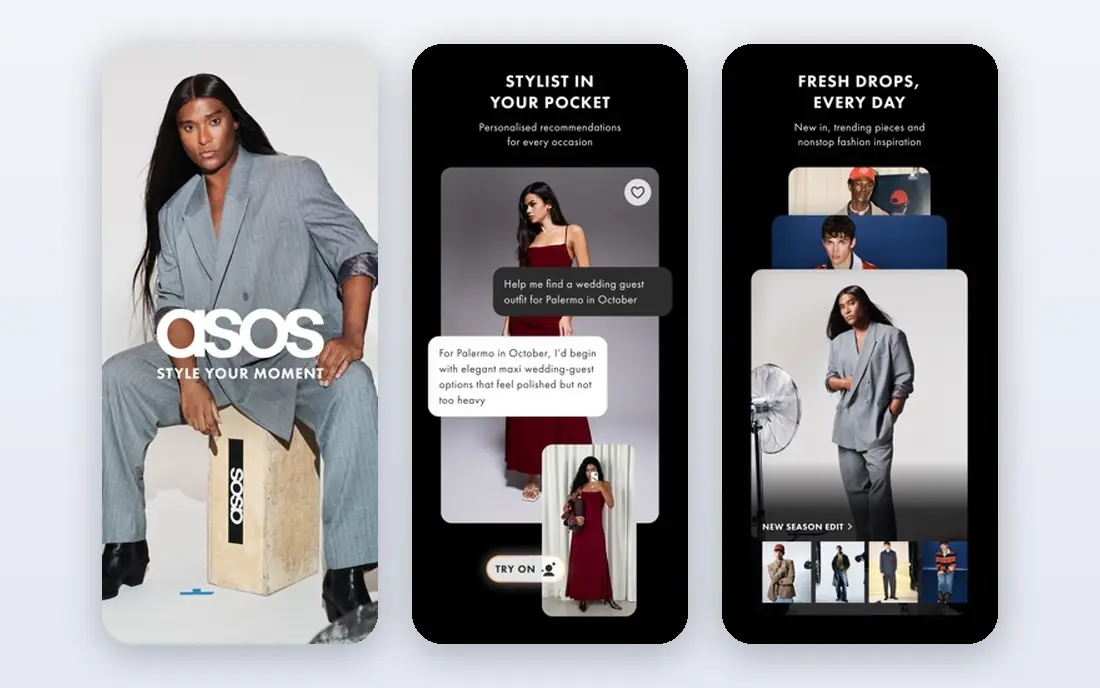
For trend-led fashion for younger shoppers, ASOS is a strong contender. ASOS stocks its own labels alongside other brands, with new styles added frequently. Its strengths include wide trend range; frequent new arrivals; student discount in some regions, which together make it practical for regular use rather than a one-off experiment. We compared its official feature page and pricing with the other options here, and it holds up well on the core job for this topic. No product on this list is perfect, and ASOS is no exception. sizing varies by brand; returns policy varies by region are the main drawbacks to weigh, and they matter more for some readers than for others. With a starting price of free and a free plan status of yes, it is worth testing before paying, and checking the vendor site for the latest plan details. Readers who need the features it lacks should look at the next options on this list instead.
- Wide trend range
- Frequent new arrivals
- Student discount in some regions
- Sizing varies by brand
- Returns policy varies by region
SHEIN
Ideal for: very low prices and a huge catalogue
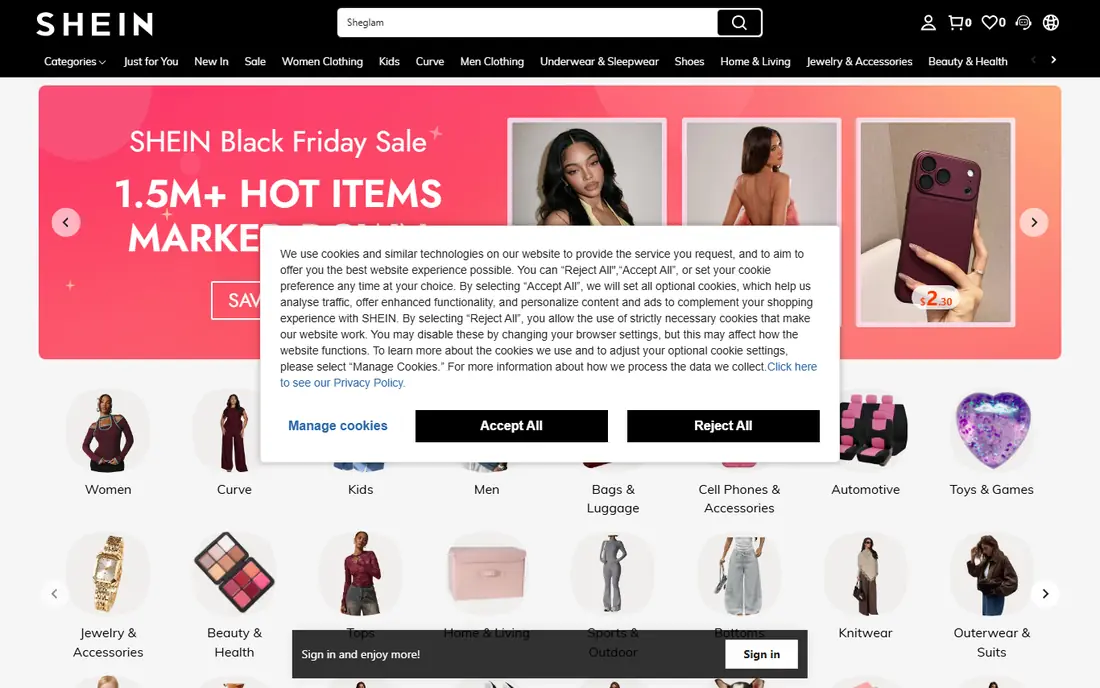
SHEIN earns its place here for very low prices and a huge catalogue. SHEIN is known for low prices and a very large catalogue, and shoppers should check reviews and measurements before ordering. When we compared official pages and public reviews, its strengths, very low prices; huge catalogue; frequent sales, came through clearly, and it is a practical option for people who want to get started without a long setup. It is not the flashiest option on the list, but it does its core job well. Before you choose it, weigh the drawbacks honestly: quality and sizing vary; delivery can be slow. Those limits may not matter for a casual user, but they can frustrate someone who needs the full feature set every day. Starting price is free and free plan status is yes, so confirm the current terms on the vendor website. If the drawbacks do not affect your core job, SHEIN deserves a place on your shortlist.
- Very low prices
- Huge catalogue
- Frequent sales
- Quality and sizing vary
- Delivery can be slow
Zara
Ideal for: fast fashion from a major high street brand
Zara brings its store ranges online, with new collections arriving through the season. We found its strengths, current styles, stand out when compared with the other options on this list, and it fits fast fashion from a major high street brand without forcing extra complexity on everyday tasks. For many readers, that combination of focus and simplicity is the main reason to shortlist it. The honest catch is worth weighing before you sign up. Limited stock on popular items can matter in daily use, and returns window is limited is a second point to check against your needs. Pricing is listed as free, and the free plan status is yes, so check the vendor pricing page for the current terms. If those limits do not block your core job, Zara is a sensible choice to test for a week with a real task.
- Current styles
- Store pickup options
- Regular new drops
- Limited stock on popular items
- Returns window is limited
H&M
Ideal for: affordable everyday clothing
For affordable everyday clothing, H&M is a strong contender. H and M sells affordable everyday clothing for adults and children, with online ordering and store pickup in many regions. Its strengths include affordable basics; wide store network; membership offers, which together make it practical for regular use rather than a one-off experiment. We compared its official feature page and pricing with the other options here, and it holds up well on the core job for this topic. No product on this list is perfect, and H&M is no exception. sizing varies; quality differs across ranges are the main drawbacks to weigh, and they matter more for some readers than for others. With a starting price of free and a free plan status of yes, it is worth testing before paying, and checking the vendor site for the latest plan details. Readers who need the features it lacks should look at the next options on this list instead.
- Affordable basics
- Wide store network
- Membership offers
- Sizing varies
- Quality differs across ranges
Zalando
Ideal for: fashion and shoes across Europe
Zalando earns its place here for fashion and shoes across europe. Zalando is a large European fashion retailer with clothing, shoes and accessories from many brands. When we compared official pages and public reviews, its strengths, large brand range; free delivery in many regions; easy returns, came through clearly, and it is a practical option for people who want to get started without a long setup. It is not the flashiest option on the list, but it does its core job well. Before you choose it, weigh the drawbacks honestly: availability varies by country; prices vary by brand. Those limits may not matter for a casual user, but they can frustrate someone who needs the full feature set every day. Starting price is free and free plan status is yes, so confirm the current terms on the vendor website. If the drawbacks do not affect your core job, Zalando deserves a place on your shortlist.
- Large brand range
- Free delivery in many regions
- Easy returns
- Availability varies by country
- Prices vary by brand
Uniqlo
Ideal for: simple, well-made basics
Uniqlo focuses on simple basics and functional fabrics, with consistent sizing that makes repeat ordering easier. We found its strengths, consistent basics, stand out when compared with the other options on this list, and it fits simple, well-made basics without forcing extra complexity on everyday tasks. For many readers, that combination of focus and simplicity is the main reason to shortlist it. The honest catch is worth weighing before you sign up. Less trend-led choice can matter in daily use, and limited designer ranges is a second point to check against your needs. Pricing is listed as free, and the free plan status is yes, so check the vendor pricing page for the current terms. If those limits do not block your core job, Uniqlo is a sensible choice to test for a week with a real task.
- Consistent basics
- Clear sizing
- Good value on core items
- Less trend-led choice
- Limited designer ranges
Depop
Ideal for: secondhand and vintage clothing
For secondhand and vintage clothing, Depop is a strong contender. Depop is a marketplace where sellers list secondhand and vintage clothing, so each item is usually one of a kind. Its strengths include unique secondhand finds; seller shops; vintage choice, which together make it practical for regular use rather than a one-off experiment. We compared its official feature page and pricing with the other options here, and it holds up well on the core job for this topic. No product on this list is perfect, and Depop is no exception. condition varies by seller; buyer protection rules apply are the main drawbacks to weigh, and they matter more for some readers than for others. With a starting price of free and a free plan status of yes, it is worth testing before paying, and checking the vendor site for the latest plan details. Readers who need the features it lacks should look at the next options on this list instead.
- Unique secondhand finds
- Seller shops
- Vintage choice
- Condition varies by seller
- Buyer protection rules apply
How we picked these
We started from the topic itself and listed only products that exist and work in October 2026 and truly fit that topic, rather than padding the list with near misses. For each product we checked its official feature page and pricing page, its app store listing where one exists, its privacy policy, and public reviews, and we used See website wherever a price could not be confirmed from the vendor site. We favoured products with clear pricing, honest limits and a usable free or trial option, and we noted known weaknesses rather than hiding them. We write as the Ainotely team, and we did not claim hands-on testing that did not happen. Our comparisons rest on the sources listed at the end of this article, and prices, plans and features can change after publication, so the vendor website remains the final source for current terms. If a product changed its pricing or features after our check, the vendor page will show the newer terms.
Choosing the right option for you
Start with the core job
List the one job you need best app to buy clothes online to do well, then judge every option on that job first. A long feature list means little if the core job is awkward, slow or hidden behind extra steps. Shortlist two or three options that handle the core job cleanly, and test them with a real task rather than a demo.
Check the price over a year, not a month
Monthly prices can hide annual costs, add-on fees and limits that matter after the first month. Check what the free plan actually includes, what happens when you hit a limit, and what the annual price would be if you stay. If a product says See website for pricing, open the pricing page before you commit, because plans and prices change.
Look at privacy, support and exit options
Read the privacy policy in plain terms: what data is collected, how it is used, and whether you can export or delete it. Check how support works when something breaks, and whether you can leave without losing your work. A product that is easy to leave is often a safer choice than one that locks your data in.
Try before you commit
Use the free plan or trial for a real week of work, not just an afternoon of clicking around. Note where you get stuck, how often you need help, and whether the product fits your daily routine. The best choice is usually the one you still enjoy using after that week, not the one with the longest feature list.
Frequently asked questions
Which option is best for beginners?
Start with a free plan from a well-known option on this list, and use it for a real task before paying. Beginners benefit most from a simple interface and clear help pages, rather than advanced features they may not use in the first month.
Is there a good free option for best app to buy clothes online?
Yes, several options on this list offer a free plan, though free plans usually limit some features, storage or usage. Check the free plan column in the comparison table, then read the pricing page to see exactly what is included before you sign up.
How much should I expect to pay?
Prices vary widely by product, plan and region, so we list Free or See website where a price could not be confirmed from the vendor site at the time of writing. Paid plans usually add features, higher limits or team tools, so compare the annual cost, not just the monthly figure.
Can I switch later if I pick the wrong one?
In most cases, yes, but switching is easier when you can export your data and cancel without a long contract. Check the export and cancellation terms before you commit, and keep a copy of important work outside the app where possible.
How did we choose these options?
We compared official feature pages, pricing pages, app store listings, privacy policies and public reviews for products that exist and work in October 2026. We favoured products that fit the topic closely, with clear pricing and honest limits, over products with vague claims.