Best App to Find Good Restaurants in 2026: 8 Apps Compared

- 1
 YelpReviews and searchVisit
- 2
 Google MapsMaps plus reviewsVisit
- 3
 TripAdvisorTravel reviewsVisit
- 4
 OpenTableBooking tablesVisit
- 5
 The InfatuationCurated guidesVisit
- Yelp and Google Maps suit most users, with huge review libraries and easy search by location.
- TripAdvisor suits travelers who want reviews plus hotels and attractions in one app.
- OpenTable suits users who want to book a table while they browse.
- The Infatuation, Zomato, Michelin Guide, and HappyCow cover curated guides, local depth, and dietary needs.
Quick comparison
| Product | Ideal for | Price from | Free version | |
|---|---|---|---|---|
| Yelp | Reviews and search | Free | Yes | Visit |
| Google Maps | Maps plus reviews | Free | Yes | Visit |
| TripAdvisor | Travel reviews | Free | Yes | Visit |
| OpenTable | Booking tables | Free | Yes | Visit |
| The Infatuation | Curated guides | Free | Yes | Visit |
 Zomato | Local restaurant depth | Free | Yes | Visit |
 Michelin Guide | Fine dining guide | Free | Yes | Visit |
 HappyCow | Vegan and vegetarian | Free | Yes | Visit |
The best app to find good restaurants
We compared official feature pages, pricing pages, and app-store listings for restaurant discovery apps available in October 2026. The list covers review platforms, booking apps, curated guides, and dietary tools, since finding a good restaurant means different things to different diners.
Yelp
Ideal for: Reviews and search
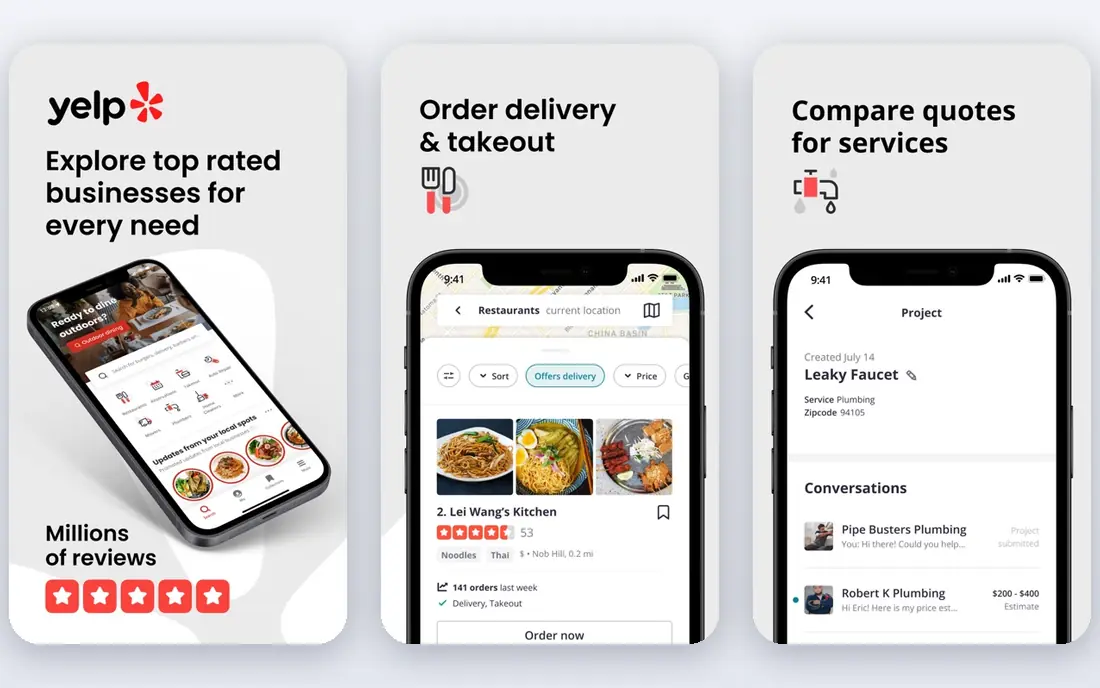
Yelp is a review platform with a huge library of restaurant reviews, photos, menus, and hours, plus filters for price, cuisine, dietary options, and features such as outdoor seating. Users can search by neighborhood, read recent reviews, and save favorites. A free account covers full use.
Review quality varies, and some listings have outdated hours or menus. For a user who wants the broadest review coverage in the US and many other countries, Yelp remains a top choice.
- Huge review library
- Filters for price, cuisine, and features
- Photos and menus
- Review quality varies
- Some listings have outdated info
Google Maps
Ideal for: Maps plus reviews
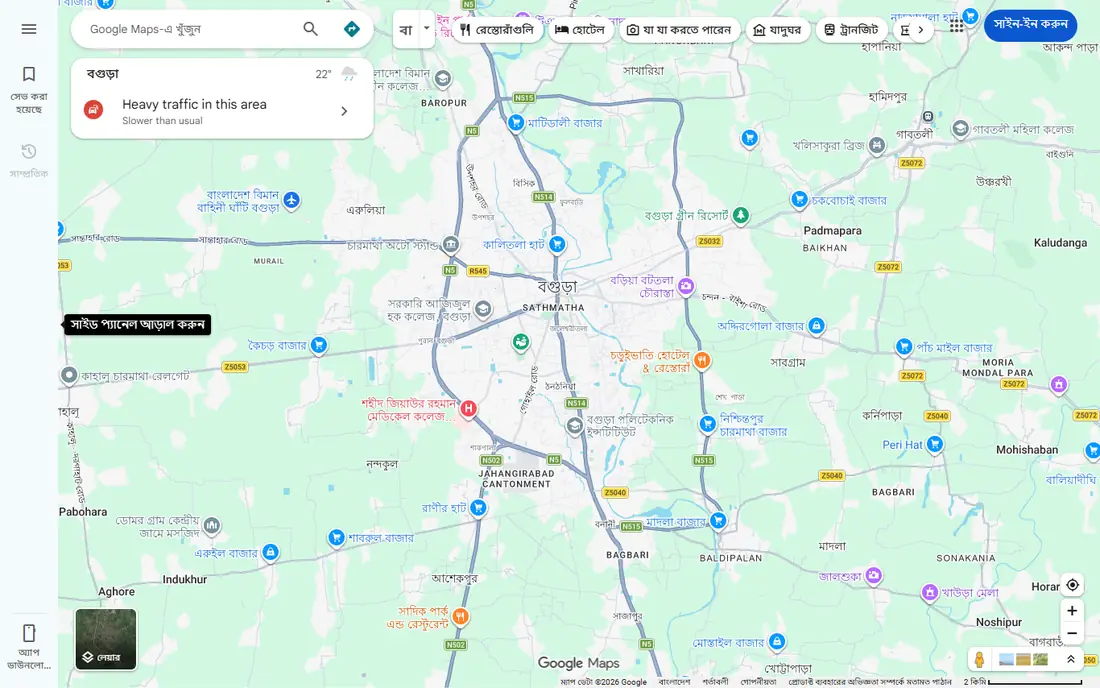
Google Maps combines maps, directions, and restaurant reviews in one app that most phones already have. Users can search nearby, read reviews and photos, check hours and busy times, and navigate to a restaurant. Its review volume is huge, since any Google user can contribute.
Reviews can be brief compared with Yelp or TripAdvisor, and the app is less curated than a guide. For a user who wants to find and navigate to a restaurant in one app, Google Maps is the most convenient choice.
- Built into maps
- Huge review and photo library
- Directions and hours
- Reviews can be brief
- Less curated than guides
TripAdvisor
Ideal for: Travel reviews
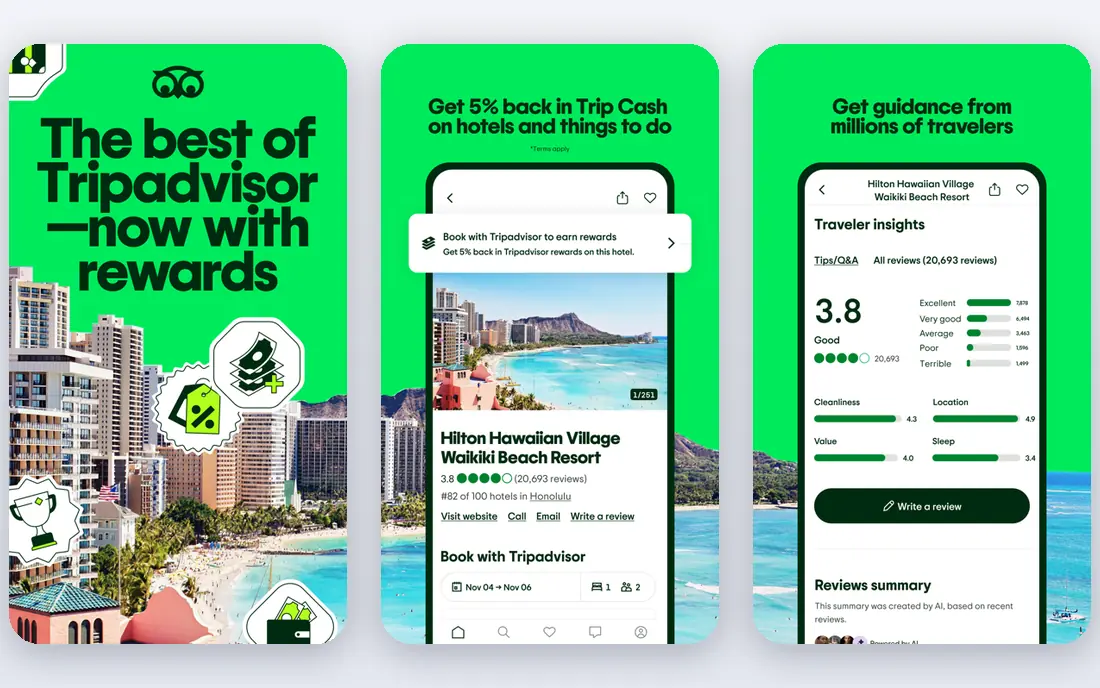
TripAdvisor is a travel platform with restaurant reviews alongside hotels, attractions, and forums. Travelers can plan a trip, read restaurant reviews from other visitors, and compare prices for nearby stays. A free account covers full use, with saved trips and alerts.
Review volume varies by city, and the interface can feel busy. For a traveler who wants restaurants plus the rest of a trip in one app, TripAdvisor is a strong choice.
- Traveler reviews plus hotels and attractions
- Forums
- Price comparisons
- Review volume varies by city
- Interface can feel busy
OpenTable
Ideal for: Booking tables
OpenTable lets users search restaurants, read diner reviews, and book a table in-app, with points and rewards for bookings. Its reviews come from verified diners, which adds trust, and its filters cover cuisine, price, neighborhood, and availability. A free account covers full use.
Coverage varies by city, and not all restaurants accept OpenTable bookings. For a user who wants to find and book in one step, OpenTable is the most useful app here.
- Book tables in-app
- Reviews from diners
- Points and rewards
- Coverage varies by city
- Not all restaurants take OpenTable bookings
The Infatuation
Ideal for: Curated guides
The Infatuation publishes curated, expert-written restaurant guides for major cities, with honest reviews, best-of lists, and neighborhood guides. Its writers visit restaurants and write in a direct style, which helps users pick a spot for a date, a group dinner, or a casual meal. A free account covers guides, with a paid tier for extra features in some cities.
Coverage is limited to major cities, so smaller towns have fewer guides. For a diner in a covered city who wants a trusted pick rather than endless reviews, The Infatuation is a top choice.
- Curated, expert-written guides
- City coverage
- Honest reviews
- Coverage is limited to major cities
- Fewer listings than Yelp
Zomato
Ideal for: Local restaurant depth
Zomato is a restaurant discovery platform with deep local listings, menus, photos, and reviews, plus ordering and table booking in some regions. It covers many countries, with strong depth in India, the Middle East, and other markets. A free account covers browsing and reviews.
Coverage varies by country, and ordering features differ by region. For a diner in a Zomato-strong market, its local depth beats broader platforms.
- Deep local listings
- Menus and photos
- Ordering in some regions
- Coverage varies by country
- Ordering features differ by region
Michelin Guide
Ideal for: Fine dining guide
The Michelin Guide is a trusted guide to fine dining, with inspected restaurants, stars, Bib Gourmand picks for good value, and city guides. Its app and website cover major cities worldwide, with reviews written by inspectors. A free account covers browsing.
The focus is fine dining, so casual and everyday restaurants get less coverage. For a diner planning a special meal, the Michelin Guide's inspected picks are the most trusted source here.
- Trusted fine dining guide
- Inspected restaurants
- City guides
- Focused on fine dining
- Fewer casual listings
HappyCow
Ideal for: Vegan and vegetarian
HappyCow is a guide to vegan, vegetarian, and veg-friendly restaurants, with filters for diet, cuisine, and features, plus community reviews and photos. It covers many cities worldwide, with a focus on plant-based dining. A free account covers browsing, with a paid app option for offline use.
Coverage varies by city, and the library is smaller than Yelp's. For a vegan or vegetarian diner, HappyCow's focused listings save time compared with filtering a general app.
- Vegan and vegetarian listings
- Filters for diet
- Community reviews
- Coverage varies by city
- Smaller library than Yelp
How we picked these
We compared official feature pages, pricing pages, and app-store listings for restaurant discovery apps available in October 2026. We favored apps with current listings, strong review or guide quality, and a clear audience, from travelers to vegans. We also weighed review recency, pattern reliability, and practical details, since a good recommendation depends on current, specific information. We did not include our own product in this list.
How to choose an app to find good restaurants
Start with your situation. Everyday dining points to Yelp or Google Maps, while travel points to TripAdvisor. Booking points to OpenTable, while a special meal points to Michelin Guide or The Infatuation. Dietary needs point to HappyCow, while local depth in some markets points to Zomato.
Then cross-check before you go. Read recent reviews, check hours and menus on the restaurant's own site, and confirm a booking if needed. A single review can mislead, so look for patterns across several recent reviews rather than trusting one rating alone.
Review apps work best when you read like a critic, not a fan. Ignore the single highest and lowest reviews, and look for patterns across recent ones: repeated praise for the same dish, or repeated complaints about slow service, tells you more than any star average. Check review dates too, since a restaurant can change chefs, owners, or quality, and a glowing review from two years ago may no longer apply. For dietary needs, call ahead when it matters, since filters and menus online can be outdated. Also confirm practical details before you go: hours, reservation rules, parking, and whether the kitchen closes early. Finally, save your own notes on places you loved, including what you ordered, so a future visit or a friend's question gets a specific recommendation rather than a vague memory.
Filters and dietary information deserve a test with your real needs, since they vary widely in accuracy. Search for a cuisine, price range, and dietary filter you actually use, and check whether the results match reality by reading menus and recent reviews. For allergies or strict diets, call the restaurant to confirm, since app filters rely on user reports and menus that may be outdated. Also check how the app handles reservations for groups, since party size limits and cancellation policies differ by restaurant and platform. Save a short list of reliable favorites for common occasions, such as a quiet dinner, a group celebration, or a quick lunch, so future decisions take seconds rather than a long scroll through unfamiliar options.
Frequently asked questions
What is the best app to find good restaurants?
Yelp suits most users for broad reviews, while Google Maps suits users who want maps plus reviews in one app. OpenTable suits booking, The Infatuation suits curated picks, and Michelin Guide suits fine dining.
Is Yelp free?
Yes. Yelp is free to browse and review, with a free account for saving favorites and writing reviews. Restaurants can pay for advertising, but browsing and reviews are free for users.
Can I book a table through these apps?
Yes. OpenTable lets users book tables in-app at participating restaurants, while Yelp and Google Maps link to booking options where available. Always confirm a booking with the restaurant for important occasions.
What is the Michelin Guide?
The Michelin Guide is a restaurant guide based on anonymous inspections, awarding stars for exceptional cooking and Bib Gourmand picks for good value. It covers fine dining in major cities worldwide.
Which app is best for vegan restaurants?
HappyCow is built for vegan and vegetarian dining, with filters and community reviews for plant-based options. Yelp and Google Maps also offer vegan filters, but HappyCow's focused listings save time.
How do I tell if restaurant reviews are fake?
Look for patterns: many reviews posted on the same day, vague praise with no dish details, or profiles with only one review can signal fake feedback. Genuine reviews usually mention specific dishes, service details, or occasions. Cross-check across two apps, and give more weight to reviewers with a history of varied reviews. A restaurant with a mix of positive and critical reviews is often more trustworthy than one with only perfect scores.