Best App to Sell Stuff for Free in 2026: 8 Apps Compared

- 1
 Facebook MarketplaceLocal selling to a huge audienceVisit
- 2
 CraigslistSimple local classifiedsVisit
- 3
 eBayNational sales and auctionsVisit
- 4
 MercariEasy phone-based sellingVisit
- 5
 OfferUpLocal buying and sellingVisit
- Facebook Marketplace is the best free selling app for most people, with a huge local audience and no listing fees for most items.
- Craigslist remains the simplest free option for local sales, with no account fees and direct buyer contact.
- eBay suits items that sell better nationally, though selling fees apply once items sell, so it is not fully free.
- Mercari, OfferUp, Poshmark, and Vinted suit specific categories, from clothes to electronics, with buyer protection built in.
- Meet buyers in public places, accept secure payments, and never share codes or personal banking details. Free selling should never cost you a scam loss.
Quick comparison
| Product | Ideal for | Price from | Free version | |
|---|---|---|---|---|
| Facebook Marketplace | Local selling to a huge audience | Free | Yes | Visit |
| Craigslist | Simple local classifieds | Free | Yes | Visit |
| eBay | National sales and auctions | Free | Yes | Visit |
| Mercari | Easy phone-based selling | Free | Yes | Visit |
| OfferUp | Local buying and selling | Free | Yes | Visit |
 Nextdoor | Selling to neighbors | Free | Yes | Visit |
 Poshmark | Selling clothes and fashion | Free | Yes | Visit |
 Vinted | Selling secondhand clothes | Free | Yes | Visit |
The best apps to sell stuff for free
We compared official feature pages, pricing pages, app store listings, and public reviews for the apps below. Our pick for most sellers is Facebook Marketplace, because it combines a huge local audience, free listings for most items, and easy messaging in an app people already use.
Facebook Marketplace
Ideal for: Local selling to a huge audience
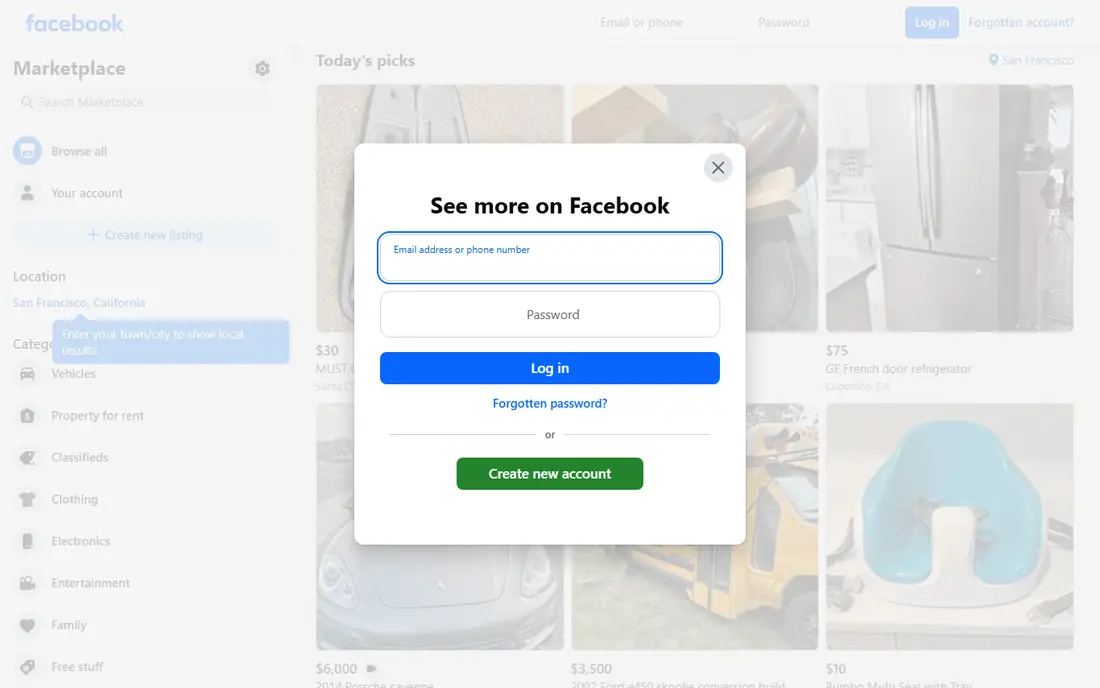
Facebook Marketplace is where most local selling happens. List an item with photos and a price, reach buyers in your area, and chat in Messenger to arrange pickup. Local listings are free for most categories, and the audience is far larger than any rival.
The size brings noise: low offers, no-shows, and scams are common, so meet in public and never share verification codes. Shipped sales through Facebook carry selling fees, so local pickup is the truly free path. For reach and ease, Marketplace is our pick.
- Huge local buyer audience
- Free listings for most local items
- Easy photos, messaging, and sharing
- Scams and no-shows are common
- Shipped sales carry selling fees
- Buyer quality varies
Craigslist
Ideal for: Simple local classifieds
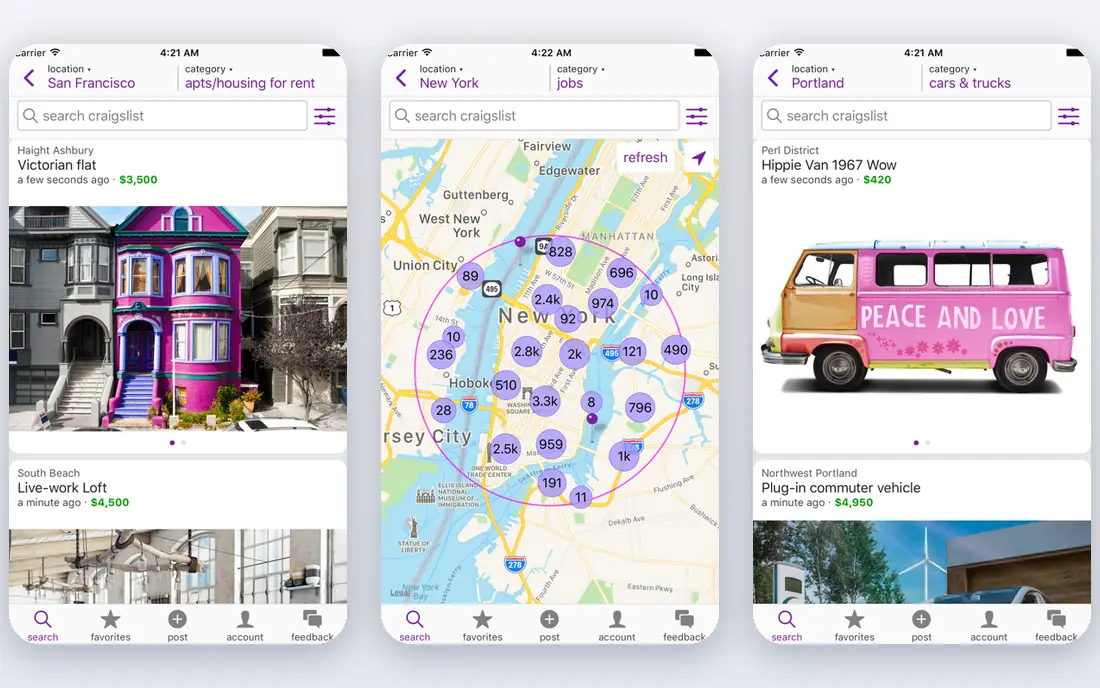
Craigslist is the original free classifieds site, and it still works. Post a listing with photos and a description, get email replies, and arrange a local sale with no fees and no middleman. Some categories and cities charge small posting fees, but most local sales are free.
There is no payment protection, no ratings system, and no app polish, so safety depends on you. Meet in public, take cash or a secure payment, and ignore overpayment and shipping scams. For simple local sales, Craigslist remains hard to beat.
- Free listings in most categories
- No account or app needed
- Direct email contact with buyers
- No buyer protection or payments built in
- Outdated interface
- Scams need careful filtering
eBay
Ideal for: National sales and auctions
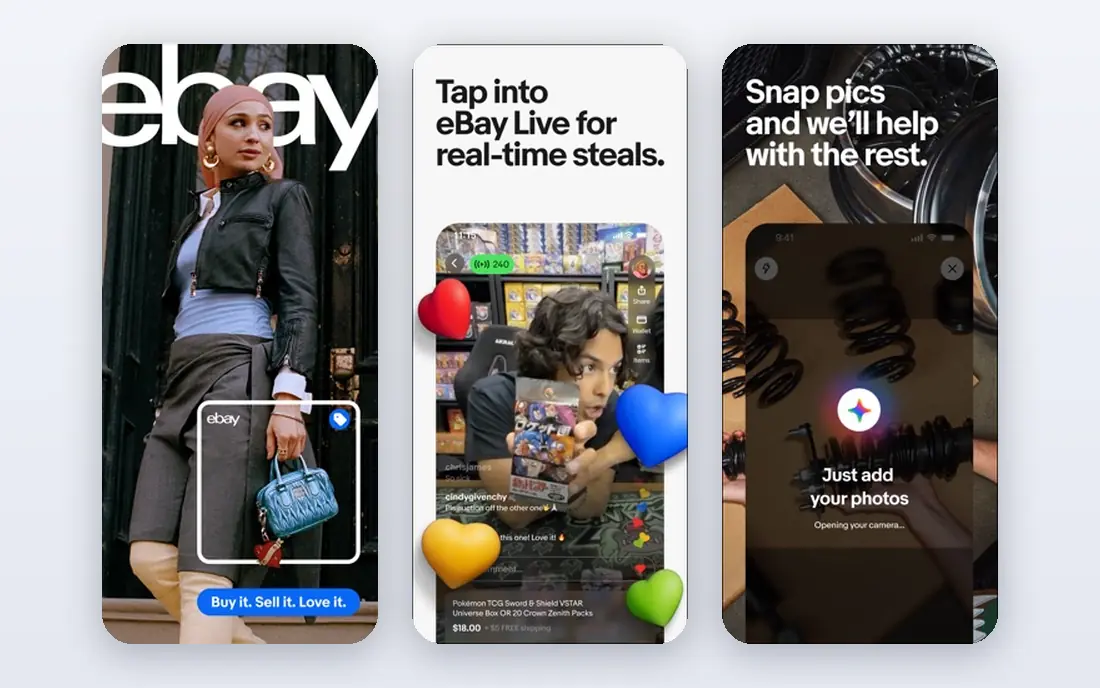
eBay is free to list in most cases, with fees charged only when an item sells, plus payment processing. That makes it a good choice for items that need a national audience: collectibles, electronics, rare books, and branded goods that local buyers may not want.
Selling takes more work, with shipping, returns, and fees to manage. For local furniture or bulky items, Marketplace or Craigslist is usually better. For anything with national demand, eBay earns its fees with reach.
- Huge national and global buyer pool
- Auctions and fixed prices
- Seller protection and managed payments
- Final value fees apply when items sell
- Listing is more work than local apps
- Returns can frustrate sellers
Mercari
Ideal for: Easy phone-based selling
Mercari makes phone selling easy: photograph an item, set a price, and list in minutes. Buyers pay through the app, Mercari holds payment until delivery is confirmed, and shipping labels simplify sending. Categories cover clothes, electronics, home goods, and collectibles.
Listing is free, but a selling fee applies when items sell, so it is not fully free at checkout. For easy national selling from your phone, Mercari is one of the smoothest options.
- Fast listing from your phone
- Buyer protection and managed payments
- Broad categories from clothes to electronics
- Selling fees apply when items sell
- Shipping through Mercari is the norm
- Returns can occur
OfferUp
Ideal for: Local buying and selling
OfferUp blends local and shipped selling, with buyer profiles and ratings that help judge trustworthiness. Listing is free, local pickup avoids selling fees, and shipped sales use OfferUp payments with protection for both sides.
Shipped sales carry fees, and local deals still need public meetups and caution. For sellers who want a dedicated selling app rather than Facebook, OfferUp is a strong alternative.
- Local and shipped sales in one app
- Buyer ratings and profiles
- Easy listing with photos
- Selling fees for shipped items
- Local scams still occur
- Audience is smaller than Marketplace
Nextdoor
Ideal for: Selling to neighbors
Nextdoor is a neighborhood network where you can sell items to verified nearby neighbors. That local trust makes pickups easy and reduces no-shows compared with anonymous marketplaces, and listings are free.
The audience is limited to your neighborhood and nearby areas, so rare or niche items may not find buyers. For household goods, furniture, and kids items that neighbors actually want, Nextdoor is a friendly, free option.
- Sells to verified neighbors nearby
- Trusted local community feel
- Free listings
- Audience is limited to your neighborhood area
- Categories are narrower
- Not suited to national sales
Poshmark
Ideal for: Selling clothes and fashion
Poshmark is the social marketplace for fashion, where sellers list clothes, shoes, and accessories, share listings to boost visibility, and join virtual shopping parties. Buyers pay through the app, and prepaid shipping labels simplify sending.
Listing is free, but Poshmark takes a 20 percent fee on sales over $15, which is steep compared with local apps. For fashion sellers who want a large, engaged buyer pool, Poshmark's audience often justifies the fee.
- Large fashion buyer community
- Social sharing boosts listings
- Managed payments and shipping
- Selling fee is 20 percent for sales over $15
- Fashion-only focus
- Listing and sharing take effort
Vinted
Ideal for: Selling secondhand clothes
Vinted stands out because sellers generally pay no selling fees, with buyer protection costs paid by buyers instead. That makes it one of the closest options to truly free selling for secondhand clothes, shoes, and accessories, with a large community across the US and Europe.
It is fashion-focused, so furniture and electronics belong elsewhere, and availability varies by country. For clearing out a closet without losing a cut to fees, Vinted is the best choice here.
- No selling fees for sellers in most markets
- Large secondhand fashion community
- Buyer protection fee paid by buyers
- Fashion-focused, not general goods
- Buyer protection fee can deter some buyers
- Availability varies by country
How we picked these
We compared official feature pages, pricing pages, app store listings, and public reviews for each app, and we favored apps still operating in October 2026 that let individuals list items for free. We left out consignment shops that take your items, auction houses, and business-only marketplaces. Note that homepage checks for this article were limited by a browser rate-limit error during our work, so readers should confirm current fees on each vendor site, since "free to list" and "free to sell" are not the same thing.
Selling safely for free
Meet in public, daylight places for local sales, such as police station exchange zones, busy stores, or bank lobbies. Bring a friend for larger items, and never invite strangers into your home for a first meeting. For shipped sales, use the platform's payment system rather than gift cards, wire transfers, or payment apps that offer no protection.
Watch for common scams: buyers who overpay and ask for a refund, buyers who send fake payment screenshots, and anyone who asks for verification codes. Real buyers do not need your codes, bank details, or extra payments to complete a purchase. If a deal feels rushed or strange, walk away.
Pricing used items well starts with checking what similar items actually sold for, not what sellers are asking. Search completed listings on your chosen app, filter to your condition and area, and price slightly below the average if you want a fast sale, or at the average if you can wait. Photos matter as much as price: natural light, a clean background, and shots of flaws as well as strengths build trust and cut down on questions. A short honest description, with measurements, condition, and reason for selling, answers most buyer questions before they are asked.
Timing and bundling also help. List seasonal items before the season starts, and bundle small items that sell slowly on their own, since buyers prefer one pickup to several. Respond promptly to messages, keep the first buyer who commits, and confirm pickup time and place in writing. After the sale, remove the listing everywhere you posted it, since stale listings waste everyone's time. Selling for free still costs effort, but good photos, fair prices, and fast replies turn that effort into sales.
Frequently asked questions
What is the best app to sell stuff for free?
Facebook Marketplace is our pick for most sellers, with a huge local audience and free local listings. Craigslist suits simple local sales, while Vinted suits free fashion selling.
Is Facebook Marketplace really free?
Local listings on Marketplace are free for most items, but shipped sales through Facebook carry selling fees. Local pickup is the way to sell with no fees.
What sells best on free selling apps?
Furniture, household goods, kids items, and electronics sell well locally, while clothes, collectibles, and branded goods often do better on national apps like eBay, Poshmark, or Vinted.
How do I avoid scams when selling online?
Meet in public, use platform payments for shipped sales, never share verification codes, and ignore overpayment offers. If a buyer pressures you to move off the platform, stop the deal.
Should I sell locally or ship items?
Sell bulky or low-value items locally to avoid shipping costs and fees, and ship rare, branded, or niche items nationally where the buyer pool is larger and prices are higher.