Best Application Server Software in 2026: 8 Compared

- 1
 Apache TomcatJava web applicationsVisit
- 2
 WildFlyopen source Java application serverVisit
- 3
 IBM WebSphereenterprise Java applicationsVisit
- 4
 Oracle WebLogicenterprise Java applicationsVisit
- 5
 Payara ServerJava application server with supportVisit
- Tomcat and Jetty suit lightweight Java web apps, while WildFly and Payara suit full enterprise Java.
- IBM, Oracle and Red Hat options suit companies that need vendor support and enterprise controls.
- Match the server to your language and framework first: Java servers do not run ASP.NET apps.
- Test clustering, security and deployment workflows before standardising on a server.
Quick comparison
| Product | Ideal for | Price from | Free version | |
|---|---|---|---|---|
| Apache Tomcat | Java web applications | See website | Yes | Visit |
| WildFly | open source Java application server | See website | Yes | Visit |
| IBM WebSphere | enterprise Java applications | See website | No | Visit |
| Oracle WebLogic | enterprise Java applications | See website | No | Visit |
| Payara Server | Java application server with support | See website | Yes | Visit |
 Jetty | lightweight Java server | See website | Yes | Visit |
 Red Hat JBoss EAP | supported Java application server | See website | No | Visit |
 Microsoft IIS | Windows web and app hosting | See website | No | Visit |
The best application server software
Application server software hosts and runs applications, handling requests, sessions, security and connections to databases. Java application servers differ from web servers and Windows hosting. This guide compares the main options.
Apache Tomcat
Ideal for: Java web applications
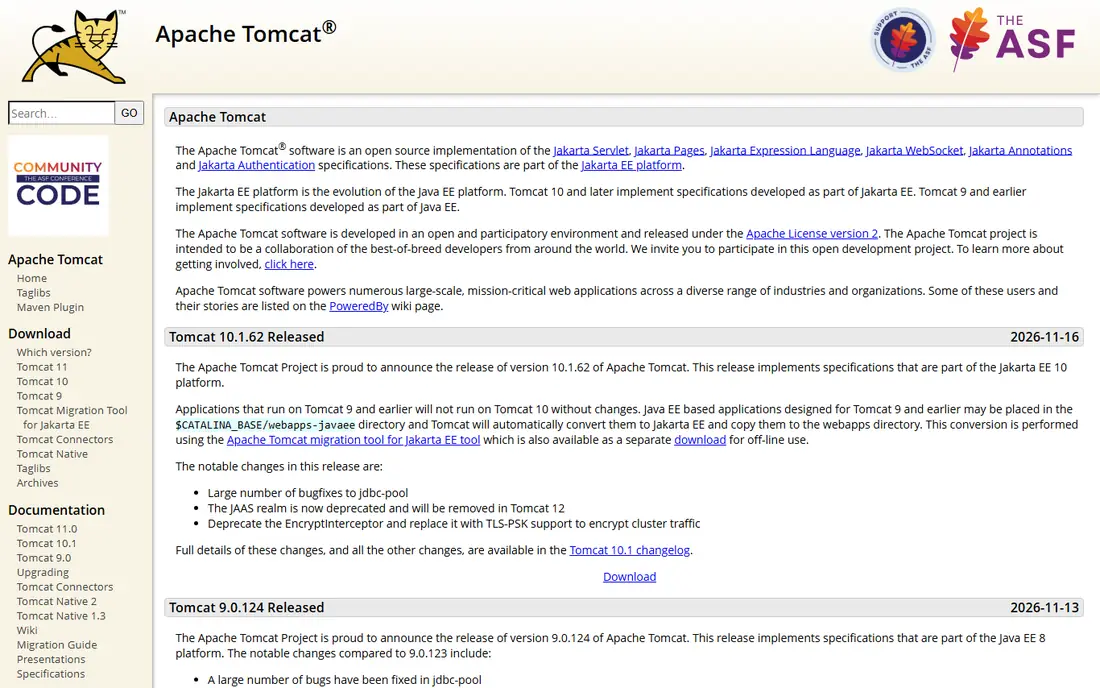
For many buyers, this is the natural starting point. Apache Tomcat is a free, open source server for Java web applications and servlets. It suits teams running Java web apps without needing a full enterprise application server. On pricing, the starting price is listed above, and where a vendor does not publish a clear price we list it as See website. Check what is included at that level, because seats, usage limits and add-ons often change the real monthly cost. It focuses on servlets and JSP, so full Java EE features need other tools or libraries. That trade-off does not make this a poor choice, but it does decide who should pick it. If the weakness touches your main use case, look at another option on this list. If it touches only a secondary need, the strengths here may still make it our pick for you.
- Free
- Widely used
- Simple setup
- Java servlet focus
- Not a full Java EE server
WildFly
Ideal for: open source Java application server
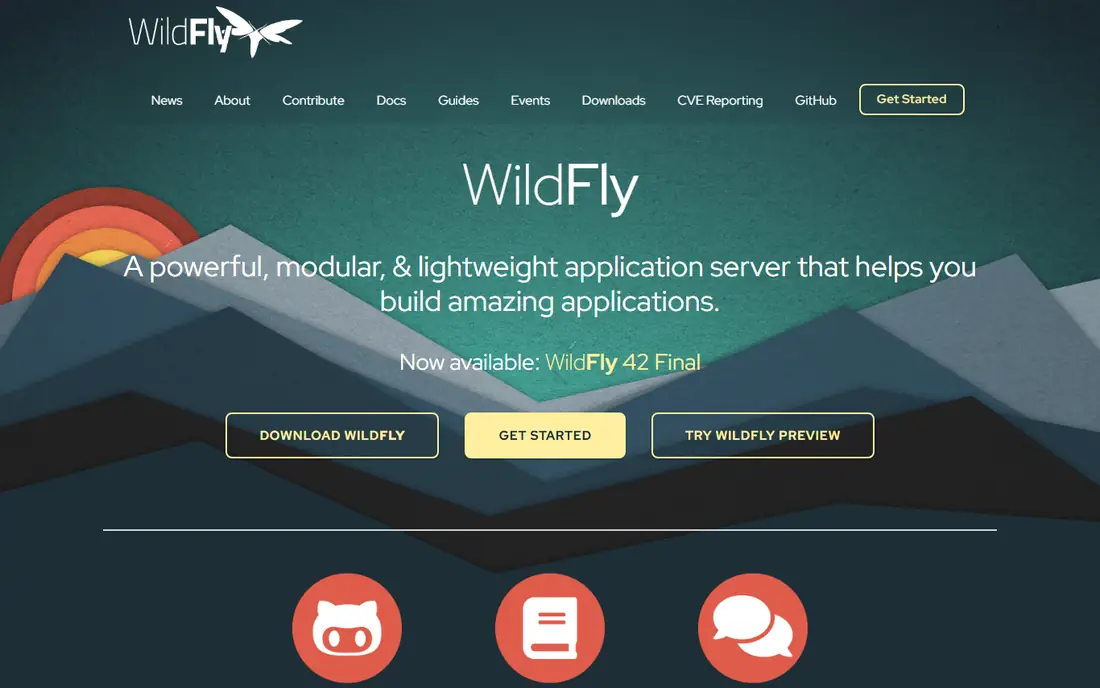
This is a strong choice when the basics matter most. WildFly, formerly JBoss, is an open source Java application server with full enterprise features. It suits teams that need clustering, messaging and enterprise Java support without licence costs. On pricing, the starting price is listed above, and where a vendor does not publish a clear price we list it as See website. Check what is included at that level, because seats, usage limits and add-ons often change the real monthly cost. Setup needs Java expertise, and the interface is technical. That trade-off does not make this a poor choice, but it does decide who should pick it. If the weakness touches your main use case, look at another option on this list. If it touches only a secondary need, the strengths here may still make it our pick for you.
- Free
- Full Java EE support
- Clustering
- Setup needs Java expertise
- Interface is technical
IBM WebSphere
Ideal for: enterprise Java applications
What sets this option apart is its focus on a clear use case. IBM WebSphere Application Server offers enterprise Java hosting with security and management tools. It suits large companies with IBM systems and strict enterprise needs. On pricing, the starting price is listed above, and where a vendor does not publish a clear price we list it as See website. Check what is included at that level, because seats, usage limits and add-ons often change the real monthly cost. Pricing is enterprise level, and setup is complex. That trade-off does not make this a poor choice, but it does decide who should pick it. If the weakness touches your main use case, look at another option on this list. If it touches only a secondary need, the strengths here may still make it our pick for you.
- Enterprise scale
- Security
- IBM support
- Enterprise pricing
- Complex setup
Oracle WebLogic
Ideal for: enterprise Java applications
Teams that want a straightforward setup should look closely here. Oracle WebLogic Server offers enterprise Java application hosting with clustering and management. It suits companies using Oracle databases and middleware. On pricing, the starting price is listed above, and where a vendor does not publish a clear price we list it as See website. Check what is included at that level, because seats, usage limits and add-ons often change the real monthly cost. Pricing and licensing are enterprise level and complex. That trade-off does not make this a poor choice, but it does decide who should pick it. If the weakness touches your main use case, look at another option on this list. If it touches only a secondary need, the strengths here may still make it our pick for you.
- Enterprise Java
- Clustering
- Oracle link
- Enterprise pricing
- Licensing is complex
Payara Server
Ideal for: Java application server with support
This option earns its place through a different strength than the leaders. Payara Server is an open source Java application server derived from GlassFish, with support options. It suits teams that want open source Java EE hosting with commercial support available. On pricing, the starting price is listed above, and where a vendor does not publish a clear price we list it as See website. Check what is included at that level, because seats, usage limits and add-ons often change the real monthly cost. Enterprise support costs apply, and the community is smaller than Tomcat. That trade-off does not make this a poor choice, but it does decide who should pick it. If the weakness touches your main use case, look at another option on this list. If it touches only a secondary need, the strengths here may still make it our pick for you.
- Open source core
- Support options
- Cloud tools
- Support costs for enterprise use
- Smaller community than Tomcat
Jetty
Ideal for: lightweight Java server
For buyers with a specific need, this one deserves a closer look. Jetty is a lightweight, embeddable Java server from the Eclipse Foundation. It suits developers who embed a server inside an application or need a light web server. On pricing, the starting price is listed above, and where a vendor does not publish a clear price we list it as See website. Check what is included at that level, because seats, usage limits and add-ons often change the real monthly cost. It has a smaller feature set than full application servers, and needs Java knowledge. That trade-off does not make this a poor choice, but it does decide who should pick it. If the weakness touches your main use case, look at another option on this list. If it touches only a secondary need, the strengths here may still make it our pick for you.
- Lightweight
- Embeddable
- Free
- Smaller feature set
- Needs Java knowledge
Red Hat JBoss EAP
Ideal for: supported Java application server
This is worth considering when budget or simplicity is a priority. Red Hat JBoss Enterprise Application Platform is the supported version of WildFly. It suits companies that want WildFly with Red Hat support and security updates. On pricing, the starting price is listed above, and where a vendor does not publish a clear price we list it as See website. Check what is included at that level, because seats, usage limits and add-ons often change the real monthly cost. Subscription costs apply, and it is enterprise focused. That trade-off does not make this a poor choice, but it does decide who should pick it. If the weakness touches your main use case, look at another option on this list. If it touches only a secondary need, the strengths here may still make it our pick for you.
- Supported WildFly base
- Security
- Red Hat support
- Subscription cost
- Enterprise focus
Microsoft IIS
Ideal for: Windows web and app hosting
Our shortlist would feel incomplete without this option. Microsoft IIS, Internet Information Services, hosts web applications on Windows Server. It suits teams running ASP.NET applications on Windows. On pricing, the starting price is listed above, and where a vendor does not publish a clear price we list it as See website. Check what is included at that level, because seats, usage limits and add-ons often change the real monthly cost. It is Windows only and not a Java application server, so Java teams should look elsewhere. That trade-off does not make this a poor choice, but it does decide who should pick it. If the weakness touches your main use case, look at another option on this list. If it touches only a secondary need, the strengths here may still make it our pick for you.
- Windows integration
- ASP.NET support
- Management tools
- Windows only
- Not a Java application server
How we picked these
We compared official feature pages, pricing pages, app store listings, privacy policies and public reviews for each product on this list. We checked that each product exists, works in October 2026 and truly fits the topic, and we left out products that did not fit even when they were well known in a nearby category. We also weighed who each product suits, what it does well and where it falls short. Prices change, so where we could not verify a current price from the vendor we wrote See website. We did not claim hands-on testing that did not happen, and we focused on facts a buyer can check before paying.
How to choose an application server
First, start here
Start with language and framework. Java applications need a Java server such as Tomcat, WildFly or Payara. ASP.NET applications need IIS on Windows. Choosing the wrong server type creates integration work and support problems.
Next, check the details
Check enterprise needs. Clustering, messaging, security and management tools matter for production systems. Lightweight servers suit simple apps, while enterprise servers suit high availability and compliance needs. Do not pay for enterprise features you will not use.
Finally, decide with confidence
Check support and lifecycle. Open source servers need internal expertise or a support subscription. Vendor servers offer support but cost more. Check update frequency, security patching and how long each version is supported before committing.
Frequently asked questions
What is application server software?
Application server software runs applications and handles requests, sessions, security and database connections. It sits between clients and backend systems. Java application servers, such as Tomcat and WildFly, host Java applications, while IIS hosts Windows applications.
What is the difference between Tomcat and WildFly?
Tomcat is a lightweight server for Java servlets and web applications. WildFly is a full Java application server with enterprise features such as clustering and messaging. Choose Tomcat for simple web apps and WildFly for full enterprise Java.
Is Apache Tomcat free?
Yes, Apache Tomcat is free and open source. It is widely used for Java web applications. Support comes from the community unless a third party support contract is purchased.
What application server should I use for ASP.NET?
Microsoft IIS on Windows Server is the standard host for ASP.NET applications. Java application servers do not run ASP.NET apps. Check Windows Server licensing and IIS version support for your framework.
Do I need an application server or just a web server?
A web server serves static content and simple requests. An application server runs application logic, manages sessions and connects to databases. Modern apps often use both, with a web server in front of an application server.