Best Apps for Kids to Learn Math in 2026: 8 Apps Compared

- 1
 Khan Academy KidsFree learning for young kidsVisit
- 2
 Prodigy MathGame-led maths practiceVisit
- 3
 IXL MathDetailed practice and trackingVisit
- 4
 MathleticsSchool-aligned maths practiceVisit
- 5
 SplashLearnGame maths for early gradesVisit
- Khan Academy Kids and Zearn suit families who want strong free maths content.
- Prodigy and SplashLearn suit kids who learn best through games and rewards.
- IXL and DreamBox suit parents who want detailed progress tracking and adaptive practice.
- Check age range and curriculum fit first, since a great app for age 8 may bore or frustrate a child at age 5.
Quick comparison
| Product | Ideal for | Price from | Free version | |
|---|---|---|---|---|
| Khan Academy Kids | Free learning for young kids | Free | Yes | Visit |
| Prodigy Math | Game-led maths practice | Free | Yes | Visit |
| IXL Math | Detailed practice and tracking | See website | Free trial | Visit |
| Mathletics | School-aligned maths practice | See website | Free trial | Visit |
| SplashLearn | Game maths for early grades | Free | Yes | Visit |
 DreamBox | Adaptive maths for elementary kids | See website | Free trial | Visit |
 Zearn Math | Free classroom-style maths | Free | Yes | Visit |
 Monster Math | Game maths with monsters | Free | Yes | Visit |
The best apps for kids to learn math
We compared maths apps for kids on age fit, curriculum coverage, game quality, progress tracking and pricing. The best app is the one a child willingly opens, so engagement matters as much as curriculum. Our pick for most families is Khan Academy Kids for younger children, with Prodigy as the game-led alternative for older kids.
Khan Academy Kids
Ideal for: Free learning for young kids
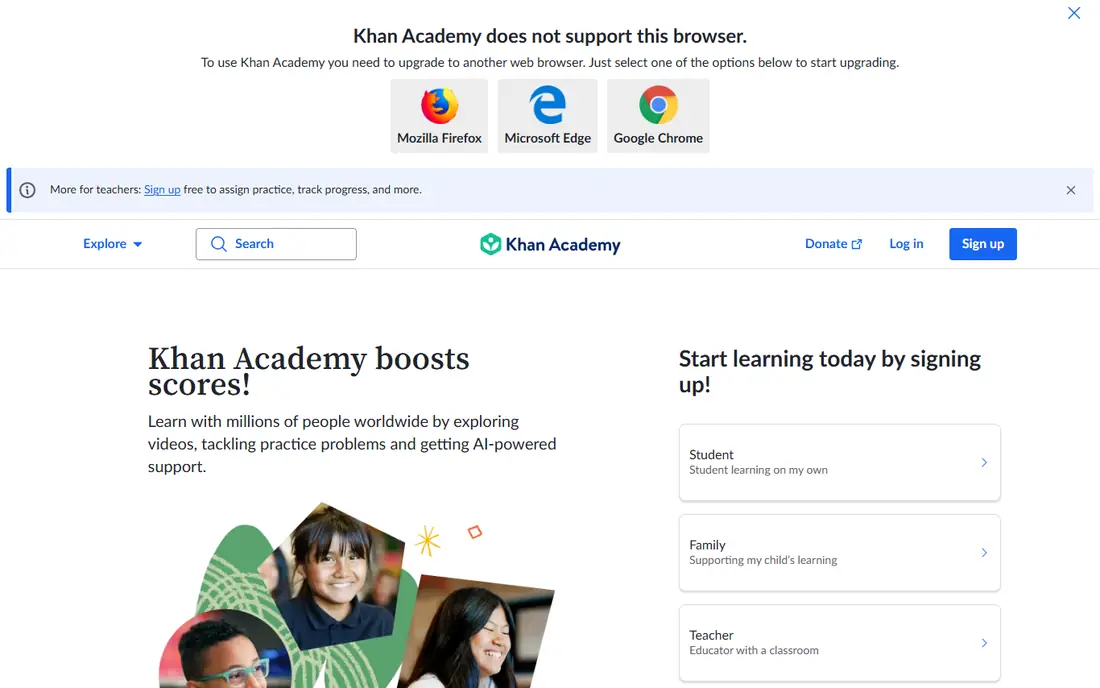
Khan Academy Kids offers free, ad-free learning for young children, with early maths alongside reading and social skills. Playful characters and short activities suit ages 2 to 8. Older children outgrow it, so families with kids over 8 should look at Prodigy, IXL or Zearn instead.
For most readers, the deciding question with Khan Academy Kids is fit rather than raw feature count. Check the plan limits that matter to you, such as seats, usage caps and what happens when a trial ends, before you commit to a paid tier. If the free tier or trial covers your core task, use it for a full week of real work before paying, and keep an eye on renewal terms and cancellation steps. That short test usually tells you more than any feature list, and it keeps the choice grounded in how you actually work day to day.
- Free with no ads
- Early maths and reading
- Playful characters
- Best for younger kids
- Older kids outgrow it
Prodigy Math
Ideal for: Game-led maths practice
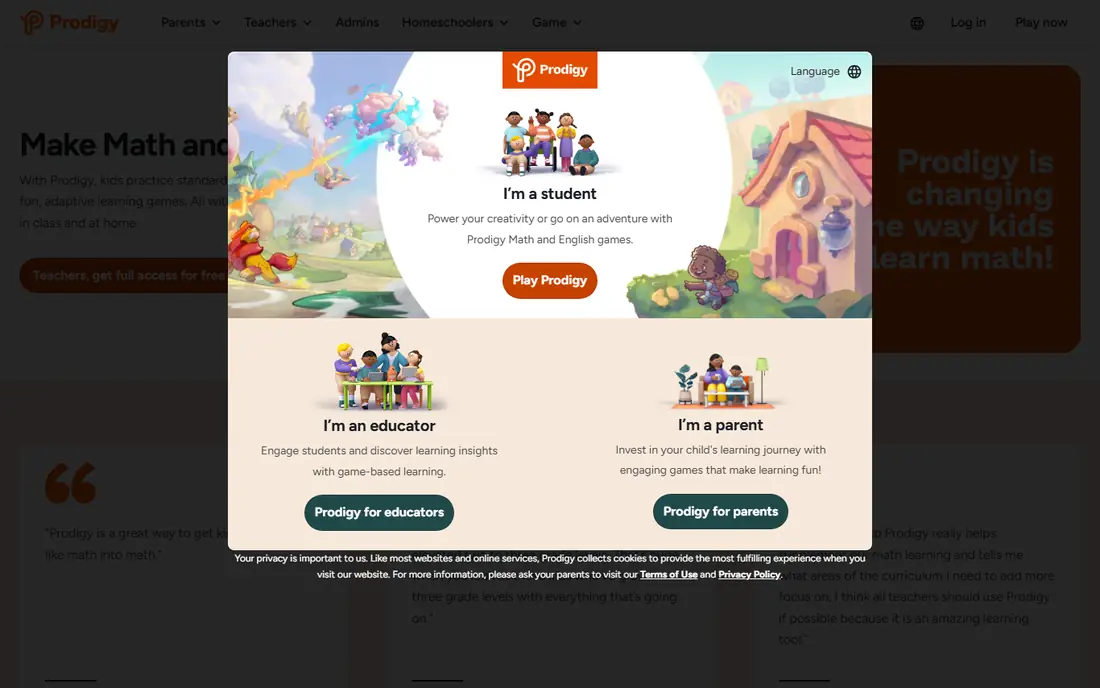
Prodigy Math turns practice into a role-playing game where maths answers power battles and progress. That game loop keeps many children practising longer than worksheets do. In-game purchases need parental supervision, and some content sits behind paid membership, so set spending controls before handing over a device.
For most readers, the deciding question with Prodigy Math is fit rather than raw feature count. Check the plan limits that matter to you, such as seats, usage caps and what happens when a trial ends, before you commit to a paid tier. If the free tier or trial covers your core task, use it for a full week of real work before paying, and keep an eye on renewal terms and cancellation steps. That short test usually tells you more than any feature list, and it keeps the choice grounded in how you actually work day to day.
- Role-playing game with maths battles
- Curriculum aligned
- Teacher tools
- In-game purchases need supervision
- Free content has limits
IXL Math
Ideal for: Detailed practice and tracking
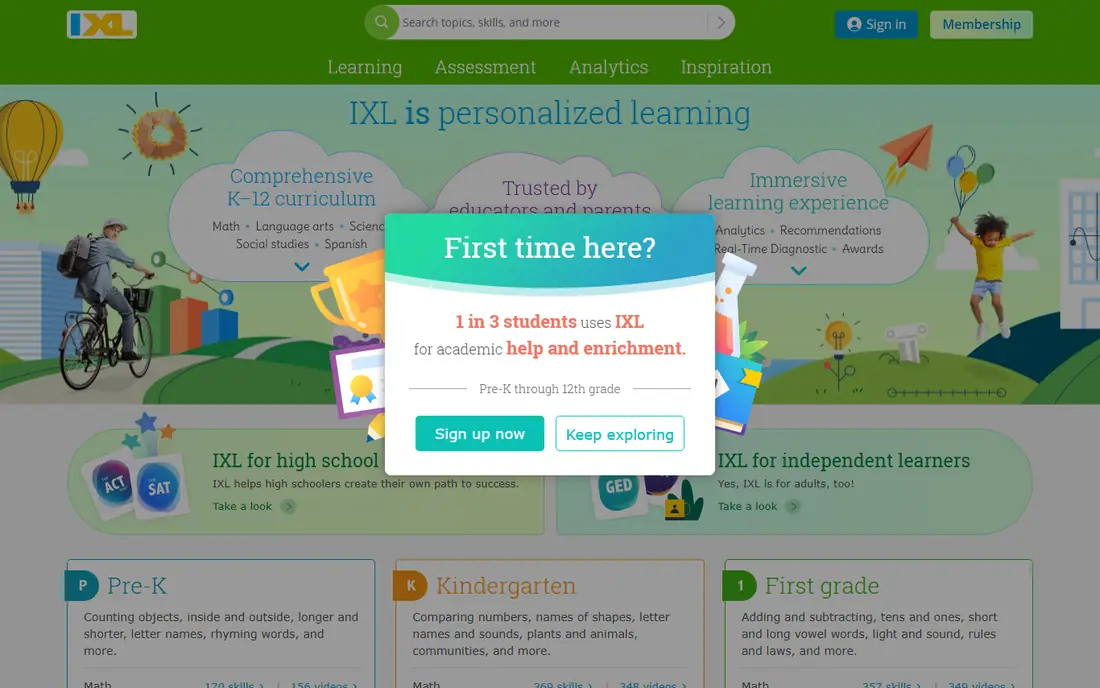
IXL Math offers adaptive practice across grades with detailed diagnostics that show exactly where a child struggles. That data helps parents and teachers target help. The experience is less game-like than Prodigy, so children who need game motivation may prefer a rival, and full access needs a subscription.
For most readers, the deciding question with IXL Math is fit rather than raw feature count. Check the plan limits that matter to you, such as seats, usage caps and what happens when a trial ends, before you commit to a paid tier. If the free tier or trial covers your core task, use it for a full week of real work before paying, and keep an eye on renewal terms and cancellation steps. That short test usually tells you more than any feature list, and it keeps the choice grounded in how you actually work day to day.
- Adaptive practice
- Detailed diagnostics
- Wide grade coverage
- Subscription cost
- Less game-like than rivals
Mathletics
Ideal for: School-aligned maths practice
Mathletics provides curriculum-aligned activities, live maths challenges and progress reports used by many schools. That school alignment helps homework support. Pricing varies for families versus schools, and the interface feels school-like rather than game-like, which suits some children and bores others.
For most readers, the deciding question with Mathletics is fit rather than raw feature count. Check the plan limits that matter to you, such as seats, usage caps and what happens when a trial ends, before you commit to a paid tier. If the free tier or trial covers your core task, use it for a full week of real work before paying, and keep an eye on renewal terms and cancellation steps. That short test usually tells you more than any feature list, and it keeps the choice grounded in how you actually work day to day.
- Curriculum-aligned activities
- Live challenges
- Progress reports
- Pricing varies by school or family
- Interface feels school-like
SplashLearn
Ideal for: Game maths for early grades
SplashLearn offers game-based maths for early grades with a parent dashboard tracking progress. The games are colourful and age-appropriate, and reading content adds value. Full content needs a paid plan, and older kids outgrow the early-grade focus, so it suits ages 5 to 10 best.
For most readers, the deciding question with SplashLearn is fit rather than raw feature count. Check the plan limits that matter to you, such as seats, usage caps and what happens when a trial ends, before you commit to a paid tier. If the free tier or trial covers your core task, use it for a full week of real work before paying, and keep an eye on renewal terms and cancellation steps. That short test usually tells you more than any feature list, and it keeps the choice grounded in how you actually work day to day.
- Game-based maths for early grades
- Parent dashboard
- Reading too
- Full content needs a paid plan
- Best for younger kids
DreamBox
Ideal for: Adaptive maths for elementary kids
DreamBox adapts lessons to each child in real time, adjusting difficulty based on answers and strategies. That adaptivity suits elementary kids who need personalised pacing. Reports help parents see growth. A subscription is needed for full access, and benefits depend on regular use, so consistency matters.
For most readers, the deciding question with DreamBox is fit rather than raw feature count. Check the plan limits that matter to you, such as seats, usage caps and what happens when a trial ends, before you commit to a paid tier. If the free tier or trial covers your core task, use it for a full week of real work before paying, and keep an eye on renewal terms and cancellation steps. That short test usually tells you more than any feature list, and it keeps the choice grounded in how you actually work day to day.
- Adaptive lessons that adjust to the child
- Detailed reports
- School use
- Subscription cost
- Needs regular use for best results
Zearn Math
Ideal for: Free classroom-style maths
Zearn Math offers classroom-style digital lessons used by many schools, free for many teachers and families. The structured lessons teach concepts before practice, which suits children who benefit from clear teaching. The style is less game-like than Prodigy, so game-motivated kids may need encouragement to stick with it.
For most readers, the deciding question with Zearn Math is fit rather than raw feature count. Check the plan limits that matter to you, such as seats, usage caps and what happens when a trial ends, before you commit to a paid tier. If the free tier or trial covers your core task, use it for a full week of real work before paying, and keep an eye on renewal terms and cancellation steps. That short test usually tells you more than any feature list, and it keeps the choice grounded in how you actually work day to day.
- Free for many users
- Classroom-style lessons
- Teacher tools
- Style is structured
- Less game-like
Monster Math
Ideal for: Game maths with monsters
Monster Math, from Makkajai, offers monster-themed maths games with adaptive difficulty and offline options. The theme appeals to younger kids, and offline play helps on trips. Content depth is less than IXL or DreamBox, and some features are paid, but the game appeal is strong for reluctant learners.
For most readers, the deciding question with Monster Math is fit rather than raw feature count. Check the plan limits that matter to you, such as seats, usage caps and what happens when a trial ends, before you commit to a paid tier. If the free tier or trial covers your core task, use it for a full week of real work before paying, and keep an eye on renewal terms and cancellation steps. That short test usually tells you more than any feature list, and it keeps the choice grounded in how you actually work day to day.
- Monster-themed maths games
- Adaptive difficulty
- Offline play options
- Content depth less than IXL
- Paid features exist
How we picked these
We compared official feature pages, pricing pages, app store listings, privacy policies and public reviews for each option below. We kept only products that exist and work now, that fit the topic directly, and whose official homepage we could confirm. Where a price was not published clearly, we wrote See website rather than guessing, and we favoured options with a free tier or trial where one exists.
Helping kids actually learn with a maths app
Keep sessions short and regular. Fifteen to twenty minutes most days beats an hour once a week, because maths skills build through repetition. Set a routine, such as after school or before screen time, and stick to it for a month before judging results.
Play together at first. Sit with your child for the first sessions, ask how they solved a problem, and praise effort over speed. That involvement teaches strategies and shows you value the learning, not just the score.
Check progress, not just play time. Use parent dashboards to see which skills are weak, then talk to the teacher if a gap persists. An app supports learning, but it does not replace teacher feedback or classroom instruction.
Frequently asked questions
What is the best app for kids to learn math?
Khan Academy Kids leads for younger children with free, ad-free content, while Prodigy suits game-motivated kids. IXL and DreamBox offer deeper tracking and adaptive practice for older children.
Are maths apps for kids free?
Several offer free tiers, including Khan Academy Kids, Zearn and Prodigy, though full content often needs a paid plan. Start free, check age fit, then pay only if your child uses it regularly.
What age are maths apps for?
Most apps here target ages 5 to 12, with Khan Academy Kids and SplashLearn skewing younger and IXL, Prodigy and DreamBox covering older elementary ages. Check the stated age range before subscribing.
Do maths games really teach maths?
They can, when practice is curriculum-aligned and progress is tracked. Games motivate repetition, but parents should check dashboards to confirm skills are improving, not just that play time is rising.
Should kids use maths apps daily?
Short daily sessions work well, around 15 to 20 minutes for most elementary kids. Balance app time with hands-on maths, such as cooking measurements and board games, for a fuller understanding.