Best Apps for Sleep Tracking in 2026: 8 Apps Compared

- 1
 Sleep CyclePhone based tracking with smart alarmVisit
- 2
 PillowApple Watch and Health integrationVisit
- 3
 Sleep as AndroidAndroid power usersVisit
- 4
 SleepScoreSimple sleep score and adviceVisit
- 5
 RISEEnergy planning and sleep debtVisit
- Prices and free plans vary widely, so check the current plan page before you pay.
- The best choice depends on how much you will actually use each week, not on the longest feature list.
- Start with a free plan or trial where one exists, then upgrade only when you hit a real limit.
- Read the privacy and cancellation terms, especially for subscriptions that renew automatically.
Sleep apps are for general wellness tracking only and are not medical devices. If you have persistent sleep problems, talk to a clinician.
Quick comparison
| Product | Ideal for | Price from | Free version | |
|---|---|---|---|---|
| Sleep Cycle | Phone based tracking with smart alarm | See website | Yes | Visit |
| Pillow | Apple Watch and Health integration | See website | Yes | Visit |
| Sleep as Android | Android power users | See website | Yes | Visit |
| SleepScore | Simple sleep score and advice | See website | Yes | Visit |
| RISE | Energy planning and sleep debt | See website | Free trial | Visit |
 SnoreLab | Snoring measurement and remedies | See website | Yes | Visit |
 ShutEye | Falling asleep with sounds and tracking | See website | Free trial | Visit |
 BetterSleep | Relaxation sounds plus tracking | See website | Yes | Visit |
The best apps for sleep tracking
We compared official feature pages, pricing pages, app store listings, privacy policies and public reviews to build this list. Our pick for most people is the option that gives the clearest value for its price, but the right choice for you depends on your budget, your devices and how often you will use it.
Sleep Cycle
Ideal for: Phone based tracking with smart alarm
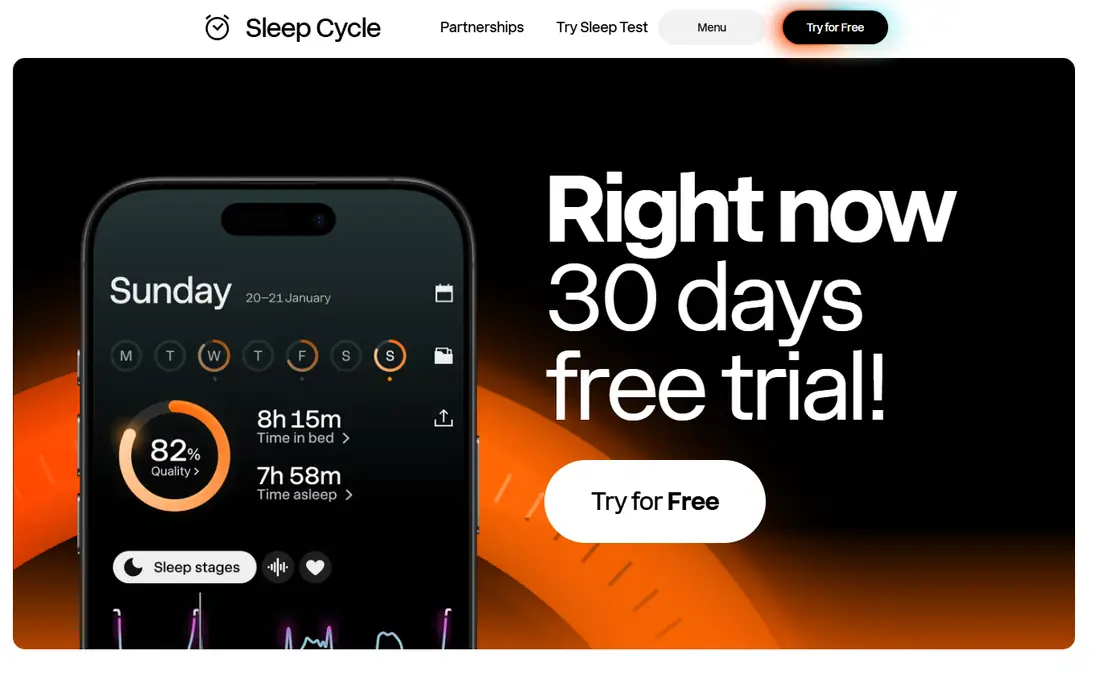
Sleep Cycle fits phone based tracking with smart alarm. Its smart alarm and simple charts suit people who do not want a wearable. That focus shows in day to day use, where the main tools are easy to find and the extras do not get in the way. The catch is worth knowing before you commit. Wearable owners may get more precise data elsewhere. Check the current price, the renewal terms and what is included on the plan you actually want, since entry plans often leave out the features shown in marketing. If that trade off still works for your routine, this is an easy option to recommend.
- Smart alarm
- Sleep stages
- Snore detection
- Phone based staging is less precise than wearables
- Premium needed for full trends
Pillow
Ideal for: Apple Watch and Health integration
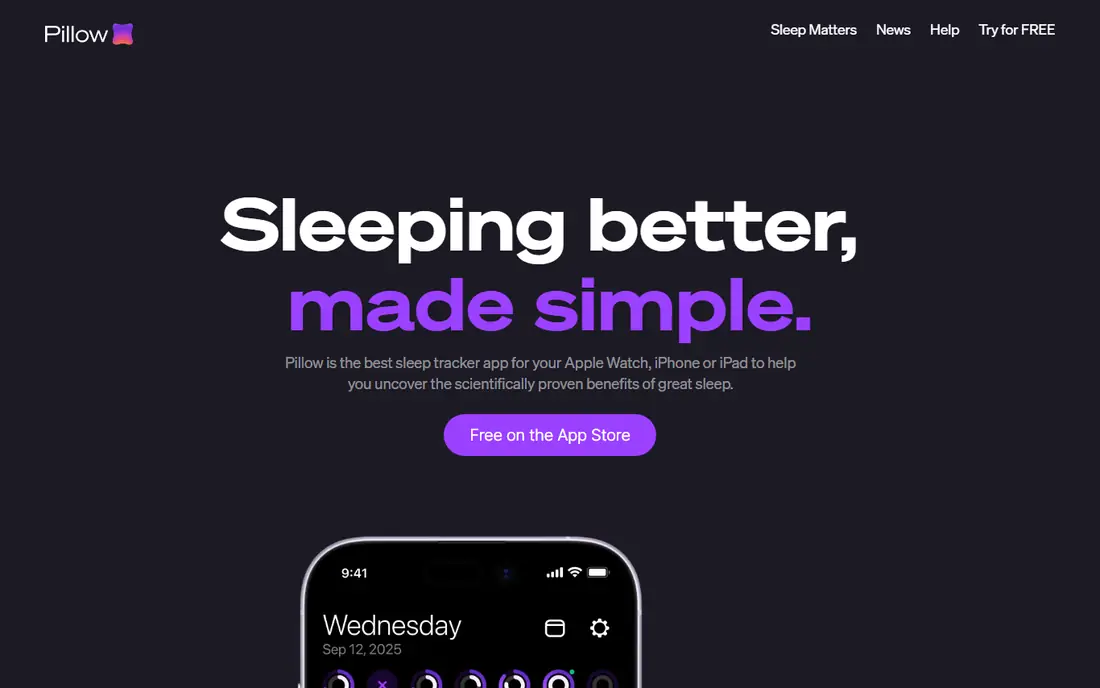
For apple watch and health integration, Pillow is a strong place to start. Apple Watch owners get deep integration without a new device. It is a practical choice when you want results without a long setup process. The catch is worth knowing before you commit. Android users cannot use it. Check the current price, the renewal terms and what is included on the plan you actually want, since entry plans often leave out the features shown in marketing. If that trade off still works for your routine, this is an easy option to recommend.
- Apple Health sync
- Automatic tracking
- Detailed reports
- IOS only
- Full features need Premium
Sleep as Android
Ideal for: Android power users
If android power users is your main need, Sleep as Android deserves a close look. Android users get the deepest customisation in this list. The design keeps the core job front and centre. The catch is worth knowing before you commit. Beginners may find the settings overwhelming. Check the current price, the renewal terms and what is included on the plan you actually want, since entry plans often leave out the features shown in marketing. If that trade off still works for your routine, this is an easy option to recommend.
- Sonar tracking
- Smart alarm
- Wear OS support
- Android only
- Interface is dense
SleepScore
Ideal for: Simple sleep score and advice
SleepScore fits simple sleep score and advice. Its single score suits people who want one number to follow. That focus shows in day to day use, where the main tools are easy to find and the extras do not get in the way. The catch is worth knowing before you commit. Data fans may want more detailed stage breakdowns. Check the current price, the renewal terms and what is included on the plan you actually want, since entry plans often leave out the features shown in marketing. If that trade off still works for your routine, this is an easy option to recommend.
- Sonar tracking
- Sleep score
- Personalised advice
- Premium needed for full history
- Phone placement matters
RISE
Ideal for: Energy planning and sleep debt
For energy planning and sleep debt, RISE is a strong place to start. Its energy schedule helps people plan demanding work around predicted alertness. It is a practical choice when you want results without a long setup process. The catch is worth knowing before you commit. Casual trackers may find the price high for a score alone. Check the current price, the renewal terms and what is included on the plan you actually want, since entry plans often leave out the features shown in marketing. If that trade off still works for your routine, this is an easy option to recommend.
- Sleep debt tracking
- Energy schedule
- Circadian guidance
- Higher price
- Needs consistent use
SnoreLab
Ideal for: Snoring measurement and remedies
If snoring measurement and remedies is your main need, SnoreLab deserves a close look. People concerned about snoring get a specialist tool, not a general tracker. The design keeps the core job front and centre. The catch is worth knowing before you commit. If snoring is not your issue, a general tracker fits better. Check the current price, the renewal terms and what is included on the plan you actually want, since entry plans often leave out the features shown in marketing. If that trade off still works for your routine, this is an easy option to recommend.
- Snore score
- Recordings
- Remedy testing
- Focused on snoring, not full sleep stages
ShutEye
Ideal for: Falling asleep with sounds and tracking
ShutEye fits falling asleep with sounds and tracking. Its sounds and stories help people who struggle to fall asleep. That focus shows in day to day use, where the main tools are easy to find and the extras do not get in the way. The catch is worth knowing before you commit. Pure trackers may prefer a simpler app. Check the current price, the renewal terms and what is included on the plan you actually want, since entry plans often leave out the features shown in marketing. If that trade off still works for your routine, this is an easy option to recommend.
- Sleep sounds
- Tracking
- Smart alarm
- Subscription needed for full library
- Sounds are the main draw
BetterSleep
Ideal for: Relaxation sounds plus tracking
For relaxation sounds plus tracking, BetterSleep is a strong place to start. Sound lovers get a large library beside basic tracking. It is a practical choice when you want results without a long setup process. The catch is worth knowing before you commit. If tracking accuracy is your priority, choose a tracker first app. Check the current price, the renewal terms and what is included on the plan you actually want, since entry plans often leave out the features shown in marketing. If that trade off still works for your routine, this is an easy option to recommend.
- Sound mixes
- Sleep stories
- Tracking
- Premium needed for full content
- Tracking is secondary
How we picked these
We started with the products that appear most often in this category, then kept only the ones that exist and work today, with a clear official homepage and a plan structure we could describe honestly. We compared official feature pages, pricing pages, app store listings, privacy policies and public reviews, and we left out products whose prices or homepages we could not verify. We did not claim hands on testing that did not happen, and we favoured products with clear terms over products that hide limits in fine print. We also weighed fit over fame. A well known name can be the wrong pick if its plan is built for a different kind of user, while a smaller option can be better when it matches your daily routine. That is why each write up names who the product suits, one concrete strength and one honest weakness, so you can judge the trade off for yourself.
Use sleep data without overthinking it
Track trends, not single nights
One bad night tells you little. Look at weekly trends in total sleep and wake time, and ignore small daily swings.
Keep the basics first
A dark room, a steady bedtime and less late caffeine usually matter more than any score. Use the app to support those habits, not replace them.
Check device fit before paying
Phone apps suit people without wearables, while watch apps suit owners who already wear a device at night. Pay only for the data you will actually read. Before you decide, shortlist two options and test them side by side for a few days of normal use. Note what slows you down, what costs extra, and what you would miss if you switched. That short test usually reveals the right choice faster than reading another ten reviews, because it is based on your routine, your devices and your budget rather than on a generic ranking. Also check support and cancellation before you pay for a year in advance. A clear help centre, a reachable support team and a simple cancel button are worth more than a small discount, because they decide how painful it is to fix a billing problem or leave later. If support is hard to reach during a trial, treat that as a warning sign, not as a minor detail, and choose the option with clearer terms even if its headline price is slightly higher.
Frequently asked questions
What is the best sleep tracking app?
Sleep Cycle suits phone only tracking, Pillow suits Apple Watch owners, and Sleep as Android suits Android power users.
What is the best free sleep tracking app?
Sleep Cycle, Pillow and SleepScore offer free tiers. Free plans usually limit history and detailed trends.
Can a sleep app diagnose apnea?
No, consumer apps estimate sleep patterns but cannot diagnose sleep apnea or insomnia. Talk to a clinician if you have persistent symptoms.
Do I need a wearable to track sleep?
No, phone apps can track sleep with sound and movement. Wearables usually give more detailed stage data, but they are not required.
Why do sleep scores differ between apps?
Each app uses different sensors and scoring methods, so scores are not directly comparable. Follow trends inside one app.