Best Apps for Toddlers in 2026: 8 Options Compared

- 1
 Khan Academy KidsFamilies who want a free early learning appVisit
- 2
 PBS KidsFamilies who want trusted characters plus learning gamesVisit
- 3
 ABCmouseFamilies who want a structured early learning curriculumVisit
- 4
 Duolingo ABCFamilies who want early reading practiceVisit
- 5
 LingokidsFamilies who want play-based learning plus songsVisit
- Khan Academy Kids is a strong option for families who want a free early learning app, with free early learning activities as a key strength.
- PBS Kids is a strong option for families who want trusted characters plus learning games, with free games and videos as a key strength.
- ABCmouse is a strong option for families who want a structured early learning curriculum, with structured learning path as a key strength.
- Duolingo ABC is a strong option for families who want early reading practice, with early reading lessons as a key strength.
- Compare total cost and free limits across at least two options before paying, since headline prices often leave out key features.
Quick comparison
| Product | Ideal for | Price from | Free version | |
|---|---|---|---|---|
| Khan Academy Kids | Families who want a free early learning app | Free | Yes | Visit |
| PBS Kids | Families who want trusted characters plus learning games | Free | Yes | Visit |
| ABCmouse | Families who want a structured early learning curriculum | See website | Free trial | Visit |
| Duolingo ABC | Families who want early reading practice | Free | Yes | Visit |
| Lingokids | Families who want play-based learning plus songs | See website | Yes | Visit |
 CBeebies Playtime Island | Families who want BBC preschool games | Free | Yes | Visit |
 Endless Alphabet | Families who want letter and word play | See website | Yes | Visit |
 Sago Mini World | Families who want open-ended toddler play | See website | Free trial | Visit |
The best apps for toddlers
These eight apps cover early learning, letters, numbers, music and gentle games for toddlers and preschoolers. We compared official app pages, age guidance described by each vendor and public reviews, with attention to ad-free design, parental controls, offline options and how much adult help each app needs. Parents should supervise screen time, check privacy settings and keep sessions short for this age group.
Khan Academy Kids
Ideal for: Families who want a free early learning app

For readers who want a clear starting point, Khan Academy Kids is worth a close look. It is a strong fit for families who want a free early learning app, and its free early learning activities helps explain why it appears on this list. Readers who value that strength will find it easy to justify, even if other options on this list offer more depth in a different area.
On the feature side, free early learning activities; no ads; adaptive lessons give it a clear profile, while the trade-offs are needs adult setup for young children; content is preschool-focused. That balance matters most when you compare it with the next option on this list, since a strength in one area often comes with a limit in another. We found that readers who check those trade-offs first tend to be happier with their choice later.
Before you commit, check the official pricing page for current plans, free limits and any add-on costs, and compare the total cost with one or two other options here. For many readers, Khan Academy Kids will be the right pick when families who want a free early learning app matters more than having every feature on the market.
- Free early learning activities
- No ads
- Adaptive lessons
- Needs adult setup for young children
- Content is preschool-focused
PBS Kids
Ideal for: Families who want trusted characters plus learning games

We put PBS Kids near the top of this list for a simple reason. It is a strong fit for families who want trusted characters plus learning games, and its free games and videos helps explain why it appears on this list. Readers who value that strength will find it easy to justify, even if other options on this list offer more depth in a different area.
On the feature side, free games and videos; familiar characters; parental controls give it a clear profile, while the trade-offs are video content needs supervision; app layout varies by device. That balance matters most when you compare it with the next option on this list, since a strength in one area often comes with a limit in another. We found that readers who check those trade-offs first tend to be happier with their choice later.
Before you commit, check the official pricing page for current plans, free limits and any add-on costs, and compare the total cost with one or two other options here. For many readers, PBS Kids will be the right pick when families who want trusted characters plus learning games matters more than having every feature on the market.
- Free games and videos
- Familiar characters
- Parental controls
- Video content needs supervision
- App layout varies by device
ABCmouse
Ideal for: Families who want a structured early learning curriculum
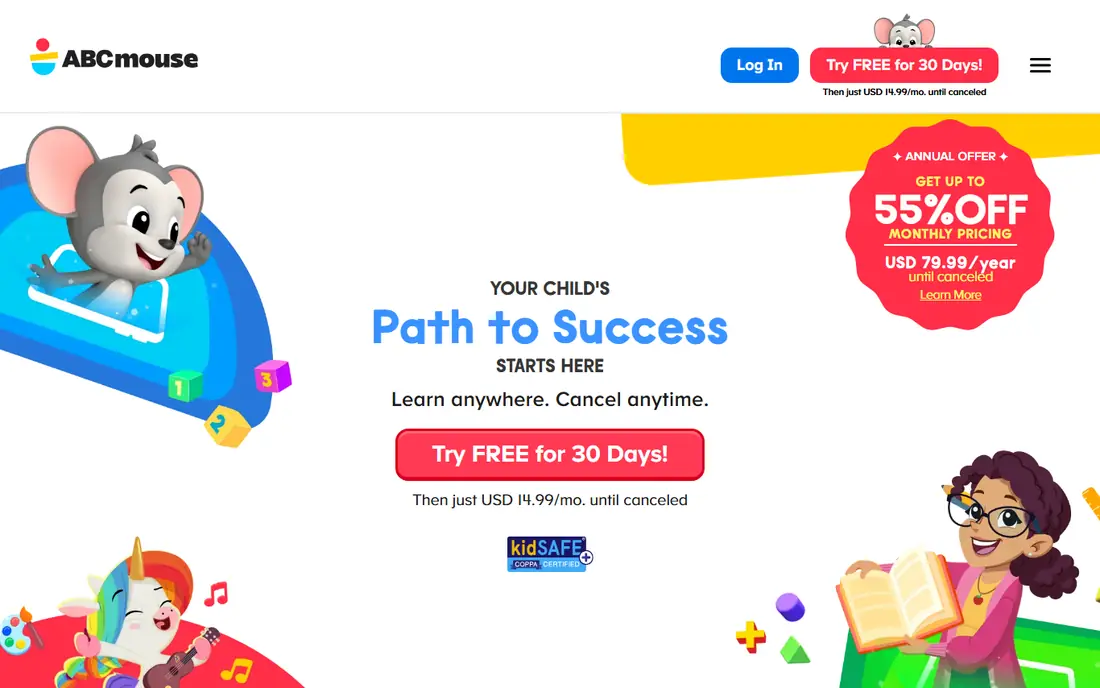
If families who want a structured early learning curriculum is your main need, ABCmouse deserves attention. It is a strong fit for families who want a structured early learning curriculum, and its structured learning path helps explain why it appears on this list. Readers who value that strength will find it easy to justify, even if other options on this list offer more depth in a different area.
On the feature side, structured learning path; letters, numbers and music; progress reports give it a clear profile, while the trade-offs are subscription cost applies after trial; younger toddlers need adult help. That balance matters most when you compare it with the next option on this list, since a strength in one area often comes with a limit in another. We found that readers who check those trade-offs first tend to be happier with their choice later.
Before you commit, check the official pricing page for current plans, free limits and any add-on costs, and compare the total cost with one or two other options here. For many readers, ABCmouse will be the right pick when families who want a structured early learning curriculum matters more than having every feature on the market.
- Structured learning path
- Letters, numbers and music
- Progress reports
- Subscription cost applies after trial
- Younger toddlers need adult help
Duolingo ABC
Ideal for: Families who want early reading practice
Duolingo ABC earns its place here through a practical mix of features and value. It is a strong fit for families who want early reading practice, and its early reading lessons helps explain why it appears on this list. Readers who value that strength will find it easy to justify, even if other options on this list offer more depth in a different area.
On the feature side, early reading lessons; simple interface; free core content give it a clear profile, while the trade-offs are reading focus only; toddlers need adult guidance. That balance matters most when you compare it with the next option on this list, since a strength in one area often comes with a limit in another. We found that readers who check those trade-offs first tend to be happier with their choice later.
Before you commit, check the official pricing page for current plans, free limits and any add-on costs, and compare the total cost with one or two other options here. For many readers, Duolingo ABC will be the right pick when families who want early reading practice matters more than having every feature on the market.
- Early reading lessons
- Simple interface
- Free core content
- Reading focus only
- Toddlers need adult guidance
Lingokids
Ideal for: Families who want play-based learning plus songs
Start with Lingokids if you want a widely used option with plenty of support material. It is a strong fit for families who want play-based learning plus songs, and its play-based lessons helps explain why it appears on this list. Readers who value that strength will find it easy to justify, even if other options on this list offer more depth in a different area.
On the feature side, play-based lessons; songs and games; parent reports give it a clear profile, while the trade-offs are full content needs a paid plan; screen time needs limits. That balance matters most when you compare it with the next option on this list, since a strength in one area often comes with a limit in another. We found that readers who check those trade-offs first tend to be happier with their choice later.
Before you commit, check the official pricing page for current plans, free limits and any add-on costs, and compare the total cost with one or two other options here. For many readers, Lingokids will be the right pick when families who want play-based learning plus songs matters more than having every feature on the market.
- Play-based lessons
- Songs and games
- Parent reports
- Full content needs a paid plan
- Screen time needs limits
CBeebies Playtime Island
Ideal for: Families who want BBC preschool games
For a different angle on this category, consider CBeebies Playtime Island. It is a strong fit for families who want BBC preschool games, and its free preschool games helps explain why it appears on this list. Readers who value that strength will find it easy to justify, even if other options on this list offer more depth in a different area.
On the feature side, free preschool games; familiar characters; no in-app purchases in the main app give it a clear profile, while the trade-offs are availability varies outside the uk; content is preschool-focused. That balance matters most when you compare it with the next option on this list, since a strength in one area often comes with a limit in another. We found that readers who check those trade-offs first tend to be happier with their choice later.
Before you commit, check the official pricing page for current plans, free limits and any add-on costs, and compare the total cost with one or two other options here. For many readers, CBeebies Playtime Island will be the right pick when families who want BBC preschool games matters more than having every feature on the market.
- Free preschool games
- Familiar characters
- No in-app purchases in the main app
- Availability varies outside the UK
- Content is preschool-focused
Endless Alphabet
Ideal for: Families who want letter and word play
Endless Alphabet is the kind of option that suits buyers who know what they want. It is a strong fit for families who want letter and word play, and its playful letter animations helps explain why it appears on this list. Readers who value that strength will find it easy to justify, even if other options on this list offer more depth in a different area.
On the feature side, playful letter animations; word learning; simple controls give it a clear profile, while the trade-offs are content is focused on letters; full packs need payment. That balance matters most when you compare it with the next option on this list, since a strength in one area often comes with a limit in another. We found that readers who check those trade-offs first tend to be happier with their choice later.
Before you commit, check the official pricing page for current plans, free limits and any add-on costs, and compare the total cost with one or two other options here. For many readers, Endless Alphabet will be the right pick when families who want letter and word play matters more than having every feature on the market.
- Playful letter animations
- Word learning
- Simple controls
- Content is focused on letters
- Full packs need payment
Sago Mini World
Ideal for: Families who want open-ended toddler play
We kept Sago Mini World on this list because it covers the basics well and adds useful extras. It is a strong fit for families who want open-ended toddler play, and its open-ended play worlds helps explain why it appears on this list. Readers who value that strength will find it easy to justify, even if other options on this list offer more depth in a different area.
On the feature side, open-ended play worlds; no ads in the main subscription; gentle design give it a clear profile, while the trade-offs are subscription cost applies; toddlers still benefit from adult play alongside. That balance matters most when you compare it with the next option on this list, since a strength in one area often comes with a limit in another. We found that readers who check those trade-offs first tend to be happier with their choice later.
Before you commit, check the official pricing page for current plans, free limits and any add-on costs, and compare the total cost with one or two other options here. For many readers, Sago Mini World will be the right pick when families who want open-ended toddler play matters more than having every feature on the market.
- Open-ended play worlds
- No ads in the main subscription
- Gentle design
- Subscription cost applies
- Toddlers still benefit from adult play alongside
How we picked these
We compared official feature pages, pricing pages, app store listings where relevant, privacy policies and public reviews for each option, and we kept only products that exist and work in October 2026 and truly fit the topic. We favored a mix of widely used leaders and strong smaller options, and we noted honest weaknesses alongside strengths so readers can judge trade-offs for themselves.
We did not claim hands-on testing that did not happen. We used See website where a current price could not be verified, rather than guessing.
How to choose the right option for your needs
Start by checking age guidance, ads and in-app purchases for each app, and turn on parental controls before handing a device to a toddler. Test an app together first, watching whether your child can navigate without accidentally opening purchases or videos. Short, shared sessions work better than long solo screen time at this age, and the best app is one you can enjoy together.
Frequently asked questions
What are the best apps for toddlers?
Khan Academy Kids and PBS Kids suit free learning, ABCmouse suits a structured curriculum, and Lingokids and Sago Mini World suit play-based learning.
What are the best free apps for toddlers?
Khan Academy Kids, PBS Kids, Duolingo ABC and CBeebies Playtime Island offer strong free content, although availability and features vary by country.
What are the best apps for 3 year olds?
Apps on this list are aimed at toddlers and preschoolers, with Khan Academy Kids, PBS Kids and Sago Mini World especially suited to 3-year-olds with adult help.
Should toddlers use apps at all?
Short, shared and age-appropriate use can support early learning, but health guidance generally favors limited screen time for toddlers and plenty of offline play. Supervise use and keep sessions short.
How do I keep toddler apps safe?
Choose ad-free apps, disable in-app purchases, use parental controls and check privacy settings. Test apps yourself before letting a child use them alone.