Best Apps for Tracking Expenses in 2026: 7 Apps Compared

- 1
 Monarch MoneyHouseholds and former Mint usersVisit
- 2
 YNABZero-based budgetingVisit
- 3
 Rocket MoneySubscription trackingVisit
- 4
 Quicken SimplifiSimple spending plansVisit
- 5
 CopilotApple usersVisit
- Monarch Money is our pick for most households, with shared access for a partner and a full view of accounts, budgets and investments.
- YNAB suits people who want a strict plan for every dollar, while Rocket Money is the stronger free starting point for subscription tracking.
- Quicken Simplifi gives the best value among paid trackers, and Goodbudget remains the best free envelope option.
- Mint is gone, so check whether an app syncs with your bank before you pay, since manual entry changes the daily habit a lot.
- This is not financial advice. Prices and plan details change, so confirm the current price on the vendor site before subscribing.
Quick comparison
| Product | Ideal for | Price from | Free version | |
|---|---|---|---|---|
| Monarch Money | Households and former Mint users | $14.99 per month | Free trial | Visit |
| YNAB | Zero-based budgeting | $14.99 per month | Free trial | Visit |
| Rocket Money | Subscription tracking | Free | Yes | Visit |
| Quicken Simplifi | Simple spending plans | $5.99 per month | Free trial | Visit |
| Copilot | Apple users | $13 per month | Free trial | Visit |
 PocketGuard | A simple safe-to-spend number | Free | Yes | Visit |
 Goodbudget | Envelope budgeting | Free | Yes | Visit |
The best apps for tracking expenses
Tracking expenses is a habit first and a piece of software second. The app that wins is usually the one you still open in month three, so we weighed daily ease of use as heavily as feature lists. Each pick below covers a different way of handling money, from strict budgeting to light-touch tracking.
Monarch Money
Ideal for: Households and former Mint users
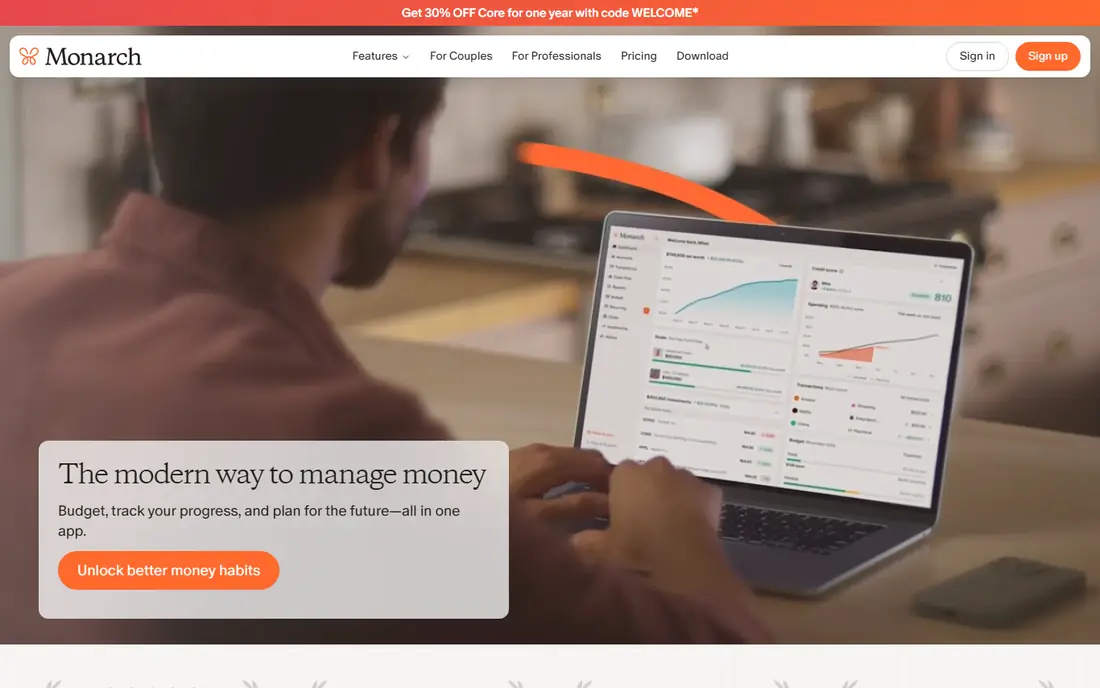
Monarch Money is the closest thing to a complete replacement for Mint, and it is our pick for most people. It pulls bank accounts, credit cards, loans and investments into one dashboard, and a partner can join at no extra cost, which removes the awkward account-sharing workaround many couples otherwise need. Budgets, cash flow views and net worth tracking sit in the same place, so you can move from a daily spending check to a longer look at where the money is going.
The catch is the price, and there is no free tier to soften it. If you only want to watch spending and you do not need investment tracking or shared access, a cheaper app will do the same job. Monarch earns its fee for households that want one shared view of everything, and it feels less like a chore than most of its rivals.
- Shared access for a partner at no extra cost
- Broad account and investment tracking
- Flexible budgets and custom categories
- No free tier
- The monthly price is high compared with simpler trackers
YNAB
Ideal for: Zero-based budgeting
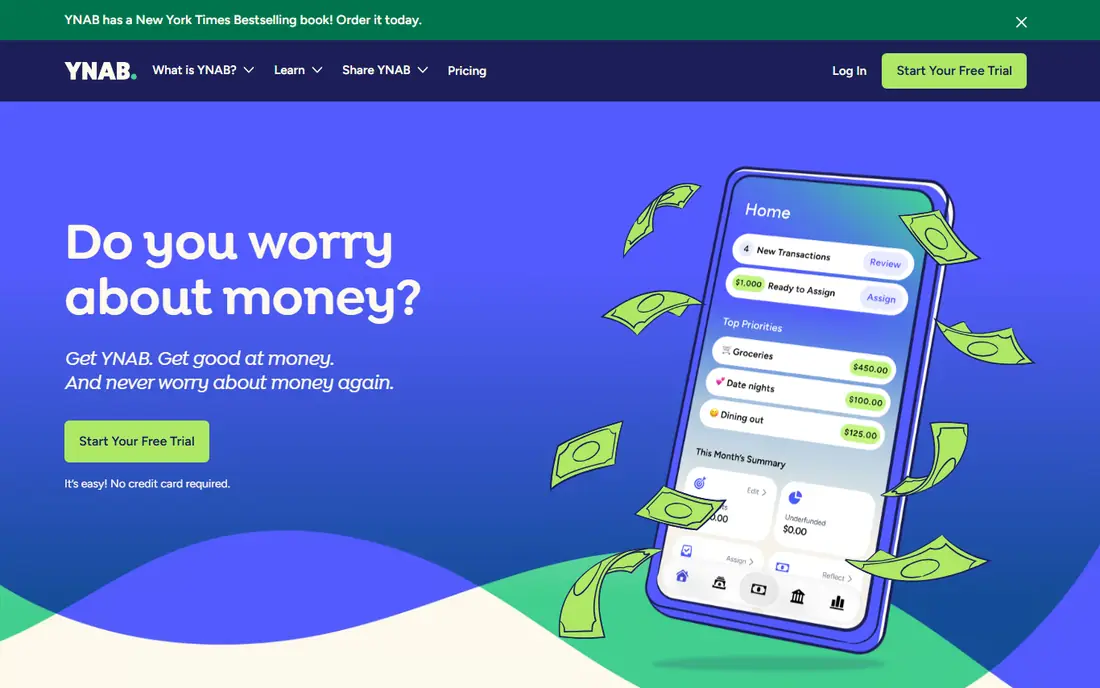
YNAB, short for You Need A Budget, is less of a tracker and more of a method with software attached. Every dollar gets a job before the month starts, and the app forces you to face overspending in one category by moving money from another. That discipline is exactly why its fans stay loyal for years, and the included workshops help new users get past the awkward first month.
The trade-off is effort. YNAB asks more of you than a passive tracker, and the monthly price matches Monarch, so it only makes sense if you commit to the method. If you want a strict plan and you are willing to check in a few times a week, it is the strongest behavior-changing tool on this list.
- A clear method that assigns every dollar a job
- Strong workshops and support
- Sharing with up to six people on one plan
- A real learning curve in the first weeks
- Overkill if you only want to track spending
Rocket Money
Ideal for: Subscription tracking

Rocket Money is the best place to start if you do not want to pay yet. The free tier tracks spending and surfaces subscriptions you may have forgotten, which is often where the quickest savings hide. Premium adds budgeting tools, credit monitoring and bill negotiation help, with a price you choose within a stated range.
The honest limit is that Rocket Money is a tracker with budgeting features, not a budgeting system like YNAB. It shows you where money went and what repeats each month, and that is enough for many people. Start free, see what it finds in your subscriptions, and only upgrade if the extra tools earn their keep.
- A genuinely useful free tier
- Finds recurring subscriptions and bills
- Spending and net worth views in one app
- Premium pricing is pay-what-you-choose, which can confuse
- Bill negotiation results vary
Quicken Simplifi
Ideal for: Simple spending plans
Simplifi is our value pick among paid trackers. It builds a spending plan from your actual income and bills, projects your balance forward, and flags subscriptions without asking you to learn a whole budgeting philosophy. For people who found Mint too loose and YNAB too strict, this middle ground is comfortable.
The weakness is depth. Power budgeters will miss YNAB-style rules and envelope controls, and the low headline price is sometimes a first-year offer, so check what renewal costs before you commit. If you want a tidy, low-cost view of spending and upcoming bills, Simplifi is hard to beat.
- Low price for a paid tracker
- Clear spending plans and projections
- Watchlists for bills and subscriptions
- Budgeting is lighter than YNAB
- First-year promotional pricing can rise on renewal
Copilot
Ideal for: Apple users
Copilot is built for people who live inside the Apple world, and it shows. The iPhone, iPad and Mac apps are polished, syncing is quick, and the design makes a weekly money check feel pleasant rather than dutiful. It covers budgets, recurring charges and investment accounts, with a month-long trial that gives you time to judge it properly.
The obvious catch is platform lock-in. Android households and mixed-device families should look elsewhere, since there is no Android app. Within Apple-only homes, though, Copilot is the most enjoyable tracker here, and enjoyment matters when the habit has to last.
- Clean design and fast setup on Apple devices
- Smart categorization and cash flow views
- Monthly trial is generous
- No Android or Windows version
- No free tier beyond the trial
PocketGuard
Ideal for: A simple safe-to-spend number
PocketGuard answers one question better than any app here: after bills, savings goals and subscriptions, what can I actually spend? That single number is genuinely useful for people who overspend in small daily amounts rather than on big purchases. The free tier covers basic tracking, and the paid plan adds custom categories and unlimited budgets.
It is not the tool for detailed financial planning, and its investment views are light. Think of PocketGuard as a daily guardrail, not a full money dashboard. If a simple number keeps you on track, it does that job with less fuss than the bigger apps.
- A clear "in my pocket" figure after bills and goals
- Free tier for basic tracking
- Bill and subscription views
- Paid features are needed for full budgeting
- Investment tracking is thinner than Monarch
Goodbudget
Ideal for: Envelope budgeting
Goodbudget brings the old envelope method to a phone, and it is the best free option for people who like that discipline. You divide money into envelopes for groceries, transport, fun and so on, then spend down each envelope. Sharing works on two devices on the free plan, which suits couples who do not want to link bank accounts.
Manual entry is the price of that privacy and control. Without bank sync, every transaction needs typing in, which suits careful spenders and frustrates everyone else. If envelopes already work for you on paper, Goodbudget is a clean digital version of the same habit.
- Free tier with envelope budgeting
- Easy sharing on two devices
- No bank sync required, which some users prefer
- Free tier limits envelopes, accounts and devices
- Manual entry takes more time than synced apps
How we picked these
We compared official feature pages, pricing pages, app store listings, privacy policies and public reviews for the leading expense trackers available to US users in October 2026. We kept only apps that still work today, cover bank syncing or a clear manual alternative, and offer a real way to see spending by category. Prices shown are the entry prices listed by each vendor, and free plans are described as the vendor describes them. We did not claim hands-on testing, and we did not rank apps on user counts or review scores.
What to check before you pay
Start with how the app gets your transactions. Bank syncing saves time but means linking financial accounts, so read the privacy policy and check whether you can disconnect cleanly. Manual entry apps protect privacy and force attention, yet they only work if you keep up with them. Pick the method you will actually maintain, not the one that sounds most thorough.
Next, match the app to your money problem. Subscription creep calls for Rocket Money or Simplifi. A shared household budget points to Monarch or Goodbudget. A habit of overspending despite knowing the numbers points to YNAB. Check the renewal price, not just the first-year offer, and use the free trial to import your real accounts before deciding. If the app feels like work after two weeks, it is the wrong app, no matter how good its feature list looks.
One habit that makes any expense app work better is a short weekly review, ideally ten minutes on the same day each week, where you check uncategorized transactions, fix duplicates from a linked account, and compare spending against the budget you set. That review catches the small leaks that monthly checks miss, such as a subscription that renewed at a higher price or a category that quietly drifted over budget. It also gives you a chance to adjust next week before the month ends, which is when most budgets are actually saved or lost.
Frequently asked questions
What is the best app for tracking expenses for beginners?
Rocket Money or Quicken Simplifi are the easiest starts. Rocket Money is free and surfaces subscriptions quickly, while Simplifi adds a simple spending plan for a low monthly price. Both show spending by category without asking you to learn a budgeting method first.
Is there a good free expense tracking app?
Yes. Rocket Money, PocketGuard and Goodbudget all have usable free tiers, and Empower offers a free dashboard for net worth and investment tracking. Free tiers usually limit budgets, history or syncing, so check which limits affect you before relying on one.
What replaced Mint for expense tracking?
Monarch Money is the closest replacement for most former Mint users, with account syncing, budgets and net worth in one place. Quicken Simplifi is the cheaper alternative, and YNAB suits people who want a stricter budgeting method instead of a straight tracker.
Do expense tracking apps need my bank login?
Synced apps connect to your bank through a data provider, which is how they import transactions automatically. Manual apps like Goodbudget avoid that connection entirely. Read the privacy policy, use a strong unique password, and turn on two-factor authentication wherever it is offered.
Can couples share one expense tracking app?
Yes. Monarch Money includes partner access at no extra cost, YNAB sharing covers up to six people, and Goodbudget shares on two devices free. Check how many seats a plan includes before paying, since some apps charge per person.