Best architectural visualization companies in 2026: 8 Compared

- 1
 NeoscapeHigh-end architectural visualizationVisit
- 2
 The BoundaryArchitectural imagery and filmVisit
- 3
 MIRArtistic architectural visualizationVisit
- 4
 LuxigonArchitectural rendering and animationVisit
- 5
 Brick VisualPhotorealistic 3D renderingVisit
- Neoscape and The Boundary lead on high-end architectural imagery for developers and architects.
- MIR and Luxigon suit firms that want artistic, award-style visualization work.
- Brick Visual and Omega Render add strong 3D rendering capacity for residential and commercial projects.
- ArchiCGI and Vrender suit smaller firms and faster turnaround needs.
- Compare portfolios in your building type, since housing, commercial, and interiors need different skills.
Quick comparison
| Product | Ideal for | Price from | Free version | |
|---|---|---|---|---|
| Neoscape | High-end architectural visualization | See website | See website | Visit |
| The Boundary | Architectural imagery and film | See website | See website | Visit |
| MIR | Artistic architectural visualization | See website | See website | Visit |
| Luxigon | Architectural rendering and animation | See website | See website | Visit |
| Brick Visual | Photorealistic 3D rendering | See website | See website | Visit |
 Omega Render | 3D rendering for developers | See website | See website | Visit |
 ArchiCGI | Affordable architectural rendering | See website | See website | Visit |
 Vrender | 3D visualization services | See website | See website | Visit |
The best architectural visualization companies
Architectural visualization companies turn plans into photorealistic images, animations, and virtual tours. The studios below serve architects, developers, and marketers. Compare portfolios in your building type and confirm timelines before commissioning work.
Neoscape
Ideal for: High-end architectural visualization
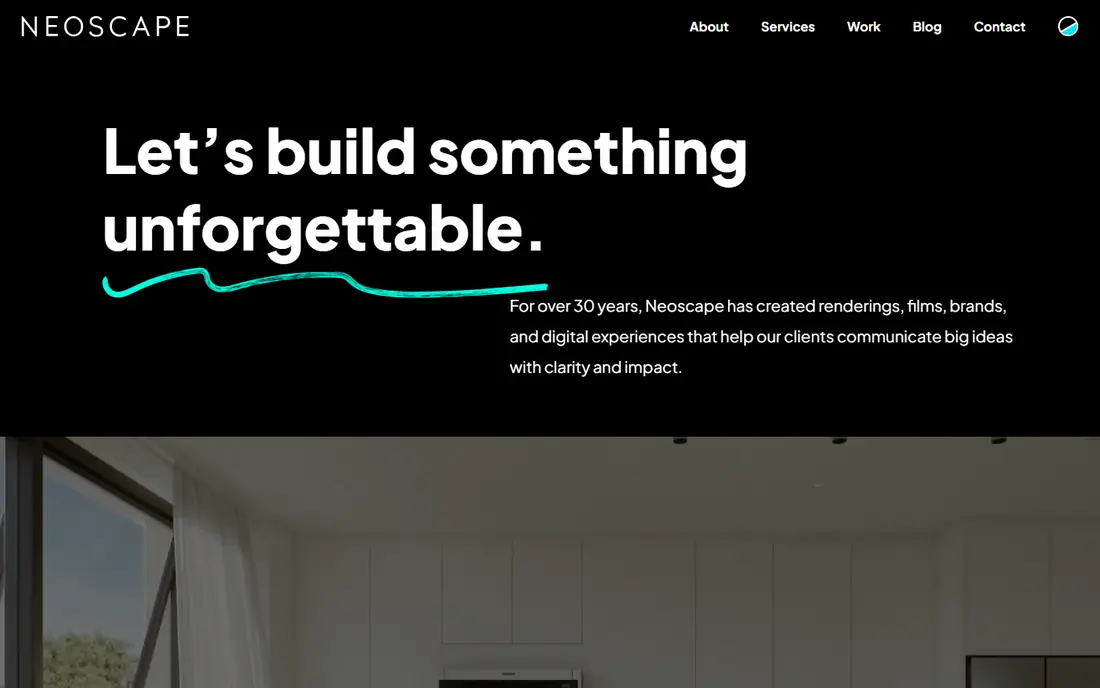
For buyers focused on high-end architectural visualization, Neoscape is a strong place to start. Neoscape produces high-end visualization for developers and architects, including imagery and animation. Its official feature pages put that strength front and center, and public reviews tend to point to the same area. That kind of agreement matters when options look similar on a pricing page but differ in day-to-day use.
The catch is worth weighing too. Premium pricing is the main drawback for smaller projects. Before you commit, check the current pricing page and contract terms, and ask for a written quote where one applies. If those answers line up with your budget and timeline, Neoscape is easy to shortlist.
We would steer buyers with very different needs elsewhere. If your budget is tight, your timeline is short, or you need a feature Neoscape does not emphasize, another pick on this list may fit better. That is not a verdict on quality. Fit depends on size, budget, and how much support you expect after you sign up, so compare at least two other names before you decide.
- High-end imagery and animation
- Developer and architect clients
- Premium pricing
- Project timelines vary
The Boundary
Ideal for: Architectural imagery and film
The Boundary earns its place here mainly on fit for architectural imagery and film. The Boundary creates architectural imagery and film for international clients. We weighed its public pricing, feature pages, and review feedback together, and the pattern was consistent. Buyers who care most about that area will find a lot to like, even if other parts of the offer are less distinctive.
No option is without a drawback, and The Boundary is no exception. Its boutique scale means availability varies by project and timing. The fix is to confirm the details that matter most to you in writing before you sign anything. A short call or email exchange at this stage can prevent a mismatch later.
One practical tip applies to every name here, including The Boundary. Get the current terms in writing, confirm what is included in the quoted price, and check how changes or cancellations are handled. Those three checks separate a good purchase from a frustrating one more often than any feature comparison does.
- Striking imagery
- Film and animation
- International clients
- Boutique scale
- Availability varies by project
MIR
Ideal for: Artistic architectural visualization
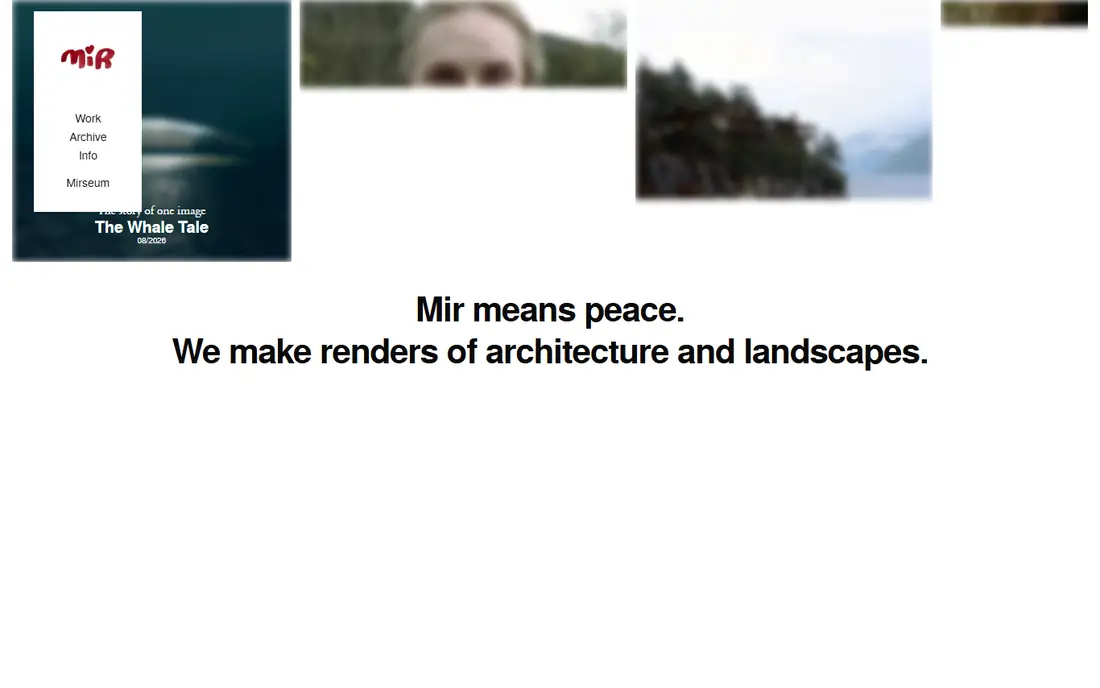
If artistic architectural visualization is your top priority, start your shortlist with MIR. MIR is known for artistic architectural visualization with a distinctive style. The offer is easy to understand from its public pages, which helps when you are comparing several providers side by side. Clarity at this stage saves time later, when contracts and onboarding details come into play.
There is a trade-off to accept here. Boutique capacity and project-based pricing mean early booking matters. That does not rule MIR out, but it does mean you should compare it closely with at least one other name on this list. The right choice depends on which limitation you can live with most easily.
Shortlisting is only half the work. Talk to the provider, ask about onboarding or setup, and confirm timelines in writing. MIR rewards that kind of diligence, because its strengths show up best when expectations are set clearly at the start of the relationship.
- Artistic visualization style
- Award-winning imagery
- Norway-based studio
- Boutique capacity
- Pricing is project-based
Luxigon
Ideal for: Architectural rendering and animation
Luxigon is the pick we point to first for architectural rendering and animation. Luxigon provides architectural rendering and animation for international projects. It is not the only strong option on this list, but its combination of features and public pricing information makes it straightforward to evaluate. That transparency is worth something when you are making a decision with real money attached.
The honest weakness is this: Pricing is project-based, and timelines vary with project complexity. Weigh that against the strengths above and against what your own situation actually requires. For many buyers the balance still favors Luxigon, but it is a judgment call, not a given.
If you are still undecided, rank your own priorities before you rank the providers. Price, support, coverage, and ease of use rarely matter equally, and Luxigon scores best when architectural rendering and animation sits near the top of your list. Use that ranking to make the final call with confidence.
- High-quality rendering
- Animation services
- International projects
- Project-based pricing
- Timelines vary
Brick Visual
Ideal for: Photorealistic 3D rendering
For buyers focused on photorealistic 3D rendering, Brick Visual is a strong place to start. Brick Visual produces photorealistic 3D rendering for residential and commercial projects. Its official feature pages put that strength front and center, and public reviews tend to point to the same area. That kind of agreement matters when options look similar on a pricing page but differ in day-to-day use.
The catch is worth weighing too. Pricing varies by scope, so revision terms should be confirmed upfront. Before you commit, check the current pricing page and contract terms, and ask for a written quote where one applies. If those answers line up with your budget and timeline, Brick Visual is easy to shortlist.
We would steer buyers with very different needs elsewhere. If your budget is tight, your timeline is short, or you need a feature Brick Visual does not emphasize, another pick on this list may fit better. That is not a verdict on quality. Fit depends on size, budget, and how much support you expect after you sign up, so compare at least two other names before you decide.
- Photorealistic imagery
- Residential and commercial work
- Large team
- Pricing varies by project scope
- Check revision terms
Omega Render
Ideal for: 3D rendering for developers
Omega Render earns its place here mainly on fit for 3D rendering for developers. Omega Render serves developers with 3D rendering for interiors and exteriors. We weighed its public pricing, feature pages, and review feedback together, and the pattern was consistent. Buyers who care most about that area will find a lot to like, even if other parts of the offer are less distinctive.
No option is without a drawback, and Omega Render is no exception. Quality varies by package, so confirm deliverables and revision terms. The fix is to confirm the details that matter most to you in writing before you sign anything. A short call or email exchange at this stage can prevent a mismatch later.
One practical tip applies to every name here, including Omega Render. Get the current terms in writing, confirm what is included in the quoted price, and check how changes or cancellations are handled. Those three checks separate a good purchase from a frustrating one more often than any feature comparison does.
- Developer-focused rendering
- Interiors and exteriors
- Fast workflows
- Quality varies by package
- Confirm deliverables
ArchiCGI
Ideal for: Affordable architectural rendering
If affordable architectural rendering is your top priority, start your shortlist with ArchiCGI. ArchiCGI offers architectural rendering at competitive prices through an online process. The offer is easy to understand from its public pages, which helps when you are comparing several providers side by side. Clarity at this stage saves time later, when contracts and onboarding details come into play.
There is a trade-off to accept here. Lower price tiers may limit revision rounds, so check what is included. That does not rule ArchiCGI out, but it does mean you should compare it closely with at least one other name on this list. The right choice depends on which limitation you can live with most easily.
Shortlisting is only half the work. Talk to the provider, ask about onboarding or setup, and confirm timelines in writing. ArchiCGI rewards that kind of diligence, because its strengths show up best when expectations are set clearly at the start of the relationship.
- Competitive pricing
- Varied rendering services
- Online process
- Lower price tiers may limit revision rounds
Vrender
Ideal for: 3D visualization services
Vrender is the pick we point to first for 3D visualization services. Vrender provides 3D visualization services across varied project types. It is not the only strong option on this list, but its combination of features and public pricing information makes it straightforward to evaluate. That transparency is worth something when you are making a decision with real money attached.
The honest weakness is this: Its smaller scale means portfolio depth varies by building type. Weigh that against the strengths above and against what your own situation actually requires. For many buyers the balance still favors Vrender, but it is a judgment call, not a given.
If you are still undecided, rank your own priorities before you rank the providers. Price, support, coverage, and ease of use rarely matter equally, and Vrender scores best when 3D visualization services sits near the top of your list. Use that ranking to make the final call with confidence.
- 3D rendering and animation
- Varied project types
- Flexible engagement
- Smaller studio scale
- Portfolio depth varies by type
How we picked these
We started with providers that clearly fit the topic and have an official homepage we could open and verify. We compared what each one offers, how it prices its plans, and what public reviews say about working with it. Names that did not fit, or that we could not verify, were left out rather than padded into the list.
We compared official feature pages, pricing pages, app store listings where they exist, privacy policies, and public reviews. We left out providers we could not verify, options that did not truly fit the topic, and any name whose official homepage did not load. Prices and free tiers change, so treat every figure here as a starting point and confirm it on the provider site before you buy.
How to choose an architectural visualization studio
A visualization studio shapes how buyers and planners see your project. These checks help you commission work that sells the design accurately.
Review work in your building type
A studio strong in houses may not excel at towers or interiors. Ask for recent work in your exact project type.
Confirm revisions and timelines
Ask how many revision rounds are included, how long each stage takes, and what happens if the design changes mid-project.
Check deliverables and rights
Confirm image resolutions, animation formats, and usage rights. Marketing use, print, and web may need different deliverables.
Frequently asked questions
How do I choose between these options?
Start with your budget, your timeline, and the one feature you cannot do without, then compare two or three names on that basis. Read the current pricing and terms pages rather than relying on older reviews. A short conversation with the provider usually answers the questions a website leaves open.
Are the prices listed here final?
No. Prices and plans change, and many providers quote custom pricing based on your size or needs. Use the figures here to shortlist, then confirm the current price in writing before you commit. Watch for setup fees, minimum terms, and renewal pricing.
What should I check before signing up?
Check what is included in the quoted price, how support works, how you can change or cancel, and what happens at renewal. For services, ask for the scope in writing. For software, use a trial period to test the features you will actually use every week.
Can a smaller provider be a better fit than a big name?
Yes, often. Smaller providers may offer closer support and more flexibility, while larger ones may offer wider coverage and longer track records. The right choice depends on your priorities, not on size alone, so weigh both sides before you decide.
How often should I revisit this decision?
Review it at least once a year, or sooner if your needs, budget, or team size change. Providers update pricing and features regularly, and a better fit may appear. A yearly check keeps you from paying for a plan you have outgrown.