Best Bible App in 2026: 8 Apps Compared

- 1
 YouVersion Bible AppDaily reading plans for most peopleVisit
- 2
 Bible GatewayComparing many translations side by sideVisit
- 3
 Blue Letter BibleFree deep study and original languagesVisit
- 4
 Logos Bible StudyPastoral and scholarly studyVisit
- 5
 Olive Tree Bible AppCustomisable study on phone and desktopVisit
- Our pick for most people is YouVersion Bible App, because it balances price, features and ease of use for the widest group of readers.
- Free plans are real here, but the limits matter: check what Bible Gateway and Blue Letter Bible actually include before you commit.
- Prices in this guide come from vendor pricing pages and current comparisons checked in October 2026, and they can change, so confirm the plan on the vendor site before you buy.
- The best choice depends on your budget, your experience level and how much support you want, not on which brand is most famous.
Quick comparison
| Product | Ideal for | Price from | Free version | |
|---|---|---|---|---|
| YouVersion Bible App | Daily reading plans for most people | Free | Yes | Visit |
| Bible Gateway | Comparing many translations side by side | Free | Yes | Visit |
| Blue Letter Bible | Free deep study and original languages | Free | Yes | Visit |
| Logos Bible Study | Pastoral and scholarly study | Free | Yes | Visit |
| Olive Tree Bible App | Customisable study on phone and desktop | Free | Yes | Visit |
 Dwell | Listening to Scripture as audio | $9.99 per month | Free trial | Visit |
 Bible Hub | Free parallel translation research on the web | Free | Yes | Visit |
 ESV Bible App | Reading and listening in the ESV translation | Free | Yes | Visit |
The best Bible App in 2026
We compared official feature pages, pricing pages, app store listings, privacy policies and public reviews to build this list for best bible app. Every option below exists and works today, and each one earns its place for a different kind of reader.
YouVersion Bible App
Ideal for: Daily reading plans for most people

Here is the short version. YouVersion is the default for most readers, with thousands of plans, many translations and a clean daily reading habit. It fits readers who want daily reading plans for most people, and its published feature set matches that promise rather than trying to cover every possible use case at once. When we weighed it against the rest of this list, the balance of price, scope and support stood out for that group. The price picture is free, with a free plan status of yes. Serious study needs more, so pair it with Blue Letter Bible or Logos when you want original-language tools. Before you sign up, check the current plan limits on the official site, because caps on users, usage or features are where most buyers get surprised after the first month.
- Thousands of plans
- Many translations
- Audio Bibles
- Friends and sharing
- Study tools are basic
- Plans can feel overwhelming in number
Bible Gateway
Ideal for: Comparing many translations side by side

Start here if you want the safe default. Bible Gateway suits readers who compare translations, with parallel views and a huge translation library. It fits readers who want comparing many translations side by side, and its published feature set matches that promise rather than trying to cover every possible use case at once. When we weighed it against the rest of this list, the balance of price, scope and support stood out for that group. The price picture is free, with a free plan status of yes. The free tier covers reading well, while the Plus library suits readers who want commentaries and study notes. Before you sign up, check the current plan limits on the official site, because caps on users, usage or features are where most buyers get surprised after the first month.
- Many translations
- Parallel view
- Audio
- Study resources
- Plus subscription needed for full study library
- App experience is plainer
Blue Letter Bible
Ideal for: Free deep study and original languages
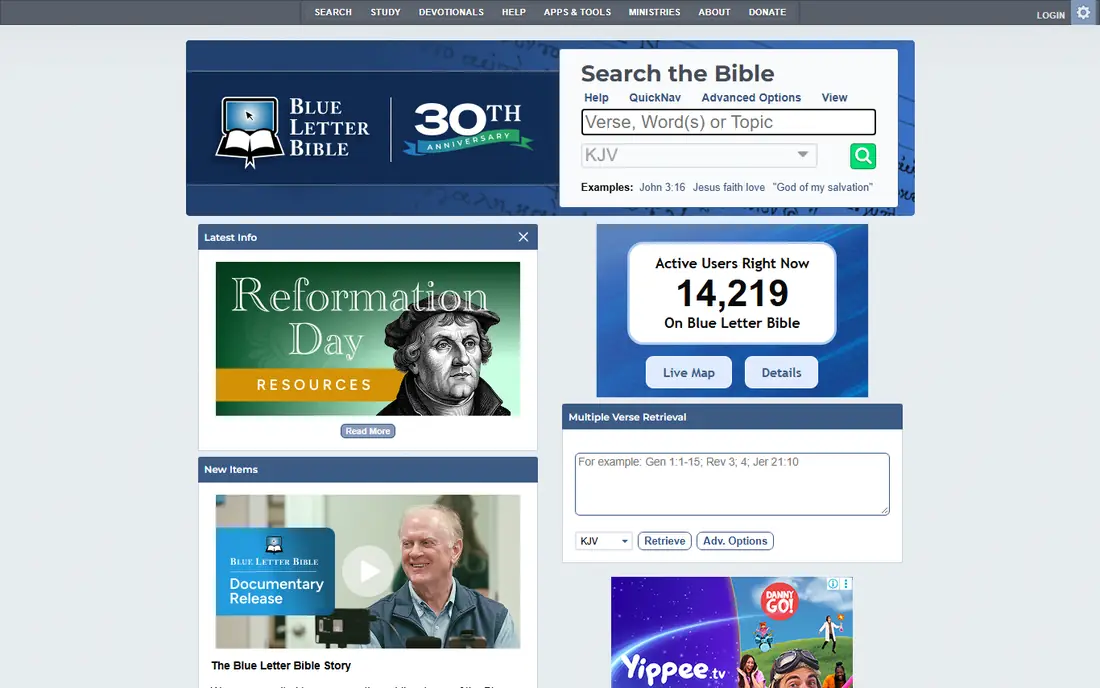
This one suits a specific kind of reader. Blue Letter Bible is the best free study tool, giving original word definitions, commentaries and cross-references for every verse. It fits readers who want free deep study and original languages, and its published feature set matches that promise rather than trying to cover every possible use case at once. When we weighed it against the rest of this list, the balance of price, scope and support stood out for that group. The price picture is free, with a free plan status of yes. The dated interface puts some readers off, but the depth per verse is unmatched at zero cost. Before you sign up, check the current plan limits on the official site, because caps on users, usage or features are where most buyers get surprised after the first month.
- Original-language lexicons
- Commentaries
- Concordance
- Free on web and mobile
- Interface feels dated
- Fewer reading plans than YouVersion
Logos Bible Study
Ideal for: Pastoral and scholarly study
Consider this if the top picks do not fit. Logos is the professional study platform, with a library and language tools that go far beyond a reading app. It fits readers who want pastoral and scholarly study, and its published feature set matches that promise rather than trying to cover every possible use case at once. When we weighed it against the rest of this list, the balance of price, scope and support stood out for that group. The price picture is free, with a free plan status of yes. The cost and complexity only make sense for weekly study, sermons or seminary work, so casual readers should start free. Before you sign up, check the current plan limits on the official site, because caps on users, usage or features are where most buyers get surprised after the first month.
- Huge book library
- Original-language tools
- Sermon prep
- Factbook
- Paid plans needed for full power
- Resource-heavy on mobile
Olive Tree Bible App
Ideal for: Customisable study on phone and desktop
A strong option for a narrower need. Olive Tree suits readers who want a custom study layout on phone and desktop, with split-screen resources beside the text. It fits readers who want customisable study on phone and desktop, and its published feature set matches that promise rather than trying to cover every possible use case at once. When we weighed it against the rest of this list, the balance of price, scope and support stood out for that group. The price picture is free, with a free plan status of yes. The store model means the best commentaries cost extra, so budget for the resources you actually need. Before you sign up, check the current plan limits on the official site, because caps on users, usage or features are where most buyers get surprised after the first month.
- Custom layouts
- Split-screen study
- Large resource store
- Paid resources add up
- Free tier covers basics only
Dwell
Ideal for: Listening to Scripture as audio
Worth a close look before you decide. Dwell is the listening app, with audio Bibles read in different voices and styles for commutes and quiet mornings. It fits readers who want listening to scripture as audio, and its published feature set matches that promise rather than trying to cover every possible use case at once. When we weighed it against the rest of this list, the balance of price, scope and support stood out for that group. The price picture is $9.99 per month, with a free plan status of free trial. Readers who mainly read rather than listen will get less value, so trial it on a commute before subscribing. Before you sign up, check the current plan limits on the official site, because caps on users, usage or features are where most buyers get surprised after the first month.
- Immersive audio Bibles
- Multiple voices and music
- Listening plans
- Audio-first, so reading and study tools are thinner
- Subscription only for full access
Bible Hub
Ideal for: Free parallel translation research on the web
This belongs on the shortlist for a reason. Bible Hub is a free web workhorse for parallel translation research, with commentaries and word studies beside the text. It fits readers who want free parallel translation research on the web, and its published feature set matches that promise rather than trying to cover every possible use case at once. When we weighed it against the rest of this list, the balance of price, scope and support stood out for that group. The price picture is free, with a free plan status of yes. The dense web interface suits study sessions at a desk more than reading on a phone. Before you sign up, check the current plan limits on the official site, because caps on users, usage or features are where most buyers get surprised after the first month.
- Parallel translations
- Commentaries
- Concordance
- Free web access
- Web-first, so mobile app experience is limited
- Interface is dense
ESV Bible App
Ideal for: Reading and listening in the ESV translation
Do not overlook this one. The ESV app suits readers committed to that translation, with a clean reading experience and audio. It fits readers who want reading and listening in the esv translation, and its published feature set matches that promise rather than trying to cover every possible use case at once. When we weighed it against the rest of this list, the balance of price, scope and support stood out for that group. The price picture is free, with a free plan status of yes. Readers who compare translations should use Bible Gateway or YouVersion beside it. Before you sign up, check the current plan limits on the official site, because caps on users, usage or features are where most buyers get surprised after the first month.
- Clean ESV reading
- Audio
- Reading plans
- Single translation focus
- Study tools are basic
How we picked these
We started from official feature pages and pricing pages, then checked app store listings, privacy policies and public reviews to confirm each product still works and still fits the topic. Products that could not be verified, or that only partly matched the topic, were left out, even when they were well known. We favoured a mix of established leaders and strong smaller options, and we weighted price transparency, a usable free tier or trial, and honest limits more heavily than marketing claims. No product on this list paid for its place, and our pick for most people is the one we would suggest to a friend with ordinary needs and an ordinary budget.
How to choose a Bible app for how you actually read
Start with your goal: daily reading, deep study, listening or family plans each point to a different app. Daily readers need plans and reminders, study readers need lexicons and commentaries, and listeners need good audio. Next, check translations, because a favourite translation matters more than a long feature list. Then check offline access, since downloaded chapters and audio make a difference on trips and in church. Finally, try the free tier for two weeks with a real plan, because an app you open daily beats a powerful app you ignore. Also check sharing and community features if you read with a church or small group, and check whether study resources are included or sold separately. A free app that covers your reading plus a free study site often beats a paid subscription you barely use. The best Bible app is the one that keeps you reading, not the one with the most books.
Frequently asked questions
What is the best Bible app?
YouVersion is the best all-round app for most readers, Blue Letter Bible is the best free study app, Bible Gateway is best for comparing translations, and Logos is best for pastoral study.
What is the best free Bible app?
YouVersion is free with no ads or purchases, Blue Letter Bible is free for deep study, and Bible Gateway and Bible Hub are free for translation comparison. Together they cover most needs at no cost.
What is the best Bible app for beginners?
YouVersion is the most beginner-friendly, with structured reading plans and a clean interface. Bible Gateway is a close second for readers who want many translations.
What is the best Bible study app?
Blue Letter Bible is the best free study option, while Logos is the most comprehensive paid platform. Olive Tree sits between them with custom layouts and a resource store.
Does YouVersion cost money?
No, the YouVersion Bible App is free, with no ads and no in-app purchases. It is funded by its parent organisation and content partners.