Best Booking App for Barbers in 2026: 8 Apps Compared

- Our pick for most people is Booksy, because it balances price, features and ease of use for the widest group of readers.
- Free plans are real here, but the limits matter: check what Fresha and Squire actually include before you commit.
- Prices in this guide come from vendor pricing pages and current comparisons checked in October 2026, and they can change, so confirm the plan on the vendor site before you buy.
- The best choice depends on your budget, your experience level and how much support you want, not on which brand is most famous.
Quick comparison
| Product | Ideal for | Price from | Free version | |
|---|---|---|---|---|
 Booksy | Marketplace discovery plus shop management | See website | No | Visit |
 Fresha | Free core tools with marketplace reach | Free | Yes | Visit |
 Squire | Multi-location barber teams | See website | Free trial | Visit |
 Vagaro | All-in-one for multi-chair shops | See website | Free trial | Visit |
 Square Appointments | Barbers already using Square | Free | Yes | Visit |
 GlossGenius | Polished booking pages for solo barbers | See website | Free trial | Visit |
 Boulevard | Premium shops focused on client experience | See website | No | Visit |
 StyleSeat | Marketplace bookings for independent barbers | Free | Yes | Visit |
The best booking apps for barbers
We compared official feature pages, pricing pages, app store listings, privacy policies and public reviews to build this list for best booking app for barbers. Every option below exists and works today, and each one earns its place for a different kind of reader.
Booksy
Ideal for: Marketplace discovery plus shop management
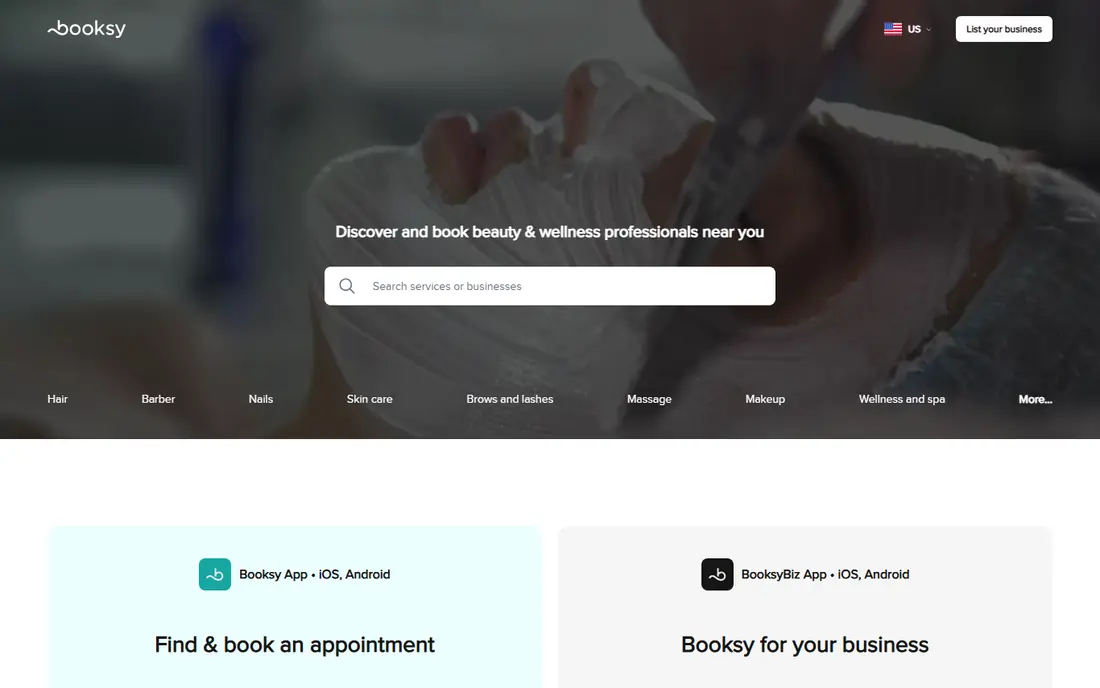
Here is the short version. Booksy is the strongest choice for barbers who want new clients, because its consumer marketplace lists the shop alongside booking, payments and staff tools. It fits readers who want marketplace discovery plus shop management. The price picture is see website, with a free plan status of no. Before you sign up, check the current plan limits on the official site, because caps are where most buyers get surprised after the first month. Marketplace fees on new clients need checking, since they change the economics compared with a booking page that only serves existing clients. Trial it with a real task and judge it on that task alone.
- Consumer marketplace brings new clients
- Deposits and no-show protection
- Chair and staff tools
- Marketplace commission on new clients
- Pricing varies by market
Fresha
Ideal for: Free core tools with marketplace reach
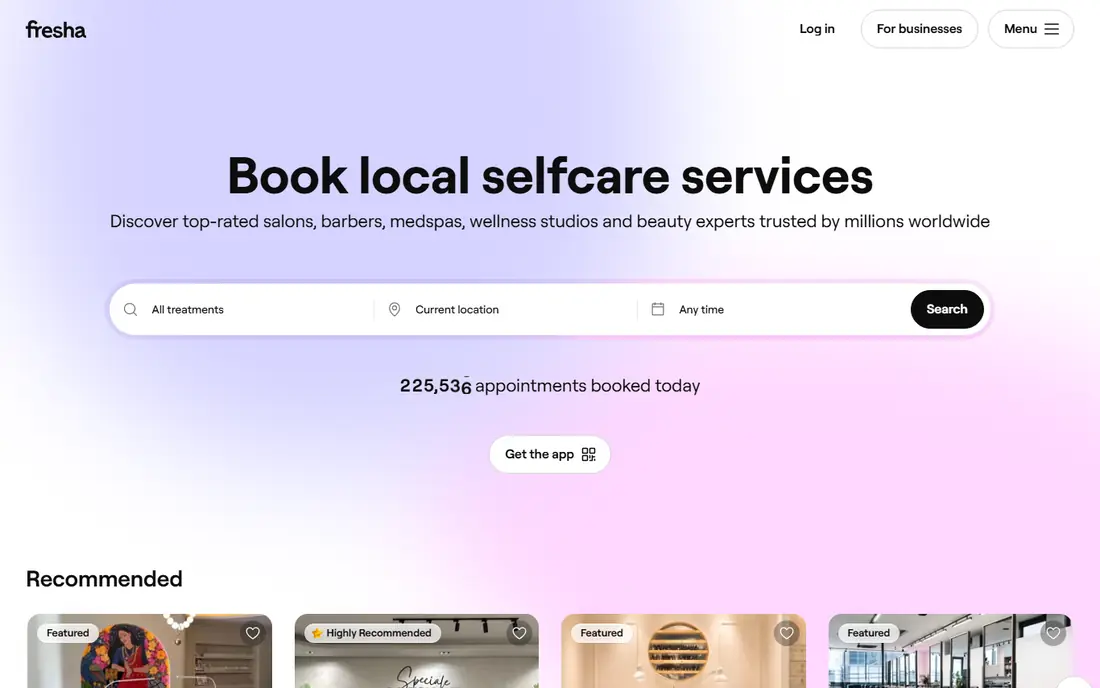
Start here if you want the safe default. Fresha is the low-friction entry point, because its core booking tools are free and its marketplace can bring new clients without an upfront subscription. It fits readers who want free core tools with marketplace reach. The price picture is free, with a free plan status of yes. Before you sign up, check the current plan limits on the official site, because caps are where most buyers get surprised after the first month. New-client commission and paid add-ons still cost money, so model the total cost at your real booking volume before judging it as free. Trial it with a real task and judge it on that task alone.
- Free core plan
- Marketplace discovery
- Deposits and no-show fees through payments
- Marketplace commission on new bookings
- Paid features add up
Squire
Ideal for: Multi-location barber teams
This one suits a specific kind of reader. Squire is built specifically for barbershops, with walk-in queues, repeat bookings and tools for booth rent and commissions that general salon tools lack. It fits readers who want multi-location barber teams. The price picture is see website, with a free plan status of free trial. Before you sign up, check the current plan limits on the official site, because caps are where most buyers get surprised after the first month. Pricing for larger teams is quote-based, and setup takes planning, so it suits growing shops more than a solo barber who needs a page today. Trial it with a real task and judge it on that task alone.
- Built for barbershops
- Walk-in queue and repeat bookings
- Commission and rent tools
- Pricing is quote-based for larger teams
- Setup takes planning
Vagaro
Ideal for: All-in-one for multi-chair shops
Consider this if the top picks do not fit. Vagaro gives multi-chair shops the widest all-in-one set, covering booking, payments, inventory and marketing without stitching several tools together. It fits readers who want all-in-one for multi-chair shops. The price picture is see website, with a free plan status of free trial. Before you sign up, check the current plan limits on the official site, because caps are where most buyers get surprised after the first month. Costs rise as add-ons stack up, and the interface takes learning, so price the plan you will actually run, not the entry tier. Trial it with a real task and judge it on that task alone.
- Booking, payments, inventory and marketing in one place
- Marketplace reach
- Monthly cost rises with add-ons
- Interface has a learning curve
Square Appointments
Ideal for: Barbers already using Square
A strong option for a narrower need. Square Appointments is the obvious pick for barbers already using Square, because booking and checkout share one system and the solo tier is free. It fits readers who want barbers already using square. The price picture is free, with a free plan status of yes. Before you sign up, check the current plan limits on the official site, because caps are where most buyers get surprised after the first month. The free tier limits reminders to email and lacks commission tracking, so busy shops with several barbers may need the paid tier. Trial it with a real task and judge it on that task alone.
- Free solo tier
- Online booking and checkout
- Payment processing built in
- Reminders are email-only on the free tier
- No commission tracking
GlossGenius
Ideal for: Polished booking pages for solo barbers
Worth a close look before you decide. GlossGenius wins on presentation, because its booking pages look polished and each booth renter can be paid separately. It fits readers who want polished booking pages for solo barbers. The price picture is see website, with a free plan status of free trial. Before you sign up, check the current plan limits on the official site, because caps are where most buyers get surprised after the first month. It costs more than the free options and brings fewer marketplace clients, so it suits barbers whose clients already know them. Trial it with a real task and judge it on that task alone.
- Best-looking booking pages in this list
- Separate pay for booth renters
- Card on file
- Higher cost than free options
- Fewer marketplace clients than Booksy or Fresha
Boulevard
Ideal for: Premium shops focused on client experience
This belongs on the shortlist for a reason. Boulevard suits premium shops that sell the whole client experience, with polished self-booking, payments and multi-location support. It fits readers who want premium shops focused on client experience. The price picture is see website, with a free plan status of no. Before you sign up, check the current plan limits on the official site, because caps are where most buyers get surprised after the first month. Its starting price is high for this list, so a solo barber will find better value elsewhere unless the premium positioning genuinely brings higher ticket prices. Trial it with a real task and judge it on that task alone.
- Premium client experience tools
- Self-booking and payments
- Multi-location support
- High starting price
- Overkill for a solo chair
StyleSeat
Ideal for: Marketplace bookings for independent barbers
Do not overlook this one. StyleSeat helps independent barbers get found, because clients search the marketplace by service and area and book directly from a profile. It fits readers who want marketplace bookings for independent barbers. The price picture is free, with a free plan status of yes. Before you sign up, check the current plan limits on the official site, because caps are where most buyers get surprised after the first month. Commission applies to bookings, and shop management depth is thinner than Booksy or Vagaro, so it works best as a discovery channel rather than a full system. Trial it with a real task and judge it on that task alone.
- Marketplace discovery for independent pros
- Booking and payments
- Client reviews
- Commission on bookings
- Less shop management depth than rivals
How we picked these
We started from official feature pages and pricing pages, then checked app store listings, privacy policies and public reviews to confirm each product still works and still fits the topic. Products that could not be verified, or that only partly matched the topic, were left out, even when they were well known. We favoured a mix of established leaders and strong smaller options, and we weighted price transparency, a usable free tier or trial, and honest limits more heavily than marketing claims. No product on this list paid for its place, and our pick for most people is the one we would suggest to a friend with ordinary needs and an ordinary budget.
How to pick a barber booking app that fills chairs
Start with the job you need done, not with the brand name. List the features you will actually use every week, the budget you can sustain for a year, and the support you expect when something goes wrong. Decide where your clients come from first: a marketplace helps if you need new clients, while a booking page is enough if your book is already full. Check deposits, no-show fees, reminder types and the real commission before you sign. Then shortlist two or three options from this list and test them with a real task, not just a demo. Check the limits that matter most for your situation, such as user seats, usage caps, contract length and cancellation terms. Prices in this guide were checked against vendor pages and current comparisons in October 2026, and they can change, so confirm the plan on the official site before you pay. The cheapest option is only a bargain if it still fits when your needs grow.
Frequently asked questions
What is the best booking app for barbers?
It is our pick for most people because it covers the widest set of needs in this list, while the second option below is the better choice if you want a simpler or lower-cost starting point. The right answer still depends on your budget and how much support you need, so compare the free plans and starting prices in the table above before you commit.
What are the best booking apps for barbers for a solo barber?
Yes, several options in this list offer a free plan or a free trial, but the limits matter more than the label. Check what is included, how long the trial lasts, and what happens to your data or work when the free period ends, because those details decide whether the free tier is usable day to day.
Is there a free booking app for barbers?
Start with the job you need done, the budget you can sustain for a full year, and the level of support you expect when something goes wrong. Shortlist two or three options from this list, test each one with a real task, and pick the one that fits your routine rather than the one with the longest feature list.
How do barber booking apps handle no-shows?
The main things to avoid are a plan that charges for features you will never use, a contract that is hard to leave, and a tool that cannot export your work. Read the pricing page and the cancellation terms before you pay, and keep a backup of anything important outside the service.
Should a barbershop use a marketplace or its own booking page?
Most options in this list work on the main phones and computers used in the United States, but check the official site for the exact platforms and any hardware or account requirements. If you rely on a phone for daily use, test the mobile experience during the trial before you commit to a paid plan.