Bug Bounty Platforms for Beginners in 2026: A Guide to 7 Tools

- 1
 YesWeHackEuropean programs with managed supportVisit
- 2
 Open Bug BountyResponsible disclosure practice without payout pressureVisit
- 3
 HackenProofCrypto and web programs for newer researchersVisit
- 4
 HackerOneLargest program choice and learning resourcesVisit
- 5
 ImmunefiWeb3 researchers targeting smart contracts laterVisit
- YesWeHack takes the first slot, best suited to European programs with managed support.
- One limit worth knowing about HackerOne: public programs are crowded.
- Free access is easy to find: 7 of the 7 tools have a free plan, for example YesWeHack, Open Bug Bounty, HackenProof and HackerOne.
- For beginners who want quick feedback and European programs, Intigriti is worth a look.
Direct answer
For European programs with managed support, YesWeHack is where this list starts. Open Bug Bounty is better for responsible disclosure practice without payout pressure, and HackenProof is better for crypto and web programs for newer researchers. The other 4 tools in the list cover narrower or pricier cases.
Quick comparison
| Product | Ideal for | Price from | Free version | |
|---|---|---|---|---|
| YesWeHack | European programs with managed support | Free to join | Yes | Visit |
| Open Bug Bounty | Responsible disclosure practice without payout pressure | Free to join | Yes | Visit |
| HackenProof | Crypto and web programs for newer researchers | Free to join | Yes | Visit |
| HackerOne | Largest program choice and learning resources | Free to join | Yes | Visit |
| Immunefi | Web3 researchers targeting smart contracts later | Free to join | Yes | Visit |
 Synack | Vetted researchers ready for higher value work | Free to join | Yes | Visit |
 Intigriti | Beginners who want quick feedback and European programs | Free to join | Yes | Visit |
The best Bug Bounty platforms for beginners
Choosing Bug Bounty platforms for beginners usually comes down to price, fit and limits. This Ainotely guide sets 7 tools side by side on those three points, with the facts kept short and checkable.
YesWeHack
Ideal for: European programs with managed support
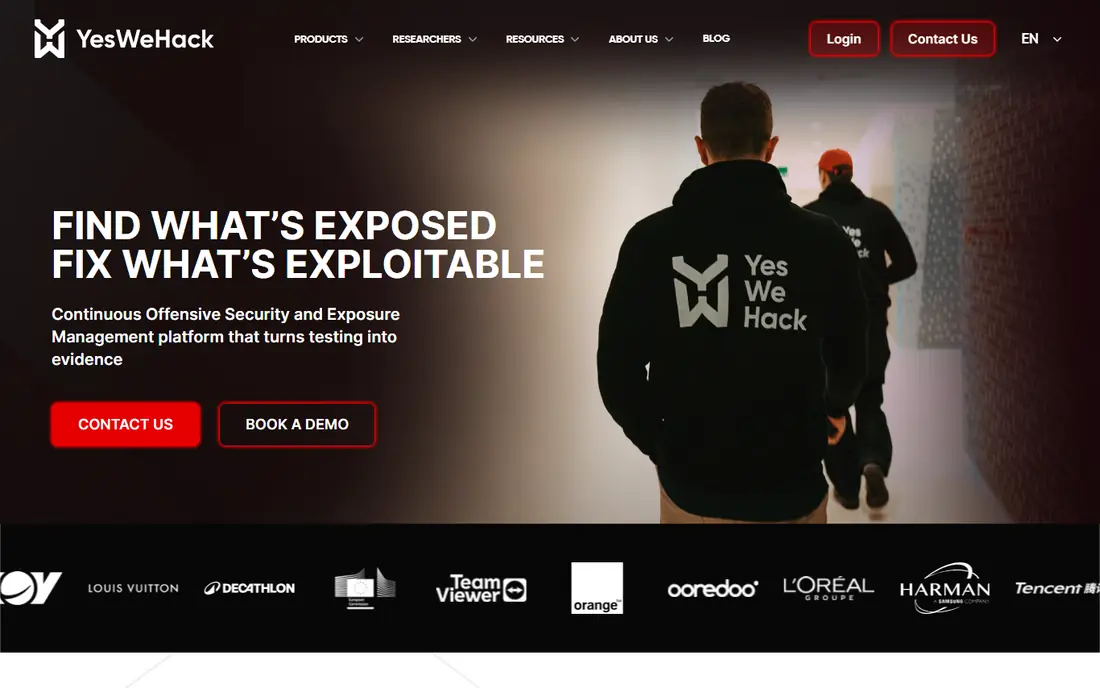
Choose YesWeHack for European programs with managed support. Rewards on named public programs often range from 100 euros to multiple thousand euros based on severity, so set expectations accordingly.
For everyday use, YesWeHack is an European product with an expanding program list, including automotive, technology, and public sector targets that do not appear on US systems. From a buyer's view, scale and language are the limits. YesWeHack starts at: Free to join. A free plan is available with YesWeHack.
Drawbacks to consider: Fewer English language programs than some rivals.
- Expanding community
- Managed programs with clear scope
- Smaller than HackerOne and Bugcrowd
Open Bug Bounty
Ideal for: Responsible disclosure practice without payout pressure
For responsible disclosure practice without payout pressure, Open Bug Bounty is a natural candidate. That practice is valuable, since report quality frequently decides whether a valid bug is accepted and premium on premium systems.
The limit is money. Price to start with Open Bug Bounty: Free to join. A free plan is available with Open Bug Bounty.
Watch-outs: Not a substitute for a premium system.
- Good for practicing report writing
- Open disclosure model for websites without a formal program
- Numerous targets have no bounty
HackenProof
Ideal for: Crypto and web programs for newer researchers
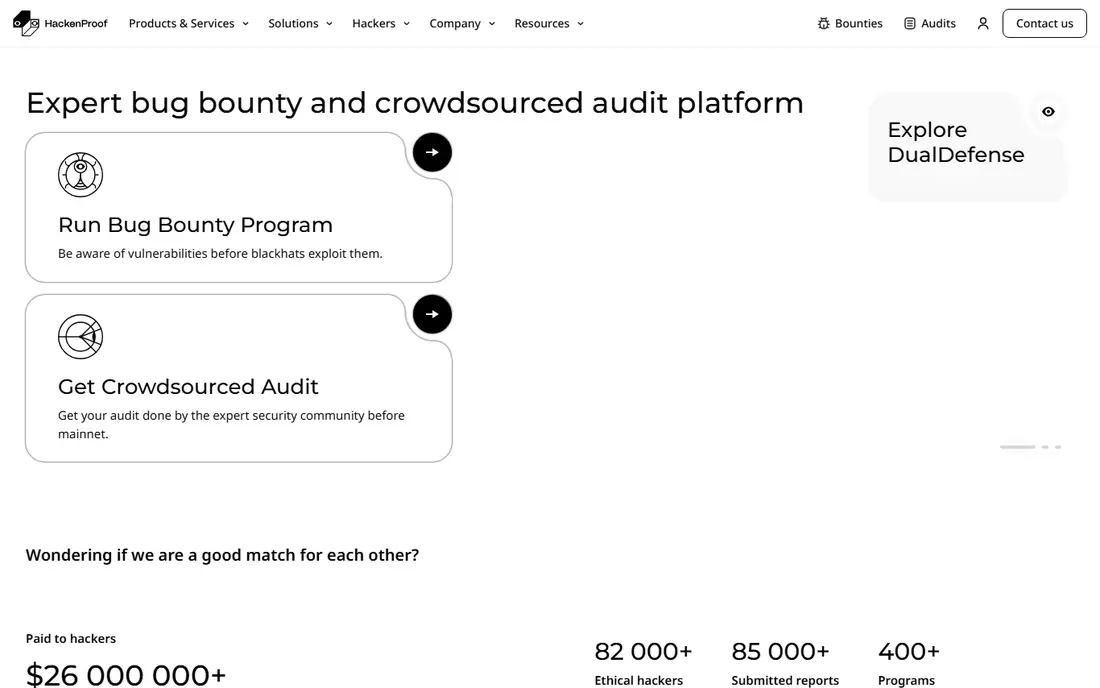
HackenProof targets crypto and web programs for newer researchers. HackenProof handles both traditional web programs and crypto and blockchain targets, which provides a beginner two learning paths in one account. In practice, the highest payouts on HackenProof typically need smart contract or blockchain expertise, which most beginners do not have yet, so start with web programs and build toward crypto targets.
As for the details, public listings commonly display bounty ranges. So you can judge whether a program is worth your time before you start. In daily use, for a beginner who is curious about crypto security but wants to start with web basics, HackenProof is a handy extra system. From a buyer's view, web programs let you practice typical vulnerabilities for example cross site scripting, authentication flaws, and API issues, whereas crypto programs introduce wallet, exchange, and smart contract attack surfaces. Entry price for HackenProof: Free to join. You can start on HackenProof without paying.
Limits to weigh: Crypto focus means smart contract skills help for the highest payouts.
- Clear bounty ranges on numerous listings
- Beginner accessible public programs
- Program volume is smaller than the leaders
HackerOne
Ideal for: Largest program choice and learning resources
HackerOne makes the most sense for largest program choice and learning resources. Widely used public programs attract thousands of researchers, so typical bugs are found fast and duplicates are typical. HackerOne reputation, signal, and impact scores also affect private invitations, and a string of invalid reports can slow your progress.
Hacker101 teaches typical vulnerability types with labs, and Hacktivity lets you read real, resolved reports to see how researchers found a bug, how they wrote it up, and how the company fixed it. That library alone makes HackerOne valuable even before your first bounty. On cost, HackerOne starts like this: Free to join. Free access exists with HackerOne.
Watch-outs: Reputation penalties for invalid reports can hurt beginners.
- Clear path to private programs
- Largest public program directory
- Competition for typical bugs is high
Immunefi
Ideal for: Web3 researchers targeting smart contracts later
Immunefi works best for Web3 researchers targeting smart contracts later. Immunefi concentrates on Web3 and crypto, with bounties for smart contracts, DeFi protocols, and blockchain infrastructure. Start with web systems, learn the fundamentals, then study smart contracts separately if Web3 interests you.
Critical bugs on major protocols can pay very large amounts compared to web programs, which is why Immunefi attracts experienced blockchain researchers. More specifically, if you already have blockchain skills, Immunefi is the product to prioritize. In practice, for a pure beginner, Immunefi is a stretch goal. Immunefi pricing: Free to join. Immunefi offers a free plan.
Drawbacks to consider: High competition for top programs.
- Clear severity and payout frameworks
- Very large payouts for critical smart contract bugs
- Needs smart contract and DeFi knowledge
Synack
Ideal for: Vetted researchers ready for higher value work
Synack makes the most sense for Vetted researchers ready for higher value work. Synack is included here as a goal, not a starting point, since beginners have to know where the path leads.
As for the details, missions and vulnerabilities can pay well, with vulnerability payments often in the hundreds to thousands of dollars based on severity. Synack pricing: Free to join. Synack offers a free plan.
Drawbacks to consider: Invite only and heavily vetted, so not a beginner starting point.
- Mission based work with guaranteed pay elements
- Vetted Red Team model with less public competition
- Needs experience and an application process
Intigriti
Ideal for: Beginners who want quick feedback and European programs
Think of Intigriti for beginners who want quick feedback and European programs. Intigriti is often recommended as the best first system for complete beginners.
The reasons are practical: onboarding is clean, triage is frequently quick, and the reputation system rewards recent activity, so a new researcher is not permanently behind long time hunters. More specifically, European firms form a large part of the program list, which also means less competition on some programs than on the most widely used US targets, and GDPR focused scope documents are frequently clear about what is allowed. What you pay to start with Intigriti: Free to join. Intigriti includes a free tier.
Where it falls short: Program volume is smaller than HackerOne.
- Seasonal reputation that rewards current activity
- Clean onboarding
- European focus means fewer US programs
Selection criteria
Each tool was reviewed on what its vendor publishes: price, plan limits, core features and stated drawbacks. We did not run hands-on tests. Plan names, prices and limits change often. Treat the figures here as a starting point and verify them with the vendor. The order reflects how well each tool fits the most common buying scenario for Bug Bounty platforms for beginners, then price clarity, then free plan access. It is a starting point, not a verdict.
Before you commit
- Check the current price for YesWeHack, Intigriti and the rest on each vendor page, since seats and billing terms change the total.
- Look at free plan limits closely: YesWeHack, Open Bug Bounty, HackenProof and others have one, and the caps decide whether it is usable for real work.
- Before choosing YesWeHack, weigh its main limit: smaller than HackerOne and Bugcrowd.
- Add up seats, add-ons and usage charges for Immunefi before comparing it with cheaper entries.
- Test how quickly HackenProof answers a pre-sales question; it hints at how support will feel later.
Frequently asked questions
Do I need certifications to start bug bounty hunting?
No certification is required to join a product, but foundational knowledge in web security, HTTP, authentication, and typical vulnerabilities helps greatly. Free training for example Hacker101, PortSwigger Web Security Academy, and TryHackMe rooms can build that foundation before you hunt live targets.
Is YesWeHack the right pick for everyone comparing Bug Bounty platforms for beginners?
No single tool suits every team. YesWeHack comes first because it fits European programs with managed support, while Open Bug Bounty suits responsible disclosure practice without payout pressure and HackenProof suits crypto and web programs for newer researchers. Match the tool to your own size, budget and workflow before deciding.
Which options for Bug Bounty platforms for beginners have a free plan?
On this list, 7 of 7 tools include a free plan, among them YesWeHack, Open Bug Bounty, HackenProof and HackerOne. Caps on seats, usage or features are common, so test the free plan against your real workload.
Is bug bounty hunting legal?
Yes, when you test only systems that are in scope for a program you have joined, follow the program rules, and do not access, alter, or exfiltrate data beyond what the program permits. Testing a system without permission, even with decent intentions, can be illegal, so scope compliance is essential.
Can I try these tools before paying?
Often, yes. YesWeHack, Open Bug Bounty, HackenProof and others have a free plan. Use your own data and a real task during the test, and check what the free tier or trial limits before you rely on it.
How are the tools for Bug Bounty platforms for beginners ordered?
The order follows typical fit for Bug Bounty platforms for beginners, with YesWeHack first and Intigriti last, then price clarity and free access. It is editorial judgement, not a score, so another team could rank the tools differently.