Best Cell Phone Services for Elderly Users in 2026: 8 Plans Compared

- 1
 Consumer CellularSeniors who want simple plans and US based supportVisit
- 2
 LivelySeniors who want a simple phone with safety featuresVisit
- 3
 T-Mobile 55+Older adults who want a major network and perksVisit
- 4
 Verizon 55+Seniors who want wide coverageVisit
- 5
 AT&TSeniors who want a major network with in store helpVisit
- Consumer Cellular stands out for seniors who want simple plans and us based support, which makes it a strong starting point for that need.
- Lively stands out for seniors who want a simple phone with safety features, which makes it a strong starting point for that need.
- T-Mobile 55+ stands out for older adults who want a major network and perks, which makes it a strong starting point for that need.
- Verizon 55+ stands out for seniors who want wide coverage, which makes it a strong starting point for that need.
- Prices and free plans vary widely across this list, so check the vendor pricing page for your team size or usage before you commit.
Quick comparison
| Product | Ideal for | Price from | Free version | |
|---|---|---|---|---|
| Consumer Cellular | Seniors who want simple plans and US based support | See website | No | Visit |
| Lively | Seniors who want a simple phone with safety features | See website | No | Visit |
| T-Mobile 55+ | Older adults who want a major network and perks | See website | No | Visit |
| Verizon 55+ | Seniors who want wide coverage | See website | No | Visit |
| AT&T | Seniors who want a major network with in store help | See website | No | Visit |
 Mint Mobile | Budget conscious seniors who use little data | See website | No | Visit |
 US Mobile | Seniors who want a flexible low cost plan | See website | No | Visit |
 Visible | Seniors who want simple unlimited data | See website | No | Visit |
The best cell phone services for elderly users
We compared official feature pages, pricing pages, app store listings, privacy policies, and public reviews for this roundup. The products below cover different budgets and needs, so the best choice depends on how you will actually use it day to day. Our pick for most people is Consumer Cellular, because it covers the core need well, but read the full list before you decide, since a smaller or cheaper option may fit your situation better.
Consumer Cellular
Ideal for: Seniors who want simple plans and US based support
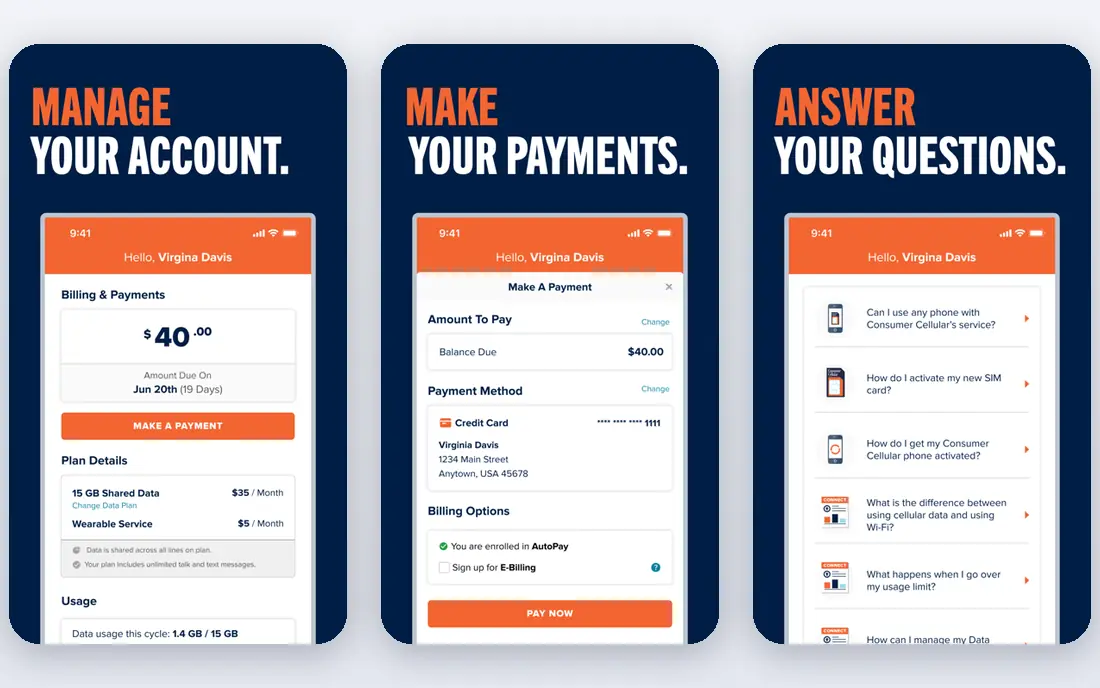
Consumer Cellular keeps plans simple and lets customers change plans without a penalty, which suits people who do not want a long contract. It is a good fit for seniors who mainly call and text, with modest data use, and who value phone support when they need help.
When we compared Consumer Cellular with the rest of this list, its strengths were clear: simple plans; no long contract; phones with larger text options; us based support On the other side, buyers should weigh this catch: data allowances on cheaper plans are limited; 5g access depends on the plan That trade off matters most if you plan to use the product every day, so check the pricing page and the free plan terms, and trial it with real work before you commit. For many buyers, Consumer Cellular earns its place here because it handles the core job well, even though no product on this list is perfect for every need.
- Simple plans
- No long contract
- Phones with larger text options
- US based support
- Data allowances on cheaper plans are limited
- 5G access depends on the plan
Lively
Ideal for: Seniors who want a simple phone with safety features
Lively builds phones around large buttons, clear menus, and an optional urgent response button for people who want extra safety. It suits seniors who want a phone that is easy to use first, with safety features as an optional extra.
When we compared Lively with the rest of this list, its strengths were clear: simple jitterbug phones; optional urgent response service; large buttons and clear menus On the other side, buyers should weigh this catch: smartphone choice is limited; safety services add a monthly cost That trade off matters most if you plan to use the product every day, so check the pricing page and the free plan terms, and trial it with real work before you commit. For many buyers, Lively earns its place here because it handles the core job well, even though no product on this list is perfect for every need.
- Simple Jitterbug phones
- Optional urgent response service
- Large buttons and clear menus
- Smartphone choice is limited
- Safety services add a monthly cost
T-Mobile 55+
Ideal for: Older adults who want a major network and perks
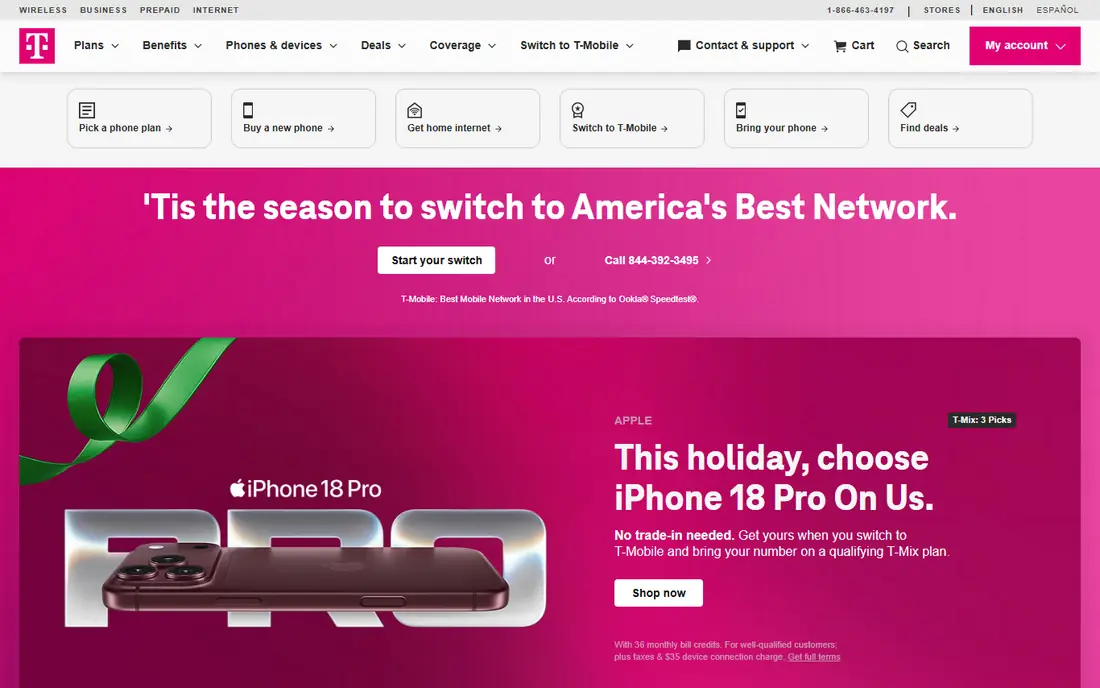
T-Mobile offers plans for customers aged 55 and older on a large network, with perks that vary by plan. It fits seniors who want a major carrier, good coverage, and a modern smartphone without a specialist senior phone.
When we compared T-Mobile 55+ with the rest of this list, its strengths were clear: large nationwide network; plans for customers 55 and older; streaming perks on some plans On the other side, buyers should weigh this catch: age eligibility rules apply; prices vary with autopay and line count That trade off matters most if you plan to use the product every day, so check the pricing page and the free plan terms, and trial it with real work before you commit. For many buyers, T-Mobile 55+ earns its place here because it handles the core job well, even though no product on this list is perfect for every need.
- Large nationwide network
- Plans for customers 55 and older
- Streaming perks on some plans
- Age eligibility rules apply
- Prices vary with autopay and line count
Verizon 55+
Ideal for: Seniors who want wide coverage
Verizon is known for wide coverage, which matters for seniors who travel or live outside cities. Check whether the 55 and older plan is offered in your state, and compare the total monthly cost after taxes and fees.
When we compared Verizon 55+ with the rest of this list, its strengths were clear: wide network coverage; 55 and older plans in some states; strong store support On the other side, buyers should weigh this catch: 55 and older plans are limited to certain states; premium plans cost more That trade off matters most if you plan to use the product every day, so check the pricing page and the free plan terms, and trial it with real work before you commit. For many buyers, Verizon 55+ earns its place here because it handles the core job well, even though no product on this list is perfect for every need.
- Wide network coverage
- 55 and older plans in some states
- Strong store support
- 55 and older plans are limited to certain states
- Premium plans cost more
AT&T
Ideal for: Seniors who want a major network with in store help
AT and T gives seniors access to a large network plus stores where staff can help set up a phone in person. It works well for people who prefer face to face help and a familiar national carrier.
When we compared AT&T with the rest of this list, its strengths were clear: large network; many stores for in person help; senior discounts in some plans On the other side, buyers should weigh this catch: cheapest plans may limit data or perks; plan details vary often That trade off matters most if you plan to use the product every day, so check the pricing page and the free plan terms, and trial it with real work before you commit. For many buyers, AT&T earns its place here because it handles the core job well, even though no product on this list is perfect for every need.
- Large network
- Many stores for in person help
- Senior discounts in some plans
- Cheapest plans may limit data or perks
- Plan details vary often
Mint Mobile
Ideal for: Budget conscious seniors who use little data
Mint Mobile keeps prices low by selling multi month plans online, which suits seniors comfortable managing their account on the web. It is best for light to moderate users who want to cut the monthly bill and do not need in store support.
When we compared Mint Mobile with the rest of this list, its strengths were clear: low prices on multi month plans; simple online signup; uses the t-mobile network On the other side, buyers should weigh this catch: requires paying for several months upfront for the best price; support is mainly online That trade off matters most if you plan to use the product every day, so check the pricing page and the free plan terms, and trial it with real work before you commit. For many buyers, Mint Mobile earns its place here because it handles the core job well, even though no product on this list is perfect for every need.
- Low prices on multi month plans
- Simple online signup
- Uses the T-Mobile network
- Requires paying for several months upfront for the best price
- Support is mainly online
US Mobile
Ideal for: Seniors who want a flexible low cost plan
US Mobile lets customers pick a plan by how much data they actually use, so light users need not pay for a large allowance. It suits seniors who want flexibility and a low bill, and who are happy to manage the plan online.
When we compared US Mobile with the rest of this list, its strengths were clear: flexible plans by data amount; choice of networks; low cost starter options On the other side, buyers should weigh this catch: plan choices can confuse first time buyers; support is mainly online and by chat That trade off matters most if you plan to use the product every day, so check the pricing page and the free plan terms, and trial it with real work before you commit. For many buyers, US Mobile earns its place here because it handles the core job well, even though no product on this list is perfect for every need.
- Flexible plans by data amount
- Choice of networks
- Low cost starter options
- Plan choices can confuse first time buyers
- Support is mainly online and by chat
Visible
Ideal for: Seniors who want simple unlimited data
Visible offers simple unlimited plans on the Verizon network, with one flat style of pricing that is easy to follow. It fits seniors who stream or use data often and want a predictable bill without choosing between many plan tiers.
When we compared Visible with the rest of this list, its strengths were clear: simple unlimited plans; no hidden plan tiers; uses the verizon network On the other side, buyers should weigh this catch: video quality and hotspot limits apply; support is digital only That trade off matters most if you plan to use the product every day, so check the pricing page and the free plan terms, and trial it with real work before you commit. For many buyers, Visible earns its place here because it handles the core job well, even though no product on this list is perfect for every need.
- Simple unlimited plans
- No hidden plan tiers
- Uses the Verizon network
- Video quality and hotspot limits apply
- Support is digital only
How we picked these
We started with products and services that exist and work in October 2026 and truly fit the topic, then we compared their official feature pages, pricing pages, app store listings, privacy policies, and public reviews. We looked for a mix of well known leaders and strong smaller options, and we favored products with clear pricing, clear privacy practices, and honest limits. We did not claim hands-on testing that did not happen, and where a price could not be verified from the vendor site, we wrote See website rather than guessing a number.
How to choose a senior friendly plan
Start with how the phone will be used each day, then check coverage at home and the total monthly cost including taxes. Test the phone size, button layout, and text size in a store if possible, and ask who can help if something goes wrong. A plan that is easy to change later is often worth more than a small saving on a plan that locks you in. Before you pay, list your must have features, your budget, and the tools the new product must work with. A short trial with real tasks will tell you more than a feature list alone, and it will show whether support replies quickly when something goes wrong. Check contract length, renewal terms, and how easy it is to export your data or cancel, since those details matter long after the first month.
Frequently asked questions
What is the best cell phone for elderly users?
The best phone depends on comfort with technology, so a simple phone with large buttons suits some people while a standard smartphone with larger text suits others.
Do seniors get discounts on cell phone plans?
Some carriers offer age based plans or discounts, but eligibility, states, and terms vary, so compare the total monthly cost rather than the headline price.
Is a simple phone better than a smartphone for seniors?
A simple phone is easier for calls and texts, while a smartphone adds video calls, maps, and health apps, so choose based on which features will actually be used.
Can I keep my phone number when I switch?
In most cases yes, as long as the old account stays active until the number moves, so do not cancel the old plan before the transfer completes.
What should seniors check about coverage?
Check coverage at home, at family homes, and on regular travel routes, since a cheap plan is poor value if calls drop where it matters most.