Best Cell Service Deals in 2026: 8 Compared

- Our pick for most readers is T-Mobile, because it fits best cell service deals directly and covers the core need without unnecessary extras.
- Verizon is the strongest alternative when wide carrier coverage matters more than a single all purpose choice, so compare it side by side with our pick.
- Pricing varies widely across this list, so check the official pricing page before you commit, and treat any figure marked See website as quote based or usage based.
- The best choice depends on your budget, your team size, and how often you will use it, which is why we list eight options for best cell service deals rather than a single winner for everyone.
Quick comparison
| Product | Ideal for | Price from | Free version | |
|---|---|---|---|---|
 T-Mobile | nationwide carrier deals | See website | No | Visit |
 Verizon | wide carrier coverage | See website | No | Visit |
 AT&T | carrier plans and bundles | See website | No | Visit |
 Mint Mobile | low cost prepaid plans | See website | No | Visit |
 Visible | simple unlimited prepaid | See website | No | Visit |
 Cricket Wireless | budget carrier plans | See website | No | Visit |
 Metro by T-Mobile | budget plans on T-Mobile network | See website | No | Visit |
 Google Fi Wireless | flexible phone plans | See website | No | Visit |
The best best cell service deals options
We compared official feature pages, pricing pages, app store listings where relevant, privacy policies, and public reviews for best cell service deals. The eight options below cover the main ways readers approach this topic, from well known leaders to smaller specialists worth considering.
T-Mobile
Ideal for: nationwide carrier deals
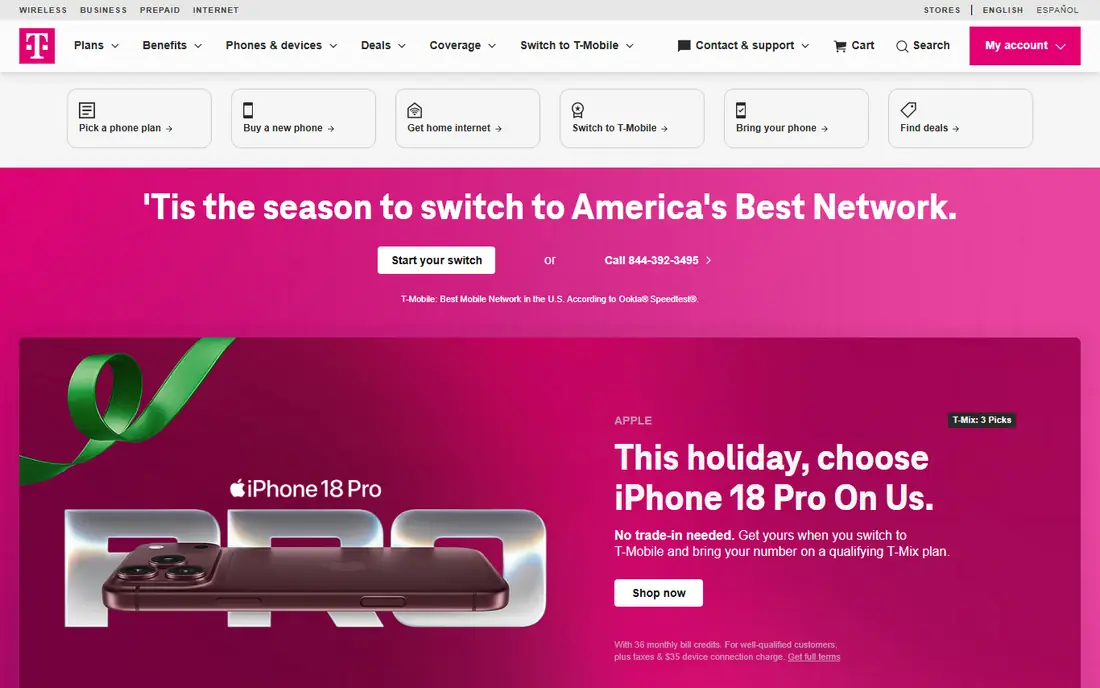
For readers whose main need is nationwide carrier deals, T-Mobile is worth a close look. It is aimed at that use case first, which keeps the decision clearer than a general tool that tries to cover everything. In practice, that means checking the plan that matches your volume, your team size, and how often you will use it, rather than picking on brand name alone. On the plus side, it offers large 5g network and frequent phone deals. Those two points matter in daily use, because they affect setup time, ongoing cost, and how much support you need from the provider. The limits to weigh are prices vary by plan and line count and coverage varies by location. If either one clashes with how you work, another option on this list may fit better, and that is a normal part of comparing best cell service deals.
- Large 5G network
- Frequent phone deals
- Family plan options
- Prices vary by plan and line count
- Coverage varies by location
Verizon
Ideal for: wide carrier coverage
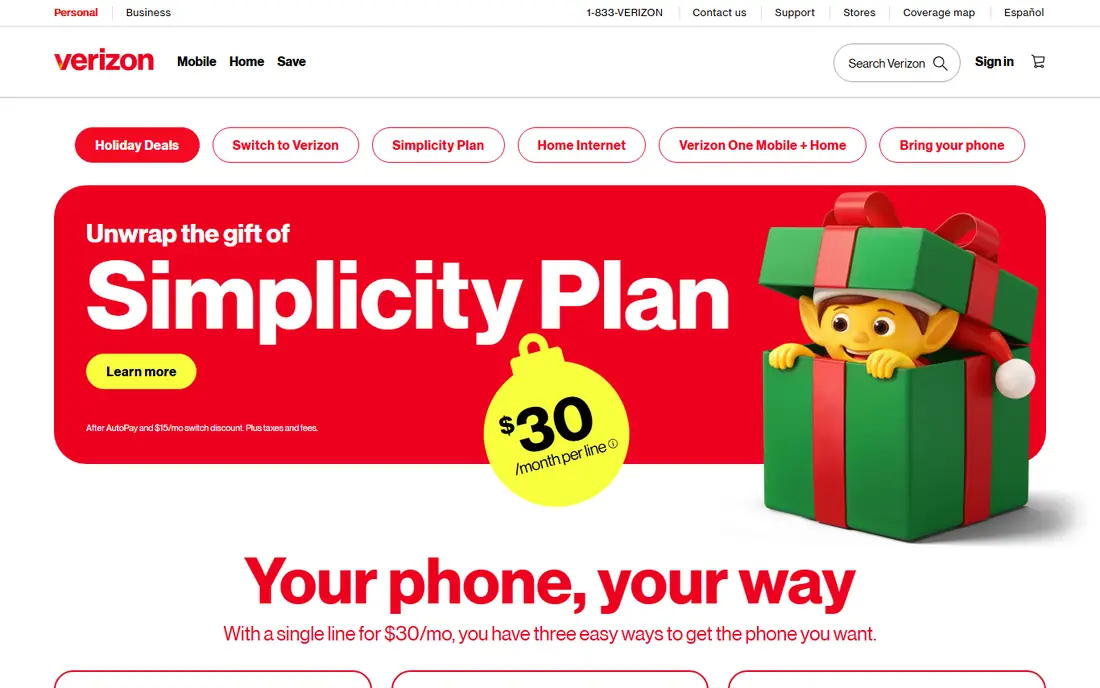
Verizon stands out for wide carrier coverage. We included it because its official pages describe that focus clearly, and because it fits the topic without forcing extra tools into the mix. In practice, that means checking the plan that matches your volume, your team size, and how often you will use it, rather than picking on brand name alone. What we liked most was wide network coverage, backed by phone trade in deals. That combination is useful when you want a tool that works from the first week, not one that needs a long setup project. Before you choose it, confirm premium plans cost more and check deal terms vary by device. A short trial or a careful read of the pricing page will usually settle both questions.
- Wide network coverage
- Phone trade in deals
- Family and premium plans
- Premium plans cost more
- Deal terms vary by device
AT&T
Ideal for: carrier plans and bundles
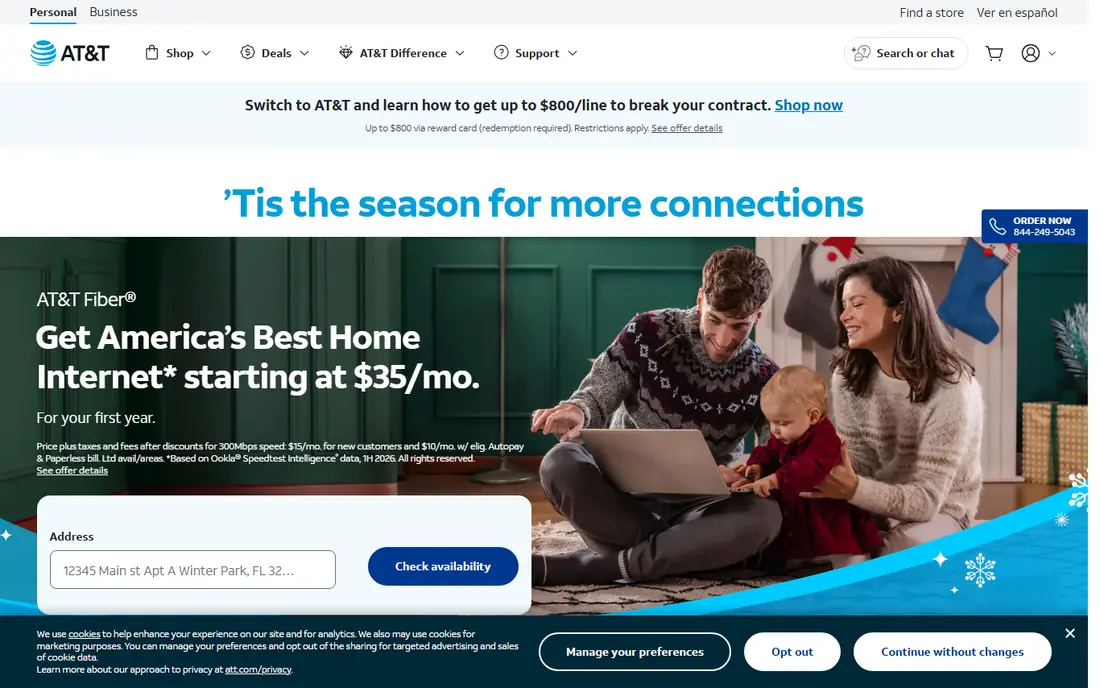
If carrier plans and bundles is your priority, start with AT&T. Its positioning is clear from its homepage and pricing pages, and it lines up well with what most readers ask for in best cell service deals. In practice, that means checking the plan that matches your volume, your team size, and how often you will use it, rather than picking on brand name alone. Its case rests on nationwide network and bundle options with internet. For the right reader, those are the deciding factors, and they are easy to verify on the official pages linked in Sources. It is not the right pick for everyone, mainly because of plan prices vary and some deals need a trade in. Readers who need a different balance should compare it side by side with the next two options below.
- Nationwide network
- Bundle options with internet
- Device deals
- Plan prices vary
- Some deals need a trade in
Mint Mobile
Ideal for: low cost prepaid plans
Mint Mobile earns a place here as a low cost prepaid plans choice for readers comparing best cell service deals. It covers the core job in a direct way, and its public feature pages make it simple to see what is included before you sign up. In practice, that means checking the plan that matches your volume, your team size, and how often you will use it, rather than picking on brand name alone. The strengths we noted were low monthly prices on annual plans, simple plan choices, and uses a major network. Together, those points explain why many readers shortlist it, even when a cheaper option exists elsewhere on this list. The honest catch is best price needs upfront payment, and customer support is mainly online. Neither point rules it out, but both are worth checking against your budget and your current setup before you commit.
- Low monthly prices on annual plans
- Simple plan choices
- Uses a major network
- Best price needs upfront payment
- Customer support is mainly online
Visible
Ideal for: simple unlimited prepaid
For readers whose main need is simple unlimited prepaid, Visible is worth a close look. It is aimed at that use case first, which keeps the decision clearer than a general tool that tries to cover everything. In practice, that means checking the plan that matches your volume, your team size, and how often you will use it, rather than picking on brand name alone. On the plus side, it offers simple unlimited plans and no annual contract. Those two points matter in daily use, because they affect setup time, ongoing cost, and how much support you need from the provider. The limits to weigh are plan features vary by tier and support is digital first. If either one clashes with how you work, another option on this list may fit better, and that is a normal part of comparing best cell service deals.
- Simple unlimited plans
- No annual contract
- Digital signup
- Plan features vary by tier
- Support is digital first
Cricket Wireless
Ideal for: budget carrier plans
Cricket Wireless stands out for budget carrier plans. We included it because its official pages describe that focus clearly, and because it fits the topic without forcing extra tools into the mix. In practice, that means checking the plan that matches your volume, your team size, and how often you will use it, rather than picking on brand name alone. What we liked most was affordable prepaid plans, backed by store support in many areas. That combination is useful when you want a tool that works from the first week, not one that needs a long setup project. Before you choose it, confirm data speeds may vary by plan and check phone selection varies. A short trial or a careful read of the pricing page will usually settle both questions.
- Affordable prepaid plans
- Store support in many areas
- Family plan discounts
- Data speeds may vary by plan
- Phone selection varies
Metro by T-Mobile
Ideal for: budget plans on T-Mobile network
If budget plans on T-Mobile network is your priority, start with Metro by T-Mobile. Its positioning is clear from its homepage and pricing pages, and it lines up well with what most readers ask for in best cell service deals. In practice, that means checking the plan that matches your volume, your team size, and how often you will use it, rather than picking on brand name alone. Its case rests on low cost plans and store and online signup. For the right reader, those are the deciding factors, and they are easy to verify on the official pages linked in Sources. It is not the right pick for everyone, mainly because of premium features are limited and coverage follows the host network. Readers who need a different balance should compare it side by side with the next two options below.
- Low cost plans
- Store and online signup
- Family discounts
- Premium features are limited
- Coverage follows the host network
Google Fi Wireless
Ideal for: flexible phone plans
Google Fi Wireless earns a place here as a flexible phone plans choice for readers comparing best cell service deals. It covers the core job in a direct way, and its public feature pages make it simple to see what is included before you sign up. In practice, that means checking the plan that matches your volume, your team size, and how often you will use it, rather than picking on brand name alone. The strengths we noted were flexible and unlimited options, international roaming features, and simple billing. Together, those points explain why many readers shortlist it, even when a cheaper option exists elsewhere on this list. The honest catch is device choice is narrower, and best value depends on data use. Neither point rules it out, but both are worth checking against your budget and your current setup before you commit.
- Flexible and unlimited options
- International roaming features
- Simple billing
- Device choice is narrower
- Best value depends on data use
How we picked these
We started with official feature pages and pricing pages for best cell service deals, then checked app store listings where relevant, privacy policies, and public reviews. We kept only products that exist and work in October 2026 and that truly fit the topic, and we left out options that were vague about pricing or that did not match the core need. We did not claim hands on testing that did not happen. Our comparison rests on what the vendors publish, what reviewers report, and how clearly each product explains its plans, limits, and support. That approach keeps the list honest about trade offs, even when a well known name is not the best fit for every reader.
Before you sign up, check these points
Start with the job you need done, not with the longest feature list. For best cell service deals, write down your must haves, your budget, and how much time you can spend on setup, then shortlist two or three options that meet those points and ignore the rest for now. Next, read the pricing page in full, including renewal prices, limits, and any add ons. A low starting price can hide usage fees, and a higher plan can save time if it includes support or automation you would otherwise pay for separately. Check cancellation terms too, so a trial does not turn into a charge you did not expect. Finally, look at support and privacy. Check how you can reach help, what data the service collects, and whether it explains its security practices in plain language. If those pages are hard to find, treat that as a warning sign, and pick a provider that answers those questions clearly.
Frequently asked questions
What is the best option for best cell service deals?
There is no single best option for everyone. Our pick for most readers is T-Mobile, while Verizon suits readers who prioritise wide carrier coverage. Compare your budget and your main use case before you decide.
How much does best cell service deals usually cost?
Costs vary widely, from free tiers to custom quotes, depending on volume, users, and features. Use the Quick comparison table as a starting point, then confirm the current price on the official pricing page for the plan you need.
Is there a free option for best cell service deals?
Some options on this list offer a free plan or a free trial, including T-Mobile where listed as such in its product block. Free tiers usually have limits, so check what is included before you rely on one for daily work.
How do I choose between these options?
Shortlist two or three that match your main need, then compare pricing, limits, support, and privacy terms side by side. A short trial or a demo call will usually reveal which one fits your workflow better than a feature list alone.
What should I watch out for with best cell service deals?
Watch for renewal price rises, usage limits, and add on fees that are not clear on the main pricing page. Also check contract terms, cancellation rules, and whether support covers the hours when you actually need help.