Best client-focused global research companies in 2026: 8 Compared

- NielsenIQ and Ipsos lead on global consumer and retail measurement, with panels and data that cover many markets.
- Kantar and GfK suit brand and product research, with long histories in tracking and audience work.
- Qualtrics and Dynata work best when you need fast surveys and access to respondents at scale.
- Forrester and Mintel add analyst insight on top of raw data, which helps when you need interpretation, not just numbers.
- Pricing is mostly custom, so expect a quoted proposal rather than a public price list.
Quick comparison
| Product | Ideal for | Price from | Free version | |
|---|---|---|---|---|
 NielsenIQ | Global consumer and retail measurement | See website | See website | Visit |
 Ipsos | Full-service global market research | See website | See website | Visit |
 Kantar | Brand and audience insight | See website | See website | Visit |
 GfK | Consumer and retail intelligence | See website | See website | Visit |
 Dynata | Survey respondents at scale | See website | See website | Visit |
 Qualtrics | Survey and experience research software | See website | Free trial | Visit |
 Forrester | Analyst research and guidance | See website | See website | Visit |
 Mintel | Consumer market reports and trends | See website | See website | Visit |
The best client-focused global research companies
We compared global research firms on panel reach, methods, and how clearly they serve client teams. The names below cover consumer measurement, brand tracking, and fast survey fieldwork. Pick based on the questions you need answered, not on firm size alone.
NielsenIQ
Ideal for: Global consumer and retail measurement
For buyers focused on global consumer and retail measurement, NielsenIQ is a strong place to start. Its retail measurement and consumer panel data give brand teams a broad view of what shoppers actually buy. Its official feature pages put that strength front and center, and public reviews tend to point to the same area. That kind of agreement matters when options look similar on a pricing page but differ in day-to-day use.
The catch is worth weighing too. Custom pricing and enterprise scale can put it out of reach for smaller research budgets. Before you commit, check the current pricing page and contract terms, and ask for a written quote where one applies. If those answers line up with your budget and timeline, NielsenIQ is easy to shortlist.
We would steer buyers with very different needs elsewhere. If your budget is tight, your timeline is short, or you need a feature NielsenIQ does not emphasize, another pick on this list may fit better. That is not a verdict on quality. Fit depends on size, budget, and how much support you expect after you sign up, so compare at least two other names before you decide.
- Wide global retail and consumer data
- Strong measurement methods
- Serves large brand teams
- Pricing is custom and often high
- Smaller buyers may find the offer heavy
Ipsos
Ideal for: Full-service global market research
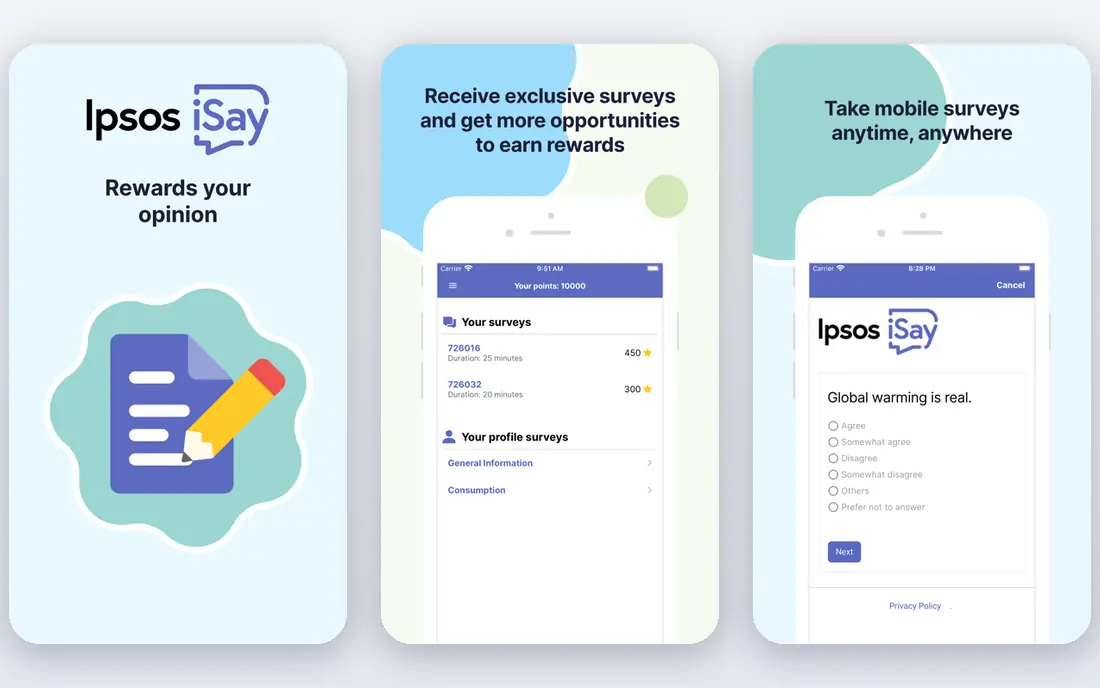
Ipsos earns its place here mainly on fit for full-service global market research. Ipsos runs research across many countries, which suits teams that need consistent methods in several markets at once. We weighed its public pricing, feature pages, and review feedback together, and the pattern was consistent. Buyers who care most about that area will find a lot to like, even if other parts of the offer are less distinctive.
No option is without a drawback, and Ipsos is no exception. Its breadth can make scoping a first project feel slow without a clear brief. The fix is to confirm the details that matter most to you in writing before you sign anything. A short call or email exchange at this stage can prevent a mismatch later.
One practical tip applies to every name here, including Ipsos. Get the current terms in writing, confirm what is included in the quoted price, and check how changes or cancellations are handled. Those three checks separate a good purchase from a frustrating one more often than any feature comparison does.
- Operates in many markets
- Covers brand, advertising, and public opinion work
- Large research teams
- Enterprise pricing
- Project scopes can be complex for first-time buyers
Kantar
Ideal for: Brand and audience insight
If brand and audience insight is your top priority, start your shortlist with Kantar. Kantar is a natural fit for brand health tracking and audience understanding, with methods refined over many years. The offer is easy to understand from its public pages, which helps when you are comparing several providers side by side. Clarity at this stage saves time later, when contracts and onboarding details come into play.
There is a trade-off to accept here. Smaller teams may find the entry cost and project structure heavier than a survey-only tool. That does not rule Kantar out, but it does mean you should compare it closely with at least one other name on this list. The right choice depends on which limitation you can live with most easily.
Shortlisting is only half the work. Talk to the provider, ask about onboarding or setup, and confirm timelines in writing. Kantar rewards that kind of diligence, because its strengths show up best when expectations are set clearly at the start of the relationship.
- Strong brand tracking heritage
- Broad audience data
- Global office network
- Custom pricing
- Some services are built for larger brands
GfK
Ideal for: Consumer and retail intelligence
GfK is the pick we point to first for consumer and retail intelligence. GfK brings detailed data on consumer technology and retail markets, useful for category and pricing decisions. It is not the only strong option on this list, but its combination of features and public pricing information makes it straightforward to evaluate. That transparency is worth something when you are making a decision with real money attached.
The honest weakness is this: Buyers should confirm exactly which GfK data and services are offered today, since the business has changed hands. Weigh that against the strengths above and against what your own situation actually requires. For many buyers the balance still favors GfK, but it is a judgment call, not a given.
If you are still undecided, rank your own priorities before you rank the providers. Price, support, coverage, and ease of use rarely matter equally, and GfK scores best when consumer and retail intelligence sits near the top of your list. Use that ranking to make the final call with confidence.
- Deep retail and technology market data
- Long market coverage
- Now part of NielsenIQ
- Brand positioning has shifted since its combination with NielsenIQ
- Pricing is quoted
Dynata
Ideal for: Survey respondents at scale
For buyers focused on survey respondents at scale, Dynata is a strong place to start. Dynata is built for teams that need respondents quickly and at scale, across many countries and audience types. Its official feature pages put that strength front and center, and public reviews tend to point to the same area. That kind of agreement matters when options look similar on a pricing page but differ in day-to-day use.
The catch is worth weighing too. Sample quality needs active checking, especially for niche or hard-to-reach audiences. Before you commit, check the current pricing page and contract terms, and ask for a written quote where one applies. If those answers line up with your budget and timeline, Dynata is easy to shortlist.
We would steer buyers with very different needs elsewhere. If your budget is tight, your timeline is short, or you need a feature Dynata does not emphasize, another pick on this list may fit better. That is not a verdict on quality. Fit depends on size, budget, and how much support you expect after you sign up, so compare at least two other names before you decide.
- Large respondent network
- Fast fieldwork
- Tools for survey research
- Quality varies by audience
- Pricing depends on sample and targeting
Qualtrics
Ideal for: Survey and experience research software
Qualtrics earns its place here mainly on fit for survey and experience research software. Qualtrics lets teams design, field, and analyze surveys in one platform, with tools for experience and market research. We weighed its public pricing, feature pages, and review feedback together, and the pattern was consistent. Buyers who care most about that area will find a lot to like, even if other parts of the offer are less distinctive.
No option is without a drawback, and Qualtrics is no exception. Costs can rise as you add features, so confirm which tier covers your survey and reporting needs. The fix is to confirm the details that matter most to you in writing before you sign anything. A short call or email exchange at this stage can prevent a mismatch later.
One practical tip applies to every name here, including Qualtrics. Get the current terms in writing, confirm what is included in the quoted price, and check how changes or cancellations are handled. Those three checks separate a good purchase from a frustrating one more often than any feature comparison does.
- Flexible survey platform
- Strong analytics
- Widely used by research teams
- Full pricing is quoted
- Advanced features sit in higher tiers
Forrester
Ideal for: Analyst research and guidance
If analyst research and guidance is your top priority, start your shortlist with Forrester. Forrester pairs data with analyst interpretation, which helps leaders who need a point of view, not only numbers. The offer is easy to understand from its public pages, which helps when you are comparing several providers side by side. Clarity at this stage saves time later, when contracts and onboarding details come into play.
There is a trade-off to accept here. It is not a fieldwork vendor, so teams needing fresh survey data will need a separate partner. That does not rule Forrester out, but it does mean you should compare it closely with at least one other name on this list. The right choice depends on which limitation you can live with most easily.
Shortlisting is only half the work. Talk to the provider, ask about onboarding or setup, and confirm timelines in writing. Forrester rewards that kind of diligence, because its strengths show up best when expectations are set clearly at the start of the relationship.
- Analyst insight alongside data
- Useful for strategy decisions
- Regular published research
- Subscription pricing
- Less suited to one-off fieldwork projects
Mintel
Ideal for: Consumer market reports and trends
Mintel is the pick we point to first for consumer market reports and trends. Mintel reports give teams ready-made category and trend insight without commissioning a custom study. It is not the only strong option on this list, but its combination of features and public pricing information makes it straightforward to evaluate. That transparency is worth something when you are making a decision with real money attached.
The honest weakness is this: If you need custom data for a specific product, a report library alone may not answer your question. Weigh that against the strengths above and against what your own situation actually requires. For many buyers the balance still favors Mintel, but it is a judgment call, not a given.
If you are still undecided, rank your own priorities before you rank the providers. Price, support, coverage, and ease of use rarely matter equally, and Mintel scores best when consumer market reports and trends sits near the top of your list. Use that ranking to make the final call with confidence.
- Rich consumer trend reports
- Category coverage
- Analyst-written insight
- Report and subscription pricing
- Less flexible for custom fieldwork
How we picked these
We started with providers that clearly fit the topic and have an official homepage we could open and verify. We compared what each one offers, how it prices its plans, and what public reviews say about working with it. Names that did not fit, or that we could not verify, were left out rather than padded into the list.
We compared official feature pages, pricing pages, app store listings where they exist, privacy policies, and public reviews. We left out providers we could not verify, options that did not truly fit the topic, and any name whose official homepage did not load. Prices and free tiers change, so treat every figure here as a starting point and confirm it on the provider site before you buy.
How to choose a global research partner
A research partner shapes the answers you get, so the choice deserves more than a glance at a homepage. Use the checks below to narrow the list to two or three firms worth a proposal.
Match the method to the question
Surveys, panels, retail measurement, and analyst reports answer different questions. A firm strong in brand tracking may not be the best choice for product testing. Describe your decision first, then ask each firm how it would answer it.
Ask about coverage and quality controls
Global reach only helps if the samples in your markets are sound. Ask how panels are recruited, how data quality is checked, and what happens when a market sample falls short. Clear answers here are a good sign.
Compare the full proposal, not just the price
Proposals differ in sample sizes, reporting, and support. Ask what deliverables are included, how results will be presented, and who your day-to-day contact will be. The cheapest proposal can cost more if it needs rework.
Frequently asked questions
How do I choose between these options?
Start with your budget, your timeline, and the one feature you cannot do without, then compare two or three names on that basis. Read the current pricing and terms pages rather than relying on older reviews. A short conversation with the provider usually answers the questions a website leaves open.
Are the prices listed here final?
No. Prices and plans change, and many providers quote custom pricing based on your size or needs. Use the figures here to shortlist, then confirm the current price in writing before you commit. Watch for setup fees, minimum terms, and renewal pricing.
What should I check before signing up?
Check what is included in the quoted price, how support works, how you can change or cancel, and what happens at renewal. For services, ask for the scope in writing. For software, use a trial period to test the features you will actually use every week.
Can a smaller provider be a better fit than a big name?
Yes, often. Smaller providers may offer closer support and more flexibility, while larger ones may offer wider coverage and longer track records. The right choice depends on your priorities, not on size alone, so weigh both sides before you decide.
How often should I revisit this decision?
Review it at least once a year, or sooner if your needs, budget, or team size change. Providers update pricing and features regularly, and a better fit may appear. A yearly check keeps you from paying for a plan you have outgrown.