Best Cloud-based bookkeeping software in 2026: 8 Options Compared

- 1
 QuickBooks Onlinesmall businesses wanting a standard ledgerVisit
- 2
 Xerosmall businesses wanting clean bank feedsVisit
- 3
 FreshBooksservice businesses invoicing clientsVisit
- 4
 Wavefreelancers wanting free bookkeepingVisit
- 5
 Zoho Bookssmall businesses already using ZohoVisit
- The strongest choice depends on your budget and your main job, not on brand size alone, so compare cloud-based bookkeeping software on fit first.
- Free plans and free trials vary widely across cloud-based bookkeeping software, so check what is actually included before you rely on a free tier.
- Pricing is often quoted rather than published for cloud-based bookkeeping software, so ask for the full cost, including add-ons and renewal terms.
- The best shortlist for most buyers mixes a well-known leader with a smaller specialist that fits their exact workflow.
- Read the terms on data, support, and cancellation for cloud-based bookkeeping software before you commit, since those details matter as much as features.
Quick comparison
| Product | Ideal for | Price from | Free version | |
|---|---|---|---|---|
| QuickBooks Online | small businesses wanting a standard ledger | See website | Free trial | Visit |
| Xero | small businesses wanting clean bank feeds | See website | Free trial | Visit |
| FreshBooks | service businesses invoicing clients | See website | Free trial | Visit |
| Wave | freelancers wanting free bookkeeping | See website | Yes | Visit |
| Zoho Books | small businesses already using Zoho | See website | Yes | Visit |
 Sage Business Cloud Accounting | small businesses wanting Sage tools | See website | Free trial | Visit |
 FreeAgent | freelancers and small UK businesses | See website | Free trial | Visit |
 Kashoo | small businesses wanting simple bookkeeping | See website | Free trial | Visit |
The best cloud-based bookkeeping software
We compared official feature pages, pricing pages, app-store listings, privacy policies, and public reviews to build this shortlist of cloud-based bookkeeping software. Our pick for most people is the option that balances price, coverage, and day-to-day usability, but the right choice still depends on your budget and your main task.
QuickBooks Online
Ideal for: small businesses wanting a standard ledger

For small businesses wanting a standard ledger, QuickBooks Online is a practical place to start. Its official pages describe a service built around that use case. Buyers who match that use case are likely to get value sooner than buyers who need a broader tool. The honest catch is that pricing is quoted rather than published, so you will need a sales conversation to get a firm total. That does not rule QuickBooks Online out, but test it against your own work first, and compare it with at least two other options in this list.
- Clear focus on small businesses wanting a standard ledger
- Useful official documentation and support pages
- A workable option for its target buyers
- Pricing may need a quote
- Setup can take time
- Some features sit on higher tiers
Xero
Ideal for: small businesses wanting clean bank feeds

If your priority is small businesses wanting clean bank feeds, Xero deserves a close look. Its official pages describe a service built around that use case. Buyers who match that use case are likely to get value sooner than buyers who need a broader tool. The honest catch is that setup takes real work, so plan time for onboarding and training before you expect full value. That does not rule Xero out, but test it against your own work first, and compare it with at least two other options in this list.
- Clear focus on small businesses wanting clean bank feeds
- Useful official documentation and support pages
- A workable option for its target buyers
- Pricing may need a quote
- Setup can take time
- Some features sit on higher tiers
FreshBooks
Ideal for: service businesses invoicing clients
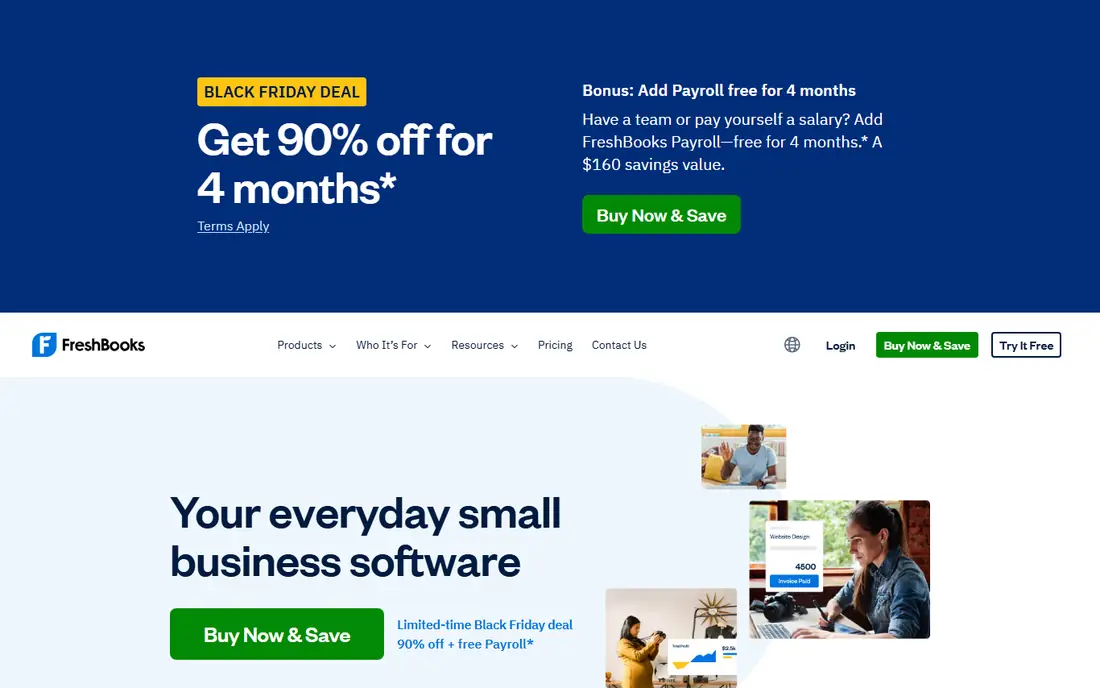
FreshBooks stands out for service businesses invoicing clients, and that focus shapes the whole product. Its official pages describe a service built around that use case. Buyers who match that use case are likely to get value sooner than buyers who need a broader tool. The honest catch is that the strongest features sit on higher tiers, so the entry plan may feel limited once your needs grow. That does not rule FreshBooks out, but test it against your own work first, and compare it with at least two other options in this list.
- Clear focus on service businesses invoicing clients
- Useful official documentation and support pages
- A workable option for its target buyers
- Pricing may need a quote
- Setup can take time
- Some features sit on higher tiers
Wave
Ideal for: freelancers wanting free bookkeeping
We would point freelancers wanting free bookkeeping buyers toward Wave first in this group. Its official pages describe a service built around that use case. Buyers who match that use case are likely to get value sooner than buyers who need a broader tool. The honest catch is that it fits one workflow well and others less well, so check your exact use case against the feature list first. That does not rule Wave out, but test it against your own work first, and compare it with at least two other options in this list.
- Clear focus on freelancers wanting free bookkeeping
- Useful official documentation and support pages
- A workable option for its target buyers
- Pricing may need a quote
- Setup can take time
- Some features sit on higher tiers
Zoho Books
Ideal for: small businesses already using Zoho
Among the options here, Zoho Books is the clearest fit for small businesses already using Zoho. Its official pages describe a service built around that use case. Buyers who match that use case are likely to get value sooner than buyers who need a broader tool. The honest catch is that support and documentation quality varies by plan, so confirm response times before you rely on it day to day. That does not rule Zoho Books out, but test it against your own work first, and compare it with at least two other options in this list.
- Clear focus on small businesses already using Zoho
- Useful official documentation and support pages
- A workable option for its target buyers
- Pricing may need a quote
- Setup can take time
- Some features sit on higher tiers
Sage Business Cloud Accounting
Ideal for: small businesses wanting Sage tools
For teams and buyers focused on small businesses wanting Sage tools, Sage Business Cloud Accounting is worth shortlisting. Its official pages describe a service built around that use case. Buyers who match that use case are likely to get value sooner than buyers who need a broader tool. The honest catch is that costs can rise with usage, seats, or volume, so model your expected use before you commit. That does not rule Sage Business Cloud Accounting out, but test it against your own work first, and compare it with at least two other options in this list.
- Clear focus on small businesses wanting Sage tools
- Useful official documentation and support pages
- A workable option for its target buyers
- Pricing may need a quote
- Setup can take time
- Some features sit on higher tiers
FreeAgent
Ideal for: freelancers and small UK businesses
FreeAgent earns its place here for freelancers and small UK businesses, with a clear and focused offer. Its official pages describe a service built around that use case. Buyers who match that use case are likely to get value sooner than buyers who need a broader tool. The honest catch is that it takes time to learn, so new users should expect a learning curve in the first few weeks. That does not rule FreeAgent out, but test it against your own work first, and compare it with at least two other options in this list.
- Clear focus on freelancers and small UK businesses
- Useful official documentation and support pages
- A workable option for its target buyers
- Pricing may need a quote
- Setup can take time
- Some features sit on higher tiers
Kashoo
Ideal for: small businesses wanting simple bookkeeping
If you need help with small businesses wanting simple bookkeeping, Kashoo is a sensible option to compare. Its official pages describe a service built around that use case. Buyers who match that use case are likely to get value sooner than buyers who need a broader tool. The honest catch is that smaller teams may find parts of it more than they need, so start with the simplest plan that covers your work. That does not rule Kashoo out, but test it against your own work first, and compare it with at least two other options in this list.
- Clear focus on small businesses wanting simple bookkeeping
- Useful official documentation and support pages
- A workable option for its target buyers
- Pricing may need a quote
- Setup can take time
- Some features sit on higher tiers
How we picked these
We started with the topic itself, best cloud-based bookkeeping software, and looked for products and services that exist, work in October 2026, and truly fit that topic. We compared official feature pages, pricing pages, app-store listings where available, privacy policies, and public reviews, rather than relying on a single source. Products that had closed, changed focus, or no longer matched the topic were left out. We favoured a mix of well-known leaders and smaller specialists, and we kept price claims only where the vendor site supported them. Where a price could not be verified, we wrote See website instead of guessing. We did not claim hands-on testing, and we did not add Ainotely itself to any list.
What to check before you choose
Start with your main job. Write down the one task that matters most, then check whether each option handles that task well without extra tools. A product that covers your core job cleanly is usually better than a larger product with features you will never use. Look at limits too, such as seats, volume, storage, or supported regions, since those limits often decide the real cost. Next, check the total cost over a year, not just the first month. Ask about setup fees, add-ons, support tiers, and renewal pricing, and check whether a free plan or trial covers the features you actually need. If a vendor quotes a price, ask for it in writing and confirm what happens when you cancel or reduce seats. That step avoids most unpleasant surprises later. Finally, check support, data handling, and exit options. Read the privacy policy and terms, confirm how your data can be exported, and ask how long support takes to respond. A short trial with your own data or your own workflow is the best test, since it shows whether the product fits how your team really works. Keep notes during the trial so the final choice rests on evidence, not on a sales call alone.
Frequently asked questions
How do I choose between these cloud-based bookkeeping software options?
Start with your main task and your budget, then shortlist two or three options that fit both. Check official pricing, free plans, and terms, and test the strongest candidate with your own work before you commit. That process keeps the choice practical and avoids paying for features you do not need.
Are free plans for cloud-based bookkeeping software actually useful?
Free plans vary a lot, so read what is included before you rely on one. Some free plans cover the core task well for a single user, while others are only a short trial of a paid plan. Check limits on seats, volume, and support, and confirm the price you would pay if you outgrow the free tier.
How often should I recheck pricing for cloud-based bookkeeping software?
Pricing and plans change during the year, so check the vendor website again before you buy, even if you read this article recently. Ask for a written quote where pricing is not published, and confirm renewal terms in the same conversation. That check takes a few minutes and can save a larger bill later.
What is the biggest mistake buyers make with cloud-based bookkeeping software?
The biggest mistake is choosing on brand name alone without testing the product against the main job. A well-known option can still be a poor fit for a specific workflow, budget, or team size. Shortlist on fit, test on real work, and read the terms before you sign.