Best Cloud Service For Frontend Development in 2026: 8 Compared

- 1
 Vercelfrontend hosting and deploymentVisit
- 2
 Netlifyfrontend sites and appsVisit
- 3
 Cloudflare Pagesfast static frontend hostingVisit
- 4
 AWS Amplifyfrontend hosting on AWSVisit
- 5
 Firebase HostingGoogle hosted frontend appsVisit
- Our pick for most readers is Vercel, because it fits best cloud service for frontend development directly and covers the core need without unnecessary extras.
- Netlify is the strongest alternative when frontend sites and apps matters more than a single all purpose choice, so compare it side by side with our pick.
- Pricing varies widely across this list, so check the official pricing page before you commit, and treat any figure marked See website as quote based or usage based.
- The best choice depends on your budget, your team size, and how often you will use it, which is why we list eight options for best cloud service for frontend development rather than a single winner for everyone.
Quick comparison
| Product | Ideal for | Price from | Free version | |
|---|---|---|---|---|
| Vercel | frontend hosting and deployment | See website | Yes | Visit |
| Netlify | frontend sites and apps | See website | Yes | Visit |
| Cloudflare Pages | fast static frontend hosting | See website | Yes | Visit |
| AWS Amplify | frontend hosting on AWS | See website | Yes | Visit |
| Firebase Hosting | Google hosted frontend apps | See website | Yes | Visit |
 Render | web apps and static sites | See website | Yes | Visit |
 Railway | app hosting for projects | See website | Free trial | Visit |
 DigitalOcean App Platform | app hosting for developers | See website | Free trial | Visit |
The best best cloud service for frontend development options
We compared official feature pages, pricing pages, app store listings where relevant, privacy policies, and public reviews for best cloud service for frontend development. The eight options below cover the main ways readers approach this topic, from well known leaders to smaller specialists worth considering.
Vercel
Ideal for: frontend hosting and deployment
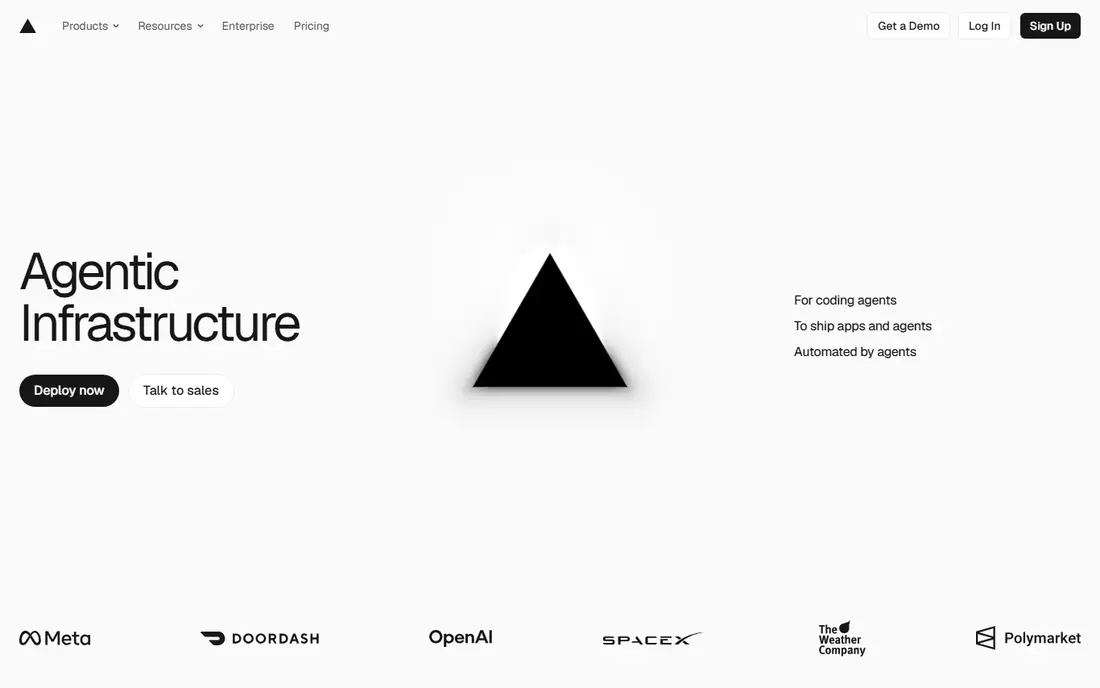
For readers whose main need is frontend hosting and deployment, Vercel is worth a close look. It is aimed at that use case first, which keeps the decision clearer than a general tool that tries to cover everything. In practice, that means checking the plan that matches your volume, your team size, and how often you will use it, rather than picking on brand name alone. On the plus side, it offers fast frontend deployment and preview deployments. Those two points matter in daily use, because they affect setup time, ongoing cost, and how much support you need from the provider. The limits to weigh are free tier limits apply and advanced features need paid plans. If either one clashes with how you work, another option on this list may fit better, and that is a normal part of comparing best cloud service for frontend development.
- Fast frontend deployment
- Preview deployments
- Framework friendly setup
- Free tier limits apply
- Advanced features need paid plans
Netlify
Ideal for: frontend sites and apps
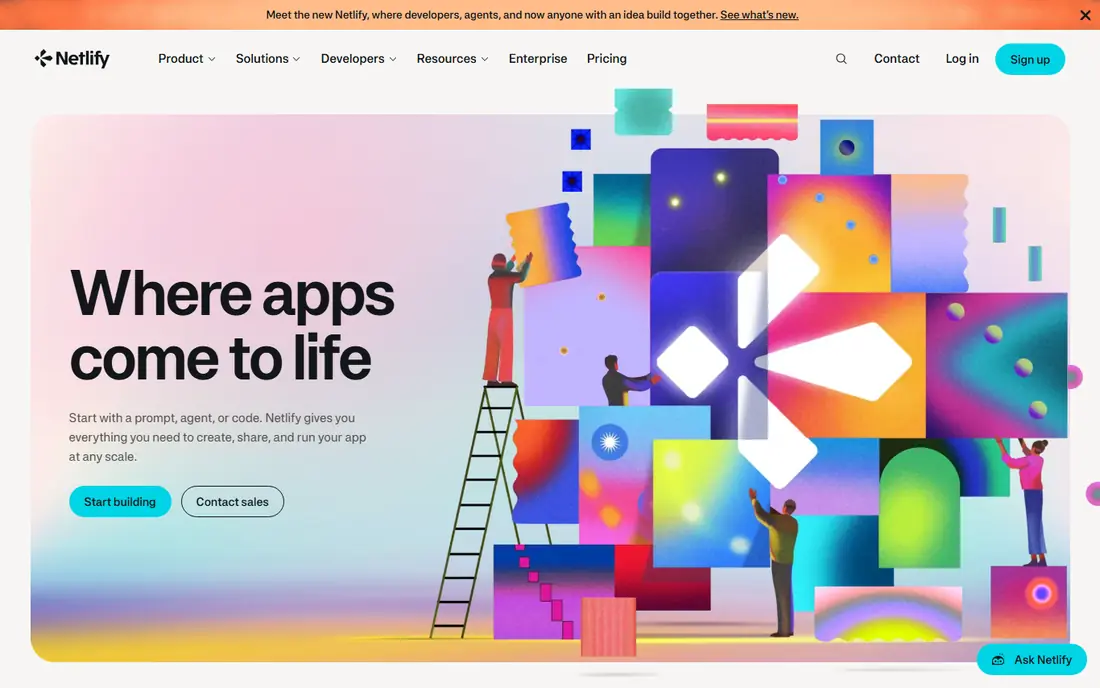
Netlify stands out for frontend sites and apps. We included it because its official pages describe that focus clearly, and because it fits the topic without forcing extra tools into the mix. In practice, that means checking the plan that matches your volume, your team size, and how often you will use it, rather than picking on brand name alone. What we liked most was simple site deployment, backed by forms and functions. That combination is useful when you want a tool that works from the first week, not one that needs a long setup project. Before you choose it, confirm build limits on free tier and check larger teams need paid plans. A short trial or a careful read of the pricing page will usually settle both questions.
- Simple site deployment
- Forms and functions
- Preview links
- Build limits on free tier
- Larger teams need paid plans
Cloudflare Pages
Ideal for: fast static frontend hosting
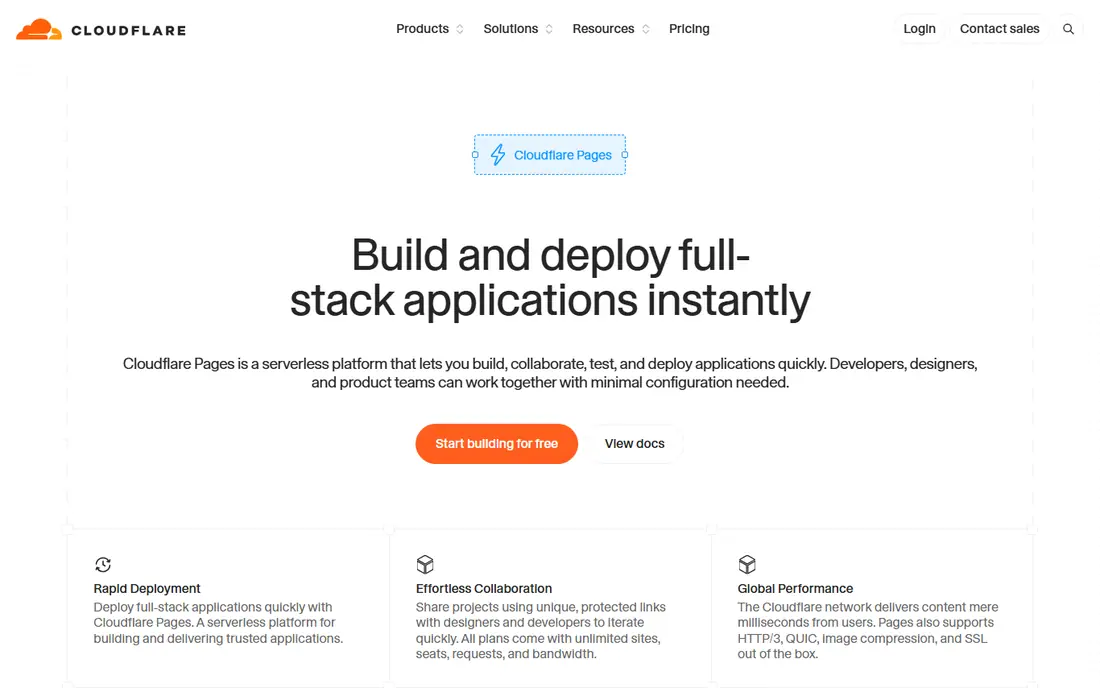
If fast static frontend hosting is your priority, start with Cloudflare Pages. Its positioning is clear from its homepage and pricing pages, and it lines up well with what most readers ask for in best cloud service for frontend development. In practice, that means checking the plan that matches your volume, your team size, and how often you will use it, rather than picking on brand name alone. Its case rests on generous free tier for many sites and global edge network. For the right reader, those are the deciding factors, and they are easy to verify on the official pages linked in Sources. It is not the right pick for everyone, mainly because of dynamic back end needs other products and limits apply on free tier. Readers who need a different balance should compare it side by side with the next two options below.
- Generous free tier for many sites
- Global edge network
- Git integration
- Dynamic back end needs other products
- Limits apply on free tier
AWS Amplify
Ideal for: frontend hosting on AWS
AWS Amplify earns a place here as a frontend hosting on AWS choice for readers comparing best cloud service for frontend development. It covers the core job in a direct way, and its public feature pages make it simple to see what is included before you sign up. In practice, that means checking the plan that matches your volume, your team size, and how often you will use it, rather than picking on brand name alone. The strengths we noted were aws hosting and back end tools, ci and deployment, and auth and data options. Together, those points explain why many readers shortlist it, even when a cheaper option exists elsewhere on this list. The honest catch is aws pricing can be complex, and setup is heavier for simple sites. Neither point rules it out, but both are worth checking against your budget and your current setup before you commit.
- AWS hosting and back end tools
- CI and deployment
- Auth and data options
- AWS pricing can be complex
- Setup is heavier for simple sites
Firebase Hosting
Ideal for: Google hosted frontend apps
For readers whose main need is Google hosted frontend apps, Firebase Hosting is worth a close look. It is aimed at that use case first, which keeps the decision clearer than a general tool that tries to cover everything. In practice, that means checking the plan that matches your volume, your team size, and how often you will use it, rather than picking on brand name alone. On the plus side, it offers fast hosting with ssl and google ecosystem links. Those two points matter in daily use, because they affect setup time, ongoing cost, and how much support you need from the provider. The limits to weigh are back end needs other firebase products and pricing varies with use. If either one clashes with how you work, another option on this list may fit better, and that is a normal part of comparing best cloud service for frontend development.
- Fast hosting with SSL
- Google ecosystem links
- Simple CLI deployment
- Back end needs other Firebase products
- Pricing varies with use
Render
Ideal for: web apps and static sites
Render stands out for web apps and static sites. We included it because its official pages describe that focus clearly, and because it fits the topic without forcing extra tools into the mix. In practice, that means checking the plan that matches your volume, your team size, and how often you will use it, rather than picking on brand name alone. What we liked most was simple service deployment, backed by static and web services. That combination is useful when you want a tool that works from the first week, not one that needs a long setup project. Before you choose it, confirm free tier services may sleep and check scaling costs vary. A short trial or a careful read of the pricing page will usually settle both questions.
- Simple service deployment
- Static and web services
- Automatic deploys from Git
- Free tier services may sleep
- Scaling costs vary
Railway
Ideal for: app hosting for projects
If app hosting for projects is your priority, start with Railway. Its positioning is clear from its homepage and pricing pages, and it lines up well with what most readers ask for in best cloud service for frontend development. In practice, that means checking the plan that matches your volume, your team size, and how often you will use it, rather than picking on brand name alone. Its case rests on quick project deployment and database add ons. For the right reader, those are the deciding factors, and they are easy to verify on the official pages linked in Sources. It is not the right pick for everyone, mainly because of trial credits are limited and costs vary with usage. Readers who need a different balance should compare it side by side with the next two options below.
- Quick project deployment
- Database add ons
- Simple pricing pages
- Trial credits are limited
- Costs vary with usage
DigitalOcean App Platform
Ideal for: app hosting for developers
DigitalOcean App Platform earns a place here as a app hosting for developers choice for readers comparing best cloud service for frontend development. It covers the core job in a direct way, and its public feature pages make it simple to see what is included before you sign up. In practice, that means checking the plan that matches your volume, your team size, and how often you will use it, rather than picking on brand name alone. The strengths we noted were simple app deployment, managed infrastructure, and clear pricing pages. Together, those points explain why many readers shortlist it, even when a cheaper option exists elsewhere on this list. The honest catch is free tier is limited, and advanced scaling needs higher plans. Neither point rules it out, but both are worth checking against your budget and your current setup before you commit.
- Simple app deployment
- Managed infrastructure
- Clear pricing pages
- Free tier is limited
- Advanced scaling needs higher plans
How we picked these
We started with official feature pages and pricing pages for best cloud service for frontend development, then checked app store listings where relevant, privacy policies, and public reviews. We kept only products that exist and work in October 2026 and that truly fit the topic, and we left out options that were vague about pricing or that did not match the core need. We did not claim hands on testing that did not happen. Our comparison rests on what the vendors publish, what reviewers report, and how clearly each product explains its plans, limits, and support. That approach keeps the list honest about trade offs, even when a well known name is not the best fit for every reader.
What matters most when you compare
Start with the job you need done, not with the longest feature list. For best cloud service for frontend development, write down your must haves, your budget, and how much time you can spend on setup, then shortlist two or three options that meet those points and ignore the rest for now. Next, read the pricing page in full, including renewal prices, limits, and any add ons. A low starting price can hide usage fees, and a higher plan can save time if it includes support or automation you would otherwise pay for separately. Check cancellation terms too, so a trial does not turn into a charge you did not expect. Finally, look at support and privacy. Check how you can reach help, what data the service collects, and whether it explains its security practices in plain language. If those pages are hard to find, treat that as a warning sign, and pick a provider that answers those questions clearly.
Frequently asked questions
What is the best option for best cloud service for frontend development?
There is no single best option for everyone. Our pick for most readers is Vercel, while Netlify suits readers who prioritise frontend sites and apps. Compare your budget and your main use case before you decide.
How much does best cloud service for frontend development usually cost?
Costs vary widely, from free tiers to custom quotes, depending on volume, users, and features. Use the Quick comparison table as a starting point, then confirm the current price on the official pricing page for the plan you need.
Is there a free option for best cloud service for frontend development?
Some options on this list offer a free plan or a free trial, including Vercel where listed as such in its product block. Free tiers usually have limits, so check what is included before you rely on one for daily work.
How do I choose between these options?
Shortlist two or three that match your main need, then compare pricing, limits, support, and privacy terms side by side. A short trial or a demo call will usually reveal which one fits your workflow better than a feature list alone.
What should I watch out for with best cloud service for frontend development?
Watch for renewal price rises, usage limits, and add on fees that are not clear on the main pricing page. Also check contract terms, cancellation rules, and whether support covers the hours when you actually need help.