Best Companies For Managing It Infrastructure In 2026: 8 Options Compared

- IBM stands out for enterprise infrastructure and cloud, while Accenture is a strong choice for large infrastructure programs.
- Prices and terms vary a lot, so check the official pricing page and contract details before you commit.
- DXC Technology and Cognizant show how different the same category can be, from large established names to more focused options.
- The right pick depends on your budget, your location, and how much support you want after you sign up.
Quick comparison
| Product | Ideal for | Price from | Free version | |
|---|---|---|---|---|
 IBM | enterprise infrastructure and cloud | See website | No | Visit |
 Accenture | large infrastructure programs | See website | No | Visit |
 DXC Technology | outsourced infrastructure operations | See website | No | Visit |
 Cognizant | managed IT and cloud services | See website | No | Visit |
 HCLTech | infrastructure and engineering services | See website | No | Visit |
 Tata Consultancy Services | large-scale IT operations | See website | No | Visit |
 Wipro | managed infrastructure services | See website | No | Visit |
 Infosys | enterprise IT management | See website | No | Visit |
The best companies for managing it infrastructure
We compared the options below on official feature pages, pricing, app-store listings where relevant, privacy policies and public reviews. Our aim was a shortlist that covers large, well-known names and smaller focused options, so you can match a choice to your budget and needs rather than picking the first name you recognise.
IBM
Ideal for: enterprise infrastructure and cloud
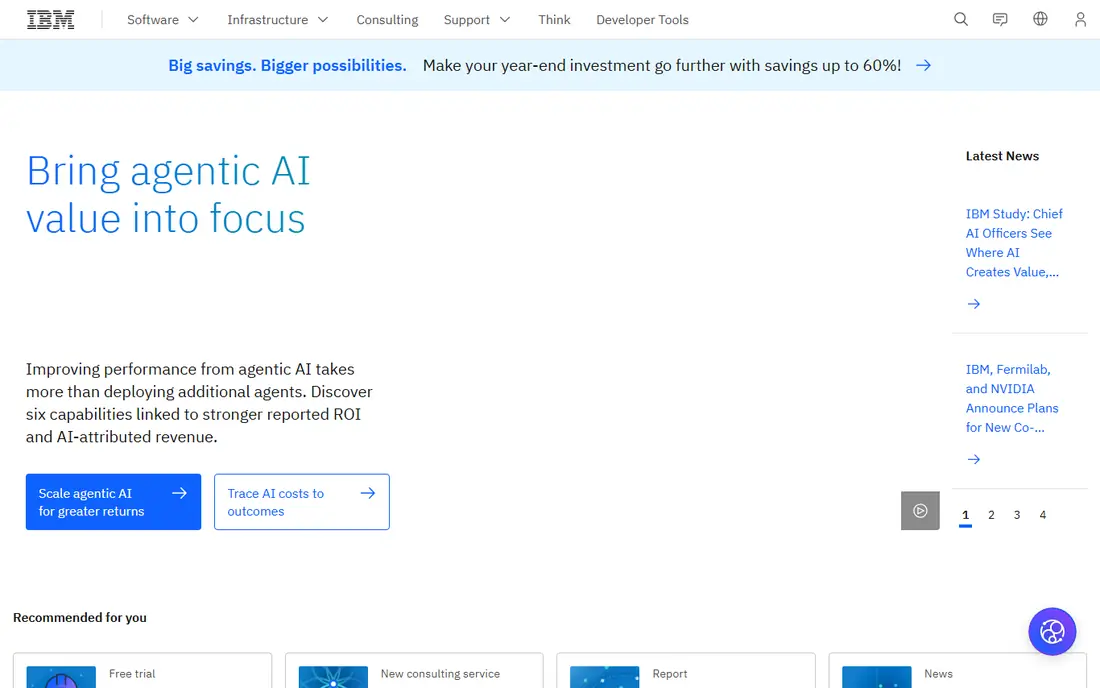
IBM manages infrastructure, cloud and mainframe environments for large organisations. It fits readers looking for enterprise infrastructure and cloud, and it is worth weighing that fit against the other names on this list before you decide. What stood out in our comparison was deep enterprise experience, and the wider set of strengths includes hybrid cloud tools. That combination is the main reason it earns a place here, even though no option on this list is right for every reader. The honest catch is services can be costly, and a second point to check is engagement complexity is high. Before you commit, read the official pricing and terms pages, confirm what is included at the price you will actually pay, and check availability and support in your location.
- Deep enterprise experience
- Hybrid cloud tools
- Global support
- Services can be costly
- Engagement complexity is high
Accenture
Ideal for: large infrastructure programs
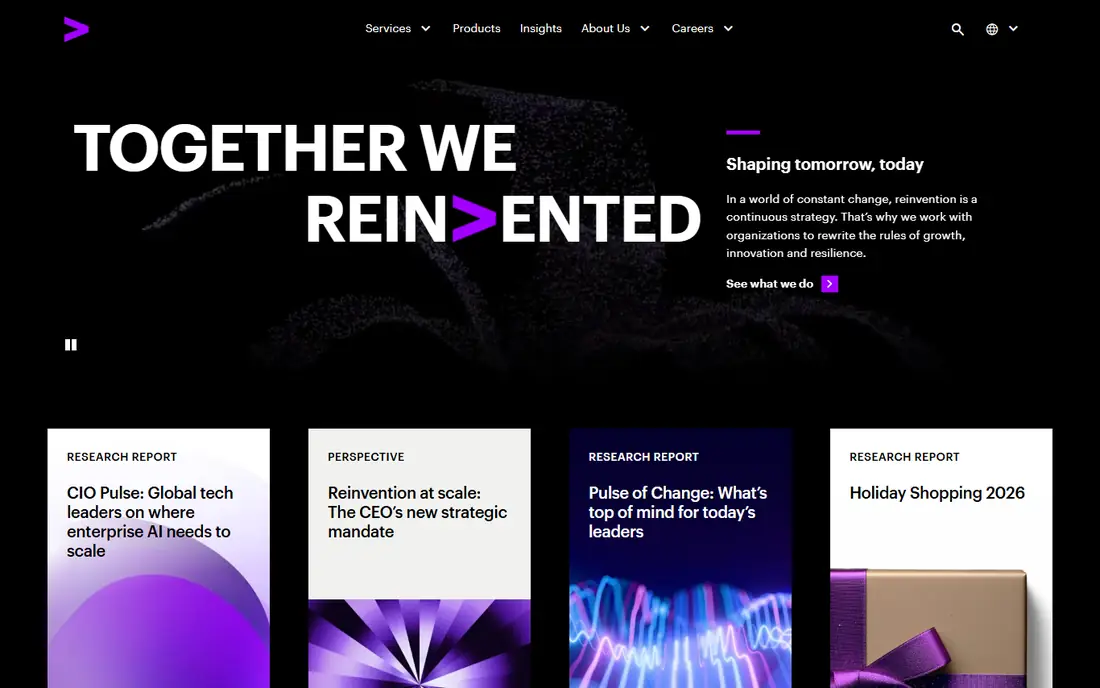
Accenture runs infrastructure modernisation and managed services at scale. It fits readers looking for large infrastructure programs, and it is worth weighing that fit against the other names on this list before you decide. What stood out in our comparison was broad cloud and infrastructure delivery, and the wider set of strengths includes global teams. That combination is the main reason it earns a place here, even though no option on this list is right for every reader. The honest catch is large programs need strong client governance, and a second point to check is pricing is project based. Before you commit, read the official pricing and terms pages, confirm what is included at the price you will actually pay, and check availability and support in your location.
- Broad cloud and infrastructure delivery
- Global teams
- Security services
- Large programs need strong client governance
- Pricing is project based
DXC Technology
Ideal for: outsourced infrastructure operations
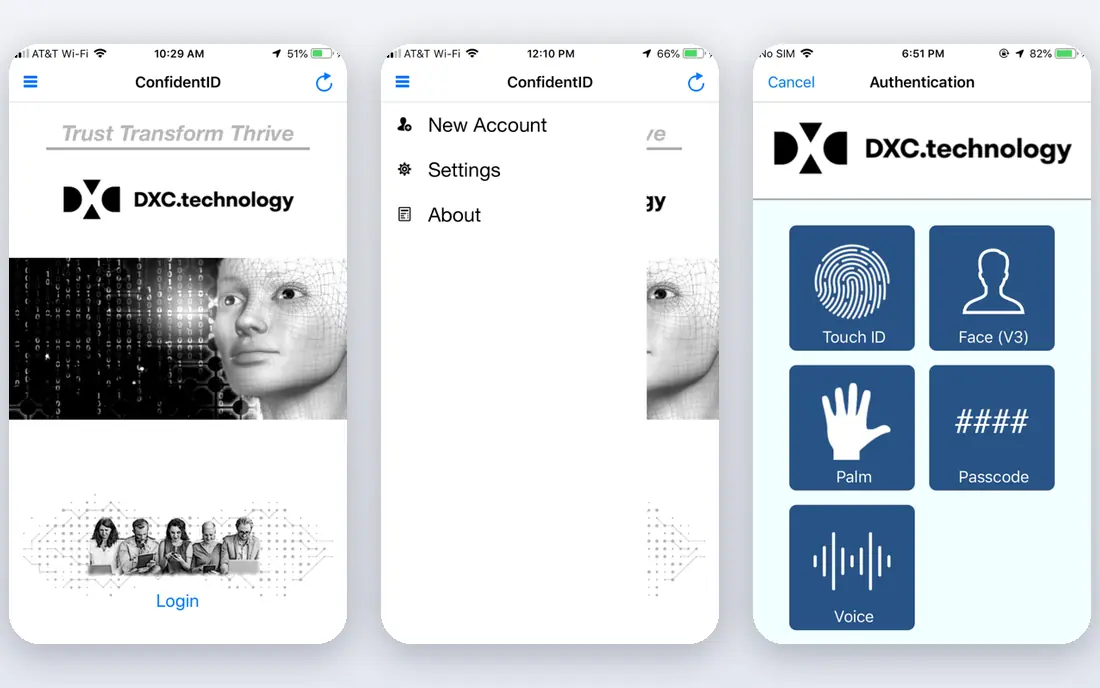
DXC focuses on running and modernising enterprise IT infrastructure. It fits readers looking for outsourced infrastructure operations, and it is worth weighing that fit against the other names on this list before you decide. What stood out in our comparison was managed infrastructure focus, and the wider set of strengths includes mainframe and workplace services. That combination is the main reason it earns a place here, even though no option on this list is right for every reader. The honest catch is service quality varies by account, and a second point to check is transition periods can be disruptive. Before you commit, read the official pricing and terms pages, confirm what is included at the price you will actually pay, and check availability and support in your location.
- Managed infrastructure focus
- Mainframe and workplace services
- Global delivery
- Service quality varies by account
- Transition periods can be disruptive
Cognizant
Ideal for: managed IT and cloud services
Cognizant provides infrastructure, cloud and application managed services. It fits readers looking for managed IT and cloud services, and it is worth weighing that fit against the other names on this list before you decide. What stood out in our comparison was application and infrastructure services, and the wider set of strengths includes industry teams. That combination is the main reason it earns a place here, even though no option on this list is right for every reader. The honest catch is account experience varies, and a second point to check is large engagements need oversight. Before you commit, read the official pricing and terms pages, confirm what is included at the price you will actually pay, and check availability and support in your location.
- Application and infrastructure services
- Industry teams
- Global scale
- Account experience varies
- Large engagements need oversight
HCLTech
Ideal for: infrastructure and engineering services
HCLTech manages data centres, networks and workplace infrastructure. It fits readers looking for infrastructure and engineering services, and it is worth weighing that fit against the other names on this list before you decide. What stood out in our comparison was strong infrastructure practice, and the wider set of strengths includes automation tools. That combination is the main reason it earns a place here, even though no option on this list is right for every reader. The honest catch is engagement setup takes time, and a second point to check is support models vary. Before you commit, read the official pricing and terms pages, confirm what is included at the price you will actually pay, and check availability and support in your location.
- Strong infrastructure practice
- Automation tools
- Global delivery centres
- Engagement setup takes time
- Support models vary
Tata Consultancy Services
Ideal for: large-scale IT operations
Tata Consultancy Services runs IT operations for many large global clients. It fits readers looking for large-scale IT operations, and it is worth weighing that fit against the other names on this list before you decide. What stood out in our comparison was very large delivery capacity, and the wider set of strengths includes infrastructure and cloud services. That combination is the main reason it earns a place here, even though no option on this list is right for every reader. The honest catch is bureaucracy can slow small changes, and a second point to check is pricing is enterprise oriented. Before you commit, read the official pricing and terms pages, confirm what is included at the price you will actually pay, and check availability and support in your location.
- Very large delivery capacity
- Infrastructure and cloud services
- Long client relationships
- Bureaucracy can slow small changes
- Pricing is enterprise oriented
Wipro
Ideal for: managed infrastructure services
Wipro provides managed infrastructure, workplace and cloud services. It fits readers looking for managed infrastructure services, and it is worth weighing that fit against the other names on this list before you decide. What stood out in our comparison was infrastructure, cloud and security services, and the wider set of strengths includes automation focus. That combination is the main reason it earns a place here, even though no option on this list is right for every reader. The honest catch is experience varies by service line, and a second point to check is transitions need planning. Before you commit, read the official pricing and terms pages, confirm what is included at the price you will actually pay, and check availability and support in your location.
- Infrastructure, cloud and security services
- Automation focus
- Global reach
- Experience varies by service line
- Transitions need planning
Infosys
Ideal for: enterprise IT management
Infosys manages enterprise infrastructure and applications for large clients. It fits readers looking for enterprise IT management, and it is worth weighing that fit against the other names on this list before you decide. What stood out in our comparison was infrastructure and application services, and the wider set of strengths includes automation platforms. That combination is the main reason it earns a place here, even though no option on this list is right for every reader. The honest catch is large-program governance matters, and a second point to check is smaller clients may get less attention. Before you commit, read the official pricing and terms pages, confirm what is included at the price you will actually pay, and check availability and support in your location.
- Infrastructure and application services
- Automation platforms
- Global delivery
- Large-program governance matters
- Smaller clients may get less attention
How we picked these
We started from the topic itself and looked for options that exist and work in October 2026 and truly fit it. We compared official feature pages, pricing pages, app-store listings where relevant, privacy policies and public reviews, and we left out names that did not fit the topic even if they are well known elsewhere. We also favoured a mix of large names and smaller options, and we noted honest weaknesses alongside strengths. Where we could not verify a price from the vendor, we wrote See website rather than guessing, and we did not claim hands-on testing that did not happen.
How to choose the right option for you
Start with the job you need done, not with the brand name. For best companies for managing it infrastructure, write down the two or three features you will use every week, the budget you can sustain for a year, and the support you expect when something goes wrong. That short list will rule out several options at once and make the rest of the comparison much simpler. Next, check the total cost, not just the headline price. Look for setup fees, per-person charges, add-ons, renewal terms and any limits that could force an upgrade. A low starting price can still be costly if the plan you actually need sits two tiers higher, and a higher price can be good value if it includes support and features you would otherwise buy separately. Then check fit in practice. Read the terms, the privacy policy and recent public reviews, and confirm availability in your location. If you can, try a free plan or trial, ask support a real question, and check how easy it is to leave if the service does not suit you. A short trial often reveals more than a long feature list. Finally, compare two or three finalists side by side on the same criteria, and pick the one that fits your daily work rather than the one with the longest list of extras. The best choice is usually the simplest option that covers your core needs well and leaves room to grow.
Frequently asked questions
What should I look for in best companies for managing it infrastructure?
Start with fit for your budget, location and support needs, then compare official pricing and terms. Look for clear terms, honest limits and recent public reviews, and shortlist two or three options before you decide.
Are the cheapest options for best companies for managing it infrastructure always good value?
Not always. A low price can be good value if it covers your core needs, but check for add-ons, limits and renewal terms. Compare the total yearly cost for the plan you will actually use.
How do I compare best companies for managing it infrastructure fairly?
Use the same checklist for every option, including price, features, support, terms and availability. Read the vendor pricing page rather than relying on review summaries alone, and note where a price could not be verified.
Can I switch later if I pick the wrong option for best companies for managing it infrastructure?
In most cases yes, but switching costs vary. Check contract length, exit terms and how easy it is to move your data or account before you sign up, especially for longer commitments.
Do I need the largest name for best companies for managing it infrastructure?
No. Large names often bring scale and support, but smaller focused options can fit a specific need better and cost less. Pick the option that matches your daily needs, not just the best-known brand.