Azure Kubernetes Service leads the list, best for managed Kubernetes on Microsoft Azure. Listed starting prices: DigitalOcean Kubernetes from $4 per month. DigitalOcean Kubernetes fits straightforward managed Kubernetes for smaller teams; Red Hat OpenShift fits application system with Kubernetes foundations. Details, prices and limits for the rest of the 6 tools are below.
If you are comparing container hosting for microservices, this page covers 6 tools in one place: what each is best for, what it costs to start, whether it has a free plan, and the main limit to know about.
Key takeaways
The list opens with Azure Kubernetes Service, aimed at managed Kubernetes on Microsoft Azure.
One limit worth knowing about Red Hat OpenShift: wide platform with more moving parts.
Google Kubernetes Engine fits managed Kubernetes with autoscaling controls.
The cheapest monthly starting price in the list is $4 per month, offered by DigitalOcean Kubernetes.
In short, Azure Kubernetes Service is for managed Kubernetes on Microsoft Azure. It suits organizations standardized on Azure that want Kubernetes for microservices without running the control plane themselves.
What to check first: Cluster operations still need planning.
In practice, organizations outside the Azure ecosystem may prefer a provider-neutral orchestration layer or a different managed service. This comparison lists no price for Azure Kubernetes Service; ask the vendor. Free options: Not stated.
Best for: Straightforward managed Kubernetes for smaller teams
DigitalOcean Kubernetes is built with straightforward managed Kubernetes for smaller teams in mind. DigitalOcean Kubernetes is a managed Kubernetes service made for smaller teams and companies, emphasizing straightforward scaling and rapid deployments.
Beyond that, the offering is more focused than hyperscaler products, so advanced integrations and enterprise governance features may be restricted. As for the details, organizations needing deep ecosystem integration or multi-cloud controls should compare the bigger managed services. What you pay to start with DigitalOcean Kubernetes: $4 per month. Free access: Not stated.
Where it is weaker: Fewer advanced product features.
Best for: Application product with Kubernetes foundations
Pick Red Hat OpenShift if this describes you: application product with Kubernetes foundations. Red Hat OpenShift is described as an application innovation system delivering a full experience with tools to modernize and build new applications, accelerate AI adoption and support growth.
Worth adding: smaller teams or those wanting minimal abstraction may prefer a more straightforward managed container offering. As for the details, the product scope is broad, which can mean more components to learn and operate than a bare managed Kubernetes service. Red Hat OpenShift does not show a starting price in this comparison, so check the vendor site for current pricing. Trial and free access: Not stated.
What to check first: Enterprise-oriented complexity.
Best for: Managed Kubernetes on AWS and on-premises
Amazon EKS is designed for managed Kubernetes on AWS and on-premises. EKS still expects Kubernetes skills and involves AWS identity and networking concepts, so it is not a shortcut around cluster complexity.
It fits teams that want standard Kubernetes APIs for microservices plus a managed control plane, including hybrid scenarios where consistency matters. This comparison lists no price for Amazon EKS; ask the vendor. As for free access: Not stated.
What to check first: AWS account and IAM dependency.
Best for: Completely managed container orchestration on AWS
Amazon ECS was built for completely managed container orchestration on AWS. Since it is closely tied to AWS services and tooling, ECS is less portable if you plan to run the same workloads across other clouds.
Drawbacks to consider: Less portable than Kubernetes.
In daily use, teams that require a certified Kubernetes API or multi-cloud consistency should look at a managed Kubernetes choice instead. This comparison lists no price for Amazon ECS; ask the vendor. On free options: Not stated.
Best for: Managed Kubernetes with autoscaling controls
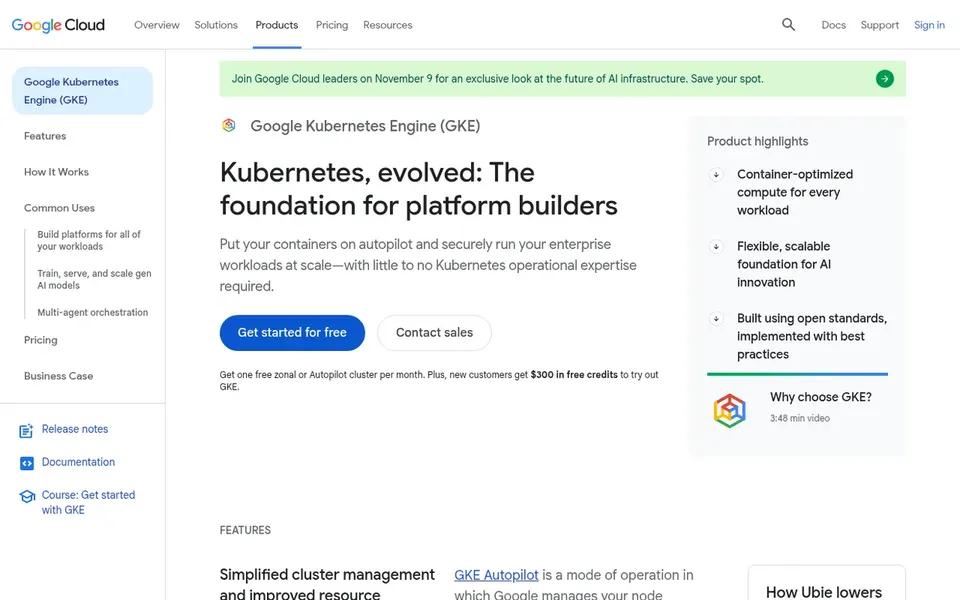
Google Kubernetes Engine is built with managed Kubernetes with autoscaling controls in mind. Google Kubernetes Engine is a completely managed Kubernetes service offering the full Kubernetes API along with autoscaling, release channels and multi-cluster support.
The main drawbacks: Configuration complexity at scale.
Pricing for Google Kubernetes Engine is not stated here, so ask the vendor for current figures. On free options: Not stated.
Get a written quote from Azure Kubernetes Service, Red Hat OpenShift, Amazon EKS and others; the list shows no starting price for them.
Read the limits listed for Azure Kubernetes Service first: Azure-specific ecosystem ties.
Let daily users try Amazon EKS on real work; their feedback beats any feature checklist.
Add up seats, add-ons and usage charges for Google Kubernetes Engine before comparing it with cheaper entries.
Before you load data into Red Hat OpenShift, check what an export looks like and who can run it.
How we picked
The comparison looks at four things: starting price, free access, how well the feature set matches container hosting for microservices, and the main limit of each tool. Where a price is missing, the vendor does not list one publicly or ties it to a quote. Always confirm before budgeting. We ordered the tools by general fit, then by how clearly pricing is shown, then by free access. A buyer with unusual needs may reorder them.
Every price and plan detail on this page comes from the vendors’ own websites. We did not run hands-on tests unless the text says so, and we do not publish star ratings or review scores. See how we score and our disclosure.
Keep your shortlist in one place
Paste prices, trial dates and notes from this guide into Ainotely, our AI note app. It files them into a topic and pulls out tasks like “cancel trial by Friday”. Free 7-day trial, no card needed.
Does any tool for container hosting for microservices here have a free plan?
A permanent free plan is not offered by Azure Kubernetes Service, Google Kubernetes Engine or the other tools here. Plan a short evaluation period instead.
Should I choose a managed container service or managed Kubernetes for microservices?
A managed container service like Amazon ECS cuts operational overhead when you do not need the Kubernetes API. Managed Kubernetes fits teams that want standard Kubernetes portability and are prepared to run cluster configuration.
Do these tools publish their prices?
Not all of them. Azure Kubernetes Service, Red Hat OpenShift, Amazon EKS and others publish no starting price, so expect a quote request for those. The rest, DigitalOcean Kubernetes included, show a starting price, though seats and billing terms still change the final cost.
Can I try these options before paying?
Not by default. None of the tools, from Azure Kubernetes Service to Google Kubernetes Engine, lists a free plan or a free trial here, so ask each vendor for a demo before committing.
What is the cheapest option for container hosting for microservices in this list?
On published monthly entry prices, DigitalOcean Kubernetes is the lowest here at $4 per month. Entry price is only part of the cost, because seats, add-ons and billing terms can change the total.