If you need managed Kubernetes on AWS and on-premises, Amazon Elastic Kubernetes Service is the first tool to look at here. Listed starting prices: Docker Business from $9 per user per month. For a different need, Google Kubernetes Engine covers completely managed Kubernetes on Google Cloud and Microsoft Azure Kubernetes Service covers managed Kubernetes within Microsoft Azure. All 5 tools are compared below on price, free plan and limits.
Choosing container management software for enterprise usually comes down to price, fit and limits. This Ainotely guide sets 5 tools side by side on those three points, with the facts kept short and checkable.
Key takeaways
Amazon Elastic Kubernetes Service is the opening pick, best for managed Kubernetes on AWS and on-premises.
A fair warning about Google Kubernetes Engine: most natural for teams already on Google Cloud.
Red Hat OpenShift fits integrated enterprise application product.
Starting prices begin at $9 per user per month with Docker Business.
Docker Business stands alone as the one tool in this list with a free plan.
Best for: Managed Kubernetes on AWS and on-premises
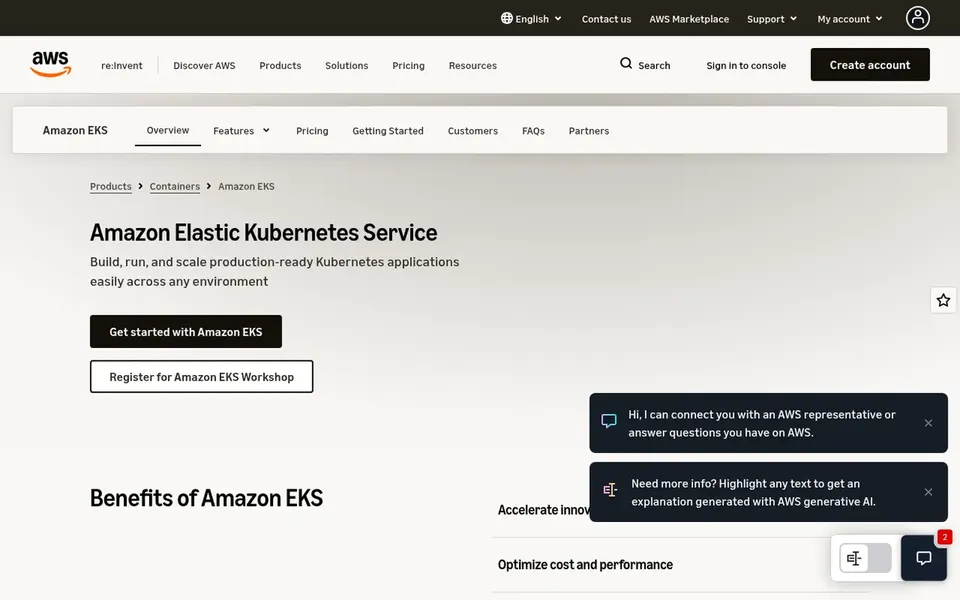
Amazon Elastic Kubernetes Service is built with managed Kubernetes on AWS and on-premises in mind. Amazon Elastic Kubernetes Service is a managed service and certified Kubernetes conformant offering that runs Kubernetes on AWS and on-premises.
Pricing for Amazon Elastic Kubernetes Service is not stated here, so ask the vendor for current figures. As for free access: Not stated.
Limits to weigh: Breadth of AWS services can complicate design choices.
Best for: Completely managed Kubernetes on Google Cloud
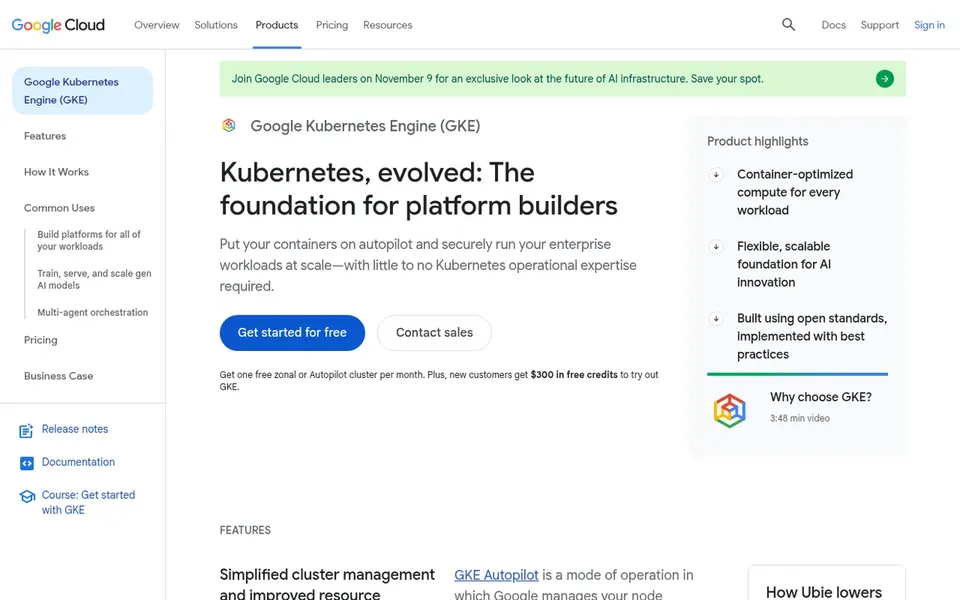
Google Kubernetes Engine targets completely managed Kubernetes on Google Cloud. Google Kubernetes Engine is presented as a completely managed Kubernetes service with the full Kubernetes API, autoscaling, release channels and multi-cluster support.
Beyond that, GKE is most compelling when Google Cloud is already the primary environment; mixed or on-premises estates may need extra tooling. Pricing for Google Kubernetes Engine is not stated here, so ask the vendor for current figures. As for free access: Not stated.
Watch-outs: Managed defaults can limit low-level customization.
Best for: Managed Kubernetes within Microsoft Azure
Choose Microsoft Azure Kubernetes Service for managed Kubernetes within Microsoft Azure. It fits enterprises standardized on Azure and Microsoft tooling that want managed cluster provisioning without building control plane operations themselves.
AKS assumes a degree of Kubernetes fluency, and its advantages are most solid inside Azure. Pricing for Microsoft Azure Kubernetes Service is not stated here, so ask the vendor for current figures. Free access: Not stated.
Where it falls short: Cluster operations still need Kubernetes expertise.
Reasons to shortlist it: Managed Kubernetes clusters pitched at secure.
Best for: Developer workflow security and governance
Where Docker Business fits: developer workflow security and governance. It suits organizations that want to standardize developer container workflows and governance whereas running production clusters on a separate orchestration product.
The main drawbacks: Needs pairing with a cluster platform for production operations.
Enterprises needing multi-cluster operations should pair it with a Kubernetes management tool, and should verify governance features against internal security requirements. Entry price for Docker Business: $9 per user per month. Free access exists with Docker Business.
Best for: Integrated enterprise application system
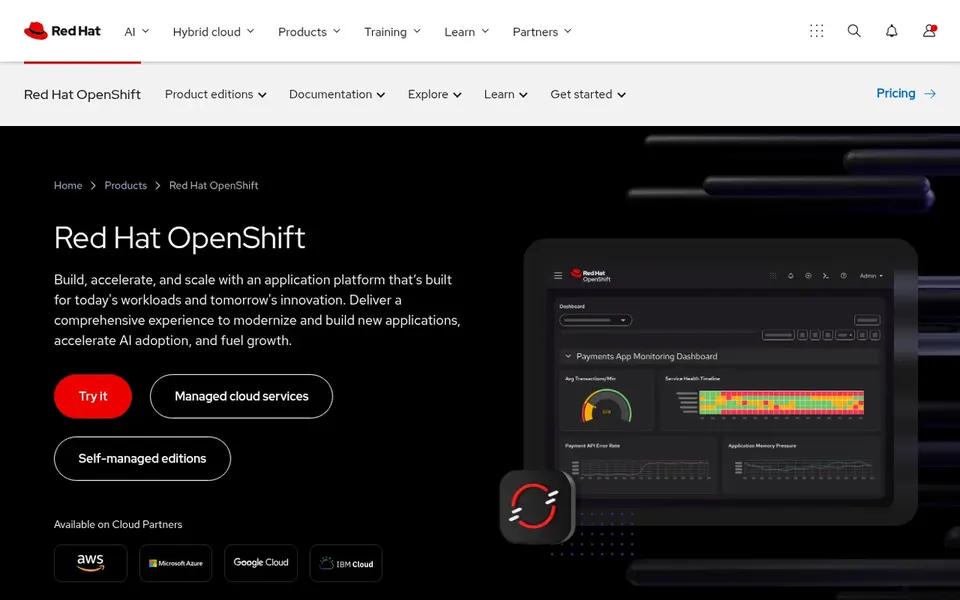
Red Hat OpenShift was built for integrated enterprise application system. It suits enterprises that want more than raw orchestration and prefer a single vendor product handling the application lifecycle alongside Kubernetes.
Honest limits: Heavier footprint than a plain managed service.
Since OpenShift spans a broad product surface, teams may need dedicated system skills and a clear operating model. This comparison lists no price for Red Hat OpenShift; ask the vendor. Free plan details: Not stated.
Ask Amazon Elastic Kubernetes Service, Google Kubernetes Engine, Microsoft Azure Kubernetes Service and Red Hat OpenShift for a written quote, since no starting price is shown.
Look at the free plan from Docker Business closely: its caps decide whether it is usable for real work.
Read the limits listed for Amazon Elastic Kubernetes Service first: on-premises use brings integration work.
Confirm the exact Red Hat OpenShift plan that includes your must-have features.
Check the support hours and onboarding help Amazon Elastic Kubernetes Service offers; smaller vendors vary a lot here.
How we picked
We compared the tools on published pricing, free plan or trial availability, feature coverage for container management software for enterprise, and the limits each vendor documents. Figures are shown as the vendors publish them. Billing terms, seat minimums and add-ons can change the real cost. Order on the page follows fit for the typical buyer first, then price transparency and free access. Your own requirements should decide the final pick.
Every price and plan detail on this page comes from the vendors’ own websites. We did not run hands-on tests unless the text says so, and we do not publish star ratings or review scores. See how we score and our disclosure.
Keep your shortlist in one place
Paste prices, trial dates and notes from this guide into Ainotely, our AI note app. It files them into a topic and pulls out tasks like “cancel trial by Friday”. Free 7-day trial, no card needed.
How are the tools for container management software for enterprise ordered?
Amazon Elastic Kubernetes Service sits first and Red Hat OpenShift last because the order follows typical fit for container management software for enterprise, then price clarity and free access. It is a judgement call, so read each profile for fit and limits.
Is Red Hat OpenShift a solid fit for organizations new to containers?
The broader surface generally needs dedicated system skills. Buyers should weigh that ramp-up time against the convenience of a single supported product.
Can I try these tools before paying?
Often, yes. Docker Business has a free plan. Use your own data and a real task during the test, and check what the free tier or trial limits before you rely on it.
Do these tools publish their prices?
Not all of them. Amazon Elastic Kubernetes Service, Google Kubernetes Engine, Microsoft Azure Kubernetes Service and Red Hat OpenShift publish no starting price, so expect a quote request for those. The rest, Docker Business included, show a starting price, though seats and billing terms still change the final cost.
Where does Docker Business fit in an enterprise container strategy?
Docker Business targets developer workflows, security and governance for building containerized applications. Teams frequently standardize developer tooling there whereas operating clusters elsewhere.
Which options for container management software for enterprise have a free plan?
Docker Business is the only tool in this list with a free plan. Free plans usually cap users, projects or features, so check the limits on the vendor page.