Content Experience Platforms Buyer's Guide: 6 Tools for 2026

- 1
 TurtlMarketing teams that must prove which assets generated pipelineVisit
- 2
 FollozeB2B teams whose primary use case is account-based marketingVisit
- 3
 PaperfliteSales enablement teams that require content organized for sellersVisit
- 4
 FoleonTeams that require interactive content quick without designersVisit
- 5
 JoomagSmaller teams publishing digital magazines, catalogs and brochuresVisit
- Number one here is Turtl, a fit for marketing teams that must prove which assets generated pipeline.
- What to know about Foleon first: custom pricing with no public levels.
- PathFactory fits enterprise teams orchestrating content journeys across ABM programs.
- No starting price is shown for any of the 6 tools, Turtl and PathFactory included, so plan time for sales calls.
Direct answer
Start with Turtl if you need marketing teams that must prove which assets generated pipeline. Alternatives: Folloze for B2B teams whose primary use case is account-based marketing, and Paperflite for sales enablement teams that need content organized for sellers. All 6 tools are compared below on price, free plan and limits.
Quick comparison
| Product | Ideal for | Price from | Free version | |
|---|---|---|---|---|
| Turtl | Marketing teams that must prove which assets generated pipeline | Custom | No | Visit |
| Folloze | B2B teams whose primary use case is account-based marketing | Custom | No | Visit |
| Paperflite | Sales enablement teams that require content organized for sellers | Custom | No | Visit |
| Foleon | Teams that require interactive content quick without designers | Custom | Free trial | Visit |
| Joomag | Smaller teams publishing digital magazines, catalogs and brochures | See website | Free trial | Visit |
 PathFactory | Enterprise teams orchestrating content journeys across ABM programs | Custom | No | Visit |
Tool-by-tool breakdown
If you are comparing content experience platforms, this page covers 6 tools in one place: what each is best for, what it costs to start, whether it has a free plan, and the main limit to know about.
Turtl
Ideal for: Marketing teams that must prove which assets generated pipeline
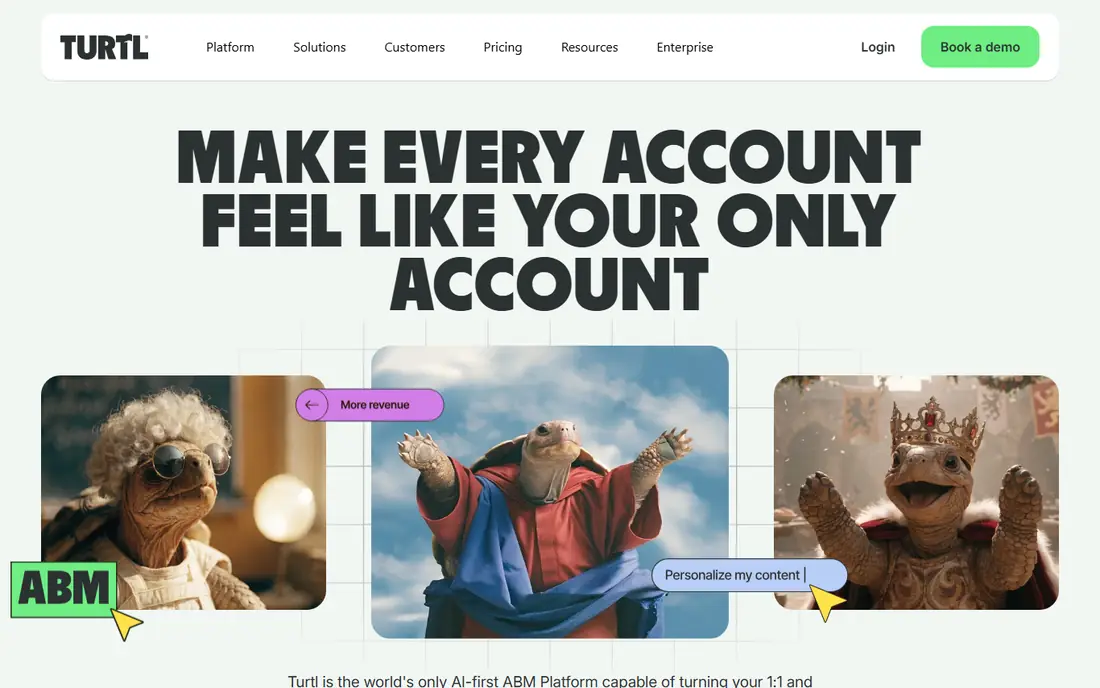
Turtl is built with marketing teams that must prove which assets generated pipeline in mind. That makes it a natural fit for demand gen teams under pressure to display revenue impact.
What works well: Ties asset engagement to pipeline attribution.
Where it is weaker: Best results need CRM data discipline. Worth adding: pricing is custom and the system rewards teams with clean data; messy CRM records blunt its best features. There is no list price for Turtl, so a quote is the way in. There is no free plan with Turtl.
- Capable analytics
- Produces content and personalizes it at account scale
- Custom pricing
Folloze
Ideal for: B2B teams whose primary use case is account-based marketing
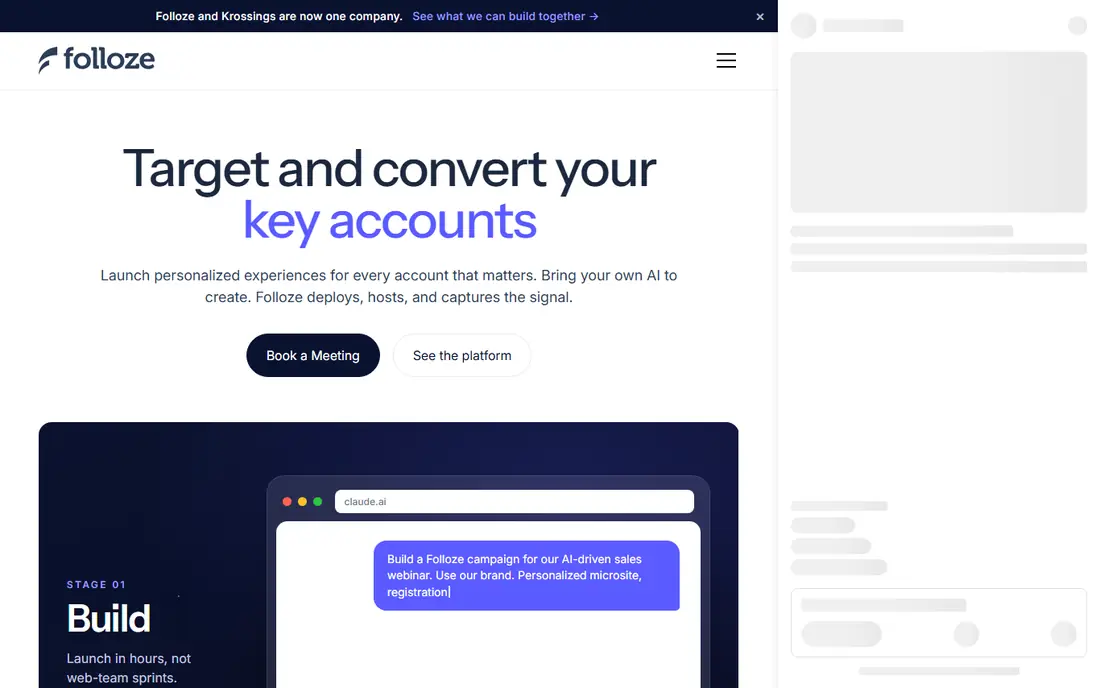
Folloze is a good fit for B2B teams whose primary use case is account-based marketing. Folloze opens from the account, not the asset. Its no-code builder builds personalized digital destinations for target accounts across ABM campaigns, website engagement, sales development and events, pulling in CRM data to tailor what each account sees.
In practice, analytics focus on account engagement instead of vanity content metrics. More specifically, for teams running serious ABM programs, that account-first design suits the workflow better than a generic hub. Folloze does not show a fixed starting price, so you request a quote. No free plan comes with Folloze.
Limits to weigh: Enterprise pricing and sales process.
What works well: Capable sales and SDR use cases.
- No-code builders for campaign destinations
- Decent analytics on account engagement
- Needs clean account data to shine
Paperflite
Ideal for: Sales enablement teams that require content organized for sellers

For sales enablement teams that require content organized for sellers, Paperflite is a natural candidate. Paperflite approaches content experience from the sales side. Engagement analytics still serve marketing reporting, but the product's center of gravity is enablement.
Beyond that, marketing can spin up microsites for campaigns, events and ABM plays without engineering help. That sales-enablement DNA is the differentiator: whereas competitors optimize for the buyer's journey, Paperflite also optimizes for the seller's workflow. Paperflite sells by quote instead of a published price. Paperflite has no free plan.
Honest limits: Custom pricing.
- Solid integrations
- Content hubs designed around seller workflows
- Marketing orchestration features are lighter
Foleon
Ideal for: Teams that require interactive content quick without designers
Think of Foleon for teams that require interactive content quick without designers. The output looks closer to a designed microsite than a PDF, which lifts engagement on assets that used to be downloaded and forgotten. Foleon solves the creation bottleneck.
Also, teams that already have distribution figured out and just need better content to distribute tend to land here. Worth adding: where it is thinner is the orchestration layer: journey building, binge tracks and deep intent scoring belong to PathFactory-style tools. Foleon sells by quote instead of a published price. As for free access: Free trial.
Limits to weigh: Advanced interactivity has a ramp-up time.
- Responsive by default
- Easy-to-learn drag-and-drop builder for interactive docs
- Creation-focused, so orchestration features are lighter
Joomag
Ideal for: Smaller teams publishing digital magazines, catalogs and brochures
Joomag makes the most sense for smaller teams publishing digital magazines, catalogs and brochures. Joomag is the accessible end of the category: a digital publishing product that turns PDFs and fresh content into interactive magazines, catalogs, brochures and newsletters. From a buyer's view, the trade-off is depth: intent scoring, binge analytics and Salesforce-grade integrations are not its game.
Where it is weaker: Smaller feature set overall.
It is a publishing tool that grew toward content experience, and buyers should evaluate it on those terms. Worth adding: small companies rate it well for value, and the ramp-up time is gentle compared to enterprise orchestration tools. Joomag shows no starting price here, so confirm the cost on the vendor site. Free options: Free trial.
- Decent customization for the price
- Simple digital publishing workflow
- Less ABM and intent sophistication than enterprise tools
PathFactory
Ideal for: Enterprise teams orchestrating content journeys across ABM programs
PathFactory serves enterprise teams orchestrating content journeys across ABM programs. PathFactory defines the orchestration side of the category. With Uberflip absorbed into the company, it now holds the biggest customer footprint among dedicated content experience products.
Limits to weigh: Quote-based pricing puts it out of SMB reach.
Also, teams with large existing libraries and mature ABM motions get the most from it. As for the details, the trade-offs are enterprise-standard: custom pricing, a meaningful onboarding project to tag and organize the content library. A user base watching closely for roadmap clarity after the merger. PathFactory does not publish a starting price; ask for a quote. No free plan comes with PathFactory.
- Largest installed base after the Uberflip acquisition
- Binge-style content tracks with engagement scoring
- Implementation and content tagging take real effort
Content Experience Platforms: more detail
A content experience system fixes the presentation layer: it turns scattered assets into bingeable hubs, personalized microsites and interactive documents that keep buyers reading, then links that engagement data to pipeline. As for the details, the category splits into two jobs, and most tools lean toward one of them. The second is creation: building interactive, on-brand content without waiting on designers.
Knowing which problem hurts more decides the shortlist.
What went into this list
We compared the tools on published pricing, free plan or trial availability, feature coverage for content experience platforms, and the limits each vendor documents. Seat minimums, billing terms and add-ons can move the real cost, so the starting prices here are a guide and not a quote. Position on the page reflects fit for a typical buyer first, with price clarity and free access breaking ties. Treat it as a guide, not a ruling.
Before you commit
- Ask each vendor, from Turtl to PathFactory, for a written quote; none of them publishes a starting price.
- Use real work to test the free trial from Foleon and Joomag, rather than a demo project.
- Read the limits listed for Turtl first: custom pricing.
- Find out what support PathFactory includes on your plan, and whether onboarding help costs extra.
- Verify that exporting from Folloze is possible on your plan and covers all your records.
Frequently asked questions
How are the tools for content experience platforms ordered?
Turtl sits first and PathFactory last because the order follows typical fit for content experience platforms, then price clarity and free access. It is a judgement call, so read each profile for fit and limits.
Is Turtl the right pick for everyone comparing content experience platforms?
No single tool suits every team. Turtl comes first because it fits marketing teams that must prove which assets generated pipeline, while Folloze suits B2B teams whose primary use case is account-based marketing and Paperflite suits sales enablement teams that need content organized for sellers. Match the tool to your own size, budget and workflow before deciding.
Can I try these options before paying?
Often, yes. Foleon and Joomag offer a free trial. Use your own data and a real task during the test, and check what the free tier or trial limits before you rely on it.
Does any tool for content experience platforms here have a free plan?
A permanent free plan is not offered by Turtl, PathFactory or the other tools here. Foleon, Joomag offer a trial. Plan a short evaluation period instead.