AdRoll leads the list, best for multichannel campaigns in one dashboard. Criteo is the stronger choice for commerce-driven ad campaigns, while Amazon Ads suits retail and shopping-focused campaigns. The other 3 tools in the list cover narrower or pricier cases.
Choosing contextual advertising platforms usually comes down to price, fit and limits. This Ainotely guide sets 6 tools side by side on those three points, with the facts kept short and checkable.
Key takeaways
AdRoll sits first on this list: multichannel campaigns in one dashboard.
Every tool from AdRoll to Taboola works by quote, with no list price shown.
The main caution on AdRoll: may lack depth in some channels.
Taboola fits native advertising beyond search and social.
Think of AdRoll for multichannel campaigns in one dashboard. It fits firms that want to handle display, social, and other channels in a unified interface.
Advertisers with highly specialized needs might outgrow it. Check the vendor site for AdRoll pricing; none is listed in this comparison. As for free access: Not stated.
Criteo is aimed squarely at commerce-driven ad campaigns. If your goals are lead generation or brand awareness outside shopping, other products may be more suitable.
Watch-outs: Best for commerce firms.
Effective use commonly needs integrating product data and tracking. Criteo's strengths are tied to commerce, so non-retail advertisers may find restricted relevance. Check the vendor site for Criteo pricing; none is listed in this comparison. Trial and free access: Not stated.
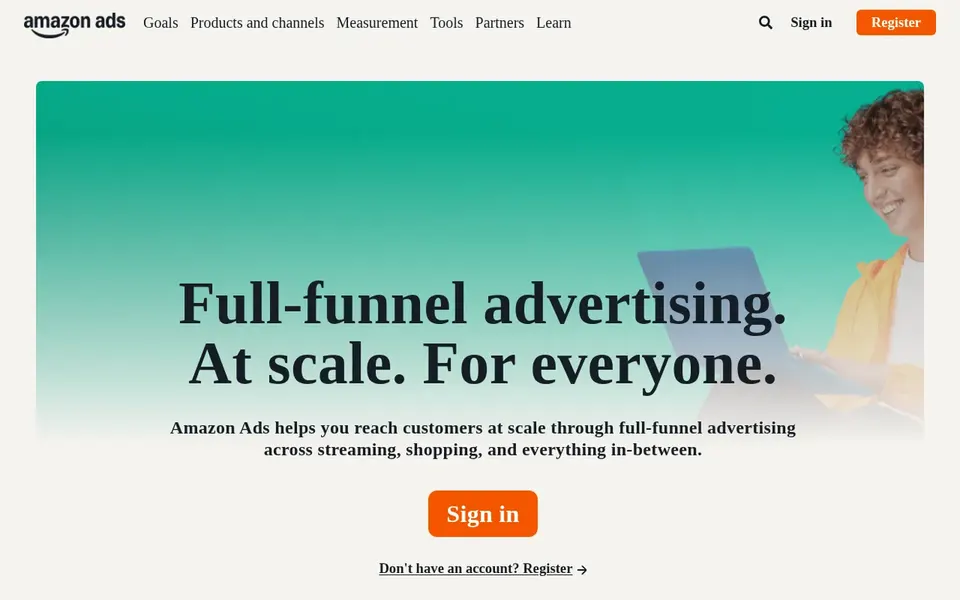
Pick Amazon Ads if this describes you: retail and shopping-focused campaigns. Amazon Ads supplies online advertising options that help companies find, attract, and engage customers on and off Amazon.
It is especially well suited to product sellers and brands that want to reach shoppers with high purchase intent. If your goals are brand awareness outside retail, other products may be more appropriate. Check the vendor site for Amazon Ads pricing; none is listed in this comparison. Free options: Not stated.
Where Google Ads fits: wide search, video, and display reach. The breadth of choices can overwhelm newcomers, and costs in competitive categories can climb rapidly.
More specifically, Google Ads is a thorough advertising system for running campaigns across Google Search, YouTube, and the Google Display Network. Google Ads does not show a starting price in this comparison, so check the vendor site for current pricing. As for free access: Not stated.
The main drawbacks: Can be complicated for beginners.
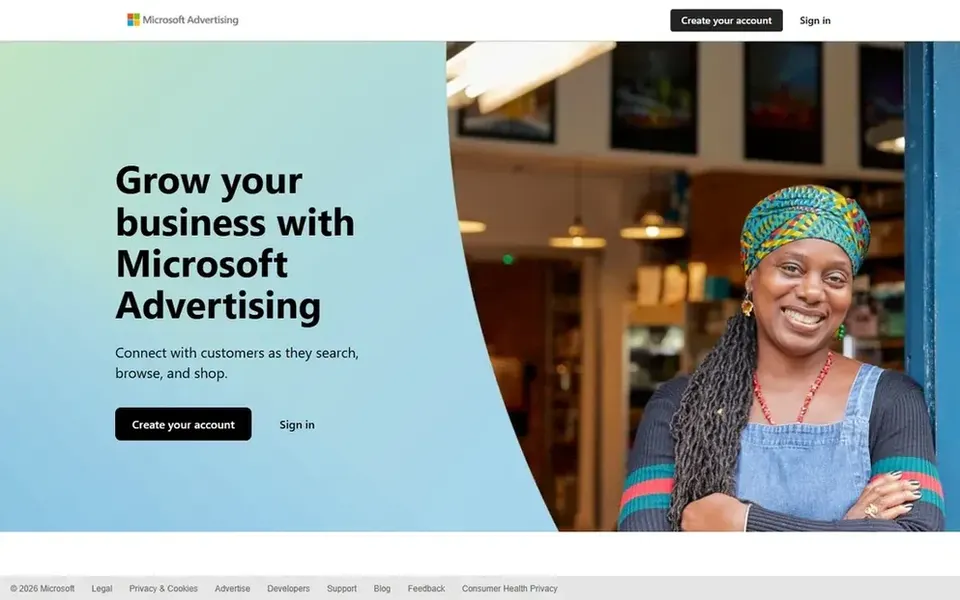
Microsoft Advertising is aimed squarely at reaching audiences on Bing and MSN. Consider Microsoft Advertising when you want extra reach in search and native placements. On top of that, the system can be a good complement to a Google Ads strategy.
Watch-outs: Less familiar to some advertisers.
Its audience size is usually smaller than Google's, so volume may be restricted for some campaigns. Beyond that, Microsoft Advertising lets you run search, display, and video ads across Microsoft's network, including Bing and MSN. It is made for advertisers who want to extend their reach beyond Google and use AI-driven tools to optimize return on investment. Check the vendor site for Microsoft Advertising pricing; none is listed in this comparison. Free plan details: Not stated.
Best for: Native advertising beyond search and social
Taboola is designed for native advertising beyond search and social. Native placements can vary in quality, so continuing creative and placement optimization is important.
Honest limits: Content quality varies by placement.
Advertisers seeking strict contextual control may have to monitor performance closely. Pricing for Taboola is not stated here, so ask the vendor for current figures. Free plan details: Not stated.
Request quotes from AdRoll, Taboola and the others; the list shows no fixed prices.
Before choosing AdRoll, weigh its main limit: may lack depth in some channels.
Total up the real monthly cost of Microsoft Advertising, including add-ons, extra users and usage-based fees.
Ask Amazon Ads whether prices are locked for the first term and what happens at renewal.
Look at which plan of AdRoll unlocks the features you need; entry tiers are often cut down.
How we picked
The comparison looks at four things: starting price, free access, how well the feature set matches contextual advertising platforms, and the main limit of each tool. Seat minimums, billing terms and add-ons can move the real cost, so the starting prices here are a guide and not a quote. The ranking is editorial: typical fit first, then clear pricing, then free access. If your needs are unusual, read the profiles rather than relying on position.
Every price and plan detail on this page comes from the vendors’ own websites. We did not run hands-on tests unless the text says so, and we do not publish star ratings or review scores. See how we score and our disclosure.
Keep your shortlist in one place
Paste prices, trial dates and notes from this guide into Ainotely, our AI note app. It files them into a topic and pulls out tasks like “cancel trial by Friday”. Free 7-day trial, no card needed.
For most readers this guide would start with AdRoll, built for multichannel campaigns in one dashboard. Criteo is the alternative for commerce-driven ad campaigns, and Amazon Ads for retail and shopping-focused campaigns. The right answer depends on budget and workflow.
Can I try these options before paying?
Not by default. None of the tools, from AdRoll to Taboola, lists a free plan or a free trial here, so ask each vendor for a demo before committing.
What is contextual advertising?
Contextual advertising places ads based on the content of a web page instead of user behavior. It helps advertisers reach audiences in relevant environments and can be less reliant on personal data.
Can I use multiple products together?
Yes, numerous advertisers combine systems to handle different stages of the customer journey. Coordinating messaging and measurement across systems is important for efficiency.
How are the tools for contextual advertising platforms ordered?
The order follows typical fit for contextual advertising platforms, with AdRoll first and Taboola last, then price clarity and free access. It is editorial judgement, not a score, so another team could rank the tools differently.
Do these tools publish their prices?
No. None of the tools, from AdRoll to Taboola, shows a fixed starting price here, so budget time for quotes.