Our first pick is Slab, best for simple wiki creation for mixed teams. Listed starting prices: Notion from $10 per member per month. Look at Document360 for documentation with AI search and chat, and at Guru for governed knowledge for trusted AI answers. The other 3 tools in the list cover narrower or pricier cases.
Ainotely compared 6 tools for corporate wiki software. The goal is a practical shortlist: published prices, free plan facts, best-fit use cases and honest limits for every entry.
Key takeaways
Slab sits first on this list: simple wiki creation for mixed teams.
Notion is the only tool of the 6 with a free plan.
Notion is the one to check for adaptable workspaces with AI agents.
The lowest published monthly entry price here is $10 per member per month, from Notion.
Confluence comes with a trade-off: feature depth can feel heavy for small teams.
Choose Slab for simple wiki creation for mixed teams. Slab is knowledge base and wiki software known for simple creation, organization and numerous integrations, appealing to both non-technical and tech-savvy teams.
Trade-offs to know: Less depth for complicated governance needs.
Simplicity means less depth for organizations with heavy governance or complicated documentation workflows. In daily use, integrations help pull knowledge into the tools teams already use day to day. This comparison lists no price for Slab; ask the vendor. Trial and free access: Not stated.
Document360 is a good fit for documentation with AI search and chat. Document360 is AI knowledge base software for documentation, offering AI search, an AI chatbot and writing tools inside the product. The AI features target finding and writing content quicker.
Drawbacks to consider: May be more than internal-only wikis need.
Its documentation orientation may be more structure than a purely internal wiki needs. On top of that, teams wanting casual, free-form pages might prefer a lighter tool. Pricing for Document360 is not stated here, so ask the vendor for current figures. Free options: Not stated.
Best for: Governed knowledge for trusted AI answers
Guru is built with governed knowledge for trusted AI answers in mind. If you need wide, free-form wiki pages for plenty of purposes, Confluence or Notion may include more ground.
Its focus on governed knowledge means it is not a full replacement for every documentation use case, and governance only works when teams keep content current. This comparison lists no price for Guru; ask the vendor. On free options: Not stated.
Where it is weaker: Narrower focus than general wikis.
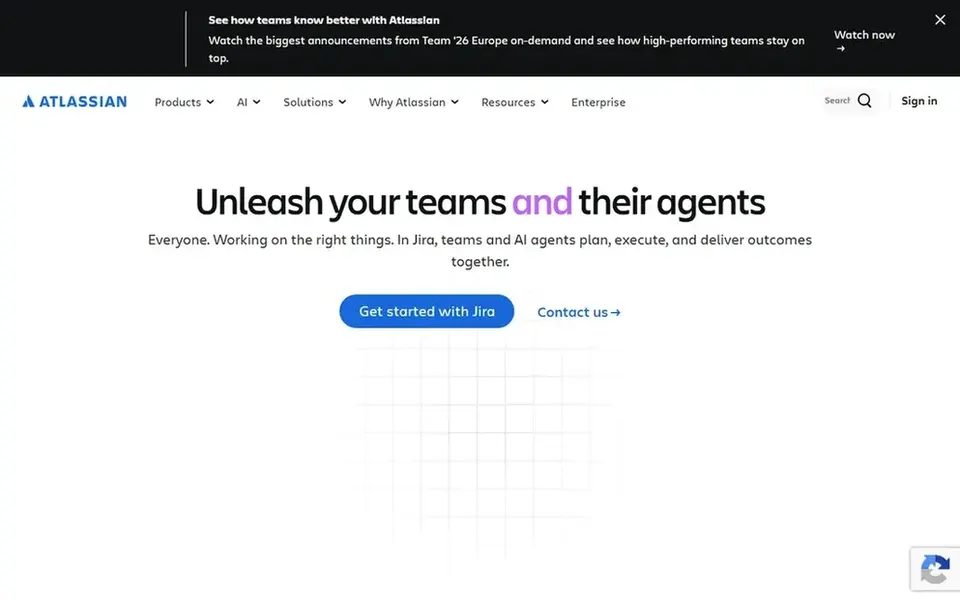
Confluence makes the most sense for wide team knowledge and collaboration. Confluence is a team workspace made for creating and sharing knowledge, with AI used to draft, summarize and find answers so projects move quicker.
Watch-outs: Feature depth can feel heavy for small teams.
More specifically, structure and permissions need planning before content scales. In practice, teams already working in a structured collaboration stack tend to find it a natural home for long-lived corporate content. Pricing for Confluence is not stated here, so ask the vendor for current figures. Trial and free access: Not stated.
Microsoft SharePoint serves governed content inside Microsoft 365. Organizations outside that stack may find it a heavier commitment.
Where it is weaker: Best value for Microsoft-centric organizations.
It suits organizations already standardized on Microsoft tools that require content management and secure file sharing under one governed roof. Microsoft SharePoint shows no starting price here, so confirm the cost on the vendor site. Free options: Not stated.
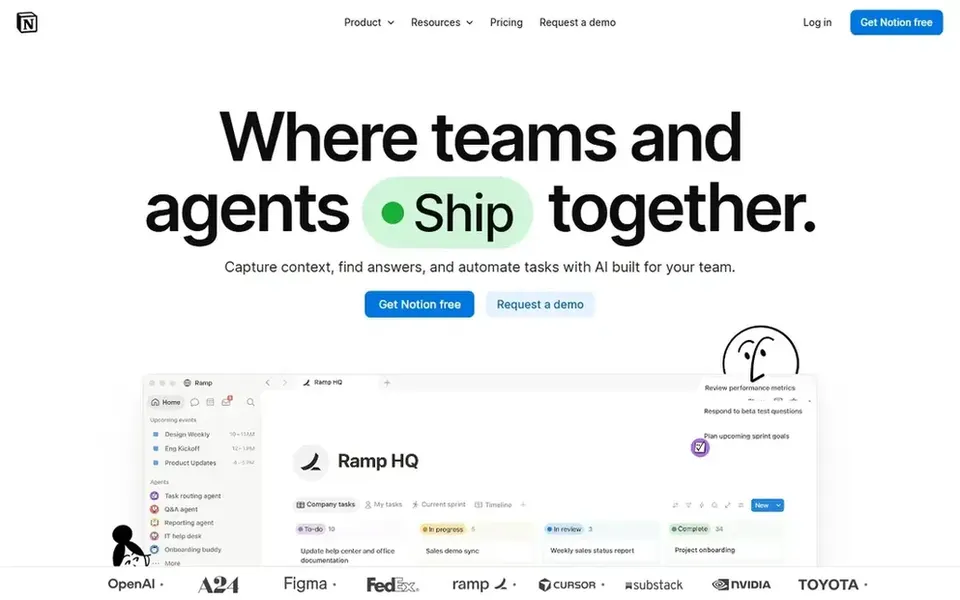
For adaptable workspaces with AI agents, Notion is a natural candidate. It is less prescriptive about governance than a dedicated knowledge system.
On top of that, if you need strict control over knowledge quality, Guru or SharePoint may be a better fit. Starting cost for Notion: $10 per member per month. Notion includes a free tier.
Honest limits: Wide feature set takes time to learn.
Confirm the entry price on the vendor page. For Slab, Document360, Guru and others that means a quote rather than a fixed price.
Test the free plan from Notion against your real workload before relying on it.
Before choosing Slab, weigh its main limit: less depth for complicated governance needs.
Compare total cost, not headline price: for Slab, add extra seats, add-ons and any usage-based charges.
Find out whether the entry plan of Confluence covers your must-haves or only a trimmed-down version.
How we picked
We compared the tools on published pricing, free plan or trial availability, feature coverage for corporate wiki software, and the limits each vendor documents. Seat minimums, billing terms and add-ons can move the real cost, so the starting prices here are a guide and not a quote. Tools are placed by general fit for corporate wiki software, with price clarity and free access as tie-breakers. A different team can reasonably rank them differently.
Every price and plan detail on this page comes from the vendors’ own websites. We did not run hands-on tests unless the text says so, and we do not publish star ratings or review scores. See how we score and our disclosure.
Keep your shortlist in one place
Paste prices, trial dates and notes from this guide into Ainotely, our AI note app. It files them into a topic and pulls out tasks like “cancel trial by Friday”. Free 7-day trial, no card needed.
How are the tools for corporate wiki software ordered?
The order follows typical fit for corporate wiki software, with Slab first and Notion last, then price clarity and free access. It is editorial judgement, not a score, so another team could rank the tools differently.
Do these tools publish their prices?
Not all of them. Slab, Document360, Guru and others publish no starting price, so expect a quote request for those. The rest, Notion included, show a starting price, though seats and billing terms still change the final cost.
Is Slab the right pick for everyone comparing corporate wiki software?
No single tool suits every team. Slab comes first because it fits easy wiki creation for mixed teams, while Document360 suits documentation with AI search and chat and Guru suits governed knowledge for trusted AI answers. Match the tool to your own size, budget and workflow before deciding.
How do AI features change wiki software?
AI features help draft pages, summarize content and surface answers to questions. From a buyer's view, check that AI answers respect page permissions before relying on them.
Can I try these options before paying?
Often, yes. Notion has a free plan. Use your own data and a real task during the test, and check what the free tier or trial limits before you rely on it. All 6 picks in this corporate wiki software comparison show their pricing, free plan details and main limits on the cards above.