This list puts Docebo first for skills intelligence and workforce readiness. Moodle Workplace is better for corporate-style structure inside the Moodle ecosystem, and Canvas LMS is better for higher education course delivery at scale. Prices, free plans and limits for all 5 tools follow.
Choosing course marketplace software for universities usually comes down to price, fit and limits. This Ainotely guide sets 5 tools side by side on those three points, with the facts kept short and checkable.
Key takeaways
The list opens with Docebo, aimed at skills intelligence and workforce readiness.
Absorb LMS fits enterprise training with performance proof.
Pricing across the list, from Docebo to Absorb LMS, is by quote only.
None of the 5 tools, from Docebo to Absorb LMS, has a free plan, so budget for a subscription or use a trial.
One limit worth knowing about Blackboard Learn: feature breadth can add complexity.
Best for: Skills intelligence and workforce readiness
Docebo is designed for skills intelligence and workforce readiness. Docebo describes itself as a workforce readiness system that links skills intelligence, learning, knowledge and AI agents, so organizations know who is ready and can build what comes next.
Trade-offs to know: Course marketplace features are not the emphasis.
Also, choose Docebo when skills readiness for professional learners is the priority. No starting price is listed for Docebo here; confirm pricing on the vendor site. Free access: Not stated.
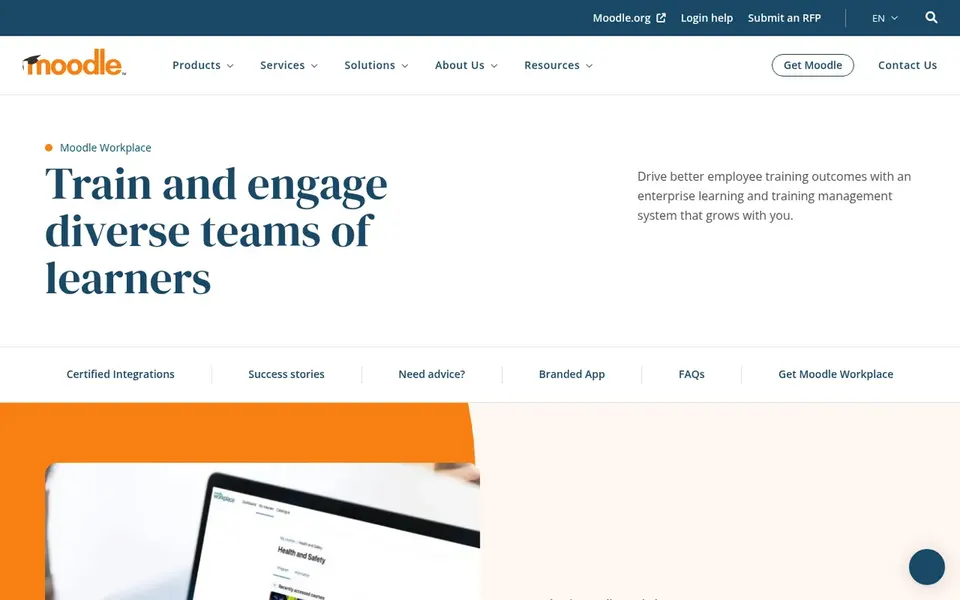
Best for: Corporate-style structure inside the Moodle ecosystem
Where Moodle Workplace fits: corporate-style structure inside the Moodle ecosystem. Institutions wanting a purely academic experience may prefer a higher-ed-first product.
Points against: Corporate framing may need adaptation for academia.
Beyond that, since its homepage frames it around corporate training and onboarding, academic institutions should confirm that catalog, enrollment and reporting needs for students are covered. Universities already comfortable with the Moodle ecosystem may find it a practical route to structured programs, notably for professional development, continuing education and staff training tracks that sit alongside degree courses. Pricing for Moodle Workplace is not stated here, so ask the vendor for current figures. Free options: Not stated.
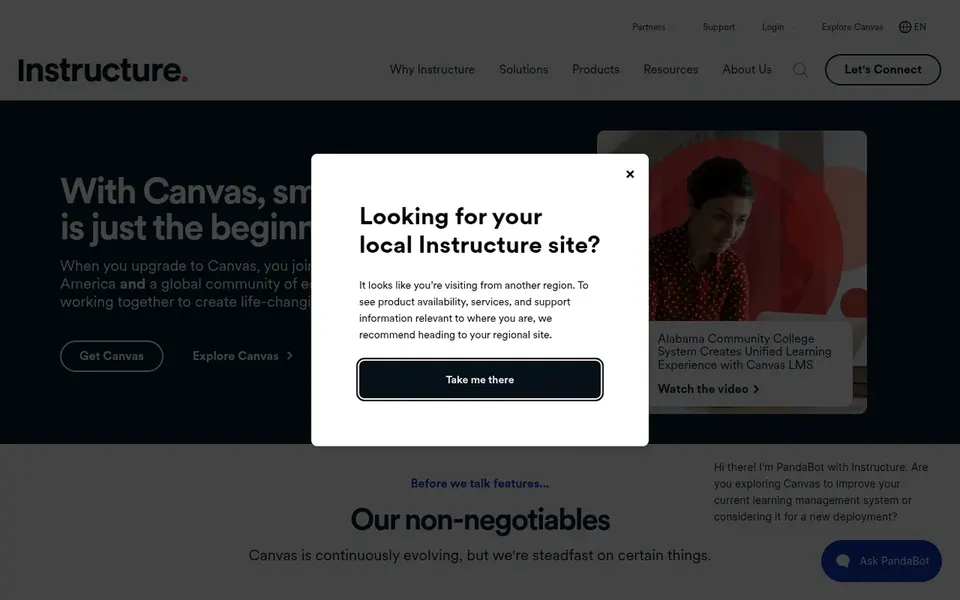
Best for: Higher education course delivery at scale
Canvas LMS makes the most sense for higher education course delivery at scale. Canvas LMS is a learning management system from Instructure built around simplifying teaching and enhancing student learning. Its homepage positions it as a world-leading, approachable LMS, which makes it a natural anchor for universities that want a familiar academic experience whereas listing and running plenty of courses.
Beyond that, universities needing deep native commerce or skills-intelligence features should evaluate extras or a different system. Choose Canvas when the priority is a clean, widely understood teaching environment. Check the vendor site for Canvas LMS pricing; none is listed in this comparison. As for free access: Not stated.
The main drawbacks: Not positioned as a corporate training tool.
Best for: Accessibility and insight-driven teaching
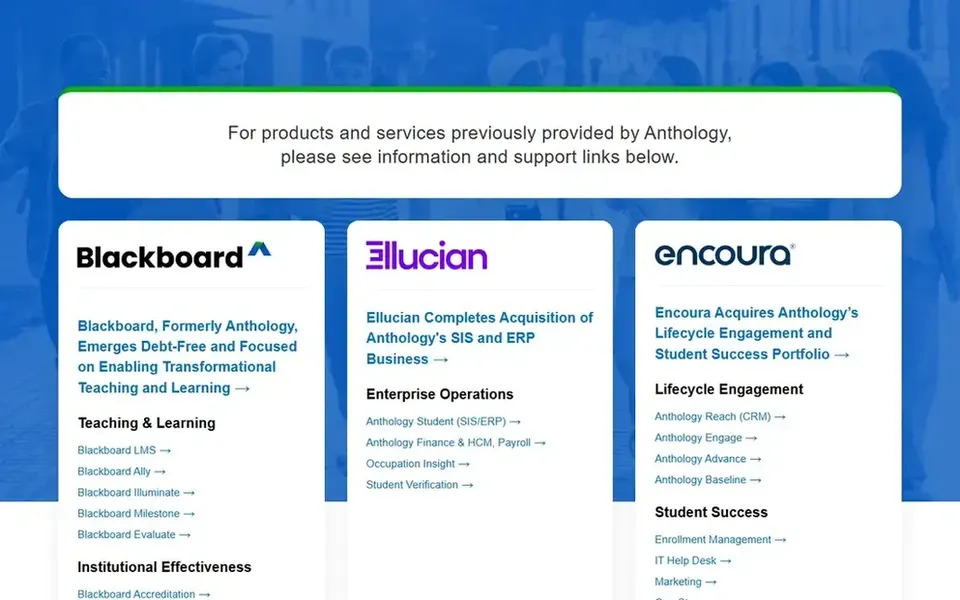
Where Blackboard Learn fits: accessibility and insight-driven teaching. Blackboard Learn, offered by Anthology, is described as a leading LMS for modern education and learning experiences. Its homepage highlights AI tools, adaptable learning, time-saving features, simple accessibility and actionable insights.
A wide feature set can mean more configuration effort before a catalog is ready for students. In practice, institutions needing a light marketplace front end may need complementary systems. Choose Blackboard Learn when accessibility and insight-driven teaching outweigh a minimal setup. Check the vendor site for Blackboard Learn pricing; none is listed in this comparison. Free options: Not stated.
Where it falls short: Commerce for course sales needs separate tools.
Best for: Enterprise training with performance proof
In short, Absorb LMS is for enterprise training with performance proof. Absorb LMS presents itself as an enterprise learning management system with AI-powered training that proves itself in performance.
Absorb is framed around enterprise training instead of academic course delivery, so student-facing marketplace features deserve direct verification. Pricing for Absorb LMS is not stated here, so ask the vendor for current figures. Free options: Not stated.
The main drawbacks: Corporate framing instead of academic.
Confirm the entry price with every vendor: no tool from Docebo to Absorb LMS shows a fixed starting price.
Before choosing Docebo, weigh its main limit: workforce framing instead of academic.
Ask Docebo how an export works before you move any records in; an easy exit lowers the risk.
Ask Absorb LMS about contract length, onboarding fees and user minimums before you sign.
Add up seats, add-ons and usage charges for Blackboard Learn before comparing it with cheaper entries.
How we picked
Ainotely used vendor pricing pages and product documentation as the base, then compared plans, free access and documented limits for 5 tools. Figures are shown as the vendors publish them. Billing terms, seat minimums and add-ons can change the real cost. Position on the page reflects fit for a typical buyer first, with price clarity and free access breaking ties. Treat it as a guide, not a ruling. The same method was used for each of the 5 course marketplace software for Universities picks on this page.
Every price and plan detail on this page comes from the vendors’ own websites. We did not run hands-on tests unless the text says so, and we do not publish star ratings or review scores. See how we score and our disclosure.
Keep your shortlist in one place
Paste prices, trial dates and notes from this guide into Ainotely, our AI note app. It files them into a topic and pulls out tasks like “cancel trial by Friday”. Free 7-day trial, no card needed.
How are the tools for course marketplace software for universities ordered?
Docebo sits first and Absorb LMS last because the order follows typical fit for course marketplace software for universities, then price clarity and free access. It is a judgement call, so read each profile for fit and limits.
Can I try these tools before paying?
Not by default. None of the tools, from Docebo to Absorb LMS, lists a free plan or a free trial here, so ask each vendor for a demo before committing.
Which system is a good match for a university course marketplace?
Docebo comes first here and is built for skills intelligence and workforce readiness. Buyers with other needs may prefer Moodle Workplace (for corporate-style structure inside the Moodle ecosystem) or Canvas LMS (for higher education course delivery at scale). Compare costs and limits first.
Do these tools publish their prices?
No. None of the tools, from Docebo to Absorb LMS, shows a fixed starting price here, so budget time for quotes.
What should universities check before choosing course software?
Confirm catalog and enrollment workflows, payment handling for course sales, accessibility, integration with student information systems, and the depth of authoring and analytics. Also verify how each vendor describes limits so expectations match what the product provides from day one.
Does any tool for course marketplace software for universities here have a free plan?
A permanent free plan is not offered by Docebo, Absorb LMS or the other tools here. Plan a short evaluation period instead.