Best CSM Platforms for Industry in 2026: 8 Platforms Compared

- Our pick for most people is Gainsight, because it covers enterprise customer success teams with the fewest trade-offs in this group.
- There is no strong free tier across this whole group, so check the trial terms on the official site before you commit to a paid plan.
- Totango is the best second look when Gainsight does not fit, since it serves mid-market success teams rather than the same audience.
- Prices and plan limits change often, so confirm the current terms on each vendor site and read the fine print on limits, renewals and cancellation.
Quick comparison
| Product | Ideal for | Price from | Free version | |
|---|---|---|---|---|
 Gainsight | Enterprise customer success teams | See website | No | Visit |
 Totango | Mid-market success teams | See website | Free trial | Visit |
 ChurnZero | SaaS teams fighting churn | See website | No | Visit |
 Planhat | Data-driven success teams | See website | Free trial | Visit |
 Custify | Growing SaaS success teams | See website | Free trial | Visit |
 Vitally | Success teams that want simplicity | See website | Free trial | Visit |
 ClientSuccess | Teams focused on retention and growth | See website | No | Visit |
 SmartKarrot | B2B SaaS success teams | See website | Free trial | Visit |
The best CSM platforms for industry
Choosing among options for best csm platform for industry comes down to fit, not fame. We compared official feature pages, pricing pages, app store listings, privacy policies and public reviews for each option below, and we weighed what you actually get on the entry plan against what stays behind a paywall. Gainsight leads this list because it handles enterprise customer success teams well for the widest range of readers, but the right choice depends on your budget, your team size and how much hand-holding you want. Read the shortlist with your own situation in mind. A cheaper tool that you actually use beats a powerful one that sits untouched, and a plan that looks cheap on the monthly line can cost more once add-ons and limits are counted. Take notes as you read, and shortlist two or three options to test before you decide.
Gainsight
Ideal for: Enterprise customer success teams
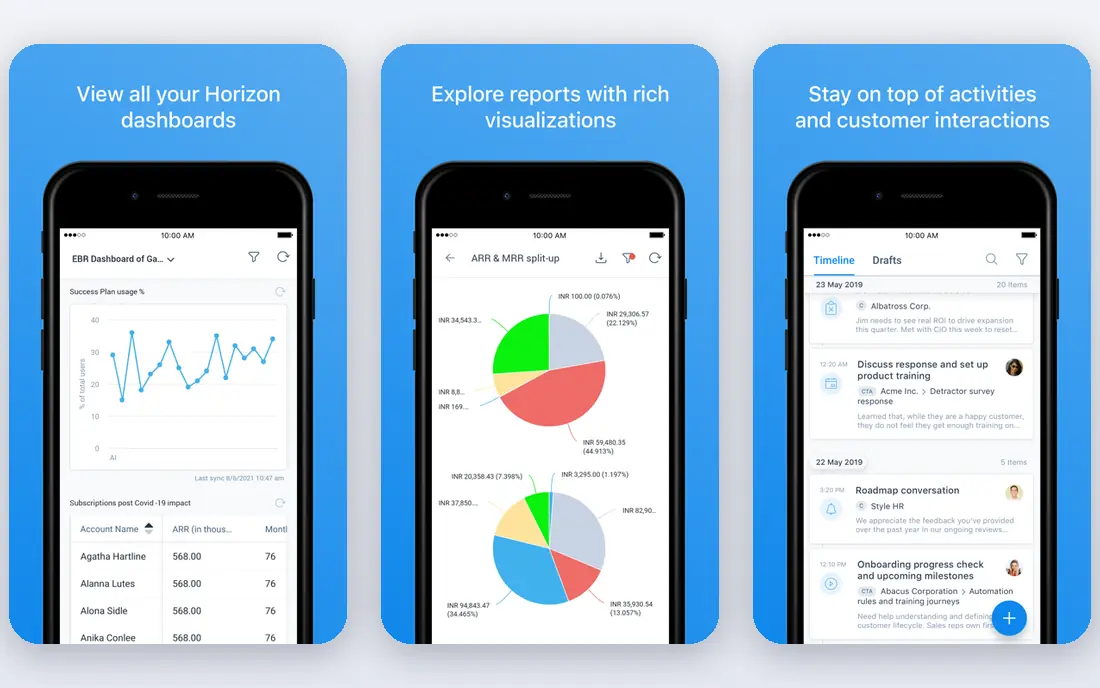
Gainsight is the default shortlist entry for large customer success teams, and it is built around health scores, playbooks and renewals in one place. Its Salesforce integration and journey tools make it a strong fit when success, sales and support must share one view of the customer. For readers focused on enterprise customer success teams, the appeal is deep health scoring and journey orchestration. That strength matters in daily use, because it is the part you will notice every week, not a feature you open once and forget. Compare it against the rest of the list on that one point first, then look at price, platform support and how the company handles your data. The honest weakness is enterprise pricing and long setup times. smaller teams may find it heavy Try it on a real task before you pay, and check whether the entry plan covers the feature you actually need.
- Deep health scoring and journey orchestration
- Strong Salesforce integration
- Broad enterprise feature set
- Enterprise pricing and long setup times
- Smaller teams may find it heavy
Totango
Ideal for: Mid-market success teams
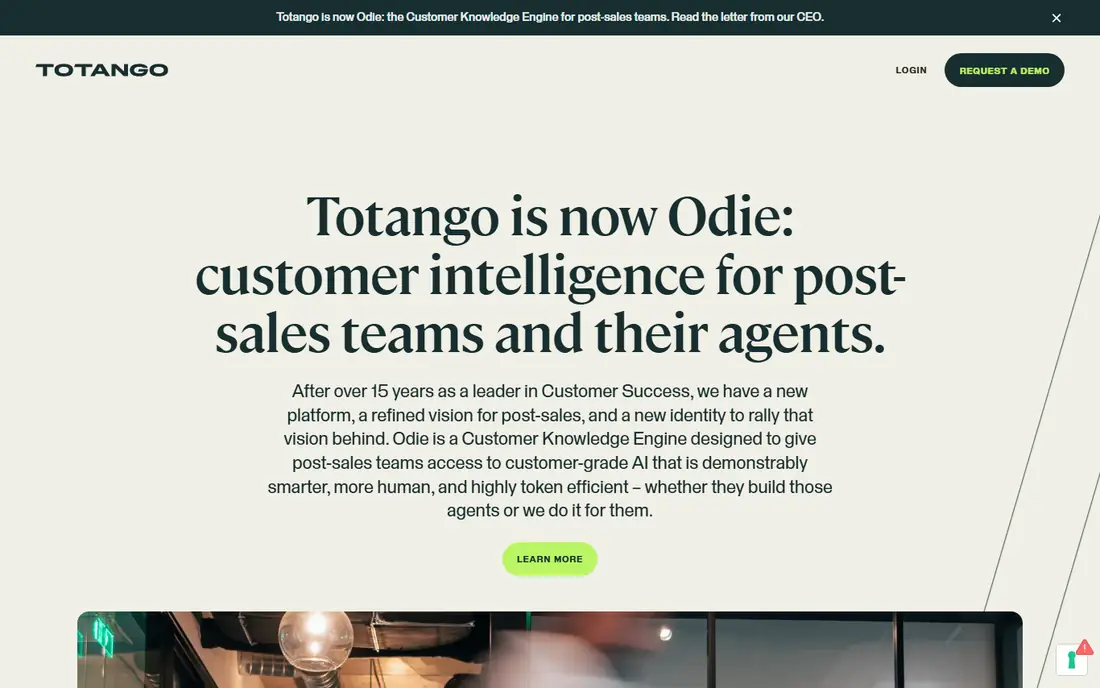
Totango suits mid-market teams that want structure without enterprise weight, and its modular blocks let you start with onboarding or health and add more later. The platform covers the full customer journey, from first login to renewal, with dashboards your whole team can read at a glance. For readers focused on mid-market success teams, the appeal is modular design with success blocks. That strength matters in daily use, because it is the part you will notice every week, not a feature you open once and forget. Compare it against the rest of the list on that one point first, then look at price, platform support and how the company handles your data. Watch out for some advanced reporting needs higher tiers. setup still takes planning If you can live with that limit, the rest of the package is easy to recommend for its audience.
- Modular design with success blocks
- Good onboarding and adoption tracking
- Flexible pricing tiers
- Some advanced reporting needs higher tiers
- Setup still takes planning
ChurnZero
Ideal for: SaaS teams fighting churn
ChurnZero is built for subscription software teams that live or die by retention, and it turns product usage into alerts your team can act on the same day. Its in-app messaging and segmentation help teams reach the right accounts before a renewal goes quiet. For readers focused on saas teams fighting churn, the appeal is real-time usage alerts and in-app messaging. That strength matters in daily use, because it is the part you will notice every week, not a feature you open once and forget. Compare it against the rest of the list on that one point first, then look at price, platform support and how the company handles your data. The catch is best suited to subscription software. less depth outside SaaS If that trade-off is acceptable for how you work, this is a solid choice, and a short trial will tell you more than any review can.
- Real-time usage alerts and in-app messaging
- Strong churn prediction
- Good segmentation
- Best suited to subscription software
- Less depth outside SaaS
Planhat
Ideal for: Data-driven success teams
Planhat appeals to teams that want their customer data tidy and visible, with a clean interface that new hires learn quickly. Its flexible data model handles unusual account structures well, which matters for companies with complex customer hierarchies. For readers focused on data-driven success teams, the appeal is clean interface and flexible data model. That strength matters in daily use, because it is the part you will notice every week, not a feature you open once and forget. Compare it against the rest of the list on that one point first, then look at price, platform support and how the company handles your data. The honest weakness is smaller ecosystem than the biggest rivals. some features need technical setup Try it on a real task before you pay, and check whether the entry plan covers the feature you actually need.
- Clean interface and flexible data model
- Strong integrations
- Fast to configure
- Smaller ecosystem than the biggest rivals
- Some features need technical setup
Custify
Ideal for: Growing SaaS success teams
Custify gives growing SaaS teams the core success toolkit at a friendlier price, with health scores, lifecycle stages and task automation in one dashboard. It is a sensible pick when you need real structure but cannot justify an enterprise contract yet. For readers focused on growing saas success teams, the appeal is clear health scores and lifecycle stages. That strength matters in daily use, because it is the part you will notice every week, not a feature you open once and forget. Compare it against the rest of the list on that one point first, then look at price, platform support and how the company handles your data. Watch out for fewer enterprise features than Gainsight. reporting depth varies by plan If you can live with that limit, the rest of the package is easy to recommend for its audience.
- Clear health scores and lifecycle stages
- Good value for smaller teams
- Helpful onboarding
- Fewer enterprise features than Gainsight
- Reporting depth varies by plan
Vitally
Ideal for: Success teams that want simplicity
Vitally is the modern, lighter option for teams that want to be running in weeks rather than quarters, with projects and playbooks that stay visible. Its interface feels current and its setup path is short, which helps small teams adopt it without a dedicated administrator. For readers focused on success teams that want simplicity, the appeal is modern interface and fast setup. That strength matters in daily use, because it is the part you will notice every week, not a feature you open once and forget. Compare it against the rest of the list on that one point first, then look at price, platform support and how the company handles your data. The catch is newer vendor with a smaller partner network. some advanced analytics are limited If that trade-off is acceptable for how you work, this is a solid choice, and a short trial will tell you more than any review can.
- Modern interface and fast setup
- Strong project tracking
- Good HubSpot and Salesforce links
- Newer vendor with a smaller partner network
- Some advanced analytics are limited
ClientSuccess
Ideal for: Teams focused on retention and growth
ClientSuccess keeps the focus on retention and expansion, with success plans that both your team and the customer can see and follow. It suits teams that want a clear system for check-ins, goals and renewals without a long list of features they will never open. For readers focused on teams focused on retention and growth, the appeal is simple health scoring and success planning. That strength matters in daily use, because it is the part you will notice every week, not a feature you open once and forget. Compare it against the rest of the list on that one point first, then look at price, platform support and how the company handles your data. The honest weakness is less workflow depth than larger platforms. integration list is narrower Try it on a real task before you pay, and check whether the entry plan covers the feature you actually need.
- Simple health scoring and success planning
- Good customer advocacy tools
- Clear reporting
- Less workflow depth than larger platforms
- Integration list is narrower
SmartKarrot
Ideal for: B2B SaaS success teams
SmartKarrot brings AI-driven health insights to B2B SaaS teams, flagging accounts that need attention based on usage and engagement signals. Its adoption tracking shows which features customers actually use, so conversations with accounts stay grounded in real behavior. For readers focused on b2b saas success teams, the appeal is aI-driven health insights. That strength matters in daily use, because it is the part you will notice every week, not a feature you open once and forget. Compare it against the rest of the list on that one point first, then look at price, platform support and how the company handles your data. Watch out for smaller brand presence in the US. some integrations need setup help If you can live with that limit, the rest of the package is easy to recommend for its audience.
- AI-driven health insights
- Product adoption tracking
- Good value pricing
- Smaller brand presence in the US
- Some integrations need setup help
How we picked these
We started from the topic itself and kept only products that exist and work today and truly fit it. For each one we checked the official homepage, the pricing page and the free tier, and we read app store listings, privacy policies and public reviews where they were relevant. Products with a homepage we could not verify were left out, and prices we could not verify are shown as See website rather than guessed. We favored a mix of well-known leaders and strong smaller options, and we weighed entry price, free tier, platform coverage and honest weaknesses. No product here paid for its place, and we did not claim hands-on testing we did not do. What follows is a comparison of published facts, so you can check any claim on the vendor site before you buy.
What to check before you buy a CSM platform
Start by listing the accounts you manage, the signals that predict churn for you, and the systems that must feed the platform. A CSM tool is only as good as its data, so check CRM, billing and product analytics integrations before you fall for a demo dashboard. Next, run a trial on a real slice of your book of business and watch whether alerts arrive early enough to act on. Compare two finalists on the same accounts, and ask who owns setup, training and ongoing admin, because those costs decide whether the tool sticks.
Frequently asked questions
What is a CSM platform?
A customer success management platform pulls usage, billing, support and health data into one place so success teams can spot risk early. It replaces spreadsheets with scores, alerts and playbooks tied to renewals.
How much does a CSM platform cost?
Pricing is usually quoted per user or per account and varies widely by vendor, so most vendors ask you to request a quote. Smaller tools start lower, while enterprise platforms such as Gainsight cost far more once implementation is included.
Do I need a CSM platform for a small team?
Small teams can often manage with a CRM and spreadsheets until accounts grow past a few dozen. A dedicated platform earns its keep once manual tracking starts missing at-risk accounts.
What is a customer health score?
A health score blends product usage, support tickets, payment history and engagement into one rating per account. It helps teams prioritize outreach, but the score is only useful if the inputs match what actually predicts churn for your business.
How long does setup take?
Lighter tools can be running in weeks, while enterprise platforms often take months including data cleanup and training. Ask each vendor for a realistic timeline based on your CRM and product data.