Tealium Customer Data Hub leads the list, best for Data infrastructure and orchestration. RudderStack fits warehouse-native data pipelines; Segment fits wide event collection and unification. The remaining 3 options are covered below with prices and limits.
This Ainotely guide covers 6 customer data platforms for startups. Each profile lists a starting price, free plan details, strengths and drawbacks, so you can drop poor fits quickly.
Key takeaways
Number one here is Tealium Customer Data Hub, a fit for Data infrastructure and orchestration.
Before buying Segment, weigh this: advanced routing can add complexity.
For AI-driven experience orchestration, Treasure Data is worth a look.
Tealium Customer Data Hub, Treasure Data and the 4 others all need a premium plan or a trial, since no free plan is listed.
Tealium Customer Data Hub serves Data infrastructure and orchestration. Startups with multiple data sources and an expanding marketing stack may value that breadth, particularly when they need consistent tagging and orchestration across channels. On top of that, Tealium presents its products as customer data infrastructure for orchestration and AI, with a suite including data integration, management and analytics pitched at improving customer experiences.
Where it is weaker: Setup demands cross-team coordination.
If you need a narrow collection layer instead of a full infrastructure program, a more straightforward tool may be simpler to adopt. More specifically, choose Tealium when orchestration across numerous systems is the real requirement. Check the vendor site for Tealium Customer Data Hub pricing; none is listed in this comparison. Free options: Not stated.
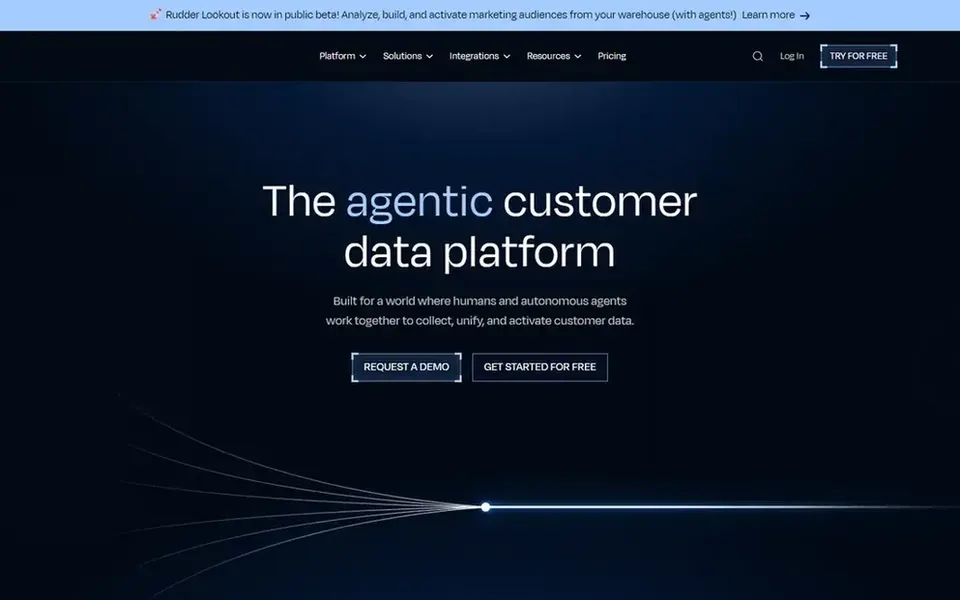
RudderStack targets warehouse-native data pipelines. RudderStack describes itself as an agentic customer data product that spans the full data lifecycle: collecting, unifying, activating and governing data from one warehouse-native system.
Beyond that, pick RudderStack when data ownership and warehouse control matter more than fast setup. RudderStack does not show a starting price in this comparison, so check the vendor site for current pricing. Free access: Not stated.
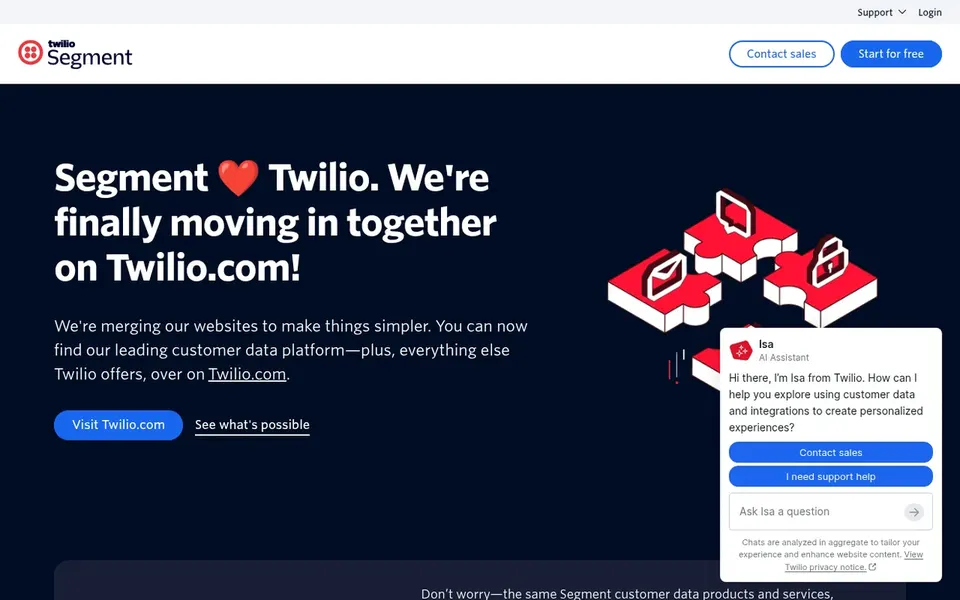
Pick Segment if this describes you: wide event collection and unification. If your priority is keeping all transformation logic inside your own warehouse, a warehouse-native choice may be a better match. In daily use, for startups, its central appeal is a single collection layer that feeds numerous downstream tools, which cuts the have to wire each integration separately.
It tends to fit product and marketing teams that want a dependable source of customer events early on. The tradeoff is that a wide collection layer can become intricate as event volumes and destinations grow, and teams still need governance discipline. No starting price is listed for Segment here; confirm pricing on the vendor site. As for free access: Free trial.
Where it falls short: Advanced routing can add complexity.
Salesforce Data Cloud was built for unified data inside Salesforce. Salesforce Data Cloud, now presented as Data 360, concentrates on unifying all customer data to deliver live insights for personalizing every customer experience.
Downsides: Most handy within the Salesforce ecosystem.
Startups already running sales and service on Salesforce may find it a natural way to link customer records with broader data. The value is most solid inside the Salesforce ecosystem, and teams outside it may face additional integration effort for less return. Salesforce Data Cloud shows no starting price here, so confirm the cost on the vendor site. On free options: Not stated.
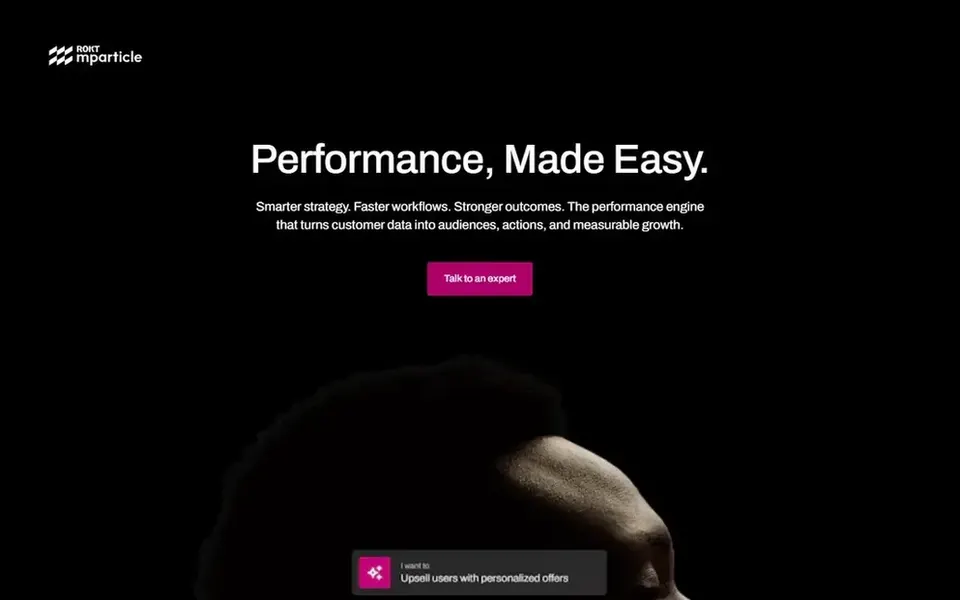
mParticle targets turning data into audiences and actions. mParticle markets itself as a performance CDP that turns customer data into audiences, actions and measurable growth.
In practice, a performance-oriented system can be more than a small startup needs before activation goals are clear, and value depends on having clean data flowing in. Check the vendor site for mParticle pricing; none is listed in this comparison. Free options: Not stated.
Limits to weigh: Feature depth may exceed early needs.
Pick Treasure Data if this describes you: AI-driven experience orchestration. Treasure Data describes its offering as an agentic experience product built to acquire, retain and grow valuable customers, powered by AI and continuous, context-driven action. On top of that, AI-driven action is only as decent as the data feeding it.
Reasons to shortlist it: context-driven action.
Where it falls short: May suit marketers more than engineers.
So teams without clean, connected sources may see restricted benefit until the foundation is fixed. Also, startups whose growth relies on continuing marketing programs may find that framing handy, since it centers on acting on customer context instead of only storing it. It tends to fit marketing-led teams with defined retention goals. Worth adding: engineering-first startups may prefer a collection or warehouse-centric system. In daily use, pick Treasure Data when continuous marketing action is the main objective. Treasure Data shows no starting price here, so confirm the cost on the vendor site. Free options: Not stated.
Confirm the entry price with every vendor: no tool from Tealium Customer Data Hub to Treasure Data shows a fixed starting price.
Use real work to test the free trial from Segment, rather than a demo project.
Before choosing Tealium Customer Data Hub, weigh its main limit: suite breadth can overwhelm small teams.
Confirm you can export your data from Tealium Customer Data Hub, so leaving later does not mean losing records.
Find out whether the entry plan of Segment covers your must-haves or only a trimmed-down version.
How we picked
Selection started from tools commonly considered for customer data platforms for startups, then narrowed to 6 that have clear pricing information or a clear quote process. Prices and plan limits come from vendor pages and can change, so confirm them on the vendor site before you buy. We ordered the tools by general fit, then by how clearly pricing is shown, then by free access. A buyer with unusual needs may reorder them.
Every price and plan detail on this page comes from the vendors’ own websites. We did not run hands-on tests unless the text says so, and we do not publish star ratings or review scores. See how we score and our disclosure.
Keep your shortlist in one place
Paste prices, trial dates and notes from this guide into Ainotely, our AI note app. It files them into a topic and pulls out tasks like “cancel trial by Friday”. Free 7-day trial, no card needed.
Often, yes. Segment offers a free trial. Use your own data and a real task during the test, and check what the free tier or trial limits before you rely on it. All 6 picks in this customer data platforms for startups comparison show their pricing, free plan details and main limits on the cards above.
Do these tools publish their prices?
No. None of the tools, from Tealium Customer Data Hub to Treasure Data, shows a fixed starting price here, so budget time for quotes.
Does any tool for customer data platforms for startups here have a free plan?
A permanent free plan is not offered by Tealium Customer Data Hub, Treasure Data or the other tools here. Segment offer a trial. Plan a short evaluation period instead.
Is a warehouse-native CDP better for startups?
Warehouse-native systems keep customer data in your own warehouse, which can appeal to engineering-led teams planning for scale. Startups without that capacity may prefer a managed collection layer.
Is Tealium Customer Data Hub the right pick for everyone comparing customer data platforms for startups?
No single tool suits every team. Tealium Customer Data Hub comes first because it fits Data infrastructure and orchestration, while RudderStack suits warehouse-native data pipelines and Segment suits broad event collection and unification. Match the tool to your own size, budget and workflow before deciding.