Best Database Software Pricing Options in 2026: 8 Tools Compared

- 1
 MySQLWeb apps and general useVisit
- 2
 PostgreSQLSerious apps needing advanced featuresVisit
- 3
 MongoDBFlexible document data and fast iterationVisit
- 4
 MariaDBDrop-in MySQL alternativeVisit
- 5
 Microsoft SQL ServerWindows and .NET environmentsVisit
- MySQL is our first suggestion for most buyers, because its balance of features, pricing clarity, and support is hard to beat for the topic at hand.
- PostgreSQL suits buyers who want a lower starting price or a simpler setup, while MongoDB fits teams that need more depth in one specific area.
- Prices and free tiers vary widely, so check the vendor pricing page for the plan that includes the features you actually need, rather than judging by the headline price alone.
- Run a trial with your own data and your own workflow before you pay for a year, since setup effort and day-to-day ease only show up in real use.
Quick comparison
| Product | Ideal for | Price from | Free version | |
|---|---|---|---|---|
| MySQL | Web apps and general use | Free | Yes | Visit |
| PostgreSQL | Serious apps needing advanced features | Free | Yes | Visit |
| MongoDB | Flexible document data and fast iteration | Free | Yes | Visit |
| MariaDB | Drop-in MySQL alternative | Free | Yes | Visit |
| Microsoft SQL Server | Windows and .NET environments | See website | Free trial | Visit |
 Oracle Database | Large enterprises with heavy workloads | See website | No | Visit |
 Snowflake | Cloud analytics and data warehousing | See website | Free trial | Visit |
 CockroachDB | Distributed apps needing resilience | Free | Yes | Visit |
The best database software pricing options
These eight databases span open-source workhorses, cloud warehouses, and enterprise systems, with pricing that ranges from free to usage-based enterprise contracts. We compared official feature pages, pricing pages, app-store listings, privacy policies, and public reviews to sort out where each option earns its place.
MySQL
Ideal for: Web apps and general use
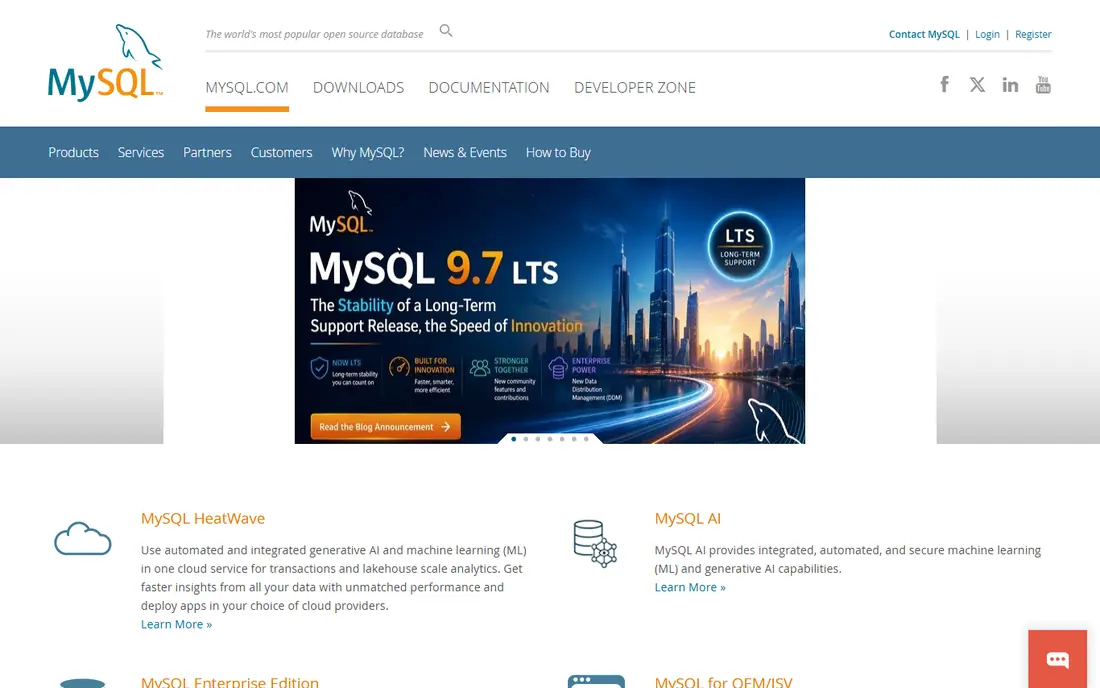
MySQL remains the default open-source relational database for web apps. It is supported by nearly every host and framework, and most developers already know it, which keeps hiring and troubleshooting easy. For most buyers, the deciding factor is not the longest feature list but the fit with daily work, the total price, and how much setup the team can handle. The catch is edition splits: some advanced features live in paid MySQL editions rather than the free community edition. If that trade-off fits your budget and your tolerance for setup, it is worth a trial before you commit the whole team. For most teams, the real cost is not the licence alone but hosting, storage, queries, and the staff time needed to keep the database healthy.
- Open source and widely supported
- Huge hosting ecosystem
- Familiar to most developers
- Oracle-owned
- Advanced features sit in paid editions
PostgreSQL
Ideal for: Serious apps needing advanced features
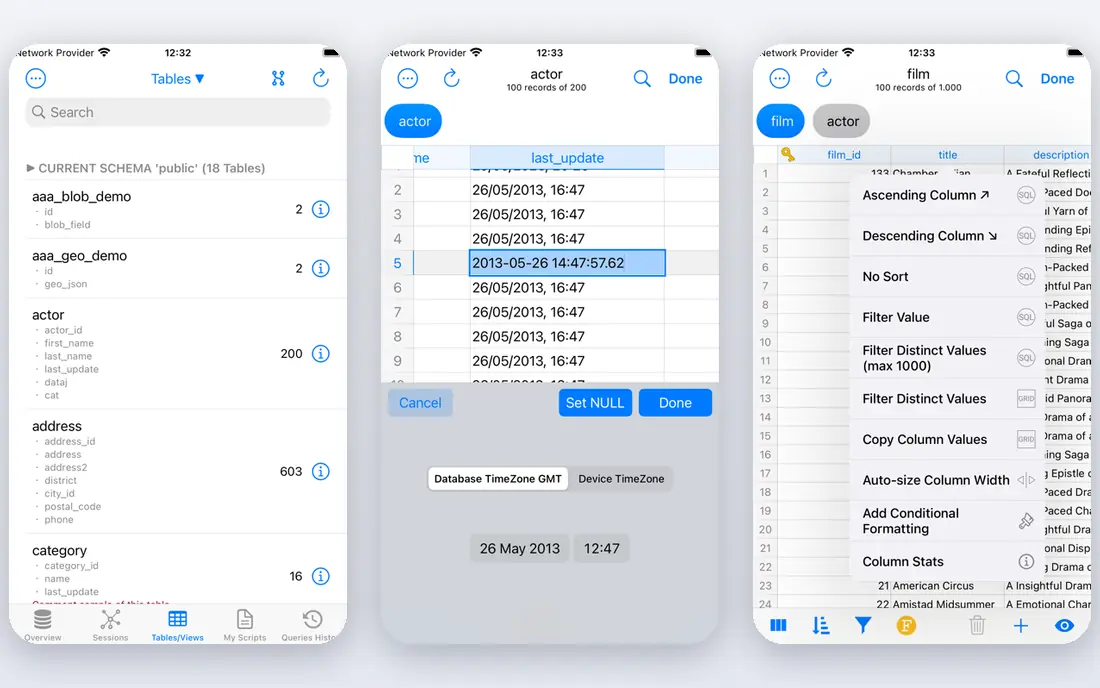
PostgreSQL is our pick for teams that want advanced features without licence fees. It handles complex queries, JSON data, and extensions with ease, and its reliability record is strong. A tool that looks strong on a pricing page can still disappoint if onboarding is slow, support is thin, or the plan that holds the needed feature sits two tiers up. The catch is tuning: getting top performance at scale needs skilled administration, and managed hosting adds a monthly bill. Put it on a shortlist if its strengths match your main use case, and test it with real data during the trial period. For most teams, the real cost is not the licence alone but hosting, storage, queries, and the staff time needed to keep the database healthy.
- Open source with advanced SQL, JSON, and extensions
- Strong reliability
- No licence fees
- Needs skilled admin for tuning at scale
- Managed hosting adds cost
MongoDB
Ideal for: Flexible document data and fast iteration
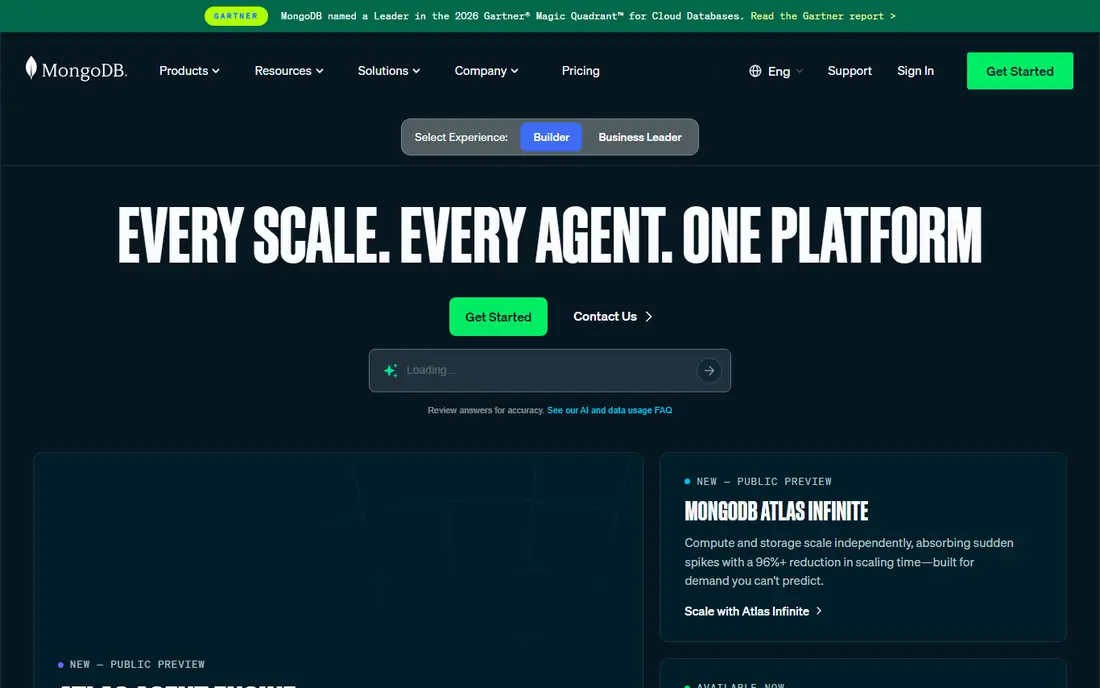
MongoDB fits apps where data shapes change often and rigid tables slow development down. Its document model lets teams iterate without constant migrations, and Atlas removes much of the hosting burden. We gave extra weight to clear pricing, honest limits, and products that explain what happens to your data when you leave. The catch is cost control: storage and compute on Atlas can grow quickly if indexes and queries are not watched. It earns a place on the shortlist when its main strength lines up with the job you will ask it to do every week. For most teams, the real cost is not the licence alone but hosting, storage, queries, and the staff time needed to keep the database healthy.
- Flexible document model
- Atlas managed cloud
- Scales horizontally
- Memory and storage use can grow fast
- Pricing needs care at scale
MariaDB
Ideal for: Drop-in MySQL alternative
MariaDB is the community-driven alternative for teams that want MySQL compatibility with fully open governance. It works with many MySQL tools and drivers, so migration is often straightforward. For most buyers, the deciding factor is not the longest feature list but the fit with daily work, the total price, and how much setup the team can handle. The catch is ecosystem size: the enterprise support and tooling around it is smaller than MySQL's. Try it first with a small group, so you learn how it behaves before you roll it out more widely. For most teams, the real cost is not the licence alone but hosting, storage, queries, and the staff time needed to keep the database healthy.
- Open source fork of MySQL
- Compatible with many MySQL tools
- Community-driven
- Smaller enterprise ecosystem than MySQL
- Support plans cost extra
Microsoft SQL Server
Ideal for: Windows and .NET environments
SQL Server is the natural pick for teams already built on Microsoft tools and .NET. Its integration with Azure, Power BI, and Visual Studio is deep, and its enterprise features are mature. A tool that looks strong on a pricing page can still disappoint if onboarding is slow, support is thin, or the plan that holds the needed feature sits two tiers up. The catch is licensing: editions and core-based pricing are complex, so get a clear quote before budgeting. If that trade-off fits your budget and your tolerance for setup, it is worth a trial before you commit the whole team. For most teams, the real cost is not the licence alone but hosting, storage, queries, and the staff time needed to keep the database healthy.
- Deep integration with Microsoft tools
- Strong enterprise features
- Good tooling
- Licensing is complex
- Linux support is more limited than Windows
Oracle Database
Ideal for: Large enterprises with heavy workloads
Oracle Database suits large enterprises running heavy, mission-critical workloads. It is proven at enormous scale, with advanced availability, security, and partitioning options. We gave extra weight to clear pricing, honest limits, and products that explain what happens to your data when you leave. The catch is cost and complexity: licensing is famously intricate and specialist database administrators are usually needed. Put it on a shortlist if its strengths match your main use case, and test it with real data during the trial period. For most teams, the real cost is not the licence alone but hosting, storage, queries, and the staff time needed to keep the database healthy.
- Proven at very large scale
- Advanced security and availability options
- Broad tooling
- Expensive and complex licensing
- Needs specialist DBAs
Snowflake
Ideal for: Cloud analytics and data warehousing
Snowflake is the cloud warehouse pick for analytics teams that want to scale compute on demand. Storage and compute scale separately, so a big report does not have to slow down everyone else. For most buyers, the deciding factor is not the longest feature list but the fit with daily work, the total price, and how much setup the team can handle. The catch is billing: usage-based charges can surprise teams that run heavy queries without limits or monitoring. It earns a place on the shortlist when its main strength lines up with the job you will ask it to do every week. For most teams, the real cost is not the licence alone but hosting, storage, queries, and the staff time needed to keep the database healthy.
- Separates storage and compute
- Scales for analytics
- No hardware to manage
- Usage-based bills can surprise
- Not built for transactional apps
CockroachDB
Ideal for: Distributed apps needing resilience
CockroachDB fits apps that must stay up across regions and survive node failures. Its distributed design keeps data available even when parts of the system fail, and it speaks PostgreSQL-compatible SQL. A tool that looks strong on a pricing page can still disappoint if onboarding is slow, support is thin, or the plan that holds the needed feature sits two tiers up. The catch is operations: running a distributed database well needs care, and its ecosystem is smaller than PostgreSQL's. Try it first with a small group, so you learn how it behaves before you roll it out more widely. For most teams, the real cost is not the licence alone but hosting, storage, queries, and the staff time needed to keep the database healthy.
- Distributed SQL with strong resilience
- PostgreSQL-compatible
- Cloud and self-hosted options
- Operational complexity at scale
- Smaller ecosystem than PostgreSQL
How we picked these
We started from the vendor's own feature and pricing pages, then checked app-store listings and public reviews for signs of trouble, such as slow support, confusing pricing, or features that only appear on higher plans. Products that no longer exist, that had no working official homepage, or that did not truly fit the topic were left out, even when they were well known in a nearby category. We also weighed who each product is built for. A strong enterprise tool can be a poor pick for a small team, and a simple free tool can be a poor pick for a regulated workplace. The list below mixes well-known leaders with smaller options, so you can match the pick to your size, budget, and tolerance for setup work.
How to read database pricing before you commit
Separate licence cost from running cost. Open-source databases are free to download but still cost hosting, backups, and admin time, while cloud databases charge for storage and compute, which can climb with heavy queries. Check how pricing scales with your data and traffic. A plan that looks cheap for a prototype can become expensive at production volume, so model a realistic month of storage and queries before you choose. Also check backup, replication, and support costs, which are often billed separately.
Shortlist checklist
- Write down the two or three jobs the tool must do every week, and test exactly those jobs in the trial.
- Check the total price for your team size, including any add-ons, seats, or usage charges that sit outside the headline plan.
- Ask how you export your data, what happens at cancellation, and how support responds when something breaks.
- Confirm privacy, security, and compliance terms fit your workplace rules before you move real customer or staff data into the tool. Start with the workload: transactional apps, analytics, or both. Then shortlist two options, test with a realistic dataset, and compare the monthly bill, not just the headline rate.
Frequently asked questions
What should I look for first when comparing best database software pricing options?
Start with the job you need done most often, then check whether the plan you can afford includes it. Look at total price for your team size, setup effort, and how data can be exported. A trial with real work will tell you more than a feature list, so test the exact workflow you will use every week.
Is there a good free option for best database software pricing options?
Some products on this list offer a free plan or a free trial, but free plans usually limit seats, storage, or advanced features. Check the free plan line for each product above, and treat a free tier as a way to test fit rather than a promise that it will cover a growing team.
How much should I expect to pay?
Pricing varies by seats, usage, and plan tier, and several vendors on this list only publish custom quotes. Use the starting price column as a guide, then get a written quote for your team size before you budget. Watch for add-ons that are charged separately from the headline plan.
Can I switch later if I pick the wrong one?
In most cases yes, but switching costs time and effort, especially if your data is hard to export. Before you buy, confirm export options and contract length, and keep a copy of your data in a format you control. A short initial term lowers the risk of being stuck with a poor fit.
How do I know a vendor is trustworthy?
Look for clear pricing, a readable privacy policy, security documentation, and responsive support. Check recent public reviews for repeated complaints about billing or support, and prefer vendors that explain data handling in plain language rather than hiding it in vague terms.