Best Dating Apps in 2026: 8 Apps Compared

- Hinge is the best pick for people seeking a serious relationship, with prompts and a usable free tier that includes daily likes.
- Bumble suits daters who want women to start the conversation, while Tinder remains best for sheer volume and casual dating.
- Paid prices vary by age, location, and plan length, so check the price inside the app before you subscribe.
- All users must be 18 or older. Use photo verification, meet in public places, and never send money to someone you have not met.
Quick comparison
| Product | Ideal for | Price from | Free version | |
|---|---|---|---|---|
 Hinge | Serious relationships and prompts | See website | Yes | Visit |
 Bumble | Women-first matching and control | See website | Yes | Visit |
 Tinder | Largest pool and casual dating | See website | Yes | Visit |
 eHarmony | Compatibility matching for long-term dating | See website | No | Visit |
 Match | Established dating for ages 30 and up | See website | Yes | Visit |
 OkCupid | Personality questions and inclusive options | See website | Yes | Visit |
 Coffee Meets Bagel | Curated daily matches, less swiping | See website | Yes | Visit |
 Feeld | Open-minded and alternative dating | See website | Yes | Visit |
The best dating apps
We compared official feature pages, pricing pages, app store listings, privacy policies and public reviews to build this list, focusing on products that fit the topic closely and are still available in October 2026.
Hinge
Ideal for: Serious relationships and prompts
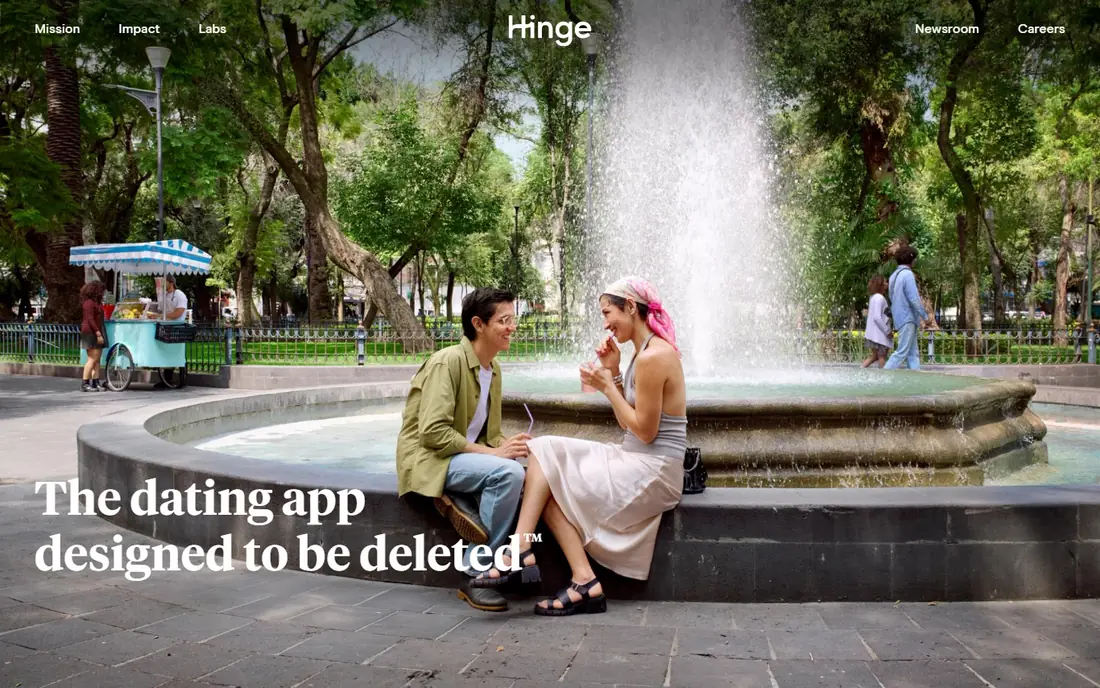
Hinge is our pick for daters who want a relationship rather than endless swiping. Profiles use prompts and photos together, which gives you something specific to reply to, and the app encourages you to like a photo or answer rather than just swipe. The free tier is usable, with daily likes and the ability to see who liked you one at a time.
The catch is price and limits. Hinge+ and HingeX cost more than many rivals, and free likes run out quickly if you swipe a lot. In smaller towns, the pool is also thinner than Tinder. If you are patient and prefer fewer, better matches, Hinge rewards that approach. If you want volume, it will feel slow.
- Prompt-based profiles encourage conversation
- Free tier includes daily likes
- Designed to be deleted when you find a match
- Paid tiers are expensive
- Like limits frustrate heavy users
- Smaller pool in rural areas
Bumble
Ideal for: Women-first matching and control

Bumble suits daters who want more control over who can message them. After a match, women send the first message, which cuts down on unwanted openers and gives the conversation a clearer start. Verification, reporting, and blocking tools are prominent, and the app also offers modes for friends and professional networking.
The 24-hour window to start a conversation can feel rushed, especially if you match late at night or on a busy day. Paid features, including seeing who liked you and unlimited swipes, cost more than many users expect. Bumble works best if you check the app daily and prefer a smaller number of intentional matches.
- Women start the conversation after a match
- Profile verification and photo checks
- Also offers friend and work modes
- Paid Premium is pricey
- 24-hour reply window can feel rushed
- Free swipes are limited
Tinder
Ideal for: Largest pool and casual dating

Tinder remains the biggest dating app, and that size is its main advantage. In most cities, you will see more profiles here than anywhere else, and the swipe system needs no explanation. Paid tiers add unlimited likes, the ability to see who liked you, and Passport to change location before a trip.
The free experience is now thin, with limited swipes and frequent prompts to pay. Profile quality varies, and casual intent is more common than on Hinge or eharmony. Tinder suits daters who want volume, are open to casual dating, or live in a smaller area where only the largest pool gives enough matches.
- Largest dating pool in the US
- Fast and simple to use
- Paid tiers add likes, boosts, and Passport location change
- Free tier is heavily limited
- Ads and paywalls are frequent
- Profile quality varies widely
eHarmony
Ideal for: Compatibility matching for long-term dating
eHarmony suits daters who prefer a guided match over endless browsing. A long questionnaire builds a compatibility profile, and matches are presented based on that profile rather than a swipe feed. That structure appeals to people in their thirties and older who want a serious relationship and are willing to pay for it.
The sign-up takes real time, and you cannot message matches without a paid plan, so there is no free way to test conversations. Prices also vary by plan length, with longer commitments costing less per month. If you dislike questionnaires or want to browse freely, eHarmony will feel restrictive. If you want curation, it is a strong choice.
- Detailed compatibility questionnaire
- Focus on long-term matches
- Moderated profiles
- No useful free messaging tier
- Longer plans are expensive
- Sign-up takes time
Match
Ideal for: Established dating for ages 30 and up
Match is one of the oldest dating services, and it still suits daters who want detailed profiles and a commitment-focused pool. Profiles allow longer descriptions, search filters are detailed, and Match runs events in some cities that help people meet offline. The audience skews older than Tinder or Hinge.
You cannot message matches without paying, so the free tier is really a browsing tier. The interface also feels older than newer apps, and the subscription price is not low. Match works best if you are in your thirties or older, want a serious relationship, and prefer searching and filtering over swiping.
- Long-established brand with events and detailed profiles
- Good for daters seeking commitment
- Free tier only allows browsing
- Subscription needed to message
- Interface feels dated
OkCupid
Ideal for: Personality questions and inclusive options
OkCupid stands out for its questions. Answering questions about values, lifestyle, and politics builds a match percentage that helps you judge compatibility before messaging. Gender and orientation options are inclusive, and free users can message matches, which is more generous than Match or eharmony.
Ads and limits in the free tier can be annoying, and the best filters sit behind a paid plan. Profile quality also varies, so you need to read profiles carefully. OkCupid suits daters who care about shared values and want to filter by answers, not just photos. It is a good middle ground between free swiping and paid matching.
- Detailed questions and matching percentages
- Inclusive gender and orientation options
- Free messaging for matches
- Free tier has ads and limits
- Paid features are needed for full filters
- Profile quality varies
Coffee Meets Bagel
Ideal for: Curated daily matches, less swiping
Coffee Meets Bagel suits busy daters who dislike endless swiping. Each day, you receive a small set of curated matches based on your preferences and activity, which encourages you to look closely rather than rush. Profiles include details and prompts, and the slower pace feels calmer than a swipe feed.
The pool is smaller than the big apps, especially outside major cities, and matches can expire if you do not act. Paid Premium adds more matches and filters at a high monthly price. If you prefer quality over quantity and check the app once a day, this slower model works well. If you want volume, it will frustrate you.
- Daily curated matches reduce endless swiping
- Detailed profiles
- Good for busy daters
- Smaller pool than Tinder or Bumble
- Paid Premium is expensive
- Matches expire
Feeld
Ideal for: Open-minded and alternative dating
Feeld serves daters who do not fit a mainstream app, including non-monogamous people, couples, and those exploring alternative relationship styles. Profiles can be linked for couples, privacy controls let you hide from colleagues or family, and the community norms are more explicit about desires and boundaries.
The pool is niche, so matches depend heavily on your city and your openness about what you seek. The paid Majestic tier adds features at a monthly price that rivals mainstream apps. Feeld is not a good first app for mainstream dating, but for its audience it offers honesty and features that other apps lack.
- Designed for open-minded, non-monogamous, and alternative daters
- Couples can link profiles
- Strong privacy options
- Smaller and more niche pool
- Majestic paid tier is pricey
- Not suited to mainstream dating
How we picked these
We compared official feature pages, pricing pages, app store listings, privacy policies and public reviews for each option in this guide. We checked that each product is still offered in October 2026, that its homepage loads, and that its price or free tier could be confirmed or marked as See website when it could not. We did not claim hands-on testing. We favoured products that fit the topic closely, explain their limits clearly, and give readers a practical way to try them before paying. Where prices change often, we say so and point readers to the vendor page for the current figure.
How to choose a dating app
Start with what you want, not with the most downloaded app. Serious relationship seekers should try Hinge, eHarmony, or Match first. Casual daters and people in smaller towns will find more matches on Tinder. Women who want control over first messages should try Bumble. Use one or two apps well, with honest photos and a complete profile, rather than spreading thinly across five.
Before you pay,try the free tier or trial first and check the exact limits that matter to you, such as device support, export options, or cancellation terms. Read the privacy policy for any app that handles personal, financial, or health data, and check whether your data can be exported or deleted. The cheapest option is not always the best value if it lacks a feature you will use every week, and the most expensive option is rarely worth it if you only need the basics.
Frequently asked questions
What is the best dating app overall?
Hinge is our pick for serious dating, Tinder for the largest pool, and Bumble for women-first matching. The best app depends on your goal, your city, and how much time you want to spend swiping each day.
Are dating apps free?
Most offer a free tier, but messaging and key features often need a paid plan. Hinge and OkCupid offer more usable free tiers, while Match and eHarmony require payment to message matches. Prices vary by age, location, and plan length.
How can I stay safe on dating apps?
Use photo verification, keep conversations in the app until you trust someone, meet in public places, tell a friend where you are going, and never send money or share financial details. Report and block anyone who pressures you or asks for money.
Do paid dating subscriptions work?
Paid tiers mainly add visibility, unlimited likes, and filters. They help if your profile is already strong, but they do not fix poor photos or an empty profile. Fix your profile first, then consider one month of paid access to test it.
Which dating app is best for women?
Bumble is the strongest women-first option, since women start the conversation after a match. Hinge also gives women good control through prompts and filters, and all apps here offer blocking, reporting, and verification tools.