Best demand forecasting software in 2026: 7 Options Compared

- 1
 NetSuite Demand Planningfirms that want forecasting inside ERPVisit
- 2
 SAP Integrated Business Planningenterprises that want integrated planningVisit
- 3
 o9 Solutionsfirms that want AI led planningVisit
- 4
 Blue Yondersupply chain firms that want proven planningVisit
- 5
 RELEX Solutionsretailers that want granular forecastsVisit
- NetSuite and SAP IBP suit larger firms that want forecasting inside ERP and planning.
- o9 Solutions and Blue Yonder suit firms that want AI led enterprise planning.
- RELEX and ToolsGroup suit retail and supply chain firms that need granular forecasts.
- Anaplan suits firms that want connected planning across finance and operations.
Quick comparison
| Product | Ideal for | Price from | Free version | |
|---|---|---|---|---|
| NetSuite Demand Planning | firms that want forecasting inside ERP | See website | No | Visit |
| SAP Integrated Business Planning | enterprises that want integrated planning | See website | No | Visit |
| o9 Solutions | firms that want AI led planning | See website | No | Visit |
| Blue Yonder | supply chain firms that want proven planning | See website | No | Visit |
| RELEX Solutions | retailers that want granular forecasts | See website | No | Visit |
 ToolsGroup | supply chain firms that want service led planning | See website | No | Visit |
 Anaplan | firms that want connected planning | See website | No | Visit |
The best demand forecasting software
Demand forecasting software predicts future sales by product, channel and location, helping firms plan stock, production and staffing. We compared official product pages, pricing pages and public reviews, focusing on forecast accuracy tools, data integration, planning workflows and pricing model. Pricing is often quote based, so we note the model rather than quoting a figure we could not confirm.
NetSuite Demand Planning
Ideal for: firms that want forecasting inside ERP
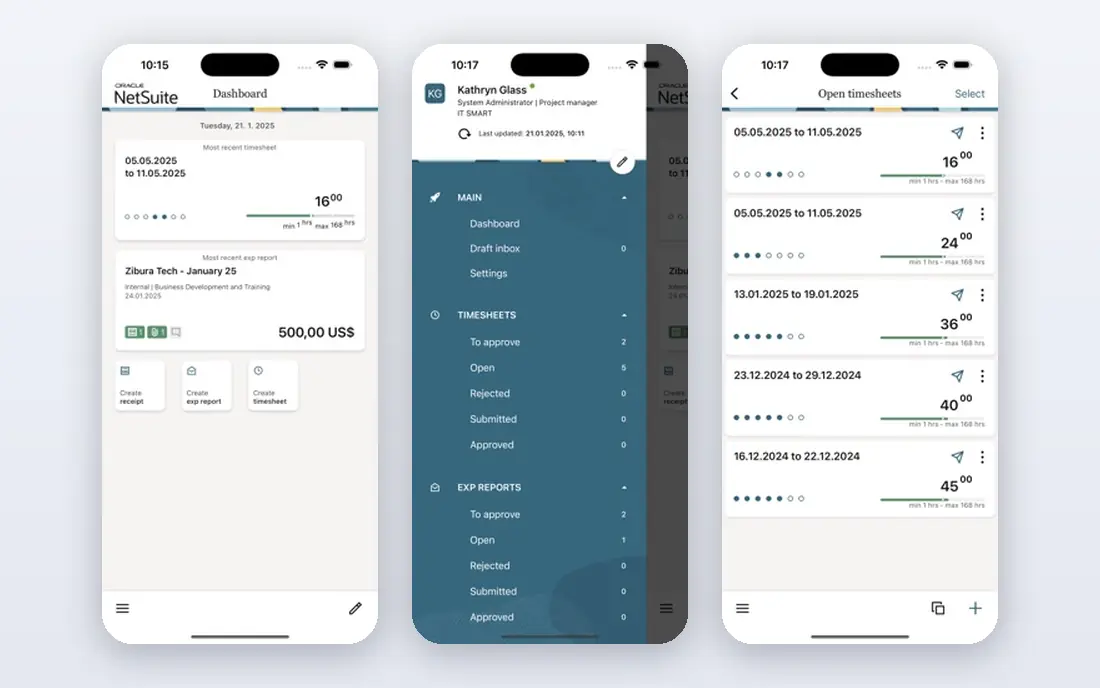
NetSuite Demand Planning, part of Oracle NetSuite, forecasts demand from sales history and links it to inventory, purchasing and production planning. Firms already using NetSuite benefit from that single system, since forecast, stock and orders stay consistent. Its tools suit distributors, manufacturers and retailers on NetSuite.
Before you pay, check the limits that apply to your own use, including seats, storage, monthly usage and support hours. A plan that looks generous on the headline page can still cap the one feature you rely on most, so read the plan comparison page rather than the marketing summary. A trial or free tier is the safest way to test this, and it also shows whether support answers promptly when you need help.
Pricing is enterprise level and implementation takes time, so a small firm will find it heavy. Check whether demand planning is included in your NetSuite edition, and trial forecasting on your real sales history.
- ERP linked forecasts
- Inventory planning
- Reporting
- Enterprise pricing
- Implementation takes time
SAP Integrated Business Planning
Ideal for: enterprises that want integrated planning
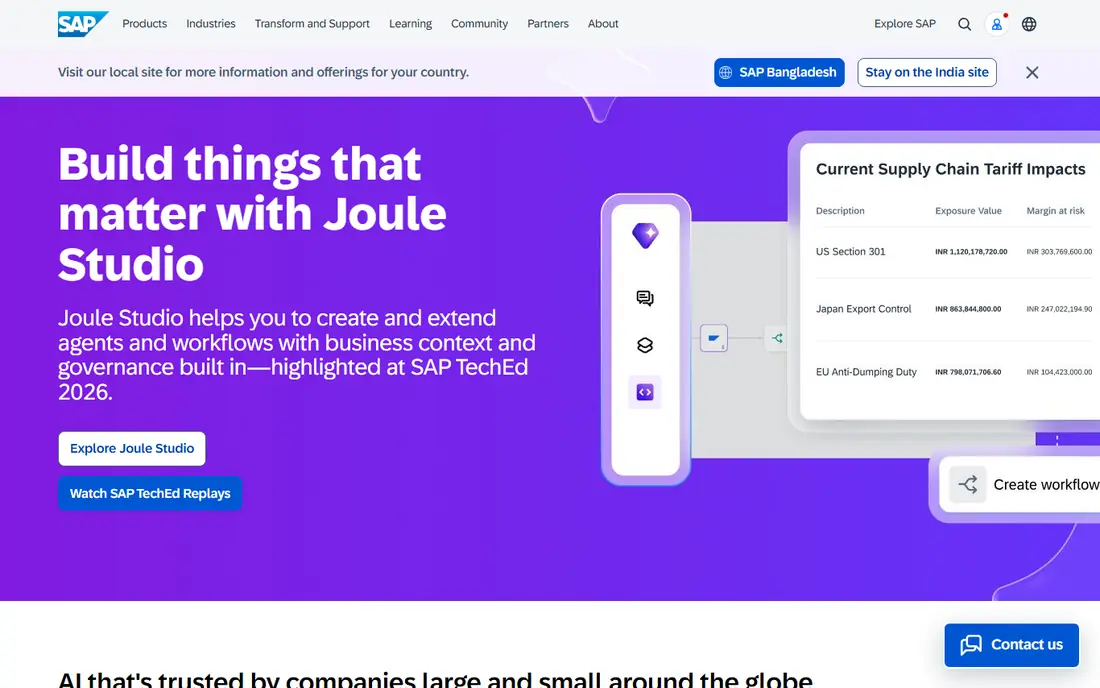
SAP Integrated Business Planning, or SAP IBP, covers demand, supply, inventory and sales and operations planning for large enterprises, with demand sensing from real time signals. Its integration with SAP ERP suits firms already running SAP for finance and operations. That breadth helps align sales, supply and finance plans.
The price on the headline page is only part of the cost, so check renewal pricing, per-seat charges and any paid add-ons before you commit. Free tiers help for light use, but they often cap the features that matter once work grows, and trials end on a fixed date whether you have finished testing or not. Set a reminder before a trial ends, and confirm cancellation steps in advance so you are not locked into a plan you no longer need.
Pricing is enterprise level and implementation is complex, needing specialist expertise. Start with demand planning for one product family, and confirm data integration with your ERP before a full rollout.
- Enterprise planning
- Demand sensing
- Supply integration
- Enterprise pricing
- Complex implementation
o9 Solutions
Ideal for: firms that want AI led planning
o9 Solutions offers an AI led planning platform covering demand, supply, inventory and commercial planning, with a digital brain model that links decisions across functions. Large firms use it to improve forecast accuracy and scenario planning. Its platform suits enterprises with complex supply chains.
Pricing is where many readers get caught out, so look past the headline figure and check what the plan actually includes for your level of use. Seats, usage limits, add-ons and renewal terms can change the real monthly cost, and a cheaper plan that lacks one feature you need is not a saving. If a free tier or trial is offered, use it for real work before paying, and confirm how cancellation works while you still have time to change your mind.
Pricing is enterprise oriented and implementation needs expertise, so mid sized firms should check fit and total cost. Ask for a pilot on your product data, and measure forecast accuracy against your current method.
- AI forecasting
- Connected planning
- Enterprise scale
- Enterprise pricing
- Implementation needs expertise
Blue Yonder
Ideal for: supply chain firms that want proven planning
Blue Yonder, formerly JDA, offers demand, supply, inventory and retail planning with AI tools, used by large retailers, manufacturers and distributors. Its long history in supply chain planning suits firms with complex networks and seasonal demand. That depth helps plan promotions, assortments and replenishment.
Before you pay, check the limits that apply to your own use, including seats, storage, monthly usage and support hours. A plan that looks generous on the headline page can still cap the one feature you rely on most, so read the plan comparison page rather than the marketing summary. A trial or free tier is the safest way to test this, and it also shows whether support answers promptly when you need help.
Pricing is enterprise level and implementation takes time, so smaller firms will find it heavy. Check which planning modules fit your operation, and trial forecasting on seasonal products where accuracy matters most.
- Demand and supply planning
- Retail focus
- AI tools
- Enterprise pricing
- Implementation takes time
RELEX Solutions
Ideal for: retailers that want granular forecasts
RELEX Solutions offers demand forecasting, replenishment and promotion planning for retailers and consumer goods firms, with granular forecasts by store, product and day. That detail suits grocery, fashion and general retail where availability and waste both matter. Its platform links forecast to ordering and space planning.
The price on the headline page is only part of the cost, so check renewal pricing, per-seat charges and any paid add-ons before you commit. Free tiers help for light use, but they often cap the features that matter once work grows, and trials end on a fixed date whether you have finished testing or not. Set a reminder before a trial ends, and confirm cancellation steps in advance so you are not locked into a plan you no longer need.
Pricing is enterprise oriented and its focus is retail and consumer goods, so manufacturers outside retail should check fit. Trial it on a category with volatile demand, and measure availability and waste against current methods.
- Retail forecasting
- Replenishment
- Promotion planning
- Enterprise pricing
- Retail focus
ToolsGroup
Ideal for: supply chain firms that want service led planning
ToolsGroup offers demand forecasting and inventory optimisation focused on service levels, helping firms balance stock availability against inventory cost. Its tools suit distributors, manufacturers and aftermarket parts firms where service matters. That service led model helps set stock targets by product criticality.
Pricing is where many readers get caught out, so look past the headline figure and check what the plan actually includes for your level of use. Seats, usage limits, add-ons and renewal terms can change the real monthly cost, and a cheaper plan that lacks one feature you need is not a saving. If a free tier or trial is offered, use it for real work before paying, and confirm how cancellation works while you still have time to change your mind.
Pricing is enterprise level, and forecast quality depends on clean sales and stock data. Clean history, promotions and outliers before a pilot, and measure service level and inventory together.
- Demand forecasting
- Inventory optimisation
- Service levels
- Enterprise pricing
- Setup needs data quality
Anaplan
Ideal for: firms that want connected planning
Anaplan is a connected planning platform that lets finance, sales and operations build linked models for demand, revenue and supply planning. Its modelling flexibility suits firms that want one planning language across departments. That connection helps align forecasts with budgets and capacity plans.
Before you pay, check the limits that apply to your own use, including seats, storage, monthly usage and support hours. A plan that looks generous on the headline page can still cap the one feature you rely on most, so read the plan comparison page rather than the marketing summary. A trial or free tier is the safest way to test this, and it also shows whether support answers promptly when you need help.
Pricing is enterprise oriented, and modelling needs skill to build and maintain. Start with a demand model for one business unit, and confirm integration with your ERP and CRM data sources.
- Connected planning
- Modelling
- Finance and operations
- Enterprise pricing
- Modelling needs skill
How we picked these
We compared official feature pages, pricing pages, app store listings, privacy policies and public reviews for each option in this guide. We kept only products that exist and work in October 2026 and that fit the topic directly, and we checked that each official homepage loads and belongs to the product named. Prices and free tiers are taken from the vendor site where we could verify them, and we wrote See website where a price could not be confirmed, rather than guessing. Our pick in each guide reflects fit for ordinary readers, not a claim of hands-on testing, and we note the honest limits of each option alongside its strengths.
How to choose demand forecasting software
Start with forecast granularity: by product, channel, location and time period, since a tool that only forecasts monthly totals will not help store replenishment. Check data integration with ERP, CRM and point of sale systems, and clean history for promotions, outliers and discontinued products before a pilot. A forecast is only as good as the data behind it.
Compare total cost including implementation and data work, and measure forecast accuracy, availability and inventory together during a trial, not accuracy alone. Involve sales, operations and finance in the trial, since a forecast nobody trusts will not be used. Review forecasts monthly, track errors by product, and improve data and assumptions over time.
Frequently asked questions
What is the best demand forecasting software?
NetSuite and SAP IBP suit ERP linked planning, o9 and Blue Yonder suit AI led enterprise planning, and RELEX and ToolsGroup suit retail and service led supply chains. Anaplan suits connected planning across finance and operations.
How accurate is demand forecasting software?
Accuracy depends on data quality, product stability, promotions and seasonality, with stable products forecasting better than new or volatile ones. Measure error by product, compare against a simple baseline, and improve data and assumptions rather than expecting perfect forecasts.
Do small businesses need demand forecasting software?
A small firm can start with spreadsheet forecasts from sales history, but software pays off once product count, channels or locations grow. Start with a simple tool linked to your ERP or POS, and add advanced planning as complexity rises.
What data does forecasting software need?
It needs sales history by product, channel and location, plus promotion calendars, price changes, seasonality and external factors where relevant. Clean data matters more than model complexity, so fix history and promotion records before a pilot.
What is the difference between forecasting and planning?
Forecasting predicts future demand, while planning decides how to meet it through stock, production, staffing and purchasing. Good software links both, so a forecast automatically informs replenishment and capacity decisions.